Lately, we've seen a real uptick in the use of smart locks in the power industry. These gadgets are pretty impressive—they boost security and make operations run smoother. A report from MarketsandMarkets back in 2022 even says the smart lock market might hit around $1.88 billion by 2026. That's mainly because folks are looking for better access control systems, like, yesterday. Companies like ASSA ABLOY and Kisi are really pushing the envelope here, creating smart locks packed with the latest tech. For example, the RFID Smart Lock with a Master Key for the power sector makes managing who gets in way easier. But, honestly, as cool as these advancements are, they come with their own set of challenges—like compatibility issues with existing setups and some hiccups during training. Plus, while smart locks ramp up security, they’re not perfect. Cyber threats are a real concern, and trusting digital systems opens up new vulnerabilities. So, before jumping in, it’s pretty important for organizations to weigh the pros and cons carefully. Ultimately, whether smart locks are a good move depends on what a company needs and how well they can handle any potential hiccups along the way.

Overview of Smart Locks in the Power Industry
Smart locks are gaining traction in the power industry, where security is paramount. According to a recent industry report, around 45% of power facilities are shifting towards smart lock technologies to enhance security measures. These locks provide keyless access and real-time monitoring. With advanced encryption, they offer an added layer of protection against unauthorized entry.
Implementing smart locks also raises concerns. They require a stable power source and seamless connectivity. In a sector where outages can happen, reliance on digital systems needs evaluation. A survey revealed that 30% of power sector professionals worry about potential vulnerabilities in these systems. Moreover, regular maintenance and software updates are essential, which introduces ongoing costs.
The ability to control access remotely is an attractive feature. However, the complexity might deter some users. Finding the balance between innovation and practicality is crucial. Through pilot programs, many has learned that user training is vital for successful implementation. An informed workforce can make the most of these advanced security solutions while navigating any inherent challenges.
Benefits of Implementing Smart Locks for Security
Smart locks are becoming increasingly popular in various industries, including the power sector. Their implementation offers many security benefits that are hard to ignore. With smart locks, access control is enhanced, allowing for a more streamlined approach to facility management. These locks can be monitored and controlled remotely, which is crucial for operational efficiency.
The use of smart locks can greatly reduce the risk of unauthorized access. They provide audit trails, recording who accessed which area and when. This data can be vital during audits or investigations. However, it's essential to remember that technology can fail. Cybersecurity threats can compromise smart lock systems, which raises concerns about their reliability.
Moreover, integrating smart locks into existing security systems can be tricky. Compatibility issues may arise, and proper installation is key to ensuring effectiveness. Staff training is also vital. Without proper understanding, the benefits of smart locks may not be fully realized. Companies must weigh these challenges against the considerable advantages smart locks can provide for security and efficiency in the power industry.
Benefits of Smart Locks in the Power Industry
Types of Smart Locks Suitable for the Power Industry
Smart locks are transforming security across various industries, including the power sector. There are several types of smart locks suitable for these environments.
Keyless entry systems are popular, allowing users to unlock doors with smartphones or access codes. They reduce the risk of lost keys, which can be critical in emergency situations.
Biometric locks, which use fingerprints or facial recognition, offer high security but may require regular maintenance.
Using a smart passive lock for the power industry allows for remote access management. This can help in responding quickly to any issues that arise.
However, reliance on technology can present challenges. Connectivity issues or power outages may hinder access, leading to potential delays in critical operations.
Regular testing of your smart lock systems is essential to ensure reliability.
When implementing smart locks, consider the necessary infrastructure. Poor network coverage can affect performance. Ensure your employees are trained in using these systems. Employee feedback is crucial in identifying any issues with usability.
Thoughtful planning and regular reviews of smart lock performance can enhance security and operational efficiency.
Integration of Smart Locks with Existing Security Systems
The integration of smart locks into existing security systems is transforming the power industry. A recent report by Security Magazine indicates that over 70% of companies are shifting towards digital security solutions. Smart locks, designed to enhance access control, can streamline operations. They provide real-time monitoring, improving accountability in sensitive areas.
However, this transition is not without challenges. Many organizations struggle with compatibility issues. Existing systems may need upgrades, leading to increased costs. Additionally, training employees on new protocols can create temporary disruptions. Despite the hurdles, adopting smart lock technology can enhance overall security strategies significantly.
The implications of a breach in the power sector can be severe. The Ponemon Institute estimated that the average cost of a data breach is around $4.24 million. Implementing a smart lock for the power industry could minimize this risk. By integrating smart locks, companies can better manage access to critical infrastructure, reducing vulnerabilities and improving safety measures.
Challenges and Limitations of Smart Lock Technology
Smart lock technology offers convenience and ease of access for various industries, including the power industry. However, challenges exist that may affect their effectiveness. One major issue is cybersecurity. With increasing connectivity, smart locks become vulnerable to hacking. This risk raises concerns about safety in critical infrastructure.
Another limitation is the reliability of smart locks in extreme weather conditions. The power industry often operates in harsh environments. Battery failures or connectivity issues can render smart locks useless. Additionally, maintenance requirements can create operational frustrations. Regular updates and checks are necessary, yet they can be a burden for staff.
Interoperability poses another challenge. Different smart locks may not communicate well with existing security systems. This can lead to gaps in security measures. The effectiveness of a power industry smart lock is questioned when integrated into complex systems. Stakeholders must weigh the benefits against these challenges to make informed decisions.
Cost-Benefit Analysis of Smart Locks for Power Facilities
Smart locks have become a hot topic in the Electric Power Industry. A recent report indicates that transitioning to smart locks could reduce security incidents by up to 30%. The investment often includes installation costs and software updates, potentially leading to significant long-term savings. However, the initial cost can be a hurdle for many facilities.
Many power companies are weighing the trade-offs. While smart locks enhance security, they also require technical training for staff. This may lead to temporary downtime or disruptions. A study found that 20% of facilities experienced operational inefficiencies during the installation phase. Despite these concerns, the integration of smart technology is seen as a forward-thinking move.
The benefits, such as remote monitoring and access control, have compelling ROI. According to industry data, the reduction in theft and unauthorized access can offset the costs within three years. However, it’s crucial for companies to assess their specific needs. Consider the unique challenges and advantages before making a decision on smart locks for power facilities.
Future Trends and Innovations in Smart Lock Technology
The future of smart lock technology is rapidly evolving, particularly in the power industry. Emerging innovations focus on enhancing security and efficiency. For instance, biometric access features are becoming more common. These systems use fingerprints or facial recognition for entry, ensuring that only authorized personnel can gain access.
Moreover, integration with IoT devices is transforming how locks operate. Smart locks connected to a centralized system allow for remote management. This connectivity can streamline operations and improve overall safety. However, the reliance on technology raises some concerns. What happens if there is a system failure or a cybersecurity breach? These vulnerabilities need careful consideration.
Another trend is the use of artificial intelligence. AI can help predict security risks and adapt responses accordingly. This could revolutionize how facilities handle access control. Yet, implementing these solutions requires thorough training and resources. Organizations must weigh the benefits against potential complications. The balance between advanced security and operational challenges is crucial for the industry's future.
Ultimate Guide to Choosing the CRT-FQ500 CRAT Anti-Theft Lock: Features, Benefits, and Best Practices
When it comes to securing your cabinets and facilities, the CRT-FQ500 CRAT Anti-Theft Lock stands out as a premier solution. Designed with advanced technology, this smart lock enhances security through features that enable remote access control, making it an excellent choice for industries that depend on reliable and efficient security measures. With the capability to monitor access records, not only do facility managers gain insight into usage patterns, but they also enhance accountability among users.
The convenience of the CRT-FQ500 extends to effortless door access and streamlined facility maintenance. Rather than relying on traditional keys, which are easily lost or copied, this smart lock offers a high-tech alternative that is both user-friendly and secure. Its specialized features cater to the growing demand for sophisticated security solutions, as users can effortlessly manage access permissions while ensuring that the integrity of their space is never compromised. This innovative approach not only safeguards valuable assets but also fosters a more efficient operational environment.
FAQS
: Smart locks enhance access control and allow remote monitoring, improving facility management efficiency.
They provide audit trails that track who accessed which area and when, reducing security risks.
Yes, smart locks can fail, and cybersecurity threats pose risks to their reliability and effectiveness.
Compatibility issues and the need for proper installation are significant challenges in the integration process.
Absolutely. Without training, staff may struggle to utilize smart locks effectively, losing potential benefits.
Initial costs can be high, but long-term savings and reduced security incidents offer compelling returns on investment.
Features like remote management and integration with IoT devices streamline operations and improve safety.
Emerging technologies include biometric access and AI for predicting security risks, enhancing overall security.
System failures and cybersecurity breaches could undermine operations, highlighting the need for caution and preparation.
Some facilities report temporary inefficiencies, emphasizing the need to plan and manage the installation phase carefully.
Conclusion
The article "Best Smart Locks for the Power Industry: Are They Worth It?" delves into the significance of smart locks tailored for the power industry. It highlights the various advantages of implementing smart locks, such as enhanced security, remote access, and improved monitoring capabilities. Different types of smart locks suitable for power facilities are explored, showcasing how these systems can integrate seamlessly with existing security frameworks.
Moreover, the discussion touches on the challenges and limitations associated with smart lock technology, including potential vulnerabilities and the initial investment required for deployment. A cost-benefit analysis is provided to weigh the long-term savings and security enhancements against the upfront costs. Finally, the article looks ahead to future trends and innovations, emphasizing the evolving nature of smart locks and their increasing importance in securing critical infrastructure within the power industry. Overall, the potential of smart locks for the power industry offers compelling reasons for their adoption in enhancing facility security.

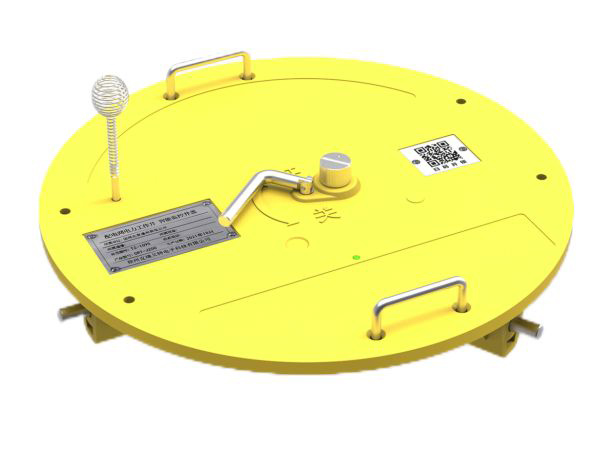 Intelligent Manhole Cover
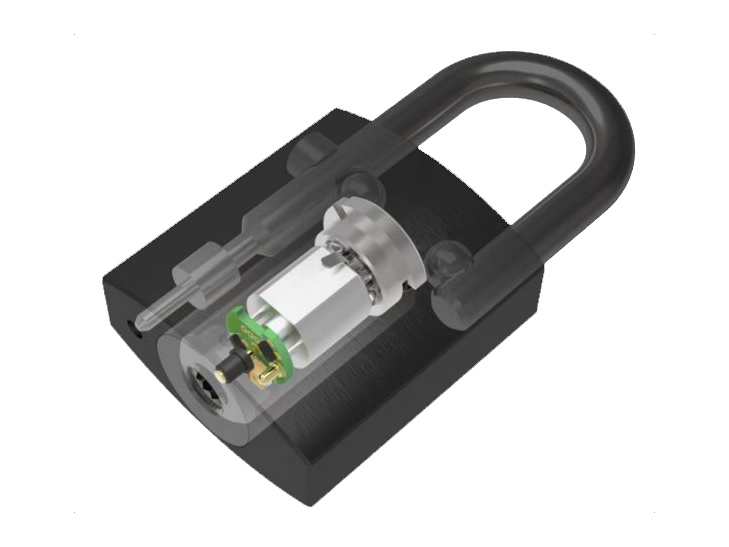 IoT Smart Locks
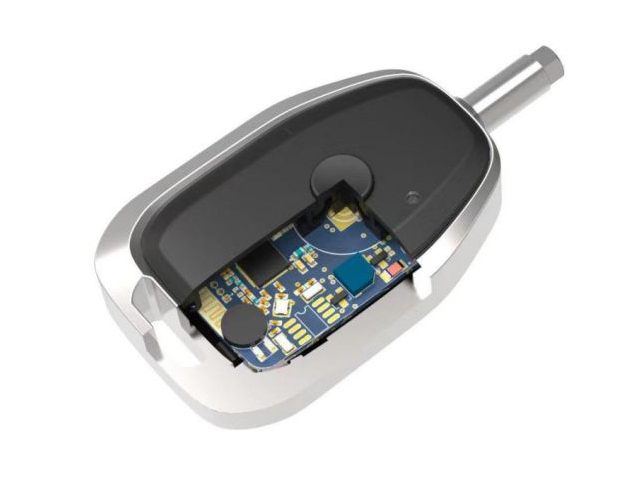 Electronic Keys
 Software


