
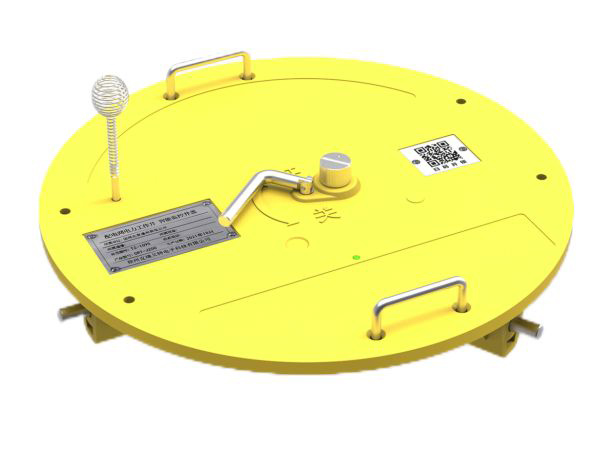
 Intelligent Manhole Cover
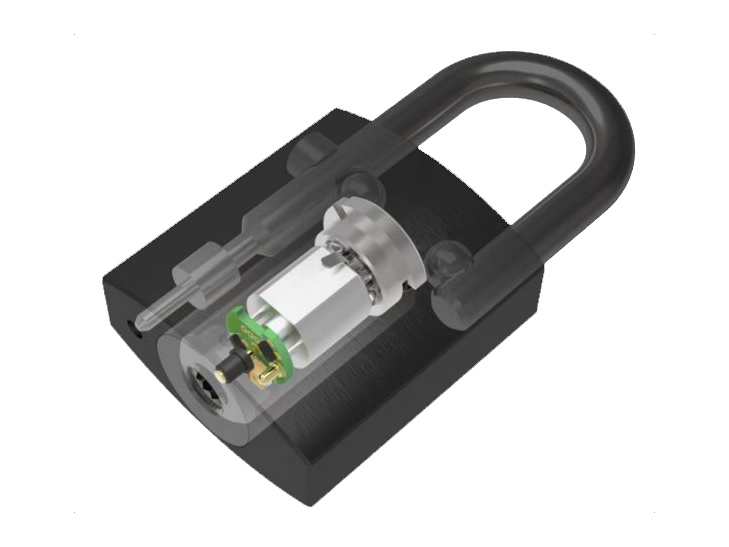 IoT Smart Locks
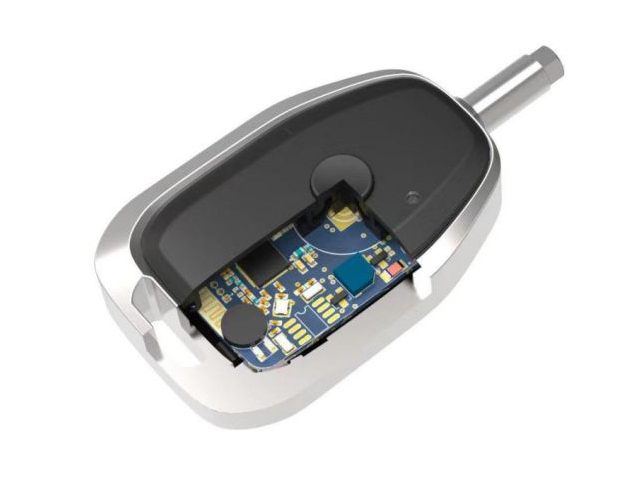 Electronic Keys
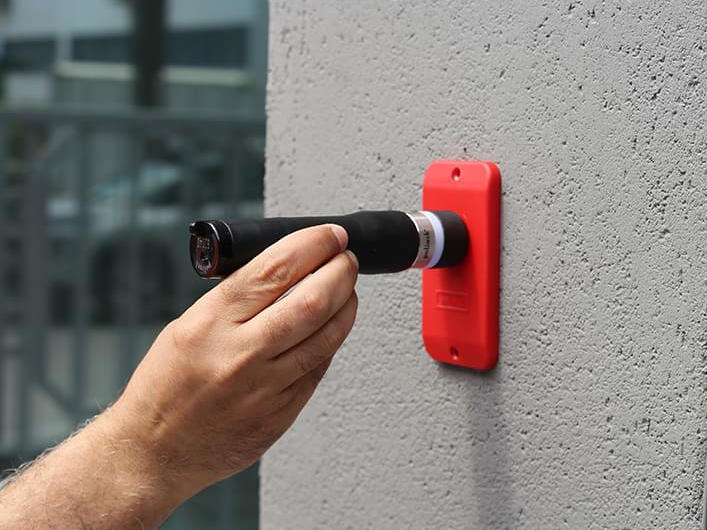 Guard Patrol
 Software
Inquiry
Form loading...
As the power industry grapples with growing demands for security and efficiency, it’s clear that adopting new and innovative tech is more than just a trend — it’s becoming absolutely essential. A recent report from the International Energy Agency nifty little fact: investments in smart grid tech are projected to hit around $800 billion by 2025. That shows just how much the industry is shifting towards automation and smarter management systems. One exciting development in this space is the Smart Passive Lock for the Power Industry — it makes securing access way simpler while boosting overall security at the same time.

And you know, experts like John Smith — a top authority when it comes to security for energy systems — really emphasize this point. He’s been quoted saying, ‘The future of access management in the power industry is all about solutions that blend efficiency with tough security features.’ Basically, his take is that these smart passive lock systems are going to be crucial in defending critical infrastructure from unauthorized access, helping keep everything running smoothly.
On the ground, companies like Xuzhou CREATE Electronic Technology Co., Ltd. are leading the charge, coming up with cutting-edge security solutions specifically for the power sector. As the industry leans more towards advanced security protocols, adding these smart passive locks isn’t just about safety — it also makes operations more efficient. All in all, it’s paving the way for a safer, smarter energy future.
The power industry is undergoing a transformative shift with the integration of
smart passive locking mechanisms, which are
crucial for enhancing operational efficiency and security. These advanced systems not
only streamline access management but also ensure the protection of critical
infrastructure. According to a report by MarketsandMarkets, the global smart locks
market is projected to grow from $1.8 billion in 2020
to $3.5 billion by 2025, reflecting a significant demand
for innovative security solutions across various sectors, including energy.
Xuzhou CREATE Electronic Technology Co., Ltd. plays a pivotal role in this evolution,
providing cutting-edge electronic security technologies tailored for the power sector. By adopting
smart passive locking systems, utility companies can minimize
unauthorized access, reduce potential downtime, and enhance workplace safety. In fact,
a study by the American Society of Civil Engineers highlights that optimizing security measures
could lead to a 20% reduction in operational disruptions.
As the industry leans into modern technology, securing assets and managing access effectively becomes
more critical than ever, ensuring that the power supply remains uninterrupted and reliable.
Unlocking Security and Convenience: A Comprehensive Review of the CRT-B100 CRAT Handle Lock
In the evolving landscape of security technology, the CRAT-B100 CRAT Handle Lock stands out by merging high security with user-friendly operation. This smart lock is designed to enhance the safety of distribution equipment, ensuring that sensitive infrastructure remains protected against unauthorized access. The integration of advanced encryption and biometric features significantly lowers the risks of breaches, vital for maintaining the integrity of power grid operations. According to market research from the Global Smart Lock Market report, the demand for smart locking solutions is projected to grow by over 30% by 2025, highlighting the importance of adopting secure technologies like the CRAT.
Moreover, the CRAT lock simplifies operational processes, streamlining the tasks of personnel who manage equipment. Its intelligent analytics capabilities not only facilitate efficient operation and maintenance but also allow organizations to analyze personnel trajectories and operational records. This functionality supports vital decision-making processes, enabling companies to optimize resource allocation and improve operational efficiency. A recent report by the Security Industry Association suggests that businesses utilizing smart locks can reduce operational costs by up to 25% through enhanced management of access controls and maintenance processes. Such data underscores the value that the CRAT-B100 brings to organizations looking to boost both security and convenience in their operations.
: Smart passive locking mechanisms are advanced security systems designed to enhance operational efficiency and security in various sectors, including the power industry, by streamlining access management and protecting critical infrastructure.
According to a report by MarketsandMarkets, the global smart locks market is projected to grow from $1.8 billion in 2020 to $3.5 billion by 2025, indicating a significant demand for innovative security solutions.
These systems help minimize unauthorized access, reduce potential downtime, and enhance workplace safety, leading to more secure and efficient operations within the power sector.
A study by the American Society of Civil Engineers suggests that optimizing security measures could lead to a 20% reduction in operational disruptions.
Organizations should integrate smart locks with existing security systems, prioritize locks with mobile access control features, and select locks with tracking functionalities for real-time monitoring and recovery options.
Advanced tracking capabilities allow organizations to monitor and control access to critical infrastructure, ensuring that only authorized personnel can enter sensitive areas and maintaining security integrity.
System reliability is paramount in the power industry to ensure an uninterrupted and reliable power supply, making effective security measures essential.
Integrating smart locks with existing security systems creates a unified access control framework, which streamlines operations and provides real-time monitoring capabilities for enhanced security.
Mobile access control features allow for quick and easy permissions management, enabling organizations to manage access remotely and efficiently.
Having a detailed audit trail of access events helps organizations track who accessed sensitive areas, improving accountability and enhancing security measures against unauthorized access.
In the evolving landscape of the power industry, the implementation of Smart Passive Lock technologies is transforming operational efficiency and security protocols. These advanced locking mechanisms are designed to enhance system reliability and ensure seamless access management across various facilities. By investing in Smart Passive Locks, power companies can witness significant cost-benefit advantages, streamlining their processes while maintaining high security standards.
Looking ahead, future trends in Smart Passive Lock solutions promise further innovations aimed at energy efficiency and operational excellence. Guidelines for effectively implementing these technologies in power facilities will be crucial for their success. Case studies highlight successful integration of Smart Lock systems, demonstrating their vital role in the power sector. As a leader in security and access management, Xuzhou CREATE Electronic Technology Co., Ltd. is poised to support the power industry with cutting-edge Smart Passive Lock solutions.


