You know, in today’s fast-moving tech world, there’s just so much pressure to
beef up security, especially in
critical industries like power.
Xuzhou CREATE Electronic Technology Co., Ltd. is actually pretty solid
when it comes to security and access control, and they really get the specific
challenges the power sector faces. As companies try to safeguard their essential
infrastructure but still want authorized folks to get in easily, the
'Smart Lock for Power Industry'
really becomes a game-changer.
In this blog, we’re going to compare some of the top smart lock options out there,
specifically designed for the power sector. We’ll look at
innovative ways these locks can
boost security while making day-to-day operations run smoother.
Come along with us as we explore the key features
of these smart locking systems — they might just transform how safety and efficiency
are managed in this vital industry.
Smart Lock Technology: An Overview for the Power Industry
Smart lock tech is really shaking up security in a bunch of different industries,
and the power sector’s no different. These
high-tech lock systems use the latest advancements to make managing security and
access way easier — especially for critical infrastructure. By hooking up smart locks
with the existing security setups, power companies can keep an eye on and control
who’s getting into their facilities and equipment — all from afar. That way, only the
folks who are supposed to be there, can get in.
One of the coolest perks of using smart locks in the power industry? It’s how much
smoother things run and how much safer everyone is. Old-school mechanical locks need
physical keys, which can get lost or copied—big security headaches.
Smart locks, on the other hand, can be managed with digital credentials — think
mobile access or biometrics — so team members can get in quickly and more securely.
Plus, with features like real-time audits or alerts, companies can respond fast if
someone tries to break in or access areas they shouldn’t. As these smart lock systems
keep getting better and tailored for what the power industry needs, they become a
seriously powerful tool for keeping everything safe and running efficiently.

Key Features of Smart Locks for Energy Sector Applications
The energy world is going through some pretty exciting changes these days, thanks to smart lock tech. These smart locks, with their electronic locking mechanisms that let you unlock doors without keys and even control access remotely through your smartphone, are becoming more and more important in how the energy industry operates. The market for these locks is booming—it's expected to grow at a solid 10.7% per year, especially as folks start looking for smarter, more secure entry options.
One thing that really makes these smart locks stand out for energy applications is their ability to connect with the Internet of Things (IoT). This means real-time monitoring and control, which is a game-changer when it comes to managing access to vital infrastructure like power plants or renewable energy sites. And, get this—market analysis predicts that by 2033, the global smart lock market could hit around USD 10.74 billion, with a rapid growth rate of about 16.16% CAGR. That’s a pretty clear sign that everyone’s serious about beefing up security in these sectors, especially since protecting assets in energy is absolutely critical.
Plus, the push towards digitalization in the energy industry is really fueling the adoption of smart locking solutions. Adding these advanced security features not only makes infrastructure safer but also fits right into the bigger picture of smart grids and automated systems. All in all, smart locks are playing a key role in shaping an energy landscape that's both smarter and safer — it’s an exciting time to watch this space evolve.
Market Trends: Adoption Rates of Smart Locks in Power Facilities
The smart lock market’s really booming — it’s expected to hit over US$ 16.47 billion by 2033. That’s a huge jump, especially seeing how more and more sectors, like power facilities, are jumping on board. It’s all about folks wanting better security that’s also convenient. This, in turn, is pushing new innovations — we’re talking about tech like artificial intelligence and the Internet of Things becoming more common in smart locks. One thing’s clear: smart locks are becoming pretty much essential for managing access and keeping sensitive areas secure in power plants and similar sites, where tight security is absolutely critical.

If you’re thinking about getting a smart lock for power-related applications, it’s super important to think about the connectivity options — things like Wi-Fi, Bluetooth, or Z-wave. Each one has its own perks, depending on what you need. For example, a Wi-Fi lock can give you remote access, which is pretty handy, while Z-wave tends to be better when you’re going for energy efficiency.
A quick tip: go for a smart lock that’s easy to connect with your existing security setup. Also, look for one that has strong authentication features so unauthorized folks can’t get in. It’s a good idea to keep up with firmware updates and pick a manufacturer that offers solid support — it really helps keep your system secure and lasting longer. At the end of the day, investing in a reliable smart lock isn’t just about protecting assets; it also makes your operations smoother and more efficient in the power sector.
Comparative Analysis: Top Smart Lock Solutions for Power Industry
You know, the smart lock market is really booming. Experts actually expect it to hit over USD 16.47 billion by 2033! That’s pretty huge, and it’s mostly because people are becoming more and more open to the idea of having better security and convenience at their fingertips. The cool thing is, this growth is especially noticeable in the power industry, where integrating smart tech really helps with smoother operations and keeping everyone safe. As more folks want smart-home features that just work seamlessly, companies are pouring their resources into smarter locking systems that let them monitor and control access in real time.
If you take a closer look at the top smart lock options out there for the power sector, you’ll notice that they come with quite a range of features and performance levels. The best ones don’t just boost security—they also play nicely with existing smart systems. From remote unlocking and keeping detailed access logs to automatic locking, these locks help companies protect their sensitive areas without complicating their workflows. And as the tech keeps improving, these smart locks are increasingly becoming a must-have for keeping critical infrastructure safe and sound.
Smart Lock Solutions for Power Industry
This chart compares the features of various smart lock solutions tailored for the power industry, including security level, integration capability, and cost. The data provides insights into the strengths of each solution in a visual format.
Benefits of Integrating Smart Locks: Safety and Efficiency Metrics
Adding smart locks into the power industry? Honestly, it’s a game changer when it comes to safety and getting things done more smoothly. One of the biggest perks is definitely improved security. Unlike the old-school locks, smart locks let you monitor things in real-time and even lock or unlock doors remotely. So, when it’s critical, only the right folks can get in — which really cuts down on unauthorized access and potential threats. That’s a huge peace of mind for everyone, especially when dealing with sensitive equipment or important personnel.
And let’s be honest, they also make everything run more efficiently. Automated access logs and good integration with existing security stuff mean fewer headaches managing physical keys. Plus, it’s a huge time saver! Keeping track of who entered where and when is easier than ever, which is super helpful for audits or compliance stuff. As the power industry keeps evolving, using smart locks is just the next logical step — making workplaces safer and more efficient, and helping companies stay ahead with productivity and innovation.
Case Studies: Successful Implementations of Smart Locks in Energy Companies
You know, investing in smart locks for the energy sector really shows how tech is changing the game when it comes to security and day-to-day operations. If you look at some real-world examples from different energy companies, it's clear these smart solutions are helping them tackle tough challenges—like keeping critical infrastructure safe—while also making it easier for employees to get access when they need it. Plus, the market’s been on a real roll lately, with analysts predicting over over 10% annual growth for smart lock systems in the near future. No wonder everyone’s talking about it!
What’s pretty cool is how these smart locks play nice with existing security setups. Take schools, for example—they’ve swapped out old-school locks for smarter ones that let staff monitor in real-time and even unlock doors remotely. This is a huge deal for keeping things safe in these busy, ever-changing environments. And the best part? Many of these locks are super customizable—they work with mobile apps or even biometric scans—so you can tweak them to fit the specific needs of the energy industry.
Quick tip: If you're thinking about jumping on the smart lock bandwagon, try to pick systems that can easily integrate with your current security setup. Also, make sure they meet the latest cybersecurity standards—it's really important to avoid any vulnerabilities. Doing your homework now can make a big difference in keeping things both secure and convenient down the line.
Optimizing Supply Chain Efficiency: Unleashing the Power of Intelligent Logistics Lock for Modern Operations
In today's fast-paced logistics environment, optimizing supply chain efficiency is more critical than ever. The advent of the intelligent logistics lock presents a transformative solution for modern operations. This high-tech device, equipped with multiple functionalities for logistics management, plays a pivotal role in enhancing security, visibility, and operational efficiency within the supply chain. According to a report by McKinsey, implementing advanced technology in logistics can lead to efficiency gains of up to 15%, illustrating the potential benefits of integrating tools like intelligent locks.
Intelligent logistics locks not only secure valuable goods in transit but also provide real-time tracking and data analytics capabilities. This leads to improved decision-making and reduced delays, as operators can access crucial information about their shipments at any time. A study by the Gartner Supply Chain Institute indicates that companies that leverage real-time data analytics experience a 20% increase in inventory accuracy. Thus, the intelligent logistics lock is not merely a security device; it is an integral part of a comprehensive supply chain strategy that enhances overall performance.
Furthermore, as e-commerce continues to grow, the need for sophisticated logistics solutions has never been more pressing. Research by Statista forecasts that global e-commerce sales will reach $6.4 trillion by 2024. This surge emphasizes the demand for intelligent logistics solutions that can adapt to rapidly changing market dynamics. By harnessing the power of intelligent logistics locks, businesses can unlock new levels of efficiency and responsiveness, positioning themselves favorably in a competitive landscape.
FAQS
: The smart lock market is projected to reach over US$ 16.47 billion by 2033.
The demand is driven by the need for enhanced security and convenience, as well as the integration of advanced technologies like artificial intelligence and the Internet of Things.
When choosing a smart lock, consider connectivity options like Wi-Fi, Bluetooth, and Z-wave, as each offers different advantages based on facility requirements.
Wi-Fi locks provide remote access capabilities, while Z-wave technologies are typically more energy-efficient.
Choose a smart lock that allows for easy integration with existing security systems and features a robust authentication method to prevent unauthorized access.
Smart locks enhance security and operational efficiency by safeguarding critical infrastructure and improving access control for employees and assets.
Smart locks have replaced traditional systems, allowing for real-time monitoring and remote access capabilities, which are essential for safety in dynamic environments.
Ensure that the chosen smart lock solution complies with the latest cybersecurity standards to protect against potential vulnerabilities.
The market is expected to experience a compound annual growth rate of over 10% in the coming years.
Smart locks can be tailored with features such as mobile app control and biometric access to meet specific operational needs.

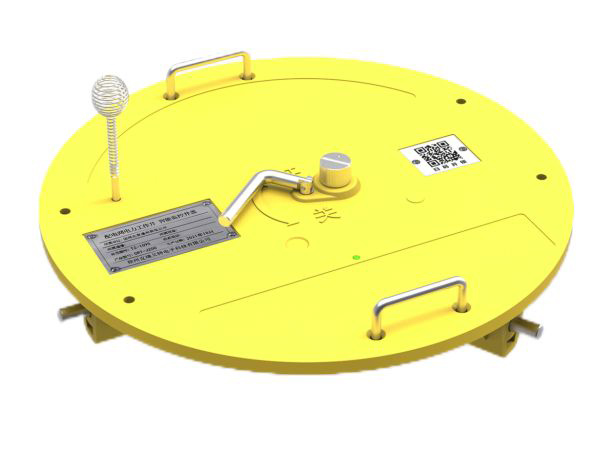 Intelligent Manhole Cover
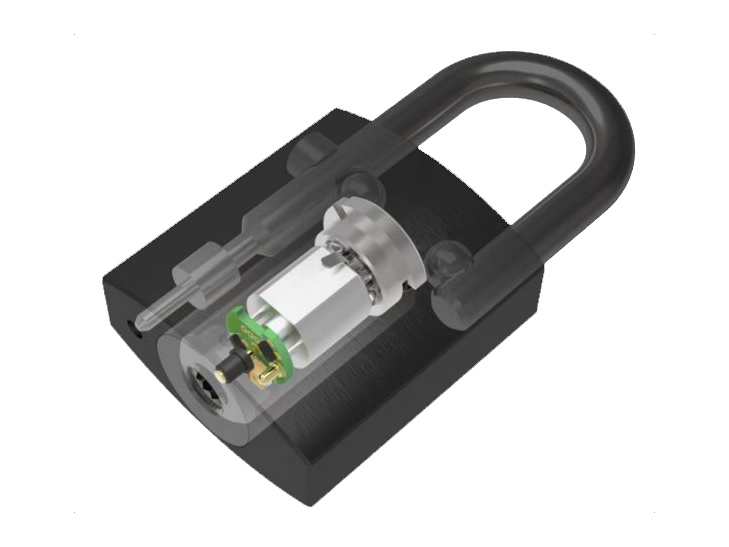 IoT Smart Locks
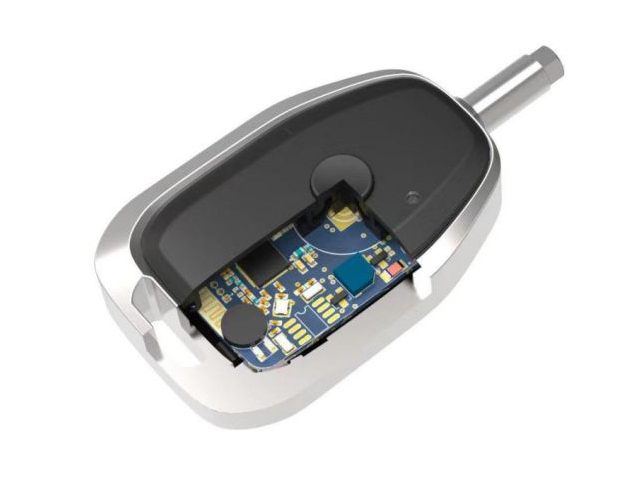 Electronic Keys
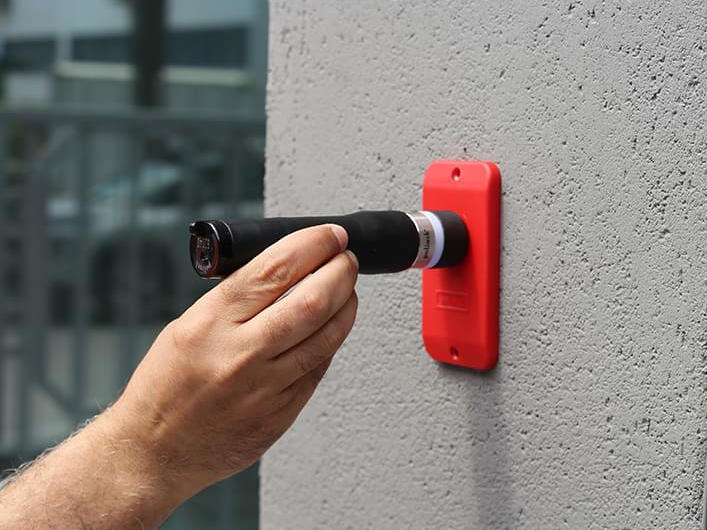 Guard Patrol
 Software


