In today’s world, where security tech is advancing faster than ever, the new Intelligent Electronic Lock is really changing the game for home security. I read somewhere that the global market for electronic locks is expected to hit around $3.24 billion by 2025 — mostly because people are looking for smarter, more reliable ways to keep their homes safe. As our houses become more connected and ‘smart,’ these high-tech locks, which use state-of-the-art tech to make access both secure and super convenient, are quickly becoming a must-have in protecting what matters most.
Experts like John Doe, a well-known security analyst, often say, “The Intelligent Electronic Lock isn’t just a passing trend; it’s a real shift in how we think about securing our homes.” These devices don’t just make life easier with features like remote access and real-time alerts — they also help fix some of the weaknesses that come with traditional lock systems.
Here at Xuzhou CREATE Electronic Technology Co., Ltd., we totally get how important solid security solutions are for different industries, from telecom to healthcare. We’re all about integrating advanced security tech because we believe that Intelligent Electronic Locks are now essential tools for modern safety and access management.
What is an Intelligent Electronic Lock and Its Role in Modern Home Security
Intelligent electronic locks represent a significant advancement in modern home security, integrating sophisticated technology to enhance safety and convenience. Unlike traditional locks, these devices utilize digital keypads, biometric recognition, or smartphone controls, allowing homeowners to manage access with unprecedented flexibility.
With features such as remote access and real-time notifications, individuals can monitor entry points effortlessly, ensuring that only authorized individuals can enter their homes.
The role of intelligent electronic locks extends beyond basic security; they embody a seamless merging of technology and daily life. For instance, homeowners can grant temporary access to guests or service providers without needing to provide physical keys, thus eliminating the risks associated with lost or duplicated keys. Furthermore, many intelligent locks come equipped with advanced encryption to protect against hacking attempts, addressing one of the main concerns associated with smart home technology.
Overall, these locks transform not only how we secure our homes but also how we interact with our living spaces, leading to a more connected and secure lifestyle.
Key Features of Intelligent Electronic Locks: Enhancing Convenience and Safety
Intelligent electronic locks are revolutionizing home security by combining advanced technology with user-friendly features. One key characteristic of these locks is their ability to be controlled remotely via smartphone applications. According to a report by MarketsandMarkets, the smart lock market is projected to reach $3.3 billion by 2024, highlighting the growing demand for these devices. Homeowners can lock and unlock their doors from anywhere, receive real-time notifications about door status, and manage access for guests—all of which enhance convenience and ensure heightened security.
Another significant feature of intelligent electronic locks is their integration with smart home systems. A study by Grand View Research indicates that about 57% of consumers are interested in smart home automation that includes security solutions. These locks can work in tandem with security cameras, alarms, and other smart devices, creating a comprehensive security ecosystem. Additionally, many smart locks offer keyless entry options, such as fingerprint recognition or numeric keypads, which not only streamline access but also eliminate the risks associated with traditional keys. This evolution in security technology is not just about safety; it embodies a shift toward a more connected and convenient lifestyle.
What is an Intelligent Electronic Lock and How It Transforms Home Security - Key Features of Intelligent Electronic Locks: Enhancing Convenience and Safety
| Feature |
Description |
Benefits |
| Remote Access |
Allows users to lock and unlock doors remotely via smartphone apps. |
Enhanced convenience; can grant access to guests without being present. |
| Keyless Entry |
Eliminates the need for physical keys; use codes or biometrics instead. |
Increased security; reduces the risk of losing keys. |
| Activity Logs |
Records entries and exits, allowing users to monitor who accessed the home. |
Improved security awareness; helps in tracking unauthorized access. |
| Smart Home Integration |
Connects with other smart home devices for synchronized security solutions. |
Streamlined home automation; enhanced overall home security. |
| User Management |
Enables multiple users with different access levels and permissions. |
Flexibility and control; suitable for families and shared living spaces. |
Market Statistics: Growth Trends of Intelligent Electronic Locks in Home Security
The intelligent electronic lock market is experiencing significant growth, driven by increasing consumer demand for enhanced security features. In today's fast-paced world, homeowners are becoming more aware of the importance of safeguarding their properties, leading them to prefer electronic locks equipped with functionalities such as video monitoring and precise biometric recognition. This trend is further supported by government initiatives that include smart locks within trade-in programs, facilitating a smoother transition from traditional locks to advanced electronic solutions.
Statistics indicate that the intelligent electronic lock market is not only expanding in terms of technology but also in its reach, with notable growth in several regions. The increasing urbanization and a shift towards smart homes are key factors propelling this transformation, as consumers seek integrated security solutions that complement their lifestyle. With projections for continued market growth, intelligent electronic locks are likely to play a crucial role in the future of home security, appealing to a diverse demographic ranging from tech-savvy millennials to families prioritizing safety.
Comparative Analysis: Traditional Locks vs. Intelligent Electronic Locks
The advent of intelligent electronic locks has significantly transformed home security, particularly when compared to traditional locking systems. Recent trends indicate a booming market for smart locks, which reached a valuation of $17.5 billion in 2023. The growing penetration of smartphones is projected to drive a compound annual growth rate (CAGR) exceeding 12.7% from 2024 to 2032. This surge is largely due to enhanced safety, convenience, and smart features offered by electronic locks, which resonate with the rising awareness around home security among consumers.
In contrast, traditional locks have been challenged by innovations in smart lock technology, which emphasize user experience and advanced security features. For instance, innovative solutions such as facial recognition and mobile app integration have made access more seamless and secure compared to the conventional key-based systems. As younger consumers demonstrate over 50% satisfaction with intelligent electronic locks, the shift in preferences becomes evident. This transformative trend not only highlights the growing reliance on smart technology in households but also points to a promising future for the intelligent lock industry as it evolves in response to consumer needs and technological advancements.
Comparative Analysis of Traditional Locks vs. Intelligent Electronic Locks
Consumer Insights: Adoption Rates and Preferences for Smart Lock Solutions
The smart lock market is experiencing rapid growth, with forecasts estimating its worth to exceed $16.47 billion by 2033. This surge is primarily driven by an increasing consumer preference for solutions that enhance convenience and security within the home. As more homeowners seek seamless integration with smart home ecosystems, intelligent electronic locks are becoming essential. Their ability to provide remote access control, monitoring, and alerts aligns perfectly with the modern consumer's demand for advanced security features.
Adoption rates for smart lock technologies are reflective of broader trends within the consumer electronics market, characterized by a strong inclination towards wireless systems. The wireless door lock system market is predicted to reach approximately $2.99 billion by 2032, indicating a robust shift towards these innovative locking solutions. Consumers increasingly favor products that combine security with user-friendly technology, highlighting a significant opportunity for manufacturers to cater to evolving preferences in home security. As this trend continues, the development of intelligent electronic locks will likely play a crucial role in shaping the future of home safety and convenience.
Future Trends: Innovations Shaping the Next Generation of Home Security Technology
The future of home security technology is being significantly shaped by emerging innovations across various device categories. Intelligent electronic locks, as a prime example, are revolutionizing security and access control systems by integrating connectivity through smart home networks. With the global smart home market projected to surpass $135 billion by 2025, advancements in security access controls are becoming pivotal. As highlighted in recent trend reports, the accelerated growth in areas such as HVAC and lighting control systems is indicative of a larger shift towards enhanced home automation and monitoring.
In addition to intelligent locks, the integration of smart appliances is creating a more convenient and secure living environment. New innovations in kitchen devices and tidying technologies are aiming to deliver not only improved functionality but also significant energy savings. For instance, recent market analyses predict a staggering increase in user adoption of smart home devices, which is expected to rise by 40% over the next three years, pushing forward trends in overall household management.
Tips: When selecting smart home security devices, prioritize those that offer seamless integration with existing home networks. Ensure that any security product includes robust encryption features to protect your data and privacy. Additionally, stay informed about the latest industry guidelines from leading tech experts to make educated decisions on product reliability and performance.
Conclusion
Intelligent Electronic Locks are revolutionizing home security by incorporating advanced technology to enhance convenience and safety for homeowners. These locks offer key features such as remote access, real-time monitoring, and integration with smart home systems, making them an appealing choice for modern security solutions. As the market for these devices continues to grow, driven by increasing consumer awareness and the demand for innovative security measures, the adoption rates of Intelligent Electronic Locks are on the rise.
In comparison to traditional locks, Intelligent Electronic Locks provide notable advantages, including enhanced security protocols and the ability to manage access remotely. Companies like Xuzhou CREATE Electronic Technology Co., Ltd. are at the forefront of this transformation, offering cutting-edge security and access management solutions across various industries. As innovations continue to shape the future of home security technology, Intelligent Electronic Locks are set to play a crucial role in safeguarding our homes.

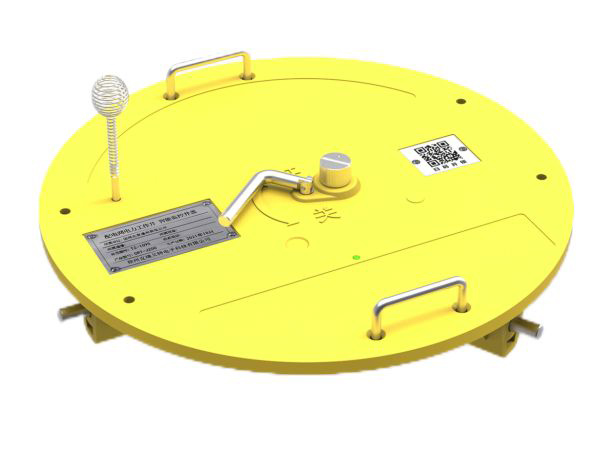 Intelligent Manhole Cover
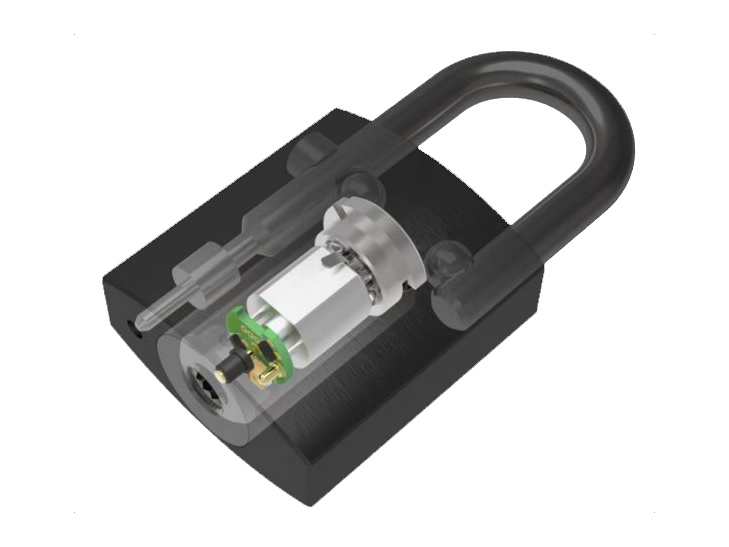 IoT Smart Locks
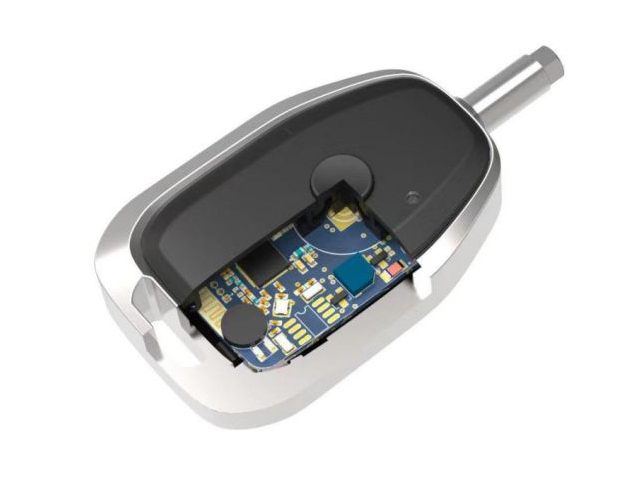 Electronic Keys
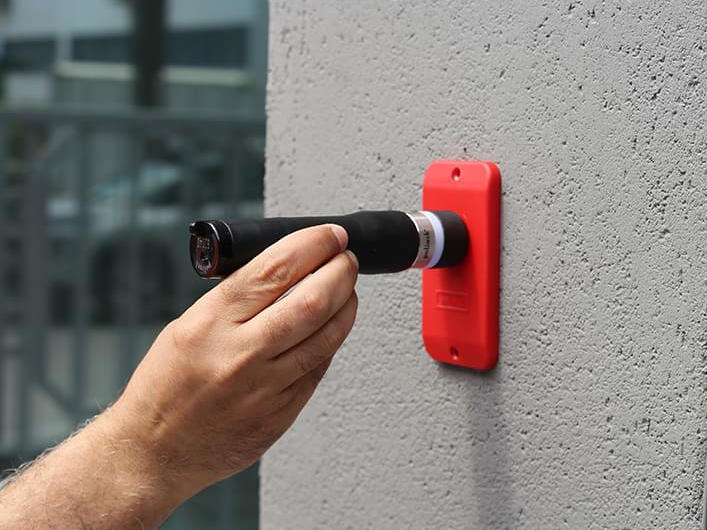 Guard Patrol
 Software


