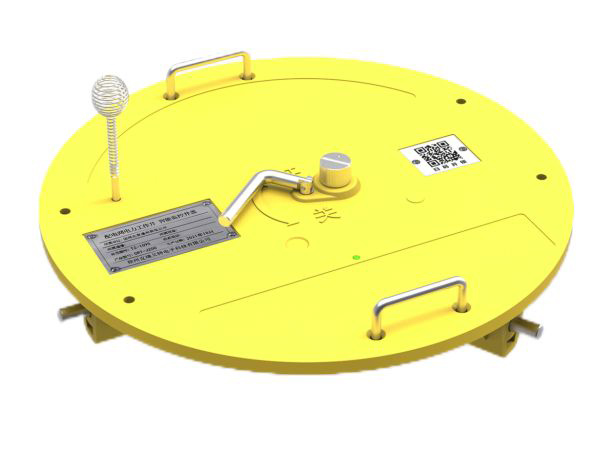
 Intelligent Manhole Cover
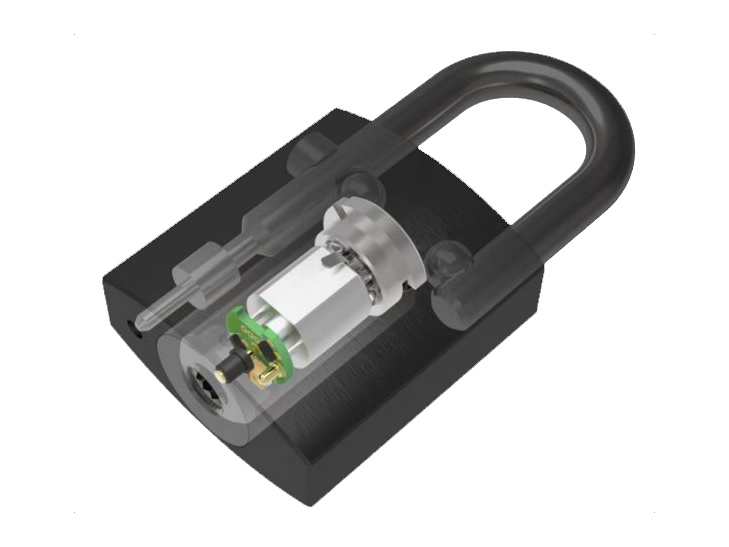 IoT Smart Locks
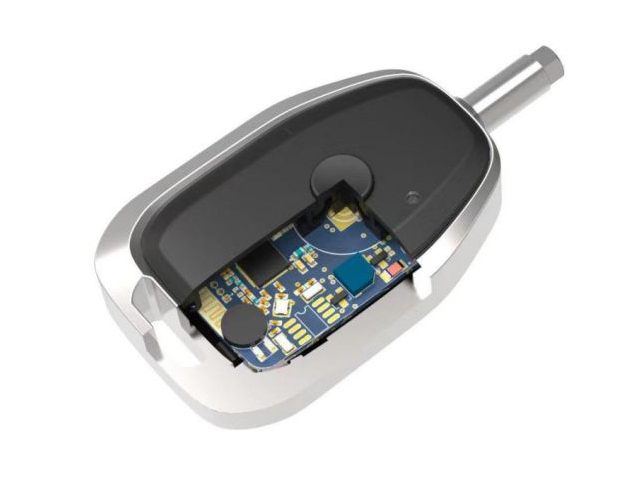 Electronic Keys
 Guard Patrol
 Software
Inquiry
Form loading...
2025 promises to witness better technological innovations in security devices across various industries that will open doors to exciting new possibilities addressing different needs of the moment. One among these technological advancements is the Smart Cam Lock For Cash Box, a culmination of a revolutionary development which would bring great promise to security and access management in sectors such as banking, logistics, and healthcare. As threats shake digital foundations and begin to consider secure transactions an ever-increasing number of businesses seeking to fortify cash assets in systems where no ordinary lock can offer the required protection.
Xuzhou CREATE Electronic Technology Co., Ltd. is in the middle of this revolution with the latest technologies to provide cutting-edge security solutions for various industries such as power and water utilities, telecommunications, and education. Creating that horizon of innovation assures the commitment to improve access management, such as the example of the Smart Cam Lock For Cash Box, and classifies the integration of modern technology toward solving ancient general security problems. This blog would try to highlight some trends driving the adoption of smart locks and the implications they hold for secure cash handling by 2025.

In the year 2025, the smart cam locks for cash boxes would change the face of security in multiple sectors, including public transportation. With new features being introduced, these locks enhance security and improve user experience. In this day and age with technology, biometric access and mobile application connectivity provide users with ways to secure their possessions with optimum convenience and peace of-mind. One of the major breakthroughs is the introduction of smart cam locks with real-time monitoring. Users can now have alerts sent straight to their mobile devices upon attempted unauthorized access to their cash boxes. This feature becomes highly useful in a public transport environment, where cash boxes become easy prey for thieves. The operators can remotely share or revoke access rights from afar without necessarily being present in person, reducing any security risks. Warranting of durability, enhanced features are designed to withstand various environmental conditions, thus making these locks fit for external usage. As smartly integrated with current transportation systems, these cash boxes can be monitored within a holistic network allowing operators to effectively know about their assets. With the smart lock technology continuing to grow, it can therefore be anticipated that efficiency and security will slightly take on better challenges together by 2025.

The Internet of Things- in short, the IoT- is indeed coming up to play a critical role in reshaping security systems with the smart technology advances, primarily related to the smart locking systems for cash boxes. Much the same as AI integration, IoT integration will bring massive intelligence, as well as flexibility, to the lock security measures. The use of connected devices enables the user to keep a constant observation over the assets and also allows that person to get real-time alerts and updates creating a more secured scheme. By 2025, while these machines will be much advanced, we expect them to also incorporate features such as machine learning and data analytics to predict and avert possible security breaches.
In addition, there will be a complete paradigm shift regarding the security of data in IoT systems when IoT will be combined with the block chain technology. Essentially, it turns out that block chains are using decentralized methods for associating transactions and identities and could thus play a vital role in enhancing IoT security. With this contribution, trust avail themselves to users and systems, thereby managing a lot of loopholes existing within the normal IoT framework. In addition, recent legislation and security frameworks are setting the foundation for a stronger IoT security environment that encourages the adoption of holistic security by various organizations as they adopt IoT solutions.
The growing numbers of connected devices in the home and workplace only highlight the desperate clamoring need for secure IoT implementations. Organizations are becoming more required to adopt procedures with high thresholds of effective security, such as device authentication and encryption, to make sensitive information inaccessible to any potential or emerging cyber threats. The future of security technologies will find us unlocking innovative ones, not only to add functionality but also to be able to secure our increasingly interconnected world.

The world of smart security technology is flying horses into new, hitherto unknown paragraphs, with notable advances in areas such as smart cam locks for cash boxes leading into 2025. These locks will become increasingly important parts of the security apparatus as everyday things become slicker and it'll surely hit us sometime within the near future. However, with interesting developments, the threats surrounding the use of these devices will also make fresh air. The new risks of hacking and other types of data breaches need sharp reflections on how new such innovative manufacturers can innovate while keeping themselves in line within the confines of law or regulations.
The upscale ringtone of the smart home market sounds the alarm bells for travel to these above-mentioned issues. The figures recorded in the adrfant market size in 2023, with further promising leaps to take in the upcoming years, indicate a substantial rise in consumer interests and investments in smart security solutions. And yet, alongside this sophistication of the market, comes an obligation for manufacturers to ensure that products go beyond convenience and automation into privacy and safety. Thereby freeing themselves from future accountability challenges, small organizations must be careful to achieve a balance in making high-end features available with compliance with regulations that act against potential vulnerabilities.
If prospective buyers will consider, by the year 2025, smarter and safer locks, the decision will depend not only on functionality but also on their stellar reputations for reliability and commitment to compliance. With privacy and data security becoming a major concern for end-users, stakeholders in the smart lock industry have to be on high alert in their efforts to devise solutions that would win the trust and confidence of consumers who want to protect their homes effectively.

As we head into an increasingly modern world, user access and convenience in security systems have grown so much demand that it competes more with professional services. It is smart cam locks for cash boxes that promise a paradigm shift in security, not just in securing valuables but also in accessing them. The future of cash box security has a lot to do with making things user-friendly for many different faces without compromising security for accessibility.
Integration of biometric features like fingerprint recognition and facial scanning is expected to allow convenience to users. This will open up a number of advantages where visitors are not expected to provide security, unlike traditional locks. Users will have immediate access without the stress of codes or carrying any keys in a pocket. The emphasis will be to ensure that they will remove barriers to access but ensure maximum security.
In addition, smart cam locks can be integrated into mobile applications, which allows users to monitor their cash boxes in real time. Alerts and notifications will be sent directly to users' smartphones if any suspicious activity is detected. When centering around the user experience in design and functionality, cash box security can, therefore, promise a future where it is easy and accessible for security to be effective and efficacious for all.
The technology integration into security solutions' everyday environment is a mixed bag of opportunities and challenges as we start marching toward 2025. Smart cam locks, with all the unprecedented conveniences they bring, have found great appeal in safeguarding cash boxes and other valuables. With the positive side come significant privacy issues that the users must contend with. As these locks become interconnected, the magnitude of unauthorized access to personal information increases, calling for adequate measures to ensure sensitive data.
Because, quite frankly, one of the very issues with smart cam locks resides among their vulnerable connections. Most models rely on Wi-Fi and Bluetooth connectivity, which can endanger them if hacked. People usually overlook firmware updates and weak passwords; hence, attackers find easy prey in their hands. Today, convenience often overshadows the most important considerations concerning strong security practices when one is dealing with sensitive financial information. As manufacturers make innovations, these innovations must work with end-to-end encryption and strong authentication for devices, giving priority to user privacy.
The evolution of the data privacy regulation is also going to happen as smart cam locks are deployed by more consumers and entrepreneurs. Expect news pertaining to restrictive laws and guidelines aimed at the protection of consumers from data breaches, encryption incidents, and unauthorized surveillance. The manufacturers should comply with the regulations but also educate the users about the manner in which their data is being collected, stored, and used. The path that lies ahead for the smart cam locks will be chartered by convenience, security, and the trust continuously built by users and manufacturers, ultimately highlighting the focal need for personal data protection in an increasingly connected world.
The emergence of intelligent cam locks for cash boxes promises to redefine security trends heading into 2025 with evolution, more aligned to artificial intelligence (AI) and machine learning-connected states. The two technologies are not only enhancing security features but are changing mindsets about access control and theft prevention. As smart home environments proliferate, awareness of security loopholes of present locks, such as lock picking and misplacing keys, would be adopted by end users.
The new advancement under the Huawei Smart Door Lock 2 series profile represents an innovative proactive approach to security addressing four safety aspects. The latest innovations represent the capacity of AI algorithms driven by functional learning from habits that turn towards shortening lock access time and improving security. For example, machine learning could predict attempted intrusions based on aberrant access patterns, warn users in real time, thereby creating an intelligent and more responsive security ambiance.
Further, the increasing demand from consumers for more home security will give way for businesses to incorporate AI and machine learning within smart cam locks. The options available with their capabilities to process complete data will facilitate stronger encryption techniques and adaptive security features not just physically intruding cash boxes but will also have them protected from digital threats. This is that, for example, an intelligent data-driven smart systems security home exemplifies tomorrow's home safety as peace of mind techno-comforted.
With rising demand for advanced security solutions, biometric technologies are set to overhaul the smart lock system landscape by 2025. Research and Markets estimates that from 2020 to 2025, the biometric authentication market's growth rate will be 16.3%. This significant increase is being largely caused by enhanced security requirements within sensitive areas such as cash box security and high-value storage.
Fingerprint recognition, facial recognition, and iris scanning have all witnessed a huge improvement over traditional systems of locking and unlocking-namely key or password systems. Notably, their advantage in unique identification has greatly reduced the chances of unauthorized access. As a matter of course, it was noted recently by MarketsandMarkets that companies using biometric security have reported a 40% decrease in theft and unauthorized entry over traditional lock systems.
IoT integration further yields smarter and increasingly efficient security systems thanks to their biometric features. By the year 2025, it is projected that over 50% of all smart locks will possess biometric features-and connectivity options for real-time monitoring and alerts. And this blend of advanced technologies is only strengthening security while adding to user convenience, as users can thus easily access their cash boxes through their unique biometric traits, making theft harder.
The future of smart security devices being developed will always depend on the regulatory standards that govern them and enforce compliance. With the emergence of smart cam locks for more applications, especially cash box locking, manufacturers must ensure compliance with safety laws. The approval of the Australian Electrical Equipment Safety System (EESS) compliance framework is one in which the safety of our electrical devices, from conception and manufacture all the way to installation and use, is guaranteed.
Simultaneously, the rise of generative AI is changing the way other organizations will engage with technology and introduces a massive need for regulations to mitigate potential risks. Companies using AI innovations to develop security solutions must engage in a complex interplay of compliance considerations that assure safety and ethical standards. Notably, the European Union's newly created Cyber Resilience Act establishes strong guidelines for the software and hardware security of devices that affect international markets, pointing to the need for a strategic shift in compliance practices.
The evolution of regulatory requirements is further ongoing, with TÜV releasing its new guidelines, and this highlights the urgency of embedding security features within the wireless device. As smart cam locks become integrated as part of security infrastructures, strong regulatory standards must become an issue of great importance. This commitment is required to protect sensitive information and ensure that smart security devices do what they say in the changes of tomorrow's technology landscape.
The main innovations include real-time monitoring capabilities, biometric access, mobile app connectivity, and enhanced durability for outdoor use.
Real-time monitoring allows users to receive instant alerts on their mobile devices if unauthorized access attempts to their cash boxes occur.
Operators can grant or revoke access to cash boxes without needing to be physically present, which helps mitigate potential security risks.
Manufacturers should focus on risks such as hacking and data breaches while ensuring compliance with legal and regulatory requirements.
User accessibility is crucial to ensure that diverse individuals can effectively use the security systems without compromising security.
Biometric features like fingerprint recognition and facial scanning streamline access, allowing instant entry without the need for complex codes or physical keys.
Mobile applications connect with smart cam locks to empower users with real-time monitoring and notifications regarding unauthorized access attempts.
By 2025, smart lock technology is expected to see increased efficiency and security, offering safer and smarter travel options.
Consumers should consider manufacturers' reputations for reliability, commitment to compliance, and the balance between convenience and security features.
Companies can build consumer trust by prioritizing user privacy and security, while innovating to meet consumer demand for smart security solutions.


