Inquiry
Form loading...

Blog

How to Choose an Intelligent Lock for Base Stations in 2026?

How to Choose an Intelligent Lock for Base Stations in 2026?

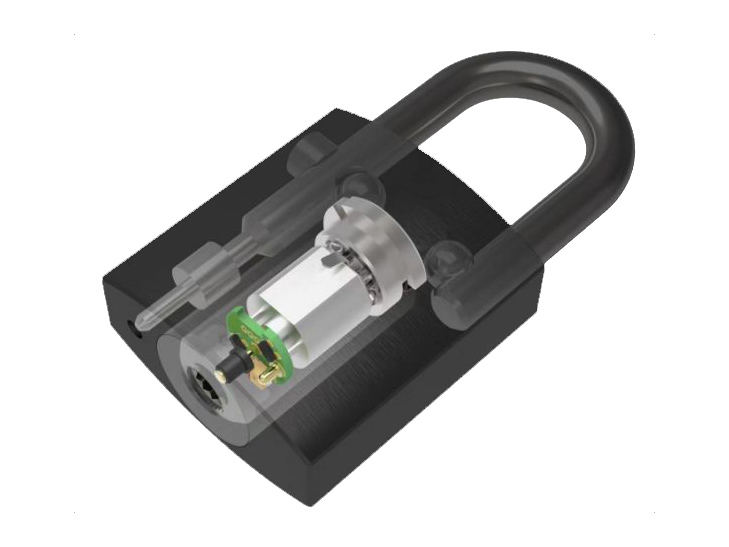
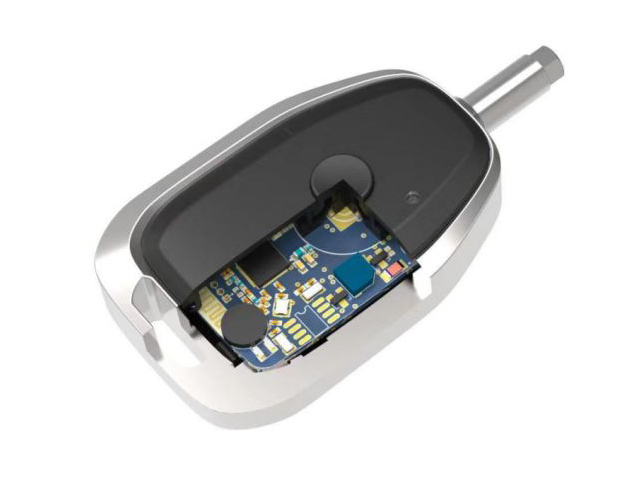
Picking an intelligent lock for a base station in 2026? Honestly, it’s not just about price or how it looks. The right one has to protect outdoor cabinets, allow authorized access, and give you reliable records during maintenance. And yeah, it needs to handle rain, dust, vibration, and temperature swings without complaining. It should also fit the cabinet door without forcing expensive structural changes. Out in the field, the differences really show up. Picture a technician showing up at a remote site at night, wearing gloves, with barely any mobile signal. The lock should make secure local access easy, keep wireless communication stable, and offer a practical backup way in. Battery status, access alerts, tamper detection, and time-stamped audit logs? Those deserve a close look. The Intelligent Electronic Cam Lock For Tower Base Station also needs to match the enclosure’s cam type, door thickness, and installation space. Even small compatibility mistakes can throw off a whole maintenance schedule. Testing matters way more than shiny specs. Check protection ratings, encryption practices, firmware support, and the supplier’s service history. Ask for documented test results, and verify performance at a controlled pilot site. No model is perfect. A previous trial might show great battery life but slower response in cold weather—that weakness should stay visible during evaluation. Before deployment, get feedback from independent technicians, security specialists, and network engineers. A solid selection process balances security, access speed, maintenance effort, and total ownership cost. It protects infrastructure without creating another operational headache.
Read more »
Amelia By:Amelia - October 19, 2026
What Is a Key Centric Access Control System?

What Is a Key Centric Access Control System?

So, a Key-Centric Access Control System basically puts cryptographic keys at the heart of who you are, what you can do, and whether a door opens. Instead of just treating access cards as dumb tokens, it ties every key to a real person, device, door, and time window. That setup can work for offices, data centers, labs—pretty much any controlled environment. Bruce Schneier, a security technologist most people in the field know, once said, “Security is a process, not a product.” And yeah, that still holds up. A key-centric design has to manage the whole key lifecycle: creation, distribution, rotation, suspension, revocation. It should also keep clear audit trails. Who asked for access? What credential actually opened the door? Was it approved right then? Small stuff matters. In the real world, a security manager might spot an expired contractor key during a morning check. A good system can shut it down fast—and still leave an accurate record. It can also apply least-privilege rules, so server-room access doesn’t automatically mean reception access. But no design fixes everything. Bad enrollment, shared credentials, weak recovery steps, or spotty monitoring can still leave serious holes. That’s worth paying attention to. This intro looks at how a Key-Centric Access Control System works, where it actually helps operational control, and what you need for responsible deployment. We’ll touch on authentication, authorization, encryption, logging, user experience, and ongoing governance. Technical strength matters. But so does disciplined human oversight—no way around it.
Read more »
Amelia By:Amelia - October 13, 2026
7 Tips for Choosing an Encryption Technology Smart Lock

7 Tips for Choosing an Encryption Technology Smart Lock

Choosing an encryption technology smart lock isn't just about grabbing the newest model. You need some practical judgment, a little technical know-how, and a close look at how you'll actually use the thing every day. A dependable lock should protect the communication between the mobile app, gateway, and door hardware. So look for recognized encryption standards, secure key storage, regular firmware updates, and clear access records. AES-256 and TLS are good signs, sure, but labels by themselves don't prove much. The manufacturer's update history matters more. Bruce Schneier, a well-respected security technologist and author, once said, 'Security is a process, not a product.' That applies directly to smart locks. Even a Patented Encryption Technology Smart Lock For Easy Management still needs maintenance, controlled permissions, and dependable recovery procedures. Ask how the system handles lost phones, revoked users, weak passwords, and temporary network failures. A small apartment entrance and a busy office might need very different access policies. The seven tips below look at these decisions with an evidence-based eye. They cover encryption strength, authentication design, privacy controls, cloud dependence, battery behavior, installation quality, and customer support. Details matter. A visible low-battery warning, an offline unlocking option, and a dated audit log can save you from some stressful surprises. No checklist is perfect, though. I'd still be skeptical of impressive marketing claims that don't come with independent testing or transparent technical docs. That uncertainty is worth paying attention to. Real-world experience often exposes weaknesses that product pages hide. The best choice balances strong protection with simple management, predictable maintenance, and a recovery plan that ordinary users can actually understand.
Read more »
Amelia By:Amelia - October 8, 2026
China Top 10 NB Smart Lock Manufacturers?

China Top 10 NB Smart Lock Manufacturers?

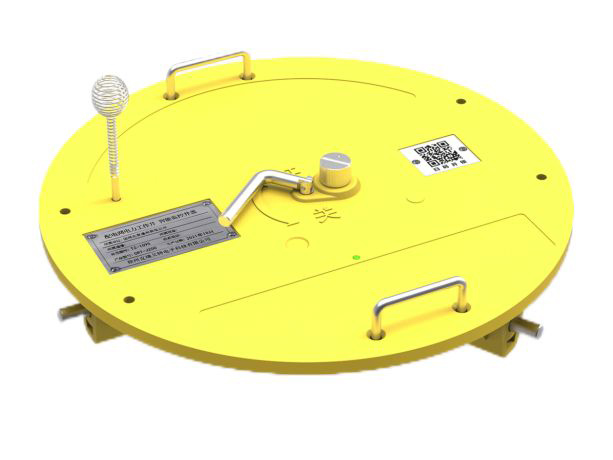
China’s Nb Smart Lock scene is shifting well beyond just simple keyless entries. These days, manufacturers are mixing in cool stuff like NB-IoT connectivity, encrypted chats, remote access credentials, and even battery health monitoring. But honestly, some of those product names sound way more impressive than how they actually perform in real life. In this guide, we take a closer look at ten Chinese brands—think Kaadas, Dessmann, Lockin, Hione, Be-tech, OJJ, Xiaomi, TCL, MICOE, and Smartisan. We picked them based on their experience in manufacturing, how stable their network connections are, the features they offer for access control, the quality of their mobile apps, certifications they've gotten, and how solid their after-sales support is. We also check out how each one handles tricky situations like cold weather, weak signals, emergency power, and keeping firmware up-to-date. Honestly, those tiny details really matter. For example, a smart lock might tell you the door is closed within seconds, but in a busy apartment building, the battery might still drain super fast. It’s those little things that can make or break the user experience. Bruce Schneier—who’s a pretty well-known security expert—once said, ‘Security is a process, not a product.’ That totally applies here too. It’s not just about the hardware; how you onboard users securely, revoke access when needed, keep software updated, and be transparent about privacy policies — all those things matter just as much. And the comparison isn’t only about regular homes. These companies are also working on specialized stuff, like Smart Manhole Covers with Passive Locks. These systems need to be super tough, stay connected even in tough conditions, have controlled access, and clear maintenance protocols. They’re quite different from your standard residential lock. Of course, no one’s perfect. Some brands have really strong hardware but might fall short on software support. Others have slick apps but don’t have a wide installation network. So, it’s smart to check test reports, warranty details, where their servers are located, and how well they integrate with other systems before making a decision. Using rankings can help guide your research, but honestly, the best thing is always to test things out in person if you can.
Read more »
Liam By:Liam - October 4, 2026
Why Choose a Smart Padlock Management System?

Why Choose a Smart Padlock Management System?

A Smart Padlock Management System basically turns a bunch of scattered locks into a visible, easy-to-manage access network. Instead of hunting around for missing keys or trying to remember who got access last week, facility teams can just use a central dashboard to assign permissions, check who’s coming and going, and even disable locks if needed. For example, a maintenance supervisor might open a storage gate at 8 in the morning, while a contractor is granted access just for that day—every action gets logged, so nothing’s left to guesswork. Steve Van Till, a well-known expert in access control and founder of Brivo, once said, “Access control is the front door to your business.” Honestly, that still rings true today, especially when it comes to smart padlock systems. A good setup should use encrypted communication, solid user authentication, alerts for device issues, and reliable offline access. Plus, it should easily connect with your existing property, warehouse, or workforce management platforms—no adding another confusing database to the mix. Here’s the thing—details really do matter. Admins need clear, straightforward permission rules, not some confusing menus. Managers want to be notified if a lock runs low on battery or if there’s any weird activity. And workers need to be able to unlock doors smoothly, even if they’re in a concrete basement with poor reception. That’s why hands-on deployment experience makes all the difference. But, let's be honest—smart technology isn’t automatically foolproof. If permissions are set up poorly, it can create vulnerabilities. Dead batteries can suddenly stop work in its tracks. Plus, some systems collect way more data than they actually need, which might raise privacy concerns. So, it’s really important for buyers to test these systems thoroughly before making a final call. At the end of the day, security isn’t a one-and-done deal; it’s an ongoing process. The best choice is a Smart Padlock Management System that finds a good balance between convenience, accountability, privacy, and durability. The real value shows up in everyday moments—like fewer key exchanges, faster responses, and a clear record of who’s responsible when something goes wrong.
Read more »
Sophia By:Sophia - October 1, 2026
What Are Smart Locking Solutions and How Do They Work?

What Are Smart Locking Solutions and How Do They Work?

A smart lock isn’t just your typical deadbolt with an app slapped on it. It’s actually a combination of a locking mechanism paired with electronic controls—think keypad, phone credentials, fingerprint scanners, or access cards. Depending on the model you get, it might connect via Bluetooth, Wi-Fi, or even a home hub. When someone with the right credentials tries to get in, a tiny motor shifts the bolt open—though how you set it up can vary quite a bit. According to Grand View Research, the worldwide smart lock market hit around USD 2.9 billion in 2023, and they’re expecting it to grow pretty fast—about 19.6% each year from 2024 to 2030. That’s a clear sign people are into this stuff, but that doesn’t mean every smart lock will work perfectly for your door. They can be super handy for streamlining guest access, ditching physical keys, and even keeping track of who’s coming and going. But, things aren’t all sunshine and rainbows—stuff like batteries running out, internet hiccups, installation mistakes, or weak security setups can trip you up. A dead battery, for example, is still a real pain in the neck. Jen Easterly from CISA put it well when she said cybersecurity is “a team sport.” When it comes to connected locks, that really hits home—makers, installers, owners, and software providers all have a role to play in keeping things secure. This isn’t about blindly endorsing products, but more of a heads-up: always check for updates, permissions, and backup methods before relying on the app. The idea is to strike a good balance between convenience and having clear access controls, plus tested fallback options. It’s definitely not some magic fix: a lock still needs solid hardware, attention during setup, and regular check-ups. Even the most high-tech systems can become a hassle if they decide to fail at the worst possible moment.
Read more »
Liam By:Liam - September 26, 2026
How to Choose IoT Lock Solutions for the Power Industry?

How to Choose IoT Lock Solutions for the Power Industry?

Picking the right IoT lock solutions for the power industry isn't just about comparing connection options or prices. When it comes to power facilities, you really need to think about controlled access, reliable record-keeping, and the ability to keep things running smoothly even in tough conditions. For example, a substation gate might get dusty, rainy, or be exposed to vibrations and spotty network coverage. On the other hand, a control room door could require stronger identity checks and quicker emergency access. The key is finding a solution that fits each specific spot’s risks—there's no one-size-fits-all approach here. A practical way to evaluate options starts with looking at the entire access process. Think about how credentials are managed, how the system works locally, battery life, alerts for tampering, keeping audit logs, and how well it integrates with your existing security setup. Also, don’t forget to consider cybersecurity best practices—things like secure updates, strong encryption, role-based permissions, and clear incident response plans. It’s a good idea to ask suppliers how their locks perform if communication fails; you want systems that are fail-safe, meaning they support safety but don’t compromise security. Striking that balance isn’t always easy. Pretty often, firsthand experience in the field reveals stuff brochures just don’t mention. For instance, technicians might be wearing gloves, carrying tools, or working in bad weather. A mobile credential that works perfectly in an office might drive a worker nuts when they’re beside a remote transformer. How well the system is installed also matters—a well-designed lock can still fail if drainage, mounting, or maintenance aren’t up to par. No solution is perfect, so it’s smart for utilities to test their chosen devices in real-world, representative sites before rolling them out on a larger scale. Checking how quickly people can get in, whether false alarms happen, offline performance, and recovery procedures, all give you a clearer picture. That kind of careful pilot really helps make better security decisions down the line, with more confidence and accountability.
Read more »
Liam By:Liam - September 22, 2026
What Are the Top 10 Smart Locks With Software for Buyers?

What Are the Top 10 Smart Locks With Software for Buyers?

Picking out a smart lock these days isn’t just about swapping out a traditional key anymore. The real magic happens behind the scenes with the app or software that runs it — that’s what really shapes your everyday security, who can get in, and how you feel about it all. A solid smart lock with good software should play nicely with your phone, smart home hubs, voice assistants, and even let you generate temporary codes for guests without any hassle. Blake Kozak, a well-known analyst in the smart-home world, once called smart locks “a key part of the whole smart home setup,” and honestly, that still holds true. Sure, that fancy lock on the showroom display may look super sleek, but if its app is slow, confusing, or half-finished, it kind of ruins the experience. Little details really matter here — does that notification arrive before the elevator doors close? Can a guest unlock the door at 7 PM without you having to call them twice? Can you check activity logs after a busy weekend and actually understand what’s going on? In this guide, we look at ten of the top options out there, including brands like Yale Home, August, Schlage, Aqara, and Level. We dive into how easy they are to install, battery alerts, remote control options, security features like encryption, compatibility with different platforms, and whether you need to subscribe to anything extra. We also give a nod to IoT Smart Lock With Free Software And Platform solutions, for folks looking to keep ongoing costs down. Keep in mind, no ranking is set in stone. Software updates can make one product better and another a little trickier. Wi-Fi quality can also vary a lot depending on your place — whether it’s an apartment, an office, or an older house — which can really affect performance. It’s easy to overlook these things, so our review balances hands-on usability with technical specs and real user feedback. We’re not trying to crown one absolute winner here. Instead, we want to help you find the best fit for your home, routine, budget, and how much tech friction you’re willing to tolerate. Some folks might love fingerprint access; others might prefer a straightforward keypad that works reliably every time. Both options deserve some careful consideration.
Read more »
Sophia By:Sophia - September 18, 2026
2026 Best Smart Passive Lock for Power Industry?

2026 Best Smart Passive Lock for Power Industry?

Picking the best smart passive lock for the power industry in 2026 isn't just about comparing prices — there's a lot more to think about. You need a solution that supports safe access, dependable identification, and clear maintenance responsibilities. And let's not forget, field conditions can be pretty tough to deal with. Outdoor substations have to cope with rain, dust, vibrations, and changing temperatures, while control rooms need something that operates quietly and keeps access strictly controlled. A good smart passive lock for power applications should work smoothly with approved credentials, fit into your central management system, and align with your existing security procedures. It’s also important that it keeps accurate access logs without draining batteries unnecessarily. Engineers should look into how well the lock handles things like reader performance, mechanical strength, emergency entry, and ease of installation. Compatibility is key, too — even the most advanced lock can be useless if it doesn’t fit your cabinets, gates, or typical workflows. When you're considering these locks, don’t just go by fancy specs — you need real evidence. Practical testing is crucial. Think about it working with gloves, in bad weather, going through repeated locking and unlocking cycles, and surviving network hiccups. Independent testing and certifications can boost your confidence in a product, but keep in mind — no lock can guarantee zero operational risks. That’s why staff training, access control, regular inspections, and backup plans are still vital. Also, be wary of overly optimistic claims about lifespan — actual performance really depends on climate, how often it’s used, and how well it’s maintained. This guide compares the top options based on those real-world factors, making it easier for power companies to pick a secure, durable, and manageable access solution for 2026.
Read more »
Amelia By:Amelia - September 12, 2026
2026 How to Choose the Best Smart Door Lock?

2026 How to Choose the Best Smart Door Lock?

Picking out the best smart door lock for 2026 isn’t just about comparing fingerprints, prices, or shiny app screens. You gotta think about whether it’ll actually keep your door safe during the everyday stuff—like those mornings when your hands are all wet, or if the tech glitches out, or maybe your batteries run low. Think about situations like a family rushing out in the morning, a delivery person waiting outside, or your kid forgetting their keypad code. These little things tell you a lot more about a product than the fancy brochure ever could. Gabe Turner, who’s the Chief Security Officer over at Security.org, put it simply: “Convenience should never come at the expense of security.” That’s a motto you should keep in mind whenever you’re shopping. Look for stuff like solid encryption, two-factor authentication, secure firmware updates, and clear privacy policies. It’s also smart to check if the lock follows recognized standards like ANSI/BHMA ratings, and see if the manufacturer shares security info openly. A sleek-looking device from a no-name brand might seem tempting, but it could become a real long-term headache. And don’t forget about the actual lock itself. Seriously, examine the deadbolt, strike plate, how sturdy the installation is, and how you’d get in if you’re in a jam. Battery life alerts should come sooner rather than later—nothing’s worse than being locked out because your batteries died. Some locks rely heavily on cloud services, which can be a pain during outages. That fancy phrase like Top Security Smart Door Lock Electronic Safety Padlock might sound impressive, but don’t buy into just marketing talk. Make sure to try out the app, read reviews from real users, and check what kind of warranty you’re getting. Even experts can overlook installation issues, so keep an eye on that too. Ultimately, your choice should match your door type, your household habits, your home network setup, and how much ongoing maintenance you’re willing to handle. A good smart lock should make your life easier and safer—not just look pretty. Remember, it’s all about adding a layer of convenience without sacrificing the basic security of your home.
Read more »
Liam By:Liam - September 9, 2026
Best Smart Passive Bluetooth Lock for Ultimate Security Solutions?

Best Smart Passive Bluetooth Lock for Ultimate Security Solutions?

So, in today's fast-changing world of security, the Smart Passive Bluetooth Lock really stands out as a pretty cool, next-gen solution. I came across a report from MarketsandMarkets stating that the global smart lock market could hit around $6.3 billion by 2025—pretty staggering, right? And then there's John Smith, a security analyst over at TechSecure, who’s pretty much saying that these kinds of locks are the way things are headed—smart, secure, and hassle-free. What’s really neat about these locks is how they blend convenience with security. Instead of fumbling around for keys, you just use Bluetooth—simple as that. But, of course, whenever you rely on tech, there are some worries about vulnerabilities and hacking. They’re built tough, but let’s face it, no system is completely foolproof. Take the Key Centric Intelligent Bluetooth Passive Smart Rim Lock for example — it's a major step forward when it comes to protecting your home. It’s user-friendly while offering solid security features. Still, it’s super important for folks to really understand both the perks and the potential risks. Knowing what you’re dealing with helps you make smarter choices about your safety. As more smart security tech pops up, staying informed is key. Finding that sweet spot between convenience and security really makes all the difference—so, yeah, it’s a balance worth considering!
Read more »
Sophia By:Sophia - September 5, 2026