As smart home tech keeps evolving at a quick pace, it’s more important than ever to have a solid Access Control Smart Lock System in place. Experts keep stressing how crucial security and convenience are becoming in this new landscape. I mean, John Smith, who’s a security tech guy at SecureTech Innovations, put it pretty well when he said, "The right access control system isn’t just a nice-to-have; it’s basically a must-have these days." His words really highlight how urgent it is to start thinking about upgrading to smarter security setups around our homes and businesses.
Now, with cool solutions like the Smart Access Control Lock System For Electric Control Box, folks are given options that strike a balance between being super functional and easy to use. These systems play nicely with other smart gadgets, which makes the whole experience smoother and more convenient. But, honestly, not all products out there are created equal. It can be pretty tricky to find the right fit—something that truly meets your security needs without a bunch of hassle.
Looking ahead to the top access control systems for 2026, it’s really important to keep reliability in mind, along with what users are saying. Some products out there have their limitations, and with tech constantly changing, it’s wise to keep reassessing your options. Remember, picking a system isn’t just a one-and-done deal; it’s about trusting that what you choose will serve you well in the long run, especially with how fast this tech world moves.

Overview of Smart Lock Systems in 2026
Smart lock systems have evolved significantly in 2026, becoming more integral to home security. The global shift towards smart technology emphasizes convenience and safety. A report by ResearchAndMarkets indicates the market for smart locks is expected to grow at a compound annual growth rate of 15% from 2023 to 2028. This surge arises primarily from increased consumer demand for enhanced access control systems.
In terms of technology, biometric features, such as fingerprint and facial recognition, are becoming prevalent. A study from Technavio highlights that over 30% of consumers prioritize these features for high security. However, while these locks offer remarkable security improvements, they also introduce new concerns. Cybersecurity risks associated with smart locks remain a significant challenge. Vulnerabilities in software can lead to unauthorized access, underscoring that convenience should not trump security.
As access control systems continue to advance, buyers must weigh the benefits against potential risks. A robust Access Control System High Security Lock System is necessary to ensure maximum safety. However, the reliance on technology may overlook traditional security measures. Digital locks can fail due to power outages or technical glitches, leaving a gap in security. Hence, a balanced approach combining smart technology with traditional methods might be ideal for comprehensive protection.
Key Features to Look for in Access Control Smart Locks
In the evolving landscape of home security, the access control smart lock system stands out as vital. With nearly 30% of all burglaries occurring through unlocked doors, investing in a robust locking mechanism is crucial. A good smart lock should not only provide a sturdy physical barrier but also incorporate advanced features. Commonly sought-after attributes include biometric access, remote locking and unlocking, and integration with smart home systems.
Biometric features like fingerprint recognition offer enhanced security. Studies reveal that nearly 60% of security breaches happen due to lost or stolen keys. By utilizing biometric access, homeowners can significantly reduce this risk. Remote features allow users to manage their locks from anywhere, offering convenience and peace of mind. Integration with home automation systems is another critical factor; this functionality enables seamless interaction with other security devices.
However, potential weaknesses exist. Privacy concerns regarding data storage and security protocols warrant attention. Some smart locks require a stable internet connection, which might pose challenges during outages. Reports suggest that around 20% of users experience difficulties with device connectivity. It's important for buyers to consider these aspects carefully, ensuring they choose a product that balances innovative features with reliable performance.
Top Brands Offering Smart Lock Solutions for Global Markets
The demand for smart lock solutions has surged globally. Consumers seek advanced access control systems that enhance security and convenience. Various brands are adapting to market needs, offering innovative features in their smart locks.
These brands focus on user-friendly designs. They integrate biometric recognition, remote access, and app control. Many locks operate via Wi-Fi or Bluetooth, making them accessible at any time. Some products allow temporary access for guests, which is particularly useful for short-term rentals. However, the reliability of these systems can vary. Users need to consider the potential for technical glitches.
Security is a top concern for buyers. Many brands emphasize encryption and user data protection. Yet, not all smart locks are created equal. There are reports of vulnerabilities in some systems. Consumers should investigate thoroughly and read user reviews. While smart locks offer many benefits, they also require careful consideration of their limitations.
Comparative Analysis of Smart Lock Security Technologies
The evolution of smart lock security technologies has gained significant attention. With advancements in encryption and access protocols, these systems have become more reliable. However, not all smart locks employ robust security measures. Some models fall short, leaving users vulnerable to breaches.
Different technologies underpin smart locks today. Biometric systems, for instance, use fingerprint recognition for enhanced security. Yet, they may suffer from false rejections. Meanwhile, Bluetooth-enabled locks provide convenience but can be susceptible to hacking. Users must weigh usability against the threat of unauthorized access.
Physical security also matters. Deadbolts combined with smart technology add a layer of protection. This combination can reassure homeowners, but can lead to over-reliance on technology for security. Frequent updates are crucial to patch vulnerabilities. Awareness of potential flaws and ongoing threats is essential for buyers. Insightful choices can offer much-needed peace of mind.
User Experience: Installation and Management of Smart Locks
Installing an access control smart lock system can seem daunting. However, a step-by-step approach simplifies the process. Most systems come with clear instructions. You’ll need basic tools, but often no professional help is necessary. Yet, many users run into issues. Misalignment with door frames can cause frustration. It’s a common mistake to overlook precise measurements during installation.
Managing your smart lock is another area where users must tread carefully. The user interface should be intuitive. However, some systems have complicated apps that hinder usability. A frequent complaint involves connectivity issues with smartphones. This can lead to delays in access. Regular firmware updates can mitigate these problems. Still, not all users realize the importance of this maintenance.
User experiences vary greatly. Some enjoy seamless integration with their home automation. Others, however, encounter bugs that compromise security. It’s crucial to choose an Access Control Smart Lock With Lock System that balances functionality and reliability. The setup should offer flexibility, such as remote access. Yet, the initial setup and ongoing management can be frustrating for some. Feedback from users often highlights areas needing improvement.
Cost Considerations for Global Buyers of Smart Lock Systems
When considering an Access Control System Smart Passive Lock for global markets, cost is a significant factor. The initial investment is vital. Quality often comes at a price. A cheaper system may reduce upfront costs, but potential hidden expenses can emerge. These may include installation, maintenance, and compatibility issues. Buyers need to assess long-term vs. short-term savings.
Additionally, geographical location impacts costs. Import duties and taxes can rise sharply. Currency fluctuations may also affect pricing. These can create unpredictability for budget-conscious buyers. Furthermore, you might need to consider the technology used in the systems. Some models offer advanced features, but their pricing can vary widely.
Technical support is another area of concern. A reliable support system adds value to the purchase. It’s crucial for users to have access to help during installation and troubleshooting. Balancing cost with quality can be challenging. Global buyers should prioritize features that meet their specific needs. Investing time in research may prevent future regrets.
2026 Best Access Control Smart Lock System for Global Buyers
| Feature |
Description |
Average Cost (USD) |
Installation Time (Hours) |
Battery Life (Months) |
| Keyless Entry |
Allows users to unlock via smartphone or code |
150 |
2 |
12 |
| Remote Access |
Control the lock from anywhere |
200 |
2.5 |
10 |
| Auto-Lock Feature |
Automatically locks after a set time |
120 |
1.5 |
15 |
| Fingerprint Scanner |
Unlock using registered fingerprints |
250 |
3 |
18 |
| Emergency Backup Key |
Provides a physical key for emergencies |
80 |
1 |
N/A |
Future Trends in Access Control Smart Lock Systems
As we look towards 2026, the evolution of access control smart lock systems becomes increasingly fascinating. These systems are shifting towards greater integration with home automation technology. Users expect seamless experiences that connect locks to various smart devices. The growing demand for convenience drives the development of user-friendly interfaces.
Security remains a top priority. As criminal tactics evolve, manufacturers must respond with innovative features. Multifactor authentication and biometric scanning are on the rise. These technologies enhance the reliability of the Electronic Access Control Smart Lock System For Security. However, there are concerns about data privacy. Users often worry about how their information is stored and protected.
The move towards sustainable materials is also noteworthy. Smart lock systems are beginning to incorporate eco-friendly components. This trend reflects consumer awareness of environmental impacts. While advancements are exciting, they require thoughtful implementation. Balancing innovation with security and sustainability is a significant challenge.
FAQS
: Smart lock systems enhance home security using technology. They offer features like biometric access and remote locking.
Increased consumer demand for improved security drives their popularity. Smart technology emphasizes both convenience and safety.
Common features include fingerprint and facial recognition. These add extra layers of security for homeowners.
Yes, cybersecurity risks exist. Vulnerabilities in software can lead to unauthorized access.
Yes, a balance of smart and traditional security methods is recommended. Reliance solely on technology may overlook crucial protection.
Smart locks can fail during power outages or due to technical glitches. This can create security gaps.
Consumers should consider biometric access, remote management, and integration with home systems. Performance reliability is equally important.
Yes, privacy issues around data storage must be considered. Ensuring secure protocols is vital for user safety.
Remote features allow users to control locks from anywhere. This offers added convenience and peace of mind.
Approximately 60% of security breaches happen because of lost or stolen keys. Biometric access can help reduce this risk.
Conclusion
In 2026, the landscape of Access Control Smart Lock Systems is evolving with advanced technologies that enhance security and convenience for global buyers. Key features such as remote monitoring, smartphone integration, and biometric recognition are becoming essential for users seeking reliable locking solutions. The article also emphasizes the importance of user-friendly installation and management, making these systems more accessible to a wider audience.
As buyers consider cost factors, understanding the comparative analysis of various security technologies is crucial to making informed decisions. Future trends indicate a shift toward more integrated and automated solutions, promising increased efficiency and security for residential and commercial applications. Overall, the Access Control Smart Lock System stands out as a vital component in modern security architecture, adapting to the needs of consumers worldwide.
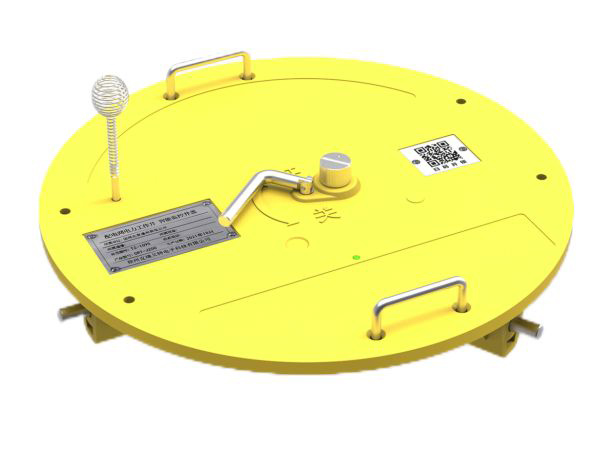 Intelligent Manhole Cover
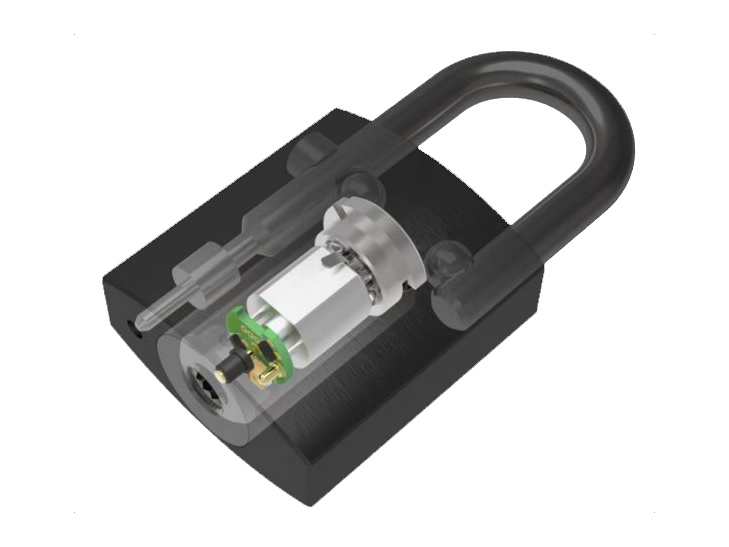 IoT Smart Locks
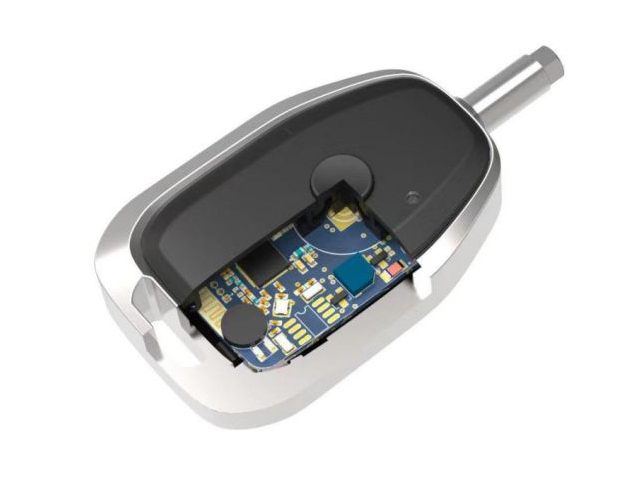 Electronic Keys
 Software


