In today’s world, security really matters. People are always on the lookout for dependable ways to keep their property safe. That’s where the Temporary Task Smart Lock comes in — it’s a pretty clever solution to boost security without making things complicated. Designed for all kinds of needs, this innovative lock system makes life easier while still keeping everything secure.
Thanks to some pretty advanced tech, the Temporary Task Smart Lock gives you quick, hassle-free access. It’s super easy to control who gets in, which is especially handy for short-term tasks or temporary situations. But remember, security isn’t just about physical locks — it’s about smart solutions that fit your specific needs.
Of course, no system’s perfect. Even though the Smart Lock is pretty effective, it’s still important to stay alert and use it correctly. Proper installation and knowing how to operate it are things you shouldn’t ignore. For example, the Smart Passive Lock For Temporary Task Authorization stresses the importance of reviewing your security setup regularly. Bottom line: making smart choices and staying vigilant is key to keeping everything secure.

Benefits of Using Temporary Task Smart Locks for Security Enhancement
Temporary Task Smart Locks offer unique advantages for enhancing security. They provide flexibility in access management, allowing users to grant timed entry to guests or service providers. This feature is especially valuable for rental properties or offices where security is paramount. When using Temporary Task Smart Electronic Passive Locks, property owners can minimize unauthorized access while allowing legitimate visitors entry at specific times.
The design of these smart locks aids security and convenience. Many come with app integration, enabling remote access control. Users can monitor who enters and exits their spaces in real-time. However, relying solely on technology may lead to complacency. It is crucial to complement these locks with traditional security measures for optimal protection. Physical inspections and regular updates to digital access codes can enhance security further.
Temporary Task Smart Locks also allow for easy management of multiple users. Property managers can issue unique codes for different individuals. This reduces the risk of lost keys. However, it’s essential to remember that these codes need regular updating to remain effective. Relying too heavily on digital solutions without training for staff or users may lead to potential vulnerabilities. Balancing technology with awareness is key to maintaining a secure environment.
How Temporary Task Smart Locks Function to Improve Protection
Temporary Task Smart Locks serve as an innovative solution to modern security challenges. These devices provide enhanced protection through user-friendly technology. They utilize temporary access codes for guests, which can be generated on-demand. This feature minimizes risks associated with traditional keys, which can be lost or duplicated easily.
According to a recent industry report, 70% of residential burglaries occur due to unsecured entry points. Temporary Task Smart Locks address this vulnerability by allowing homeowners to control access remotely. This is especially useful for those who frequently have guests or service personnel entering their homes. Monitoring access logs ensures that owners are aware of who enters their property, adding another layer of security.
**Tips:** When using smart locks, choose a reliable app for managing access. Regularly update your access codes to enhance security. Consider using two-factor authentication to protect your smart lock system from unauthorized access. While technology can improve security, user habits must evolve too. Weak passwords can undermine the efficacy of these locks, making it essential to adopt strong password practices.
Comparing Temporary Task Smart Locks with Traditional Locks
When comparing Temporary Task Smart Locks with traditional locks, several key differences stand out. Traditional locks rely on physical keys, which are easily lost or copied. Conversely, smart locks allow temporary access without the need for physical keys. This is especially useful for managing shared spaces, like rental properties or coworking areas. The technology enhances security by providing unique codes that can be set for specific timeframes.
For those considering a switch, here’s a tip: evaluate your access needs. If you often host guests or service providers, a smart lock can streamline entry without compromising safety. You can easily manage who has access and when, reducing the risk of unwanted entry.
Another consideration involves the technology itself. Smart locks can be vulnerable if not updated regularly. Regularly check for software updates to keep your lock secure. Some users report connectivity issues, which can lead to frustration. Testing your smart lock's performance in various conditions might save you a headache later.
In the end, the choice between these locks ultimately depends on your lifestyle. Reflecting on your specific security needs will guide you to the best option for enhanced security.
Key Features of Temporary Task Smart Locks for Enhanced Security
Temporary Task Smart Locks are gaining popularity for their enhanced security features. These locks provide a versatile solution for both residential and commercial properties. One of the key advantages is their ability to allow temporary access without a physical key. This can be useful for short-term renters or service personnel. A report by the Security Industry Association notes that 70% of property owners value keyless entry for its convenience and security benefits.
Another significant feature is the integration of mobile technology. Users can control locks remotely via smartphone apps. This not only provides real-time access updates but also allows immediate revocation of permissions. According to a study conducted by Parks Associates, 65% of homeowners state they feel more secure with smart locks that include remote management features. However, reliance on technology can present vulnerabilities. Cybersecurity issues are always a concern, making it imperative to choose locks with robust encryption.
Additionally, Temporary Task Smart Locks often come with backup options. In case of a power failure or technical glitch, traditional key access may still be available. It reflects a growing trend in security solutions where redundancy plays a vital role. Many users are aware that while smart locks enhance convenience, they must also remain vigilant against potential exploits. Hence, understanding the strengths and limitations of smart locks is crucial for making an informed choice.
Real-World Applications of Temporary Task Smart Locks in Various Settings
Temporary task Smart locks are gaining traction in various settings, from corporate offices to residential buildings. These locks offer enhanced security by allowing controlled access for specific time frames. A recent industry report indicated that around 30% of businesses are adopting smart locks for their flexibility and security benefits.
In co-working spaces, temporary task smart locks enable seamless access for multiple teams. This technology allows administrators to grant access to visitors or new employees without compromising the overall security of the premises. A growing number of organizations report a 40% reduction in unauthorized access incidents since implementing smart lock solutions. But some companies still face challenges with user adoption and tech integration.
Residential applications also highlight the utility of temporary task smart locks. Homeowners can provide access to service personnel without needing to share physical keys. Studies suggest that 25% of homeowners find temporary access a safer option, allowing better management of visitors. Yet, there are concerns about technology reliability, and some people hesitate to trust automated systems entirely.
Real-World Applications of Temporary Task Smart Locks
Analyzing the Ease of Use and Installation of Smart Locks
Smart locks have gained popularity for their advanced features and ease of use. They offer significant enhancements in security without complicated installation processes. Many users appreciate that the installation can often be completed in under an hour, even without professional help. This is particularly true for models that offer easy do-it-yourself setups.
When considering a smart lock, you’ll find features that offer real flexibility. For instance, the Flexible Temporary Task Remote Control Lock allows users to grant access remotely. You can send virtual keys to guests or service providers with just a few taps on your phone. This means no more hiding keys under mats or dealing with lockouts. A simple smartphone app simplifies access management. Make sure to read user guides to ensure effective setup.
Tips: Always check compatibility with your door system before purchasing. Additionally, consider testing the smart lock multiple times after installation. This step helps you become familiar with its operation and any potential glitches that might arise. It’s normal for new technology to have a learning curve, so patience is key.
Future Trends in Smart Lock Technology for Enhanced Security Solutions
The future of smart lock technology is promising. As we look ahead, the concept of the
temporary Task Remote Control Lock
is gaining traction. This innovation allows users to manage access dynamically. Compared to traditional locks,
remote control options provide convenience and heightened security.
Enhanced security solutions are emerging in response to growing concerns about unauthorized access. One trend is the
integration of biometric features. Fingerprint recognition can significantly reduce the risk of theft.
Additionally, many smart locks now offer real-time alerts. Users receive notifications about entry attempts or unusual activity.
These innovations empower homeowners to respond promptly.
However, as technology evolves, challenges remain. Many users may struggle with the setup process. Potential vulnerabilities in software
can also raise eyebrows. Continuous updates and improvements are necessary to maintain security. Smart lock technology must balance
convenience with robust protection. As these trends develop,
users should stay informed to make the best choices.
Enhancing Pipeline Safety: The Role of Reliable Intelligent Safety Locks in Industrial Control Systems
In the realm of industrial operations, ensuring pipeline safety is paramount, especially given the industry's susceptibility to accidents that can result in significant economic losses and environmental hazards. Recent studies indicate that nearly 70% of industrial accidents can be attributed to human error or equipment failure. To combat these risks, the implementation of reliable intelligent safety locks in industrial control systems has become increasingly essential.
The technological evolution of intelligent valve locks marks a critical advancement in pipeline safety management. These devices are engineered from high-grade corrosion-resistant materials, which are crucial in environments exposed to harsh chemicals and extreme pressures. By utilizing sophisticated encryption technologies, these locks effectively deter unauthorized operations and mitigate the risks associated with human misjudgment or intentional tampering. According to a report by the American Petroleum Institute, enhancing valve security measures can reduce the likelihood of catastrophic failures by up to 60%, emphasizing the need for integrating intelligent safety solutions within industrial infrastructures.
Moreover, the role of intelligent safety locks transcends mere operational security; they serve a fundamental function in regulatory compliance and safety assurance. Industries such as chemical manufacturing and energy production face strict guidelines that mandate rigorous safety protocols. The deployment of these advanced locking mechanisms not only aids in adhering to these regulations but also fosters a culture of safety within organizations. By prioritizing sophisticated safety solutions, industries can pave the way for safer operations, ultimately protecting both human resources and the environment.
FAQS
: They are advanced locks that allow controlled access for specific time frames.
They enhance security and flexibility, reducing unauthorized access incidents by about 40%.
Yes, homeowners can provide access to service personnel without sharing physical keys.
Many models can be installed in under an hour, often without professional help.
Access can be granted remotely via a smartphone app, making management convenient.
Yes, some people worry about technology reliability and hesitate to fully trust automated systems.
Always verify compatibility with your existing door system before making a purchase.
Test the smart lock multiple times post-installation to familiarize yourself with its functions.
Yes, patience is important as you may encounter glitches while adapting to the system.
Challenges often arise from user acceptance and integrating the technology into existing systems.
Conclusion
The article "Why Choose Temporary Task Smart Lock for Enhanced Security?" delves into the various advantages of implementing Temporary Task Smart Locks to bolster security measures. These innovative locks not only provide enhanced protection through advanced digital features but also operate efficiently to streamline access management. By contrasting Temporary Task Smart Locks with traditional locking mechanisms, the article highlights their superior functionality and adaptability in different environments.
Additionally, it examines the key features that make Temporary Task Smart Locks a compelling choice for security enhancement, such as user-friendly interfaces and straightforward installation processes. Real-world applications are discussed, illustrating their effectiveness in diverse settings, whether residential or commercial. The piece also anticipates future trends in smart lock technology, suggesting that Temporary Task Smart Locks will continue to evolve, further improving security solutions and user experiences.
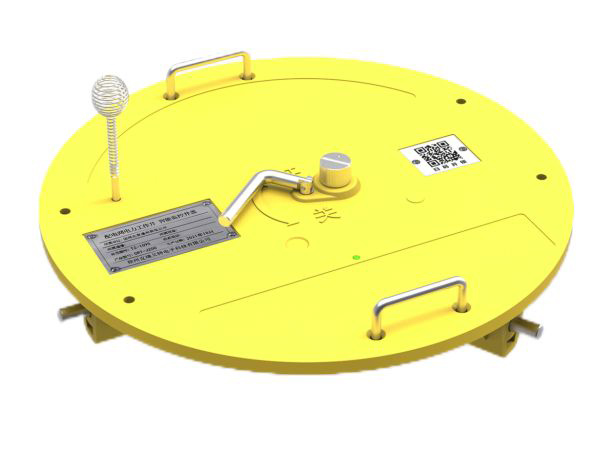 Intelligent Manhole Cover
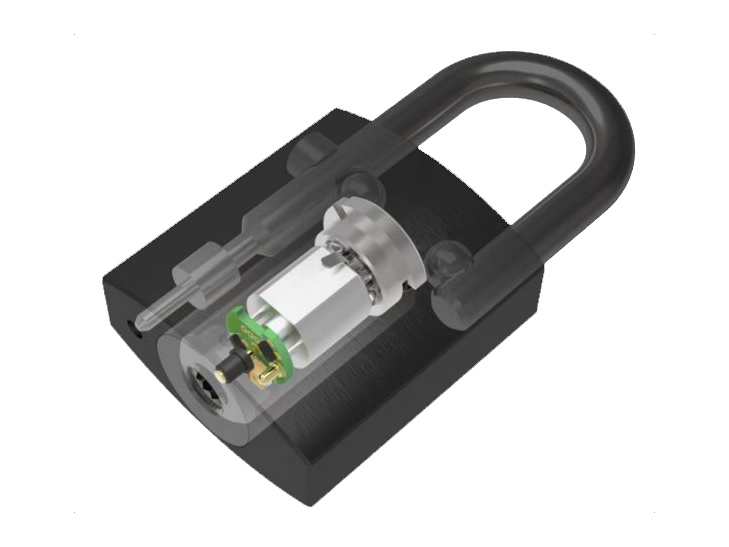 IoT Smart Locks
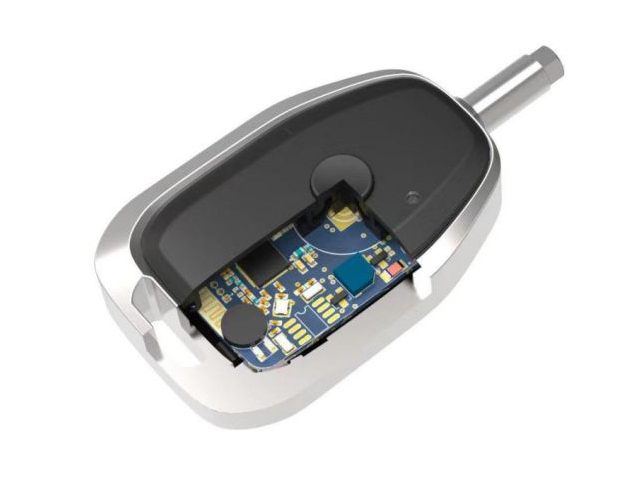 Electronic Keys
 Software


