Honestly, in today’s world, keeping your home secure is more important than ever. Lots of homeowners are searching for reliable ways to protect their loved ones and valuables—and one of the hottest new options right now is the Electronic Smart Lock. This kind of tech is pretty cool because it offers both convenience and a boost in safety. You know, traditional locks can be vulnerable—stuff like picking or bumping is still a thing—but a Electronic Key-Centric Smart Lock takes things up a notch with some pretty advanced features that help keep intruders at bay.
What’s great about these smart locks is they often let you unlock the door without messing around with keys—just your phone or a code. Plus, many come with companion apps that let you monitor things from afar. So, you can check if your door is locked, get alerts if someone tries to tamper, or even give temporary access to friends or family when needed.
Of course, it’s not all perfect. Sometimes you might run into issues like connectivity hiccups or the need to swap out batteries. Being aware of these little hiccups can help you decide if it’s the right fit for your home. In this fast-changing world of security tech, it’s smart to look at both the pros and the cons of these devices—so you’re not caught off guard.

Benefits of Electronic Smart Locks in Enhancing Home Security
Electronic smart locks have transformed home security, providing homeowners with enhanced safety and convenience. According to recent studies from the Security Industry Association, homes equipped with smart locks experience a 50% reduction in break-ins. These locks typically include features such as remote access and monitoring. They empower homeowners to check their locks from anywhere using mobile applications. This real-time capability helps mitigate potential security lapses.
Moreover, many smart locks come with auto-lock functionality. This feature ensures that doors close securely after a homeowner leaves, minimizing the chances of inadvertent unlocks. A survey by TechEnable reveals that over 70% of homeowners feel safer knowing they can control their locks remotely. However, it is essential to recognize the risks. If a device is not updated regularly, vulnerabilities may arise, leaving homes exposed.
Data security is another critical aspect to consider. Electronic locks rely on software that could be targeted by cyber threats. The rising importance of cybersecurity protocols highlights the need for homeowners to ensure their devices are regularly updated. Adopting electronic smart locks enhances security, but it also presents challenges. Balancing convenience and security requires ongoing vigilance and proactive measures.
Comparative Analysis: Electronic Smart Locks vs. Traditional Locks
When evaluating home security solutions, many homeowners compare electronic smart locks with traditional locks. Traditional locks often rely on physical keys, which can be easily lost or copied. This can lead to concerns about unauthorized access. In contrast, electronic smart locks provide advanced features, such as keyless entry and remote management. They often include a Wireless Security Lock With Smart Electronic Key functionality, allowing homeowners to control their locks via smartphones.
Smart locks offer convenience but may introduce new challenges. For instance, battery life can be a concern. Users must occasionally replace batteries to ensure functionality. Additionally, electronic components are more vulnerable to hacking than their mechanical counterparts. Although many smart locks employ robust encryption methods, no system is entirely foolproof. Homeowners should weigh these considerations carefully when making a decision.
On the other hand, traditional locks are reliable but lack modern conveniences. They don't provide remote access or activity logs. When away on vacation, you cannot monitor who enters your home. This lack of insight can be troubling. Balancing security features with usability becomes vital. Each option has its pros and cons. Homeowners must assess their needs and adapt accordingly.
Industry Statistics on Home Break-Ins and Smart Lock Efficiency
Home security is a pressing concern for many homeowners today. According to recent industry statistics, a burglary occurs every 25.7 seconds in the United States. This alarming rate drives the need for advanced security measures. Smart locks, especially those utilizing the Smart Electronic Wireless Lock Cylinder, offer innovative solutions for securing homes.
Reports indicate that homes without security systems are three times more likely to be broken into. In contrast, properties equipped with smart locks report a significant decrease in break-in attempts. A survey revealed that 62% of respondents feel safer knowing that smart technology protects their front door. These locks often provide real-time alerts via smartphone apps, enabling immediate action in case of suspicious activity.
Nevertheless, challenges persist. Not all smart locks are invulnerable to hacking. Some households lack proper digital security practices, leaving vulnerabilities open. Regular software updates are crucial, as outdated systems can become targets. It’s essential for homeowners to understand both the benefits and potential risks involved with smart lock technology, ensuring they make informed decisions for their security.
Key Features of Electronic Smart Locks: What to Look For
When considering home security, electronic smart locks offer advanced protection. An estimated 60% of homeowners believe these locks enhance security. They eliminate the need for traditional keys, reducing the risk of unauthorized access. But what should you look for in these locks?
First, usability is crucial. Many smart locks feature user-friendly touchpads or mobile apps. About 45% of users prioritize convenience in their selection. Look for models that allow easy lock and unlock functions. Additionally, seek features like remote access. This permits control from anywhere, ensuring peace of mind while away from home.
Security certifications enhance reliability. According to industry reports, locks with a Grade 1 certification are the most secure. They undergo rigorous testing for endurance and resistance to break-ins. Consider locks equipped with alarms or auto-lock features. These elements can prevent intrusion attempts. However, keep in mind that while technology improves security, it’s not infallible. Regular updates and maintenance are necessary to ensure optimal performance.
Technological Advancements Driving Smart Lock Popularity
Smart locks are gaining traction due to their cutting-edge technology. Reports indicate that the smart lock market is expected to grow at a compound annual growth rate (CAGR) of 20.2% from 2021 to 2028. This rise reflects the increasing demand for home security solutions that offer convenience and advanced features. Notably, many homeowners now prefer a Smart Electronic Passive Lock With Enhanced Security for its blend of technology and safety.
Technological advancements have driven this surge in popularity. Many smart locks integrate smartphone connectivity, allowing users to control access remotely. For instance, studies show that over 70% of consumers appreciate the ability to grant access to guests through mobile apps. Furthermore, features like biometric scanning and auto-lock mechanisms enhance security. However, some users have concerns about connectivity issues and the potential for hacking.
Despite potential drawbacks, the benefits are clear. Smart locks provide flexibility and real-time monitoring. Homeowners can receive alerts on suspicious activity and track who enters and exits. With advances in cybersecurity protocols, many manufacturers are addressing these risks. The push for smarter home solutions is undeniable, making electronic locks a top choice for modern security needs.
User Experience: Customer Satisfaction Ratings for Smart Locks
Smart locks are gaining popularity for home security. Customer satisfaction ratings reveal much about their performance. Many users appreciate the convenience these devices offer. They enjoy keyless entry features that eliminate the hassle of traditional keys. However, not every experience is perfect.
Some users report connectivity issues. Smart locks rely on Wi-Fi or Bluetooth, which can sometimes falter. These interruptions can lead to frustration, especially in emergencies. Additionally, users often express concern over battery life. A smart lock that unexpectedly loses power can compromise security. This is where user knowledge becomes crucial. Being aware of maintenance needs is key to a satisfactory experience.
Despite these challenges, statistics indicate high overall satisfaction among users. Many appreciate the added control over home access. Remote locking and unlocking provide peace of mind. Feedback shows that most users feel safer with smart locks. This balance of pros and cons paints a complex picture of modern home security choices.
Safety and Privacy Concerns: Addressing Common Misconceptions
Many homeowners worry about the security of electronic smart locks. Safety and privacy concerns often stem from misconceptions. People fear that these locks are easily hacked or that they can malfunction during an emergency. While it is true that no system is infallible, advancements in technology have significantly improved the reliability of smart locks.
One common misconception is that electronic locks sacrifice security for convenience. However, a well-designed Key Management Smart Electronic Passive Anti-Theft Lock provides enhanced security features. These locks often include encryption protocols and two-factor authentication. They can even alert you of unauthorized access attempts. This means that while they offer convenience, they do not compromise on protection.
Privacy is another central concern. Homeowners wonder if smart locks can expose personal information. It's crucial to choose products with robust data privacy measures. Manufacturers should adhere to strict privacy standards. A good understanding of a product's technology can help ease these worries. Consider researching and reading user reviews for better insights. Balancing security with convenience is essential, but nothing is perfect. Reflecting on these aspects will lead to a more informed decision.
Ensuring Operational Security: Benefits and Features of Reliable Intelligent Safety Locks for Industrial Pipeline Control
In the realm of industrial operations, ensuring safety and security in pipeline control is paramount. With the increasing complexity of industrial systems, the implementation of reliable intelligent safety locks has become a necessity. These advanced locking systems are engineered to enhance operational security by integrating premium corrosion-resistant materials and cutting-edge encryption technologies. According to a report by the International Society for Automation, over 10% of industrial accidents are attributed to unauthorized access or human errors at valve operations. This highlights the crucial role of intelligent valve locks in mitigating such risks.
The intelligent valve lock not only prevents unauthorized use but also addresses the challenges of accidental human misoperations—a significant concern in industries such as chemical, energy, and power generation. Research from the American Petroleum Institute suggests that the deployment of such safety measures can reduce operational hazards by up to 40%. This underscores the importance of adopting modern technological solutions to enhance safety protocols in high-stakes environments.
Moreover, these intelligent locks are designed to withstand harsh industrial conditions, ensuring their longevity and reliability. By incorporating features such as tamper-proof mechanisms and real-time monitoring, organizations can maintain meticulous control over their pipeline operations, thus significantly reducing the likelihood of accidents and ensuring compliance with industry safety standards. As the focus on industrial safety continues to intensify, the strategic adoption of intelligent safety locks will be pivotal in protecting both workers and infrastructure alike.
FAQS
: Look for user-friendly touchpads and mobile apps for easy locking and unlocking.
Remote access is crucial. It allows control from anywhere, enhancing peace of mind.
Yes, locks with Grade 1 certification are the most secure, as they undergo rigorous testing.
Some come with alarms or auto-lock features to prevent intrusion attempts.
Users report connectivity problems with Wi-Fi or Bluetooth that can cause frustration.
Short battery life can lead to unexpected power loss, compromising security.
Yes, many users appreciate convenience and feel safer using smart locks.
No, technology needs regular updates and maintenance for optimal security performance.
Users may not be fully aware of maintenance needs, leading to potentially unsatisfactory experiences.
While advanced, smart locks are not infallible and require a thoughtful approach to security.
Conclusion
Electronic smart locks offer a modern solution to enhancing home security, providing several benefits over traditional locks. Their advanced features, such as keyless entry and remote access, make it easier for homeowners to manage their security efficiently. Comparative analyses show that electronic smart locks significantly reduce the risk of break-ins, supported by industry statistics highlighting their effectiveness. Technological advancements, including integration with smart home systems and improved encryption methods, have further contributed to their growing popularity.
User experience with electronic smart locks is generally positive, with high customer satisfaction ratings reflecting their ease of use and convenience. While there are common safety and privacy concerns associated with these devices, many misconceptions can be addressed through proper education and understanding of the technology. Overall, the electronic smart lock stands as a robust option for those looking to bolster their home security while enjoying the benefits of innovation.
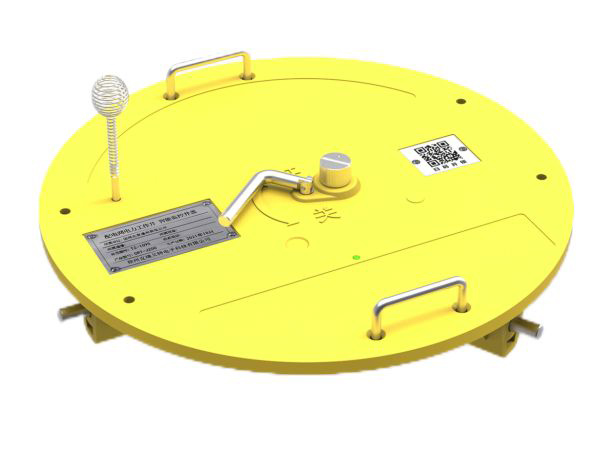 Intelligent Manhole Cover
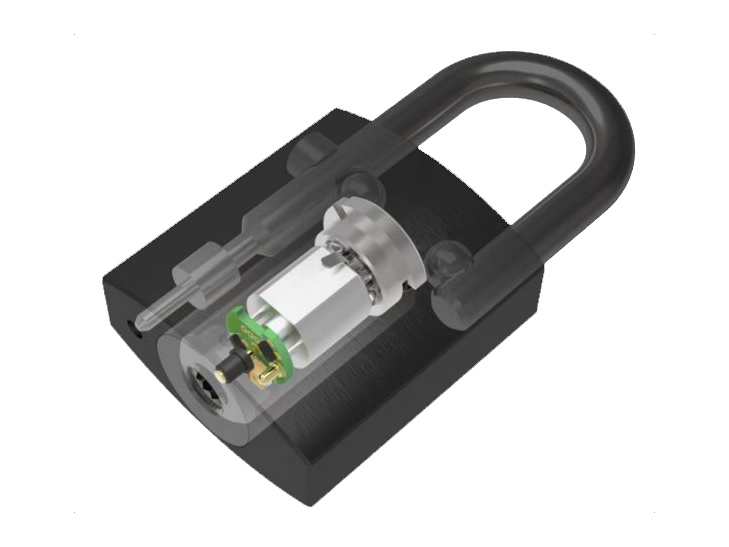 IoT Smart Locks
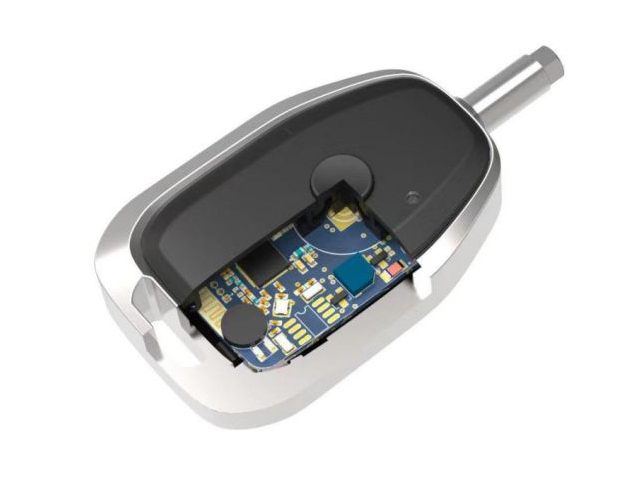 Electronic Keys
 Software


