In the fast-moving world of Smart Padlock Software, getting a grip on what CE Certification really means is pretty important for ODM software factories. Dr. Emily Johnson, who’s quite the expert when it comes to smart security tech, often points out, “CE Certification isn’t just a box to tick; it’s a sign that your product's trustworthy and up to standard.” Basically, it shows that your product meets the key health and safety rules needed in Europe.
Smart Padlock software is the core of cutting-edge security setups, making access and management super smooth. With tools like Smart Padlock Access Easy Software Management, manufacturers can make their workflows more efficient and really help their products stand out from the crowd. But let’s be honest — a lot of factories struggle with the whole CE certification process. There’s often a mix of wanting to stay compliant and also pushing for innovation, and that can get messy. Some companies rush through their certification, maybe missing some really important details along the way.
Making sure your software ticks all the CE boxes isn’t just about staying legal — it’s about building trust with users, too. It’s a good idea for companies to step back and really consider their processes, maybe even get some expert advice. The road to compliance isn’t always straightforward, and yeah, mistakes happen. But what’s important is learning from those slip-ups — that’s how you succeed in this competitive world of Smart Padlock Software.
CE certification plays a vital role for ODM smart padlock manufacturers. It ensures that their products meet European safety, health, and environmental protection standards. A study from the European Commission indicates that over 80% of consumers consider CE marking as a crucial factor in purchasing decisions, highlighting its importance in building trust.
The CE certification process for smart padlock software factories involves rigorous testing and compliance with specific directives. For instance, the Low Voltage Directive and the Electromagnetic Compatibility Directive are critical. Adhering to these standards not only assures safety but also boosts market competitiveness. Data shows that companies with CE-certified products experience a 25% increase in market share compared to non-certified manufacturers.
Manufacturers need to recognize the complexities of achieving and maintaining CE certification. It's not just a one-time process; continuous compliance is necessary. Regular audits and updates to the software are essential. Smart padlock software should be easy to use with management schedule features to ensure it meets consumer needs effectively. Regular training for factory employees on compliance requirements can also promote adherence to standards.
CE Certification is crucial for ODM smart padlock software factories aiming to market in Europe. Understanding its key components can enhance compliance and safety. Regulatory standards dictate that software must maintain robust security protocols. According to a recent industry report, approximately 70% of software-related failures stem from inadequate security measures. This emphasizes the need for factories to prioritize security in their development processes.
A significant aspect of CE certification is risk assessment. Factories must conduct thorough evaluations of their smart padlock software. These assessments should include potential vulnerabilities and user data protection. Incorporating the principles of the General Data Protection Regulation (GDPR) is essential. Reports indicate that non-compliance can lead to fines up to four percent of global turnover. Such consequences are a strong reminder for adherence to regulatory frameworks.
**Tip:** Regularly update your software. This minimizes risks associated with outdated security protocols.
Another vital component is documentation. Factories should maintain complete records of testing procedures and results. Clear documentation supports claims of compliance. It also aids in addressing any issues with ease. The need for continual education on changing regulations is ongoing. This is where many software factories fall short in adapting.
**Tip:** Create a schedule for regular compliance training. This helps maintain awareness of evolving requirements in the industry and supports Top Security Smart Software Padlock Control Management.
Obtaining CE certification for ODM smart padlock software is a critical step for factories aiming to market their products in Europe. This certification ensures that the software meets essential safety and environmental standards. To navigate this process effectively, we should focus on specific steps that often catch manufacturers off guard.
Start by identifying the relevant directives for software products. Many ODM factories overlook essential regulations. The Technical Files must detail how your software complies with these requirements. It’s advisable to keep meticulous records of all testing and compliance measures. Documentation often gets neglected, but it’s key to a smooth certification process.
Engaging with a notified body can enhance credibility. They offer expertise in evaluating compliance and can help identify potential issues early. It's common to underestimate the importance of third-party assessments. Factories should prepare adequately for audits by ensuring their software and associated processes are in line with CE standards. Many factories face delays due to unexpected findings during these evaluations. Staying proactive about potential improvements is necessary for success.
CE certification is crucial for ODM smart padlock software factories. However, obtaining this certification is fraught with challenges. One significant hurdle is understanding the technical requirements. These requirements can be complex and vary depending on the software's intended use. Many factories often overlook critical aspects of compliance. This oversight can lead to delays or rejections in the certification process.
Another challenge lies in integrating safety and security standards into the software development lifecycle. Factories need to ensure that their products not only meet regulatory standards but also offer robust protection against cyber threats. Many factories lack the necessary expertise to address these issues effectively. Regular training and updates can help, but resources are often limited.
Documentation is also a frequent pain point. Proper record-keeping is essential for CE certification. However, many factories struggle to maintain accurate and thorough documentation. Incomplete records can hinder the certification process. It's vital for factories to implement systematic documentation practices. This way, they can demonstrate compliance and enhance their credibility. Each of these challenges requires careful consideration and ongoing effort.
CE certification is essential for software factories developing smart technologies. Documentation plays a crucial role in this process. For factories creating a Smart Software Padlock With Access Control Management, detailed and precise documentation is necessary. It’s not just about meeting legal requirements; it also ensures that software quality is maintained.
The documentation requirements typically include user manuals and technical specifications. These documents help in understanding the software’s functionality. Factories often struggle with the completeness of their documentation. Missing details can lead to confusion during the certification process. Each document must reflect thorough understanding and alignment with CE directives. This demonstrates commitment to quality and reliability.
Additionally, factories should consider risk assessments. Identifying potential hazards early will aid compliance with CE standards. Inadequate risk evaluation can have serious implications. It might result in delays or even rejection of certification. Factories must focus on crafting clear and comprehensive documents. Every effort in this area contributes to the overall success of obtaining CE certification.
In recent years, the ODM smart padlock industry has seen a significant shift towards compliance with international standards. These standards ensure that products are safe, reliable, and meet consumer expectations. According to a report from the International Electrotechnical Commission (IEC), 42% of manufacturers struggle to fully understand compliance requirements. This gap often leads to costly delays in product launches and potential market access issues.
Compliance for ODM smart padlocks generally encompasses safety, environmental impact, and reliability standards. For example, the European Union’s CE marking indicates that products comply with strict safety regulations. A survey by the Consumer Technology Association noted that 68% of consumers prioritize safety and compliance as key factors in their purchasing decisions. This underscores the importance of adhering to standards like ISO 9020 and IEC 62368.
While many factories strive for certification, the process can be complex and resource-intensive. Insufficient knowledge about documentation and testing procedures often hinders progress. In a recent study, 57% of ODM factories acknowledged needing more training on compliance standards. This highlights a critical area for improvement in the industry, as a lack of understanding could lead to non-compliance and loss of market opportunities. Continuous education and clear guidelines are essential for navigating this intricate landscape.
The landscape of CE certification for smart lock technologies is evolving rapidly. As smart padlock manufacturers seek compliance, the demand for robust and reliable software solutions increases. A recent report indicated that the European security equipment market is projected to grow by 8.2% annually. This growth is driven by advancements in IoT and AI, which are integral to product functionality. The Smart Top Security Padlock Easy Operation Software exemplifies this trend, offering effective solutions that meet CE certification criteria.
Challenges remain as manufacturers strive to keep up with regulations. Many struggle to understand the nuanced requirements of CE marking. Compliance can require extensive documentation and testing, leading to delays in product launches. Industry experts recommend investing in training and consulting services to navigate these complexities effectively. These steps can improve the accuracy of certification submissions, reducing time-to-market.
Future trends suggest a shift towards more automated compliance processes. Software tools that enhance monitoring and record-keeping will become crucial. According to recent findings, nearly 65% of companies are adopting digital solutions for compliance. This could streamline the certification process, decreasing human error. As the market evolves, staying updated on these changes will be vital for ODM smart padlock software factories.
This bar chart illustrates the increasing trend in the number of CE certifications granted for smart lock technologies from 2019 to 2023. Notably, there is a significant rise in certifications as regulatory standards evolve and the demand for secure smart locking solutions grows.
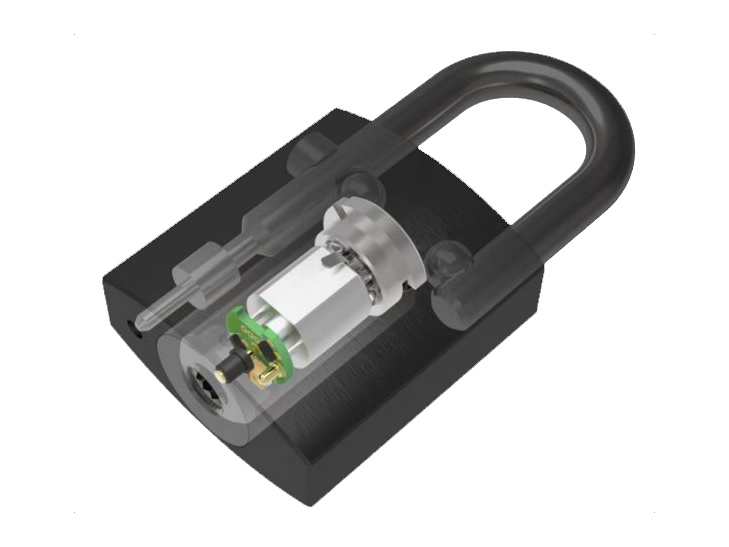
The CRT-G200L CRAT Passive Padlock exemplifies the evolution of security solutions by integrating innovative features with practical benefits. One of the standout benefits of modern smart locks is their convenience. With a battery-driven design, users can easily operate the lock without the hassle of traditional keys, allowing for seamless entry and exit. This feature is particularly appealing for those juggling busy schedules, as it eliminates the need to carry physical keys while maintaining access versatility.
Moreover, the remote access capability of smart locks ensures that users can monitor and control their security from anywhere. This is especially beneficial for residential and commercial applications, where access needs may vary throughout the day. Enhanced security is another critical aspect, with advanced encryption protocols helping safeguard against unauthorized access. Additionally, these locks are designed for easy installation, making them suitable for a wide range of settings without the need for extensive modifications.
Energy efficiency and flexibility further enhance the functionality of battery-driven smart locks. They are designed to optimize power usage while remaining reliable, reducing the frequency of battery changes. This combination of features makes these locks an attractive option for those looking to bolster security without sacrificing convenience or efficiency. The CRT-G200L stands as a testament to the advancements in lock technology, blending security with user-friendly functionality.
: Compliance ensures safety, reliability, and meets consumer expectations. It helps products adhere to strict safety regulations.
Many manufacturers struggle with understanding compliance requirements. This often leads to delays in product launches.
A report indicated that 42% of manufacturers struggle to fully understand compliance requirements.
A survey found that 68% of consumers prioritize safety and compliance when choosing products.
57% of ODM factories reported needing more training on compliance standards. Education and clear guidelines are essential.
The demand for robust software solutions is rising, as manufacturers seek compliance with evolving CE certification standards.
There is a shift towards more automated compliance processes, using software tools for better monitoring and records.
Non-compliance can lead to market access issues and loss of opportunities for manufacturers and products.
Compliance requires extensive documentation and testing, which can delay product launches if not managed correctly.
Nearly 65% of companies adopt digital solutions to streamline compliance, enhancing accuracy and reducing human error.
CE certification is essential for ODM smart padlock software factories, ensuring that products meet European safety, health, and environmental standards. This certification process involves understanding key compliance standards relevant to smart padlock software, which can significantly enhance marketability and consumer trust.
Obtaining CE certification requires a systematic approach, including thorough documentation and adherence to established compliance standards. Software factories often face challenges during this process, such as regulatory hurdles and the need for precise documentation. As technology evolves, so do the trends in CE certification for smart lock technologies, paving the way for more secure and efficient smart padlock software development in the future.