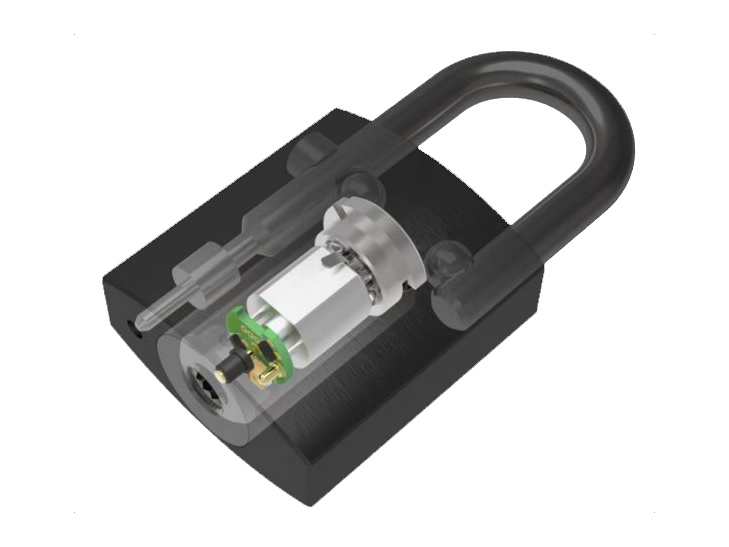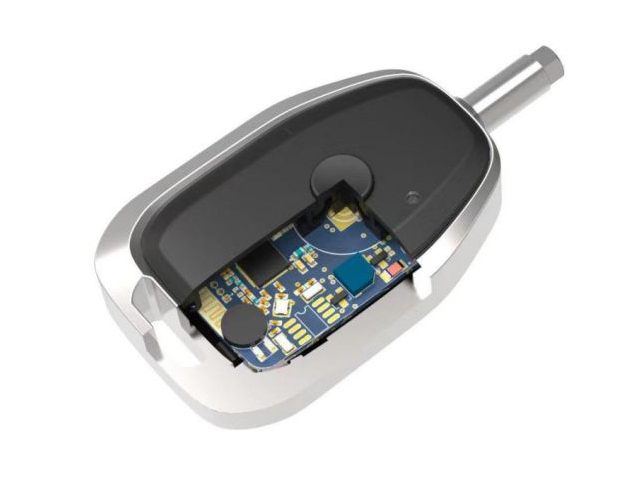
The vending industry is really moving fast these days, mainly thanks to new tech and what consumers want. If you’ve seen the latest reports from MarketsandMarkets, they’re saying the vending machine market could hit about $25.7 billion by 2025. A lot of that growth comes from cool innovations like the Vending Electronic Smart Locking System. It’s not just about security—this tech also helps make operations smoother and more efficient. That’s why more manufacturers and service providers are jumping on board with it.
As companies try to step up their vending game, custom ODM factories are really stepping into the spotlight. They’re creating designing machines that fit specific needs — no cookie-cutter solutions here. And the demand for features like remote monitoring and cashless payments is growing fast, too. But, let’s be honest, it’s not all smooth sailing. Security issues and the need to keep up with tech updates are still common hurdles. So, businesses have to stay alert and flexible if they want to keep up with these tech-heavy vending solutions.
What’s especially interesting is how these Smart Locking Systems show they really understand what users want—like easy access to prevent theft and build trust with customers. But, of course, the more advanced these systems get, the trickier they are to integrate into existing setups. That’s both a challenge and a huge opportunity for the industry. In the end, finding that sweet spot between pushing innovation and keeping things secure is what will really make the vending world more reliable and trustworthy.
The evolution of Custom ODM Vending Electronic Smart Locking systems is remarkable. Innovative designs enhance security and convenience. Reports indicate that global demand for smart locking systems is anticipated to grow by 22% annually. This reflects a shift towards automated solutions in vending environments.
Key features include mobile access and remote control capabilities. Many systems now integrate with IoT technology, offering real-time monitoring. This level of connectivity allows operators to manage vending machines more effectively. However, challenges remain. Issues such as battery life and system integration often cause frustration among users. The reliance on technology can sometimes introduce points of failure.
Despite these hurdles, the benefits are substantial. Enhanced user experiences lead to higher customer satisfaction rates. A study revealed that 78% of users prefer vending machines with smart locking mechanisms. This growing trend encourages further innovation in the industry. The focus on reliability remains crucial as manufacturers strive to meet evolving consumer expectations.
Smart locking technology is revolutionizing how we interact with vending machines. This innovation enhances user experience and ensures robust security. Vending machines often store high-value items. Smart locks safeguard these products from theft and vandalism.
Integrating smart locks allows for seamless transactions. Users can unlock machines effortlessly via mobile apps or smart cards. This quick access improves customer satisfaction. However, reliance on technology can introduce challenges. A software glitch could lock customers out. Regular maintenance and updates are critical to prevent such issues.
The importance of smart locking extends beyond security. It encourages cashless transactions, driving operational efficiency. Businesses can monitor inventory and usage patterns remotely. Yet, the need for user privacy and data protection remains crucial. As we embrace these innovations, it's essential to address these concerns. Balancing technology with user experience is vital for the future of vending solutions.
The landscape of electronic lock designs is rapidly evolving, driven by the need for enhanced security. According to a recent market research report, the global electronic locking systems market is expected to reach $3.77 billion by 2026, growing at a CAGR of 8.6%. This surge emphasizes the importance of innovation in electronic lock designs.
These innovations include biometric access, remote monitoring, and customizable features. Biometric locks use fingerprints or facial recognition for entry, significantly improving security. A study indicated that 55% of security professionals believe biometrics are essential in modern security systems. Remote monitoring through smartphone connectivity allows users to access their locks in real-time. However, with all these advancements, potential concerns remain. Dependence on technology can lead to vulnerabilities.
Moreover, the incorporation of sustainable materials in lock production reflects a growing trend towards environmental responsibility. Yet, sourcing such materials presents challenges. Manufacturers must balance sustainability with product durability. Industry experts suggest that while innovation continues to advance, the focus should also be on educating consumers about potential risks. Users need to understand their systems to maximize security features effectively.
The integration of IoT in custom ODM vending lock solutions represents a significant shift in securing assets. Vending Electronic Smart Locking Systems enable real-time monitoring. This ensures that operators have constant oversight. Sensors can alert users when doors are left ajar. This feature improves security and reduces loss.
IoT technology enhances user experience. For instance, remote access grants operators the ability to open locks from anywhere. This flexibility is valuable during emergencies. The data collected from these systems can help identify patterns of usage. Such insights inform better decision-making for inventory management.
Though technology improves security, challenges remain. Not all users feel comfortable with smart systems. Some worry about privacy and data security. Operators need to address these concerns transparently. Education on the benefits of Vending Electronic Smart Locking Systems can help alleviate fears. Continuous improvement and adaptation are key in this evolving landscape.
The rise of smart locks has transformed security within various sectors. User-friendly features are now essential to their design. Many manufacturers offer customizable solutions for user interfaces that enhance accessibility. Reports indicate that 75% of consumers prefer smart locks that integrate with their existing security systems seamlessly. This emphasizes the need for flexibility in design.
Customization options allow users to personalize smart locks, accommodating different security needs. Some systems include biometric options, remote access capabilities, and temporary access codes. However, designs must prioritize simplicity. Complicated interfaces can lead to user frustration and diminished security. Importantly, industry data shows that 40% of users report challenges when using advanced features in smart locks.
Additionally, vending electronic locking systems are also adapting to smart technology. Businesses require easy integration and reliable performance. Future trends suggest an increasing demand for locks that connect with mobile applications for monitoring and control. Yet, there is a fine line between advanced technology and user confusion. Continuous feedback is necessary to refine these innovations. Some smart locks might sacrifice user experience for added features, which requires reconsideration.
| Feature | Description | Customization Options | User-Friendly Features |
|---|---|---|---|
| Biometric Access | Unlocks using fingerprint or facial recognition. | Option for custom biometric templates. | Quick access with no keys required. |
| Mobile App Integration | Control lock features through a smartphone app. | Customizable app interface and features. | Real-time notifications and remote access. |
| Enhanced Security Protocols | Advanced encryption for communication between devices. | Tailor-specific security levels based on user needs. | Alerts on unauthorized access attempts. |
| Power Backup | Integrated backup power options for continuous operation. | Custom power solutions can be designed. | No downtime during power outages. |
| Wireless Connectivity | Allows connection to networks without wiring. | Options for Wi-Fi, Bluetooth, or Zigbee connectivity. | Convenient installation and location flexibility. |
| Durable Material Options | Constructed from high-grade materials for longevity. | Custom material choices for different environments. | Weather-resistant and tamper-proof design. |
| Modular Design | Easily interchangeable components for upgrades. | Modules can be customized based on user requirements. | Easier maintenance and repair processes. |
| Remote Management | Central control system for managing multiple locks. | Tailored management systems for various scales. | Simplifies access control for administrators. |
| User Profiles | Multiple user settings for different access levels. | Ability to customize user permissions. | Personalized user experience and enhanced security. |
The landscape of lock manufacturing is undergoing a significant transformation. Sustainability is becoming more than just a buzzword; it's a core principle. Manufacturers are adopting eco-friendly materials in lock production. This shift helps reduce environmental impact. For instance, companies are increasingly exploring recycled metals for their products. This not only lessens waste but also ensures long-lasting durability. Innovations in this area reflect a commitment to both functionality and environmental responsibility.
Moreover, energy-efficient processes are gaining attention in the industry. Many factories are now utilizing renewable energy sources for their manufacturing needs. Solar power and wind energy are ideal choices that reduce carbon footprints. However, challenges remain. Transitioning to sustainable practices often involves initial high costs and complex logistics. Businesses need to carefully evaluate these factors.
This transformation isn’t without its hurdles. Organizations must rethink their supply chains to ensure sustainability. Collaboration with suppliers who prioritize eco-friendly practices is essential. There's a growing need for transparency in sourcing materials. Consumers increasingly demand traceability, but this can complicate the manufacturing process. Thus, while innovation is vital, reflections on the journey toward sustainability are equally necessary.
The landscape of vending electronic smart locking technologies is evolving rapidly. As consumer preferences shift, manufacturers focus on innovative solutions. Industry reports indicate that the global vending machine market is expected to reach $25 billion by 2026, driven by advancements in technology and convenience. The integration of smart locking systems into vending machines has become a pivotal trend, enhancing security and user experience.
Data highlights that businesses implementing electronic locking systems report a 30% reduction in theft. This statistic underscores the importance of reliable systems that utilize biometric scanning and IoT connectivity. However, the transition to smart solutions poses challenges. Not every location is equipped for the necessary power and connectivity, potentially limiting wider adoption. Reflecting on user feedback is crucial, as some find traditional locking methods more intuitive.
Looking ahead, sustainability emerges as a key focus. Reports suggest that the demand for energy-efficient electronic locking systems will grow significantly. While advancements are promising, returning to the roots of reliability and simplicity is vital. Balancing innovation with user-centric design is essential for the future of vending electronic locking system technology.
: Smart locking technology enhances security and improves user experience by safeguarding high-value items stored in vending machines.
Users can unlock machines quickly using mobile apps or smart cards, improving customer satisfaction with seamless transactions.
Reliance on technology may lead to software glitches, which could lock customers out, highlighting the need for regular maintenance.
Smart locks encourage cashless transactions, which drive operational efficiency by allowing businesses to monitor inventory remotely.
As smart locks gather data, ensuring user privacy and data protection is crucial to maintain trust in these innovations.
The integration of smart locking systems is becoming a pivotal trend, enhancing security while also addressing user preferences.
Businesses that implemented electronic locking systems report a 30% reduction in theft, showcasing their reliability.
Some locations may lack the necessary power and connectivity for smart locks, which can hinder wider adoption.
Reflecting on user feedback is crucial, as some individuals find traditional locking methods more intuitive than smart solutions.
Sustainability and demand for energy-efficient systems are emerging as key focuses, balancing innovation with user-centric design.
The article "Top 10 Custom ODM Vending Electronic Smart Locking Factory Innovations" provides an insightful overview of the advancements in Vending Electronic Smart Locking systems. It highlights the critical role that smart locking technology plays in enhancing the security and functionality of vending machines. The piece discusses the latest innovations in electronic lock designs, focusing on materials and mechanisms that bolster security while offering user-friendly features and customization options.
Moreover, the integration of IoT into these custom ODM vending solutions marks a significant trend, allowing for remote management and monitoring. The article also emphasizes the importance of sustainability, outlining eco-friendly practices in lock manufacturing. Looking ahead, it explores future trends in vending electronic smart locking technologies, ensuring that these systems remain at the forefront of security and convenience in the vending industry.