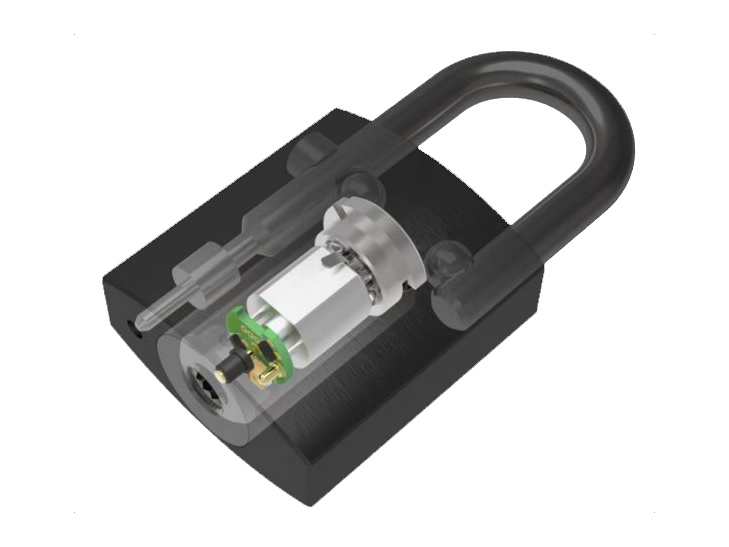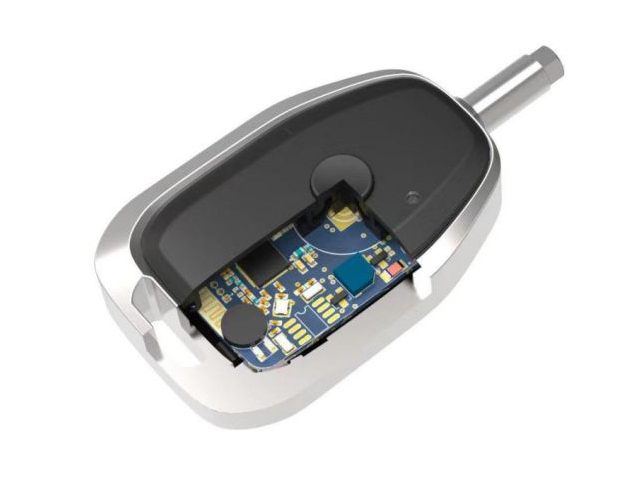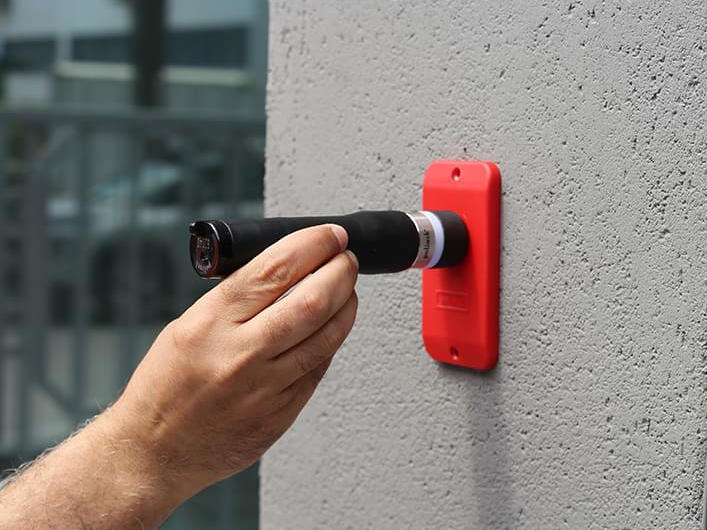
As the security industry keeps evolving, there's no denying the growing demand for dependable security solutions. Xuzhou CREATE Electronic Technology Co., Ltd., a global leader in security and access management, knows that innovation is key to safeguarding assets across sectors like telecommunications, healthcare, and banking. Recent industry reports suggest the global electronic locks market—think electronic smart padlocks for security—will keep growing, with a CAGR above 12% through 2025. That surge underscores why solid export and import certifications matter for safety and compliance, especially for smart padlocks made in China, a country well known for its quality standards. As we unpack what these certifications really mean, we'll see how they help build trust and reliability in the increasingly competitive smart lock market.
In the competitive world of security devices, export certifications aren’t just a nice-to-have—they’re a big deal for making sure electronic smart padlocks meet international standards. These certifications do more than boost a product’s credibility; they reassure buyers about quality and reliability. When manufacturers follow clear regulatory frameworks, they build trust with customers, and export certifications become a key factor in global trade.
If you’re shopping for smart padlocks to import, pay attention to the export certifications that cover safety and performance. A handy tip: look up the certifications that apply in your region, since rules can vary a lot from country to country. And it helps if you buy from manufacturers who put compliance first—it's often a sign they’re serious about quality.
Don’t forget to check certifications that address environmental compatibility and data security. Many smart padlocks use IoT features that involve data exchange, so you want products that meet data protection standards. In the end, choosing items with solid export certifications saves time, reduces risk, and gives you real peace of mind about security and functionality.
Certifications for electronic smart padlocks aren’t just hoops to jump through — they’re a practical way to guarantee quality, safety, and alignment with international standards. If you’re a manufacturer or a shopper, understanding what these labels mean really matters, because they show products meet real‑world criteria. The big ones you’ll see — CE, UL, and FCC — mean the padlocks have passed solid testing and are safe for everyday use. Those marks boost a lock’s credibility and, importantly, help shield users from potential security risks.
When you’re hunting for the best electronic smart padlock, look for models that carry these certifications. That simple check already boosts reliability and often goes hand in hand with advanced features that modern security demands.
Tips: Always verify recognized certifications when selecting a smart padlock. Don’t forget to consider how well it plays with your smart home setup. And, for peace of mind, make sure the device uses robust encryption to ward off hacking attempts.
Exporting electronic smart padlocks isn’t as simple as just shipping them out. You’re dealing with a maze of global trade rules that can look very different from one region to another. Part of that maze is understanding certification requirements — they’re basically the gatekeepers to international trade. When you align with the regulations, you don’t just smooth the paperwork; you also build trust with buyers and protect your product’s integrity. So take a moment to get familiar with what standards bodies like ISO and ANSI expect in terms of safety and performance for smart locks. On top of that, many countries have their own import certifications that specify what materials you can use, what technology you must include, and what security features you need. Take the European Union, for example: to sell there, you’ll typically need the CE mark, which shows you meet essential health, safety, and environmental protection criteria. Keeping up to date with these rules helps you prep your product for market entry, avoiding costly delays and penalties. In the end, navigating these regulations well can be a real differentiator for smart lock brands trying to break into the global market.
Smart padlocks are becoming more common in the security world, and it's easy to see why: people want better safety plus real convenience. Compared with traditional padlocks, these devices often add Bluetooth, biometric options, and remote access via a smartphone app. A MarketsandMarkets report puts the global smart lock market on track to grow from about $1.96 billion in 2021 to roughly $5.47 billion by 2026, which underscores the push for clearer quality standards in this fast-growing space. A padlock earns the 'smart' label when it combines multiple locking methods with technology that's easy to use. For example, many smart padlocks rely on encryption to keep communications between the lock and your devices private. Certifications like UL 437 and ANSI/BHMA are important indicators of durability and performance.
Here are a few buying tips: look for dual-factor authentication and strong encryption, and check that the product has relevant industry certifications to guarantee reliability. Remember, a higher price doesn't always mean better quality, so do your homework and compare options before you buy.
When you're choosing electronic smart padlocks for your manufacturing setup, nailing the right certifications is more than just paperwork—it's about real safety and compliance. Certifications like ISO 9001 for quality management or CE marking for conformity with health, safety, and environmental standards can really move the needle on market acceptance and customer trust. Getting the right certs not only boosts your product's credibility but also lines your operations up with international standards that encourage best practices in quality assurance.
Also, don’t overlook industry-specific badges like UL listing or IP ratings. They show how well a product holds up against environmental factors and overall durability. Those certifications can help your smart padlocks stand out in a crowded market by underscoring reliability and security features. In the end, putting in the time to research and obtain the appropriate certifications pays off—better marketability, fewer compliance headaches, and a smoother path to long-term success in the security space.
The smart lock boom is speeding up, and Chinese manufacturers are really at the heart of the global market. They're riding the wave of growing demand for innovative security solutions for homes and businesses alike. Smart door locks are gaining traction, especially in China's county-level cities where detached houses are more common, so firms are spotting niche pockets and tailoring products to fit local needs. By blending the latest technologies with traditional locking systems, they’re offering a versatile lineup that combines convenience, remote access, and stronger security features. Meanwhile, the government in China is pushing to position the country as a major player in the global IoT arena. It’s rolling out policies to tighten control over platforms, standards, and data flows related to smart devices. That strategic focus not only helps local manufacturers grow, but also makes them more competitive on the world stage. With the global smart lock market expected to reach impressive valuations in the coming years, Chinese manufacturers are clearly helping set the trends and standards that will shape the future of digital security worldwide.
: Export certifications are crucial as they ensure that electronic smart padlocks meet international standards, enhance product credibility, and assure consumers of quality and reliability.
Consumers should verify the necessary export certifications related to safety and performance, and research certifications specific to their region, as regulations can vary significantly.
Manufacturers that prioritize compliance are often committed to quality, which can provide consumers with enhanced trust and assurance in the product's performance.
Factors such as environmental compatibility and data security should be considered, especially given that smart padlocks often involve IoT features and data exchange.
Manufacturers should consider certifications like ISO 9001 for quality management, CE marking for health and safety compliance, and industry-specific certifications like UL and IP ratings.
Proper certifications elevate a product's credibility and align operations with international standards, significantly influencing market acceptance and consumer trust.
Chinese manufacturers have positioned themselves at the forefront of the smart lock market, leveraging domestic demand and integrating advanced technologies to meet local and international consumer needs.
The Chinese government's policies strengthen control over platforms and standards in the smart device sector, supporting local manufacturers and enhancing their competitiveness globally.
The global smart lock market is projected to experience substantial growth in the coming years, highlighting the importance of innovation and competition among manufacturers.
Investing time in obtaining the right certifications helps safeguard manufacturers against potential compliance issues, which is crucial for long-term success in the security industry.