You know, when smart technology started making its way into the power industry, it really kicked off some pretty amazing advances in safety and efficiency. And leading the charge is Xuzhou CREATE Electronic Technology Co., Ltd.—a global company that's well-known for its expertise in security and access management, especially across sectors like power. As organizations are constantly looking for ways to run things more smoothly while keeping security tight, smart locks are turning out to be a pretty big deal nowadays.
I was chatting with Dr. Michael Harris, a well-respected expert in access tech, and he had this to say: “Smart locks for the power industry aren’t just a nice-to-have anymore; they're essential for protecting critical infrastructure.” His insights really hit home—showing how using IoT data helps improve security measures and makes managing access a whole lot easier at power plants. Smart locks bring real-time monitoring, instant alerts, and remote management into the picture, which really helps bridge how security was done before with the tech of today.
As we dig into what smart locks mean for the power sector, it’s clear that Xuzhou CREATE Electronic Technology is leading the way with innovative solutions. These aren’t just about safety; they also help boost efficiency by leveraging smart data insights. Basically, adopting smart locks marks a big step toward making power operations safer and more responsive—exactly what's needed in this fast-changing industry.

Understanding Smart Locks and Their Role in the Power Industry
You know, smart locks are really starting to make a big splash in the power industry these days. They’re not just about locking things up—they actually boost safety and make operations run smoother. These high-tech locks leverage Internet of Things (or IoT) stuff, giving companies real-time insights on who’s accessing their facilities. It’s pretty cool because, by integrating these smart locks into their security routines, power firms can keep a close eye on who’s coming and going, making sure only the right folks get in. That’s a huge step in reducing unauthorized entries and generally beefing up security—super important for keeping our power systems up and running without a hitch.
And here’s the thing—being able to control and tweak these locks remotely? It’s a game changer. Facility managers can update security settings on the fly, react quickly if something fishy is happening, and even make maintenance easier. Plus, the data these smart devices gather can unveil patterns—like when and how often certain areas are accessed—helping companies manage staff and resources more effectively. As the power industry keeps shifting towards digital solutions, smart locks really stand out as a key innovation—helping to keep things safe and running efficiently by staying connected. Honestly, it’s pretty exciting to see how much these technologies are reshaping the game.

The Integration of IoT Data for Enhanced Safety Protocols
You know, the way IoT data is being integrated into the power industry really is changing the game—especially when it comes to safety and making things run more smoothly. Take smart locks, for example; they're just one part of how tech is making everything safer and more efficient. Companies are feeling the pressure to ramp up safety features because of stricter regulations, and IoT solutions are stepping up to the plate. It's pretty exciting to see how things like smart home devices are set to shake up safety protocols; experts think by 2032, we'll see huge growth in the smart home market. Automated systems, remote controls, and data-driven insights are making connections safer and more reliable than ever.
And on the safety front, power companies are using PID sensors and detectors to better keep tabs on volatile organic compounds—stuff that could be dangerous if not monitored properly. Over the past ten years, the market for these sensors has just exploded, and it looks like that trend will keep going as people around the world become more aware of environmental safety issues. The way IoT data helps streamline operations while also strengthening security makes for a safer workplace in power plants and other facilities. Plus, with data analytics playing a bigger role, organizations can catch and deal with potential risks early on, fostering a safety-first mindset that just keeps getting better as industry standards evolve.
Impact of Smart Locks on Safety and Efficiency in the Power Industry
This chart illustrates the significant reduction in safety incidents and the improvement in operational efficiency after the integration of smart locks and IoT data insights in the power industry. The data reflects the positive impact of technology on safety protocols and overall productivity.
Improving Operational Efficiency Through Smart Lock Technology
You know, integrating smart lock tech into the power industry is really a game-changer. It’s not just about locking doors anymore — these smart locks are seriously boosting how efficiently things run and making safety a lot tighter. Industry folks are saying the smart lock market could hit about $8.4 billion by 2035, growing at roughly 11.6% each year from 2025 to 2035. That’s pretty significant! This trend shows how industries are now tapping into IoT data to better control who accesses certain areas and ramp up security.
Take companies like Xuzhou CREATE Electronic Technology Co., Ltd., for example—they’re into security and access management across all sorts of sectors, including power utilities. For them, rolling out smart locks isn’t just about beefing up physical security. It’s also about making operations smoother and smarter. These locks can give managers real-time info—like who entered where and when—which helps with better resource planning and quick incident response. By jumping on this bandwagon, organizations can really cut down on risks, keep things running safely, and boost productivity in the power sector. It’s pretty exciting stuff, honestly.
Real-Time Monitoring and Incident Response in Energy Facilities
You know, the way IoT data is being integrated into the power industry is really changing the game when it comes to
monitoring things in real-time and dealing with incidents at energy facilities. For instance,
smart locks with fancy sensors and internet connectivity now let managers keep a close eye on those crucial access points all the time. And if something fishy happens—like
unauthorized folks trying to get in—they get instant alerts. It’s pretty neat because this real-time data helps folks respond quickly,
stopping problems before they get out of hand.
But it’s not just about security. IoT tech is also helping energy plants run more smoothly and efficiently. They can look at access logs and usage patterns to figure out the best way to move staff around or improve workflows—all while keeping things secure. This data-driven stuff really gives managers the power to make smarter decisions about who gets access, which means less downtime and a safer environment overall. As the power industry keeps adopting these smart technologies, having the ability to watch and react swiftly in real-time is becoming more of a necessity than ever to protect our critical infrastructure.
Case Studies: Successful Implementation of Smart Locks in the Power Sector
So, you know how smart locks are starting to make waves in the energy world? Well, there's this really interesting case with a big utility company that kept running into issues with unauthorized folks sneaking in. It wasn’t just about people getting in illegally; it was also creating safety risks and causing costly shutdowns. Once they installed IoT-enabled smart locks, everything changed. Now, they can actually keep tabs on who's coming and going in real-time, and they can even lock things down based on smart data. It made a huge difference—not just tightening security, but also making their daily operations way smoother. Authorized workers can get in and out with no fuss, which means less downtime and more peace of mind.

Then there’s this other example at a renewable energy site, where the old-school locks just weren’t cutting it with the tough weather conditions out there. Upgrading to sturdy, IoT-powered smart locks helped them stay secure, no matter if it was pouring rain or windy as anything. Plus, they started collecting data that showed them usage patterns and spots where things might go wrong before it even happened. That kind of insight let them stay ahead of problems and keep everything running smoothly. All in all, these stories just show how smart lock tech isn’t just about locking stuff up; it’s about creating safer, smarter, and more efficient operations in the energy world. Pretty cool, right?
Future Trends: Evolving Smart Lock Solutions Driven by IoT Advancements
So, you know how smart locks in the power industry are really evolving? Well, a big part of that is thanks to all the cool advancements in Internet of Things (or IoT) tech. What’s happening now is pretty awesome — those old-school security measures are turning into smarter, proactive systems that boost safety and keep things running smoothly. With IoT sensors built right into these locks, they can collect and analyze data on the fly. That means they can spot access patterns, flag any suspicious activity, and even automatically lock or unlock doors. Basically, only the right people get in when they’re supposed to.
As IoT keeps getting more popular, I think we’ll see future smart locks becoming even more connected. They won’t just work on their own anymore — instead, they’ll talk seamlessly with other security devices and management systems. With better encryption and smart algorithms, these locks might even start predicting potential security threats before they happen, cutting down on human errors. At the end of the day, combining IoT improvements with smart lock tech is pretty much shaping a safer, more efficient power industry — and it’s opening the door to some pretty exciting innovations that could totally change how everything operates.
Revolutionizing Safety and Efficiency with Smart Locks in the Power Industry Using IoT Data Insights
| Metric |
Current Value |
Projected Value (2025) |
Growth Percentage |
| Number of Smart Lock Deployments |
10,000 |
50,000 |
400% |
| Average Response Time for Security Alerts (minutes) |
15 |
5 |
-66.67% |
| Cost Reduction in Security Operations (%) |
20 |
50 |
150% |
| User Satisfaction Rate (%) |
70 |
90 |
28.57% |
| Integration with Other IoT Devices (%) |
30 |
80 |
166.67% |
Enhancing Security for Base Stations: A Comprehensive Guide to the CRT-MSJ874 CRAT Cabinet Lock
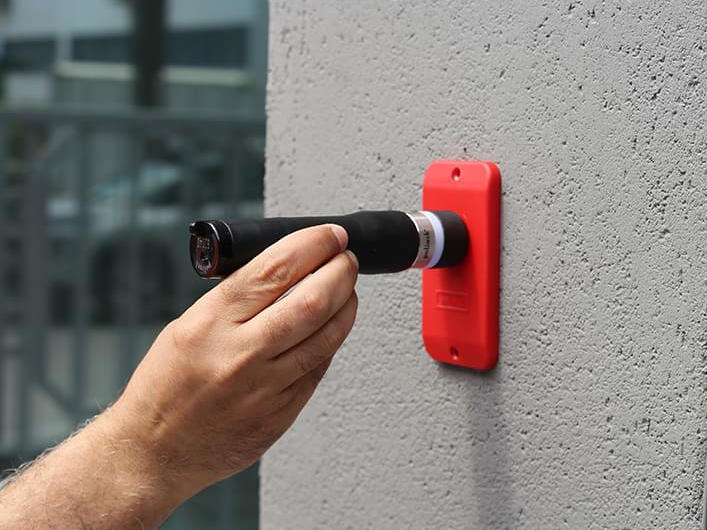
In today's increasingly connected world, the security of base stations is paramount. The CRT-MSJ874 CRAT Cabinet Lock is a state-of-the-art solution designed to enhance the safety of these critical infrastructures. One of the standout features of this smart cabinet lock is its enhanced security system, which effectively deters unauthorized access and safeguards sensitive equipment.
The CRAT lock offers innovative capabilities such as remote access control, allowing administrators to manage entry from virtually anywhere. This is especially beneficial for organizations that operate across multiple sites or require quick responses to changing access needs. Additionally, the temporary task authorization feature ensures that personnel can gain access to specific areas for a limited time, streamlining operations while maintaining strict security protocols.
Moreover, time-based access authorization ensures that only designated individuals can enter certain areas during specified hours, further strengthening security measures. With a robust system for recording access events and real-time monitoring, the CRAT lock provides peace of mind through transparency and accountability. If a key is lost, the blacklist feature allows for immediate deactivation, preventing unauthorized access and ensuring that operational integrity is upheld at all times. The CRT-MSJ874 CRAT Cabinet Lock is indispensable for any organization serious about protecting its base stations.
FAQS
: The smart locks market is expected to reach USD 8.4 billion by 2035, with a compound annual growth rate (CAGR) of 11.6% from 2025 to 2035.
Smart lock technology enhances operational efficiency by providing real-time data analytics, which informs managers about access activities, improves resource allocation, and facilitates incident response.
IoT technology enables continuous surveillance of critical access points, allowing facility managers to receive instant alerts about unauthorized access and potential breaches, thereby enhancing security.
Yes, smart locks enable the analysis of usage patterns and access logs, allowing facilities to streamline staff movements and improve workflow while maintaining security.
The utility company was able to monitor entry points in real-time, restrict access based on data insights, enhance security, and reduce downtime caused by unauthorized access issues.
The adoption of IoT-enabled smart locks helped maintain security amidst environmental challenges, providing data on usage patterns and vulnerabilities, allowing proactive risk management.
Smart lock technology minimizes risks, enhances physical security, streamlines operations, reduces downtime, and supports long-term operational strategies, leading to greater safety outcomes.
Smart locks allow for real-time monitoring, which enables energy facilities to identify and respond to security threats as they arise, ensuring prompt and effective incident management.
Smart locks provide data insights on who accessed certain areas and when, allowing managers to make informed decisions regarding access controls and resource management.
As the power industry embraces smart technology, the ability to monitor and respond to incidents in real time is essential for safeguarding critical infrastructure and improving overall operational efficiency.
Conclusion
Hey, I came across this article called "Revolutionizing Safety and Efficiency with Smart Locks in the Power Industry Using IoT Data Insights," and I think it’s pretty fascinating. Basically, it digs into how smart locks are becoming a game-changer for the energy sector when it comes to security and smooth operations. The piece kicks off by explaining how these smart locks work hand-in-hand with IoT data — it’s all about boosting safety measures at power plants and energy facilities. Thanks to this tech, they can keep an eye on things in real time, which means any incidents can be dealt with super quickly, cutting down the risks in these high-stakes places.
What’s also interesting is that the article includes some real-world examples of how smart lock tech has actually been rolled out successfully in the power industry. And you can definitely see how it’s helping improve efficiency on the ground. Looking ahead, the article points out that as IoT tech keeps evolving, we’re probably gonna see smart locks playing an even bigger role in making safety and access management even better in this sector. All in all, it paints a pretty exciting picture of a more secure and efficient future for the power industry.
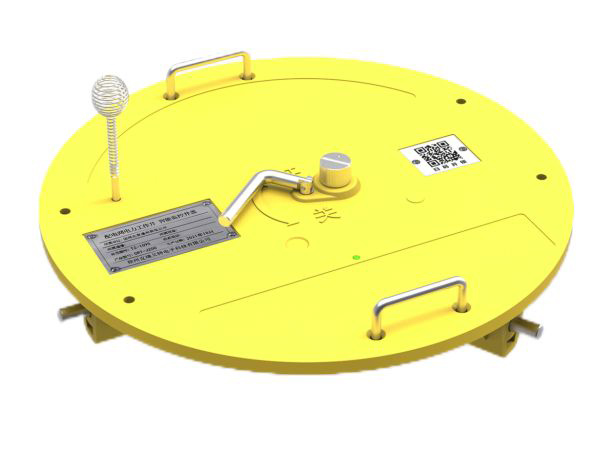 Intelligent Manhole Cover
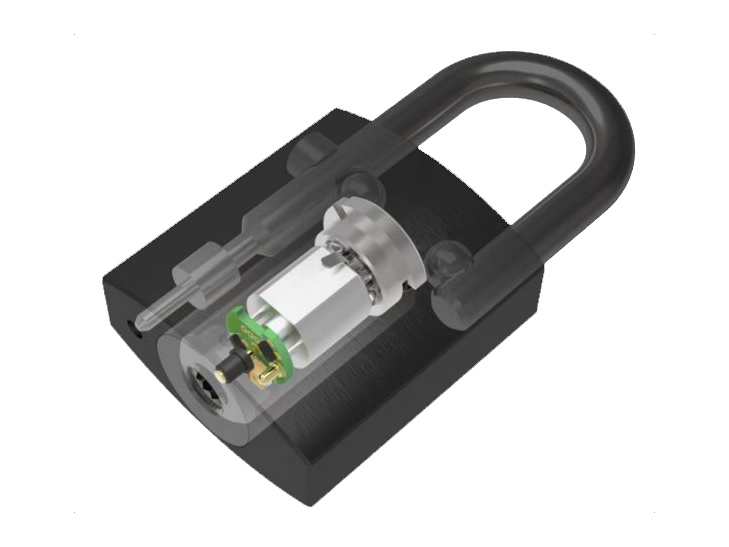 IoT Smart Locks
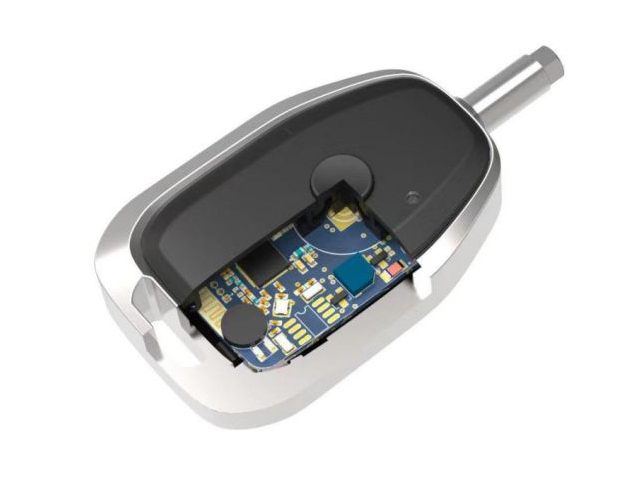 Electronic Keys
 Guard Patrol
 Software


