Picking out the right vending electric smart lock isn’t just about security — it’s also about convenience. As security expert John Smith from SecureTech puts it, "A reliable lock is really the first line of defense for any vending machine." With all these smart tech options popping up, it can feel pretty overwhelming, honestly.
Check out [Vending Electric Smart Lock Systems](https://www.iotlocksolution.com/vending-electric-smart-lock-systems) — they come packed with cool features, but finding the right one requires some careful thought. Think about what you actually need: do you want remote access so you can control things from your phone? Or is a basic keypad enough? The trick is to find a good middle ground — something that’s sophisticated but also easy to use.
Also, don’t just go for the flashiest model without thinking about its weaknesses. Some might struggle in bad weather, or maybe they run on outdated software that can cause problems. It’s a good idea to pick a lock that’s built to handle your environment and gets regular updates. And hey, be sure to check reviews and see what others are saying about its reliability — after all, your choice really impacts security and how happy users will be.
So yeah, taking your time to choose the right lock definitely pays off in the long run.

Understanding the Basics of Vending Electric Smart Locks for Safety
Understanding the basics of vending electric smart locks is crucial for safety. These locks offer a convenient solution for securing vending machines. They eliminate the need for traditional keys, reducing the risk of unauthorized access. Smart locks often use a combination of codes, mobile apps, or biometrics for access. This technology not only enhances security but also streamlines operations.
However, not all smart locks are equally reliable. Some models may have vulnerabilities that allow tampering or hacking. It's important to choose a lock with robust encryption methods and regular software updates. A lock that requires frequent battery changes may be less reliable. Keep an eye on user reviews, but be aware that opinions can vary. Some users might have different experiences based on their environments or settings.
An effective smart lock does more than just secure a machine. It should be easy to install and operate. Complicated setups can lead to mistakes or operational delays. Think about the accessibility for all users as well. If the lock is too complex, it can deter use and undermine safety. Reflecting on these points is key to making a smart choice.
Key Features to Look for in a Vending Electric Smart Lock
When selecting a vending electric smart lock, safety should be a top priority. A report from the Security Industry Association indicates that over 70% of security breaches occur due to inadequate locking systems. Therefore, look for locks with robust construction. A solid metal casing can withstand tampering attempts. Additionally, a deadbolt mechanism significantly enhances security.
User access control is another critical feature. Smart locks should support multiple user profiles. This allows for easy management of who can access the vending machine. Some locks even offer time-based access, providing additional control. A study by Technavio notes that 45% of businesses prefer access systems that can log usage. This can be invaluable for tracking and auditing.
Keep an eye on compatibility with mobile devices. Many smart locks now offer app-based management. This feature makes it easier to monitor access remotely. However, ensure that the app has strong encryption to protect user data. Some reports suggest that nearly 60% of users feel uneasy about app security. Thus, always choose locks from a manufacturer who prioritizes cybersecurity. Consider all these aspects carefully before making a decision.
Comparative Analysis of Smart Lock Security Ratings: ANSI and BHMA Standards
When selecting a Vending Machine Electric Smart Lock, security ratings are crucial. Two main standards govern safety: ANSI and BHMA. The American National Standards Institute (ANSI) provides a framework for evaluating locks. BHMA, or Builders Hardware Manufacturers Association, categorizes lock performance. These ratings help consumers identify trustworthy products.
ANSI ratings run from Grade 1 to Grade 3. Grade 1 is the highest, indicating robust security. It withstands significant force and has extensive testing. In contrast, Grade 3 offers basic protection. Not ideal for high-traffic areas, such as vending machines. BHMA ratings align with ANSI standards but also include durability and finish details. Comprehensive knowledge of these ratings is essential for any purchase.
However, not all smart locks meet expectations. Some advertised as high-security may lack proper testing. This can lead to vulnerabilities. Regular reviews and updates are needed to maintain safety. Choosing a vending machine electric smart lock should involve careful research and consideration. The best option should balance convenience and security effectively.
Exploring Connectivity Options: Wi-Fi, Bluetooth, and Z-Wave in Smart Locks
In today's tech-savvy world, choosing a vending electric smart lock requires careful consideration of connectivity options.
Wi-Fi, Bluetooth, and Z-Wave are the main technologies available. Each has its pros and cons, affecting security and user experience.
For instance, a report by MarketsandMarkets forecasts that the smart lock market will grow significantly, driven by heightened security concerns.
Wi-Fi smart locks enable remote access anywhere. However, they can be vulnerable to hacking if not secured properly. On the other hand, Bluetooth locks connect directly to your smartphone. This limits remote access but boosts security by reducing exposure to the internet. Z-Wave operates on low-power radio waves. It is excellent for home automation, yet the setup might be complex.
Tips: When selecting a vending electric smart lock, assess your connectivity needs. If you move frequently, a Bluetooth lock may be more convenient. Always update the firmware on your device to protect against vulnerabilities.
In conclusion, consider how often you need remote access. The balance between convenience and security is crucial. Make an informed decision by understanding your environment and usage patterns. This reflection can lead to a more satisfying choice in a smart lock.
Evaluating Durability and Weather Resistance in Vending Smart Locks
When evaluating vending smart locks, durability is crucial. Many locks face harsh environments. Rain, snow, and extreme temperatures can deteriorate materials over time. A study from the National Institute of Standards and Technology shows that more than 40% of locks fail due to poor weather resistance. vending machine electric smart lock systems must handle these threats effectively.
Weather resistance starts with materials. Stainless steel and high-grade polymers perform better than basic metals. These materials resist rust, corrosion, and breakage. A report from the Lock Manufacturers Association states that locks made from these materials last 30% longer than lower-quality options. However, manufacturers should not rely solely on material. Installation and upkeep play essential roles in longevity.
Durability alone isn’t enough. Locks should also meet specific safety standards. Ignoring safety certifications can lead to vulnerabilities. A lock might endure the weather, but if it lacks proper security ratings, it’s still at risk. User feedback often highlights the importance of visible testing results. Customers desire assurance. In this field, trust must be earned, not assumed. Overall, careful consideration of durability and safety standards enhances the effectiveness of vending machine electric smart lock systems.
User-Friendliness: Assessing the Interface and Access Methods
When exploring options for a vending machine electric smart lock system, user-friendliness plays a crucial role. The interface should be intuitive. Users should navigate it with ease, even with minimal technical know-how. A complex design could deter customers. They want a secure solution, not a puzzle.
Access methods are another vital aspect. Consider the different ways a user can gain entry. Keypads, mobile apps, or biometric scans all have their pros and cons. Keypads can be cumbersome if numbers get forgotten. Apps rely on battery life, while biometric options may fail if not set properly. Finding a balance is important.
Testing the lock system with real users is essential. Observe how they interact with the locks. Are there confusion points? Do they grasp the security features? Listening to feedback will highlight areas needing improvement. It’s a journey. Every step matters in ensuring effective use. Each lock system should prioritize simplicity and practicality for optimal results.
How to Choose the Best Vending Electric Smart Lock for Safety? - User-Friendliness: Assessing the Interface and Access Methods
| Feature |
Description |
User Ratings (out of 5) |
Access Method |
| Mobile App Control |
Allows users to control the lock via a smartphone app, providing remote access and monitoring. |
4.5 |
App-based |
| Keypad Entry |
Enables entry via a secure numeric keypad, allowing for quick access without a key. |
4.0 |
Keypad |
| Key Backup |
Provides a physical key option in case of battery failure or app issues. |
4.3 |
Traditional Key |
| Biometric Access |
Uses fingerprint recognition for secure and convenient access. |
4.7 |
Biometric |
| Smart Home Integration |
Compatible with smart home systems for seamless integration and automation. |
4.6 |
Smart Home |
Cost-Benefit Analysis of Investing in High-Security Smart Locks
Investing in high-security smart locks can yield significant benefits. According to a recent report by the Security Industry Association, 90% of surveyed homeowners feel safer with smart locks compared to traditional ones. The upfront cost of these locks can be higher, but consider the potential savings in theft prevention. A break-in can lead to losses of thousands of dollars, not to mention emotional distress.
While high-security smart locks may range from $150 to $600, the long-term value is compelling. They often come with features like remote locking and alerts, which increase convenience. However, not all models offer the same security level. Some consumers might find it challenging to assess which features are truly necessary. A report from Statista shows that 30% of users regretted not conducting better research before buying smart locks.
Regular maintenance and updates are essential for optimal performance, yet many users overlook them. Security breaches still happen. Approximately 25% of smart lock users faced connectivity issues at some point. This inconsistency raises questions about reliability in emergency scenarios. Investing in these locks is valuable, but it requires careful consideration and ongoing commitment to security practices.
Innovative Square Manhole Cover with Smart Lock: Enhancing Safety and Efficiency in Urban Infrastructure
The innovative square manhole cover with a smart locking mechanism is revolutionizing urban infrastructure by significantly improving safety and operational efficiency. Traditional manhole covers often pose safety hazards, with issues such as missing or damaged covers leading to serious accidents and even fatalities. The inability to conduct timely repairs not only endangers lives but can also lead to substantial property loss, especially in complex urban environments where ownership is diversified, and infrastructure is aging.
Our smart manhole covers leverage advanced technologies like the Internet of Things (IoT), cloud computing, and wireless sensing to address these pressing challenges. These intelligent systems enable real-time monitoring of manhole conditions, allowing for the swift identification of issues such as electrical fires or the deterioration of underground cables. By providing vital asset information and status updates, municipalities can reduce response times in emergencies and streamline maintenance processes, ultimately lowering operational costs.
As urban areas continue to expand, the need for efficient and safe infrastructure is paramount. The integration of smart technology into manhole covers not only enhances public safety but also promotes a more reliable and efficient urban environment. With these developments, cities can better manage their underground assets and ensure that the integrity of infrastructure is maintained, protecting both lives and property.
FAQS
: Safety should be the top priority. A robust construction is crucial for preventing tampering.
Look for locks that support multiple user profiles and time-based access. This allows for better control.
Mobile apps can make monitoring easier. Ensure the app has strong encryption for data protection.
It should be intuitive and easy to navigate. A complex design can confuse users.
Keypads may be forgotten, apps depend on battery life, and biometrics can fail if not set right.
Yes, they can prevent theft and increase safety, but the upfront cost is higher.
Prices generally range from $150 to $600, depending on features and security levels.
Regular maintenance and updates are important for optimal performance. Many users overlook this.
Conduct thorough research. Many users regret not assessing necessary features properly.
Connectivity issues occur for about 25% of users, raising reliability concerns in emergencies.
Conclusion
When selecting the best Vending Electric Smart Lock for safety, it is crucial to understand the fundamental aspects of these locks. Key features such as security ratings governed by ANSI and BHMA standards, as well as connectivity options including Wi-Fi, Bluetooth, and Z-Wave, play a significant role in determining the lock's effectiveness. Additionally, evaluating the device's durability and weather resistance ensures it can withstand different environmental conditions.
User-friendliness is another important factor, as the interface and access methods directly affect the overall experience. Lastly, a thorough cost-benefit analysis helps in assessing whether investing in high-security smart locks aligns with long-term security needs. Overall, a well-informed choice can enhance safety and accessibility for vending applications.
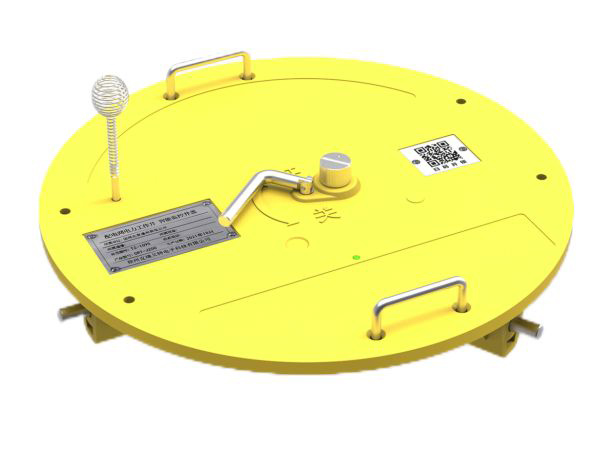 Intelligent Manhole Cover
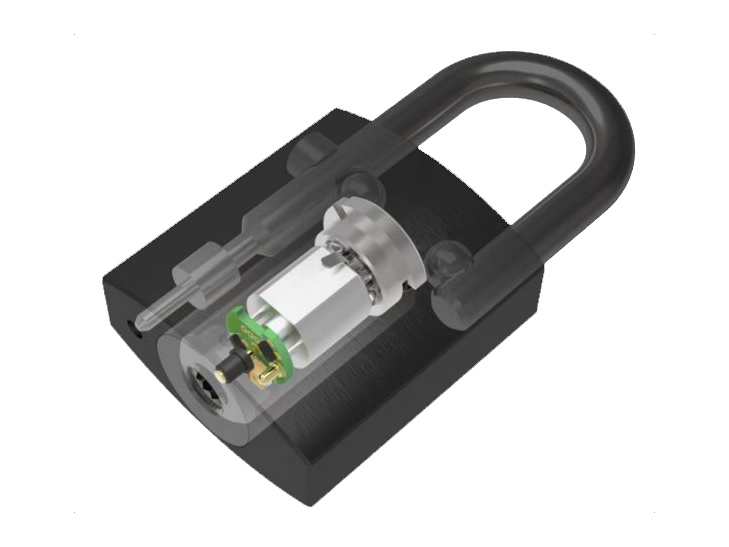 IoT Smart Locks
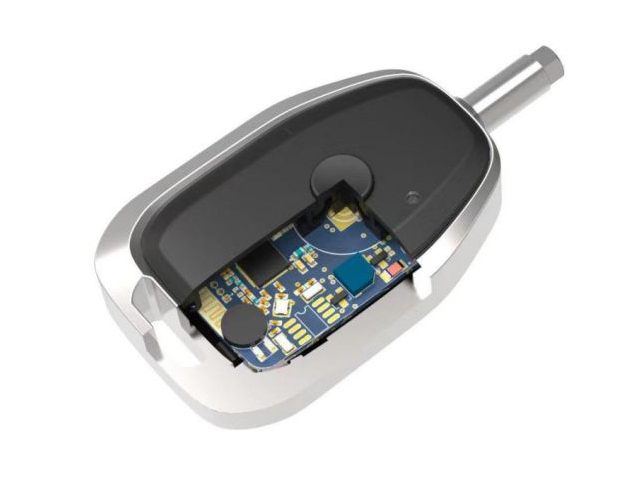 Electronic Keys
 Software


