As the power industry keeps evolving, one thing's clear: security has become more important than ever. With all these new tech innovations coming out, we've got some pretty cool solutions, especially the Smart Lock for the power sector. These locks really step up protection, making it harder for anyone to get in who shouldn’t. Companies like Kwikset and Schlage are leading the charge with their sleek, innovative designs.
Take the RFID Smart Lock with a Master Key, for example—it's a pretty handy combo of convenience and security. Facility managers love how they can set different access levels, so only the right people can get into sensitive areas. But hey, even the best security systems aren’t foolproof. Regular checks and updates are a must to keep things tight.
The market’s changing so fast right now, which means lots of opportunities but also some hurdles too. Just switching to a Smart Lock for the power industry isn’t enough on its own—you’ve gotta keep training your team. People need to be aware of potential pitfalls, after all. Trusting technology is great, but staying alert and continuously checking things up is what really keeps everything resilient. Looking ahead to 2026, staying in the know is your best bet for keeping up with all these rapid changes.

Overview of the Power Industry's Security Challenges in 2026
As the power industry faces evolving security challenges in 2026, vulnerabilities demand greater attention. Cyberattacks are more sophisticated than ever. Power facilities must prepare for increased threats from both external and internal sources. With the rise of smart technology, hackers may exploit weaknesses in connected devices and networks. This creates a pressing need for enhanced protective measures.
Physical security is equally critical. Many power plants still rely on outdated locking systems. These traditional methods are not sufficient for modern threats. Accessibility for unauthorized individuals can lead to disastrous consequences. Implementing smart locks can help. They can offer real-time monitoring and access control, minimizing risks associated with human error. However, reliance on technology alone is insufficient. Human oversight and regular audits are needed for effective security.
Amid technological advancements, challenges persist. Training staff on security protocols is essential. Too many employees lack awareness of potential threats. Regular drills and updated training programs can reinforce security culture. The path ahead requires constant vigilance and adaptability. As the industry evolves, so must its security measures.
Importance of Smart Locks in Enhancing Security for Power Facilities
The importance of smart locks in enhancing security for power facilities cannot be overstated. As power infrastructure becomes increasingly digitalized, traditional security methods fall short. In a report by the Security Industry Association, nearly 45% of power facilities reported security breaches in the past few years, highlighting the need for advanced solutions.
Smart locks provide a sophisticated layer of protection. They offer real-time monitoring and remote access controls, which empower facility managers to manage security effectively. Data from a recent IHS Markit report suggested that smart lock installations in critical infrastructure will increase by 70% by 2026. This shift underscores the growing role of technology in safeguarding energy resources.
However, the integration of smart locks isn't without challenges. Many facilities face installation hurdles and interoperability issues with existing systems. Moreover, the reliance on digital platforms raises concerns about cybersecurity threats. A staggering 32% of security professionals noted vulnerabilities in their smart lock systems last year. As the power sector advances, it must address these concerns while harnessing the advantages of smart locking technology.
Key Features to Consider in Smart Locks for Power Industry Applications
When evaluating smart locks for the power industry, certain features are vital for enhancing security. Features such as remote access control, biometric authentication, and real-time alerts are increasingly important. The Power Industry Security Report 2023 indicates that 72% of facilities reported unauthorized access attempts last year. Thus, robust access controls are not just beneficial; they are necessary.
User-friendly interfaces help in quick adoption. A smart passive lock for power industry applications should offer seamless integration with existing security systems. Compatibility with building management software can streamline operations. According to a study by the International Energy Agency, smart technologies can reduce security breaches by up to 40%. This highlights the importance of investing in technology that provides both security and convenience.
Sensors and analytics also play a crucial role in smart locks. Systems equipped with advanced sensors can detect tampering or forced entry attempts. They should also provide detailed logs for accountability. With 48% of firms lacking comprehensive security measures, these features ensure not only the protection of assets but also compliance with industry standards, creating a safer work environment.
Top Smart Locks for Power Industry Security in 2026
| Model |
Key Features |
Biometric Access |
Remote Access |
Emergency Unlock |
Battery Life |
| Model A |
Dual Authentication |
Yes |
Yes |
Yes |
2 years |
| Model B |
Smart Alerts |
No |
Yes |
Yes |
1.5 years |
| Model C |
Voice Control |
Yes |
No |
No |
3 years |
| Model D |
Tamper Alerts |
Yes |
Yes |
Yes |
2.5 years |
| Model E |
Auto Lock |
No |
Yes |
No |
1 year |
Top Smart Lock Brands for Power Industry Security in 2026
As we look towards 2026, security in the power industry is more crucial than ever. Smart lock technology is evolving, providing enhanced solutions that address the unique needs of this sector. Companies should prioritize security measures to protect sensitive infrastructures. They can leverage advanced smart locks designed specifically for power facilities.
Leading brands are increasingly incorporating biometric systems. These systems offer reliable access control, reducing unauthorized entry risks. Keyless entry options are also available, ensuring quick, efficient access for authorized personnel. However, the implementation of smart locks for the power industry can be complex. Organizations must address potential integration issues with existing access control systems.
Not all smart lock solutions are created equal. Some may lack the necessary safety certifications required for high-security environments. It's vital to consider factors such as resilience against environmental factors and cyber threats. Testing various models for durability and functionality is essential before making a decision. Balancing innovation and security is critical for building a robust security strategy in the evolving landscape of the power industry.
Integration of Smart Locks with IoT and Other Security Systems
In 2026, the power industry will rely heavily on smart locks integrated with IoT and other security systems. These locks offer a new level of security, enhancing device connectivity. Improved interoperability among devices ensures that security remains tight. Smart locks can communicate with various systems, creating a comprehensive security network. They allow real-time monitoring and easy control over access points.
Consider how anomalies like unauthorized access can be swiftly addressed. When a breach occurs, immediate notifications enable rapid responses. Regular updates and patches are essential to maintain the security of these devices. However, not all systems are foolproof. There may be loopholes that require vigilance. Users should be aware that technology evolves quickly, and old systems might soon become targets.
Tips for enhancing security include regularly changing access codes and updating firmware. Employ a mix of digital and physical security measures. Review your security protocols frequently, ensuring they meet current standards. One small weakness in the system could lead to larger vulnerabilities. The integration of smart locks can revolutionize security but demands ongoing attention and improvements.
Case Studies: Successful Implementation of Smart Locks in the Power Sector
The power industry is increasingly looking at innovative security solutions. Smart locks have shown promising results in various case studies. One notable implementation involved a regional power facility. They replaced traditional locks with
power industry smart locks, enhancing both security and access control.
After installation, staff reported improved access management. However, there were initial hiccups. Some employees struggled with the new technology. A training program was introduced, addressing the learning curve. With time, users became more comfortable. This change not only bolstered security but also streamlined operations.
Another case showcased a power generation plant that faced frequent unauthorized access. The introduction of smart locks diminished these incidents. This instance highlights both the advantages and challenges of technology adoption. While effective, it requires ongoing support and education for staff. Overall, smart locks represent a significant advancement, but reflection on their implementation is crucial.
Future Trends and Developments in Smart Lock Technology for Energy Security
As the electric power industry evolves, security measures must keep pace. By 2026, smart locks tailored for this sector will leverage advanced technology to enhance security. A report from the International Energy Agency projects a 40% increase in cyber threats targeting energy infrastructure by 2025. This rising threat underscores the necessity for robust security systems, particularly "Electric Power Industry smart lock" solutions that combine convenience with resilience.
Recent advancements focus on integrating biometric features and AI-driven analytics. These innovations can provide real-time data on access patterns, reducing unauthorized entry risks. However, the reliance on technology raises questions about the vulnerabilities these systems may have. For example, a single software glitch could compromise an entire facility. It's crucial to balance technological integration with traditional security measures, ensuring a multi-layered defense against potential breaches.
Moreover, industry experts emphasize continuous education and training for personnel. A study highlighted that 60% of security incidents arise from human error. While smart locks offer advanced access control, users still play a vital role in security. Thus, the future of smart locks in the electric power industry will hinge not just on technology, but on cultivating a culture of security awareness. In light of this, the development of "Electric Power Industry smart lock" systems must address both technological advancements and human factors.
FAQS
: The power industry faces evolving cyberattacks, vulnerabilities in technology, and outdated physical security measures.
Smart technologies can be exploited by hackers, necessitating enhanced protective measures for connected devices.
Many power plants depend on outdated locking systems, which can lead to unauthorized access and severe consequences.
Smart locks provide real-time monitoring, remote access control, and help reduce risks from human error.
Yes, facilities may face installation issues, interoperability challenges, and potential cybersecurity threats with smart locks.
Many employees lack awareness of security threats. Regular drills and training can enhance the security culture at facilities.
Regular audits are essential. They help identify vulnerabilities and ensure that security measures remain effective over time.
No, technology must be combined with human oversight and continuous evaluation for effective security.
Many security professionals report vulnerabilities in smart lock systems, indicating the need for stringent cybersecurity measures.
The industry must adapt its security measures constantly, addressing new threats while leveraging technological advancements.
Conclusion
As the power industry faces increasing security challenges in 2026, the integration of smart lock technology emerges as a vital solution for enhancing safety in power facilities. Smart locks for power industry applications offer advanced features that cater to the unique requirements of the sector, ensuring secure access and management of critical assets. Key considerations when selecting a smart lock include durability, remote access capabilities, and compatibility with existing security systems.
The integration of smart locks with IoT technology provides an added layer of security, enabling real-time monitoring and control. Case studies highlight successful implementations of smart locks within the power sector, demonstrating their effectiveness in preventing unauthorized access and ensuring operational continuity. Looking forward, future trends in smart lock technology promise innovations that will further bolster energy security, making smart locks an essential component in safeguarding the power industry's infrastructure.

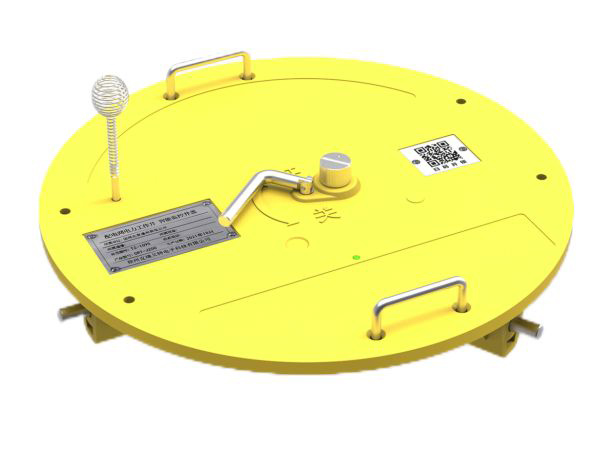 Intelligent Manhole Cover
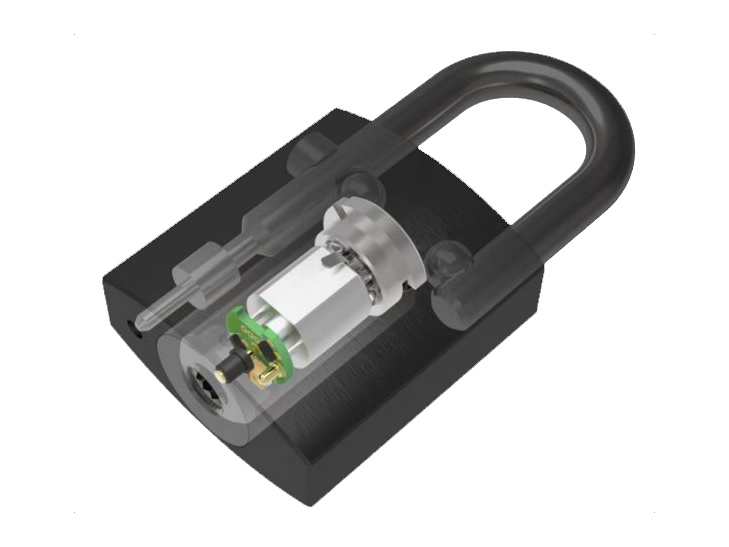 IoT Smart Locks
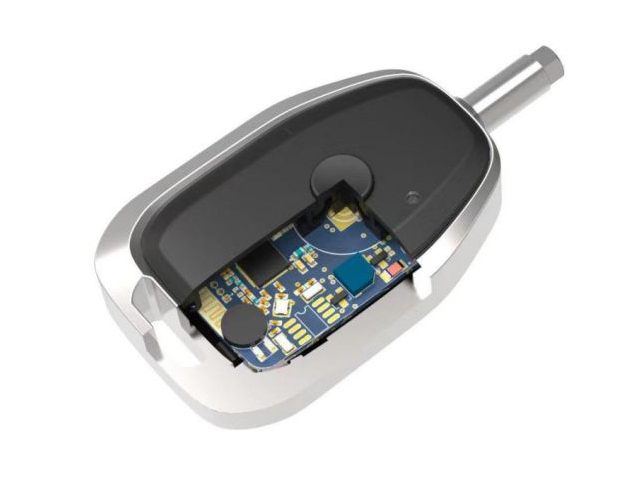 Electronic Keys
 Software


