Inquiry
Form loading...
0%

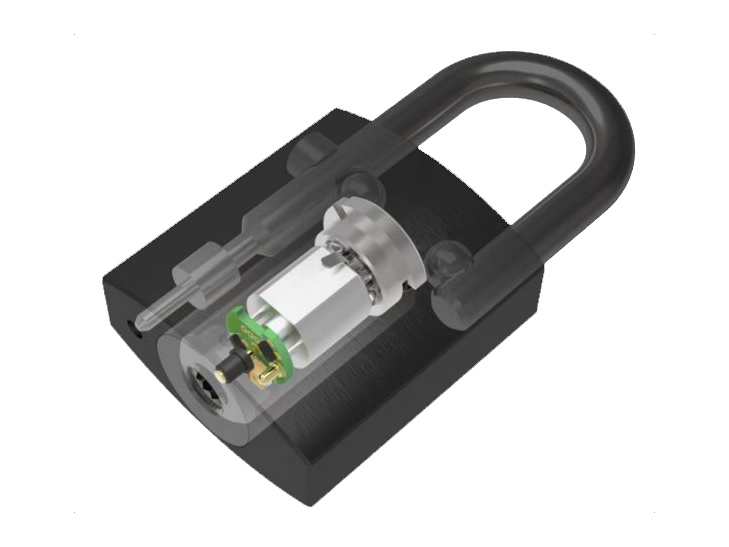
You know, with how quickly technology is changing these days, home security is really going through a big upgrade. There are so many cool new solutions popping up, all aimed at making our lives safer and more convenient. One of the hot new players in this space is the Smart Passive Lock — a pretty sleek piece of tech that’s set to change the way we think about locking and unlocking our homes.

Understanding the Future of Home Security: The Rise of Smart Passive Lock Technology

Companies like Xuzhou CREATE Electronic Technology Co., Ltd., who are big names in security and access management — working across industries from telecom to healthcare and banking — are seeing the huge potential of these locks. They’re not just about keeping things safe — they also play nice with other smart home gadgets, giving homeowners a way to have a truly integrated security setup.

As we dig into what Smart Passive Locks can do, we’ll look at how they benefit us, where you can use them, and what kind of future they’re paving for home security.

The Evolution of Home Security: From Traditional Locks to Smart Solutions

You know, the way home security has evolved over the years is pretty amazing. I mean, it’s gone from just using basic locks to these super cool smart security systems that really change the game. Traditional locks still do the trick, but let’s be honest—sometimes they’re just too simple, and burglars can figure them out pretty easily. But now, thanks to tech advances, we’ve got smart locks that let you control your door from your phone, monitor things in real-time, and even lock or unlock remotely. It’s a total game-changer! Not only does this give us peace of mind, but it also makes life way more convenient—imagine opening your door with just a tap or from miles away.


Understanding the Future of Home Security: The Rise of Smart Passive Lock Technology

If you’re thinking about upgrading, though, it’s good to do a bit of homework first. Check if the lock works with your current door and security setup. And it’s smart to pick a lock with strong encryption because, let’s face it, security threats are always evolving. Oh—and don’t forget, some models come with handy features like temporary codes for guests, so you can keep things secure while still being welcoming.


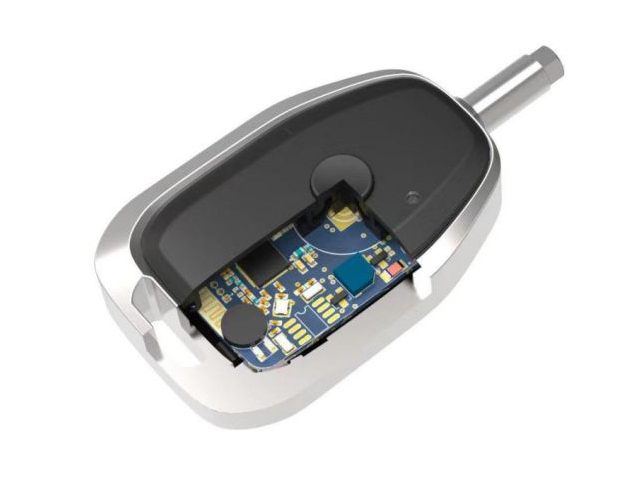
Then there’s this new wave of keyless passive lock tech — stuff that doesn’t even need keys anymore! Using biometric stuff like fingerprint scans or just your phone, these locks add an extra layer of security. Plus, they can connect to other smart home gadgets, making everything work together seamlessly. As this whole home security scene keeps changing, it’s really important for us homeowners to stay in the know and jump on the latest tech to keep our places safe and sound.


When picking a smart lock, do a little research. Look at different brands and models—especially features like backup batteries and logs of who accessed your home. And don’t forget to update the firmware regularly; that way, you’re protected against the latest security loopholes. Staying proactive really pays off in the end.

Key Features of Smart Passive Lock Technology and Their Benefits

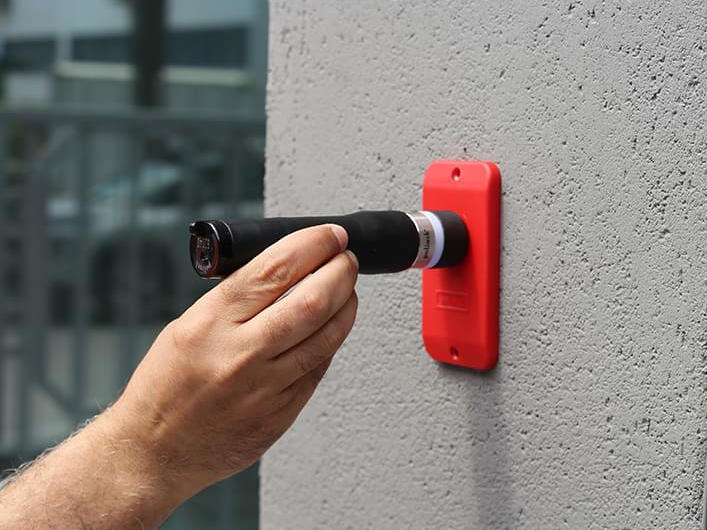
Smart passive lock technology is really changing the game when it comes to home security. It’s all about making access smoother and keeping things safer without a hassle. One of the coolest parts? Its proximity sensing feature. Unlike those old-school locks that need a key or manual unlocking, these smart locks automatically open up when you get close — super handy, especially if your hands are full or you’re rushing out the door. Plus, many of these locks come with top-notch encryption, so you don’t have to worry about someone hacking into your system.

Another thing I love about these locks is how well they play with other smart home gadgets. They often team up with cameras, alarms, and more, helping you build a whole security network. It’s pretty awesome to get instant alerts on your phone whenever someone tries to get into your place or actually does. It definitely gives you a bit more peace of mind.

**Pro tip:** When you’re picking out a smart passive lock, make sure it has a decent battery life and a backup plan in case things go wrong—like power issues or glitches. It’s also smart to go for one that gets regular software updates to stay ahead of security threats. And don’t forget to double-check that it’s compatible with your existing smart home setup — that’ll save you some headaches later on.

Understanding the Future of Home Security: The Rise of Smart Passive Lock Technology

Market Trends: Growth Projections for Smart Home Security Systems by 2025

The smart home security market is really picking up speed, and things are looking pretty exciting. Experts say that by 2025, the worldwide smart home market could hit around $174 billion. Wow, right? And if you zoom in on just the smart security part, it’s expected to jump from about $14 billion in 2020 all the way up to roughly $58 billion in 2025 — that’s a crazy 32% annual growth rate! It looks like more folks are craving smarter solutions that not only keep their homes safe but also make life a whole lot easier.

A big reason for this boom is tech getting better, especially the passive lock systems that are now super sleek and reliable. These clever locks connect with your devices and apps, so you can control your home’s security no matter where you are — pretty handy if you’ve ever forgotten to lock the door, right? Plus, AI and machine learning are stepping into the scene, making these systems even smarter and more effective.

According to Grand View Research, AI-powered home security tech is expected to grow at around 32.5% annually from 2019 to 2025. So, yeah, as we all look to keep our homes safer and make life more convenient, smart security setups are definitely going to become a key part of modern living.

Data Privacy Concerns: Balancing Convenience and Security in Smart Locks

As smart lock technology becomes more and more popular, people's concerns about privacy still worry a lot of folks. I mean, according to a report by MarketsandMarkets, the smart lock market is expected to jump from $1.05 billion in 2020 to a whopping $3.27 billion by 2025 — so clearly, lots of folks are jumping on board. But, here’s the thing: with that kind of growth comes some pretty serious questions about how safe our personal data really is. Many of these smart locks are connected to the internet and need apps to work, which honestly opens up doors—literally—for cyber threats. In fact, an IBM study showed that the average cost if your data gets hacked in 2021 was about $4.24 million, which is no small change. That just goes to show how risky it can be if security isn’t taken seriously in these devices.

Finding the sweet spot between convenience and security is becoming more important than ever. Smart locks do make life easier with features like remote access and simple interfaces, but at the same time, they’re collecting a lot of data—data that could be vulnerable to hackers if we're not careful. A survey by the National Cyber Security Alliance found that around 61% of people are pretty worried about protecting their personal info when using smart tech. So, as manufacturers try to make these smart locks more user-friendly, it’s really crucial that they invest in strong data encryption and be totally transparent about how they handle your info. That’s what it’s gonna take to build real trust and get more people comfortable enough to adopt this kind of technology.

All in all, it’s a balancing act — making sure these smart locks are both convenient and secure enough to keep everyone happy and safe.

Consumer Adoption Rates: Insights Into the Shift to Smart Lock Technologies

The smart lock market is really booming right now, and it’s expected to top over $16.47 billion by 2033. Honestly, a big reason for this surge is that people are craving more convenience and better security for their homes. Plus, with smart home tech becoming more integrated and easier to use, folks are pretty excited to jump on board. You’ve probably noticed new innovations popping up, like passive smart lock tech—those things are making it even easier to lock up and feel safe. Overall, urban living, growing awareness about home safety, and the cool factor of connected devices are all pushing this trend forward.

If you’re thinking about getting a smart lock, a few tips might help. Think about whether it works well with your existing smart home setup — nobody wants to buy something that doesn’t play nice with their other gadgets. Also, check how long the batteries last because nobody likes dealing with dead batteries when they’re in a rush. And don’t forget to look into security features like encryption or alerts for unauthorized access—that stuff is super important. It’s also worth considering different types, like deadbolts or lever handles, to find what fits best with your home and lifestyle.

Oh, and it’s not just smart locks making waves — the market for smart keys is growing fast too. It’s expected to jump from around $4.15 billion in 2024 to roughly $11.31 billion by 2034. That really shows how people are shifting towards smarter, more convenient security options that fit seamlessly into daily life.

Comparative Analysis: Smart Passive Locks vs. Conventional Security Systems

You know, home security has really come a long way. These days, we're seeing this cool new thing called smart passive lock technology, which is pretty much changing the game compared to old-school security systems. I read somewhere—like, a report from MarketsandMarkets—that the market for smart locks is expected to jump from about $1.4 billion in 2020 to a whopping $6.3 billion by 2026. That’s a huge shift, showing just how much folks are leaning toward these modern solutions. What’s great about these smart passive locks is how smoothly they work—they let you handle locking and unlocking via your phone or even your fingerprint, rather than fumbling around for keys like we used to. It’s so much more convenient, honestly.

And get this, a 2021 study by Statista pointed out that more than a quarter of U.S. households—about 25%—are now using some kind of smart home tech, with smart locks leading the charge. That really shows how people are becoming more aware of how much safer and easier their homes can be with these new tech gadgets. Unlike the old locks that could be tricky to set up or maintain, smart passive locks make everything super simple—fewer worries about someone picking the lock or copying your key. Overall, it's clear that moving toward smart home security is pretty much a must now, especially as we face new challenges and want more peace of mind at home.

FAQS

: What are the main differences between traditional locks and smart locks?

: Traditional locks can leave homeowners vulnerable due to their simpler design, while smart locks offer enhanced security features such as remote access, smartphone control, and real-time monitoring.

How can I ensure that a smart lock is secure?

Look for smart locks with robust encryption standards to protect against hacking and choose models that allow for temporary access codes for guests, ensuring both security and hospitality.

What is smart passive lock technology?

Smart passive lock technology eliminates the need for keys, utilizing biometrics or smartphone apps for an extra layer of protection and can integrate with home automation systems for a comprehensive smart home experience.

What factors are driving the growth of the smart home security market?

Key factors include advancements in smart lock technology, demand for innovative security solutions, increased consumer prioritization of safety and convenience, and the integration of AI and machine learning into security systems.

What should consumers consider when adopting smart lock technologies?

Consumers should assess compatibility with existing systems, examine battery life and security features like encryption and alerts for unauthorized access, and evaluate different types of smart locks available.

What are the growth projections for the smart lock market?

The smart lock market is projected to exceed USD 16.47 billion by 2033, driven by demand for convenience and security as well as the integration of smart technologies.

How important is it to update the firmware of smart locks?

Regular firmware updates are crucial to ensure the security of smart locks by benefiting from the latest security patches and improvements.

What types of smart locks are available in the market?

Smart locks come in various types, including deadbolts and lever handles, each offering unique features suited to different user needs.

How is consumer behavior shifting towards smart key technologies?

The smart key market is expected to grow from USD 4.15 billion in 2024 to approximately USD 11.31 billion by 2034, indicating a significant increase in consumer adoption of intelligent security solutions.

What role do convenience and lifestyle enhancement play in the adoption of smart home security systems?

Consumers are increasingly embracing smart home security systems due to the convenience they offer as well as their ability to enhance overall lifestyle quality through connected devices.

Conclusion

So, I came across this article called "Understanding the Future of Home Security: The Rise of Smart Passive Lock Technology," and honestly, it was pretty fascinating. It talks about how home security has come a long way—from the old-school locks we're all used to, to these super sleek, smart passive locks that are changing the game. The article dives into the key features and perks of these locks, like how they can make life easier and really boost your security at the same time. Plus, it touches on the biggest trends expected to take off by 2025 — pretty exciting stuff! Of course, it also doesn’t ignore the bigger picture: concerns about data privacy. It’s all about finding that sweet spot between convenience and keeping your info safe, which is something we all care about, right?

You know what’s interesting? More and more people are jumping on the smart lock bandwagon. They’re just more practical and offer way more features compared to traditional locks. When you compare the two, it's clear that smart passive locks are better suited for today’s security needs. And here's a fun fact — Xuzhou CREATE Electronic Technology Co., Ltd. is really stepping up in this space. As a global leader, they're perfectly positioned to meet the rising demand for these kinds of advanced security solutions. Looks like the future is all about smarter, more connected locks, and these guys are leading the way.

Liam

Liam

Liam is a dedicated marketing professional at Xuzhou Kreit Electronics Technology Co., Ltd., where he excels in promoting the company's innovative electronic products. With a deep understanding of the industry, he consistently showcases his expertise through engaging blog articles on the company’s......
Previous Finding Reliable Sources for Smart Cam Locks in the Global Market