Picking out the right multifunction smart lock can really make a difference in how secure and convenient your home feels. I mean, according to John Smith, an expert in security tech over at SecureTech Solutions, a good smart lock can actually change the way we think about home safety. His point is a great reminder of just how important it is to choose a high-quality lock.
With so many options out there, it can get a bit overwhelming trying to figure out which features matter most—think remote access, keyless entry, real-time monitoring, and all that. For example, a Multifunction Smart Lock With Flexible Authorization makes it super easy to control who gets access—be it family, friends, or service people. That kind of control can seriously change the game in daily life.
That said, it’s not all smooth sailing—new tech can sometimes be complicated to set up. Some folks might find it tricky to tweak advanced settings or sync everything with their existing smart home setup. So, it’s a good idea to weigh the perks against the hassle. Doing a little bit of homework beforehand can help you land on a smart choice that truly boosts your security and convenience without all the headaches.

Factors to Consider When Choosing a Multifunction Smart Lock
When selecting a Multifunction Smart Lock, several factors require your attention. Assessing security features is crucial. Look for locks with advanced encryption technology. Biometric options like fingerprint recognition can enhance security. Consider how easy it is to manage access for multiple users. Some multifunction smart locks allow you to create temporary access codes for guests. This feature is helpful for home-sharing situations.
The lock's connectivity also plays a significant role. Ensure it is compatible with your existing smart home system. Many smart locks connect via Bluetooth or Wi-Fi, allowing remote monitoring. Look for models with a user-friendly app. A well-designed interface can make managing your lock easier. Battery life is another factor. Check if the lock has a low battery alert. This feature can prevent lockouts due to drained batteries.
Also, keep in mind the installation process. Some locks offer DIY installation, while others may require professional assistance. Consider your comfort level with installation. Lastly, think about warranty and customer support. A strong warranty can add peace of mind to your purchase. Multifunction smart locks can significantly enhance your home’s security, but careful consideration is essential.
Understanding Different Types of Multifunction Smart Locks
Understanding the different types of multifunction smart locks is crucial for making an informed choice. There are keyless entry systems that use codes or biometrics. These options offer convenience but may lack traditional backup keys, a factor to consider. Smart home integration is another type, allowing locks to communicate with other devices. Such systems add convenience but might involve complex setup processes.
It's also worth exploring smart locks designed for specific applications. For example, a Smart Manhole Cover With Smart Passive Lock can enhance security for infrastructure. Evaluating features like remote access and security protocols is important. Some locks may have weaker encryption, making them vulnerable to hacking.
User reviews can help gauge performance. However, they may not cover long-term reliability. Look for independent sources to verify claims. Weighing these factors can guide you in choosing a smart lock that meets your needs while ensuring security and usability.
Security Features: Keyless Entry and Encryption Standards
When considering a multifunction smart lock, security features are paramount. Keyless entry systems offer convenience, eliminating the need for traditional keys. A user can unlock their door remotely using a smartphone. This is ideal for busy lifestyles or for managing access for guests. However, reliability is crucial; a lock that fails to recognize your fingerprint can be frustrating.
Encryption standards play a pivotal role in protecting your data. Many smart locks utilize advanced encryption protocols to safeguard your information. Look for locks using AES (Advanced Encryption Standard) to ensure a higher level of security. However, even with the best encryption, vulnerabilities may occasionally surface. Regular software updates are essential to address any potential exploits.
It's also worth noting that convenience must not compromise security. A lock that is too easy to use may pose risks. Users must remain vigilant and continually assess their security needs. Consider how often you change access codes. Delving deeper into user reviews can highlight both strengths and weaknesses. Engage with community forums to gain real insights into actual performance.
Top Tips for Choosing the Best Multifunction Smart Lock
Connectivity Options: Wi-Fi vs. Bluetooth in Smart Locks
When selecting a multifunction smart lock, connectivity options play a crucial role. Wi-Fi and Bluetooth are two common technologies, each with its pros and cons. Wi-Fi allows remote access through your smartphone from anywhere. This means you can unlock the door for guests, even when you're miles away. However, Wi-Fi can drain battery life faster and might require a stable internet connection to function effectively.
On the other hand, Bluetooth offers a more localized approach. It connects directly to your smartphone, which means no reliance on external network stability. You can unlock the door quickly as long as your phone is in range. Yet, this can be limiting if you have guests who need access when you're not around. With Bluetooth, think about the trade-off between convenience and accessibility. Both options have valid use cases, so consider your lifestyle carefully before making a choice.
User-Friendly Interfaces: Mobile Apps and Smart Home Integration
When selecting a multifunction smart lock, user-friendly interfaces are crucial. Mobile apps often dictate the overall experience. A study by Statista shows that 56% of users prioritize ease of use in smart home products. Thus, a well-designed app can enhance the functionality of devices like the Frp Smart Round/Square Manhole Cover With Smart Lock. An intuitive interface ensures that even tech-averse individuals can manage their security seamlessly.
Integration with existing smart home systems is another factor to consider. According to a report by Grand View Research, 40% of households are now equipped with smart home devices. Compatibility with platforms like Amazon Alexa or Google Home can elevate convenience. However, not all smart locks offer this feature, which can cause frustration. An interface that is too complex may lead to issues, reflecting the need for thoughtful design in technology.
Furthermore, compelling analytics reveal that 70% of users abandon apps due to poor usability. It’s essential to embrace feedback when assessing app performance. Users should explore functionalities regularly to ensure they align with their expectations. Striving for improvement is vital. A robust user experience fosters security and trust in devices like the Frp Smart Round/Square Manhole Cover With Smart Lock, yet constant reflection and updates are necessary to maintain that trust.
Top Tips for Choosing the Best Multifunction Smart Lock
| Feature |
Importance |
User Experience |
Compatibility |
| Mobile App Control |
High |
Easy navigation with clear instructions |
iOS and Android supported |
| Voice Assistant Integration |
Medium |
Hands-free operation |
Works with Amazon Alexa, Google Assistant |
| Remote Access |
High |
Monitor access from anywhere |
Requires a stable internet connection |
| Smart Home Integration |
High |
Centralized control for multiple devices |
Integrates with various smart home ecosystems |
| User-Friendly Interface |
High |
Intuitive setup and use |
Compatible with various smart devices |
Cost Analysis: Budgeting for a Quality Smart Lock
When budgeting for a quality multifunction smart lock, it’s crucial to assess your needs. Smart locks come with various features. Keyless entry, remote access, and integration with smart home systems are common. However, not all features are necessary for every user. Analyze what you need and what you can live without.
Costs can vary significantly. Basic models might start around $100, while advanced options can exceed $300. This price variance often reflects the quality and technology involved. It’s tempting to go for low-cost options, but quality often correlates with durability and reliability. Sometimes, spending a little more can save you money on replacements later.
Consider additional expenses, such as installation and maintenance. Hiring a professional locksmith can add to your budget. Some smart locks require a subscription for premium features. Weigh these ongoing costs against your budget. Researching user reviews can help understand long-term satisfaction. It’s vital to strike a balance between cost and performance for the best value.
Expert Recommendations and Industry Ratings for Top Brands
When selecting a multifunction smart lock, consulting expert recommendations is crucial. Industry ratings reflect user experiences and provide valuable insights. Look for locks that offer diverse features, such as keyless entry, remote access, and digital monitoring. This ensures security and convenience in daily use.
Researching various brands is essential. Many experts highlight the importance of ease of installation and user-friendly interfaces. Some locks may promise advanced technology but fail in real-world scenarios. Evaluating how easily a lock integrates into your home’s existing security setup can lead to better choices. A lock that sounds perfect might not perform well in your environment.
Innovative solutions, like access control for smart manhole covers equipped with smart passive locks, showcase emerging trends in security technology. However, with such advancements, it’s vital to assess reliability and performance. Testing a product under actual conditions can reveal potential flaws. Prioritize options that have been rigorously evaluated. Balancing technology and practicality will lead to better decision-making in your selection process.
Enhancing Security and Efficiency in Telecommunication Infrastructure: A Comprehensive Analysis of the CRT-MSJ874 CRAT Cabinet Lock for Base Stations
In the rapidly evolving field of telecommunication infrastructure, the need for enhanced security and operational efficiency is more critical than ever. The implementation of advanced locking systems, such as the CRAT smart cabinet lock, provides a robust solution to address these needs effectively. Designed for base stations, this lock not only secures sensitive equipment but also empowers operators with features that streamline access control and monitoring.
One of the standout benefits of the CRAT smart cabinet lock is its capacity for remote access control. This feature allows administrators to manage entry permissions from anywhere, ensuring that authorized personnel can access essential areas without delay. Temporary task authorization and time-based access capabilities further enhance flexibility, enabling organizations to grant specific access rights for designated periods. This level of control is vital in maintaining security while still allowing for necessary operational efficiency.
Moreover, the lock aids in responsibility clarification and accountability by maintaining detailed access records and providing real-time monitoring. This not only allows for an immediate assessment of who accessed a cabinet and when but also helps in identifying potential security breaches. The inclusion of a blacklist feature for lost keys enhances the overall security posture, ensuring that unauthorized access is effectively mitigated. By integrating such innovative locking solutions, telecommunication infrastructure can be fortified against unauthorized entry while promoting operational excellence.
FAQS
: Focus on advanced encryption technology and biometric options like fingerprint recognition.
Look for locks that allow temporary access codes, especially useful for guests.
Ensure compatibility with your smart home system using Bluetooth or Wi-Fi for remote access.
Yes, a well-designed app simplifies managing your lock and enhances user experience.
Choose models with low battery alerts to prevent unexpected lockouts from drained batteries.
Some locks offer DIY installation, while others may require professional help, which can be challenging.
Basic models start around $100; advanced options can exceed $300. Consider your needs.
Yes, consider installation fees and potential subscription costs for premium features.
Reviews are helpful but may not reflect long-term reliability. Check independent sources for clarity.
Weigh features, cost, and performance to find a smart lock that suits your needs best.
Conclusion
When selecting a multifunction smart lock, it's essential to consider various factors to ensure optimal security and convenience. First, an understanding of the different types of multifunction smart locks available can guide your choice. Keyless entry and industry-standard encryption are critical security features that enhance safety. Additionally, connectivity options like Wi-Fi and Bluetooth offer different benefits, impacting how the lock integrates with your smart home system.
User experience should not be overlooked; a user-friendly mobile app can significantly enhance the functionality of a multifunction smart lock. Budgeting for a quality smart lock is also vital, as it often reflects the lock's security features and technology. Lastly, consulting expert recommendations and industry ratings can help identify the best options available. By considering these elements, you can choose a multifunction smart lock that meets your specific needs and ensures peace of mind.

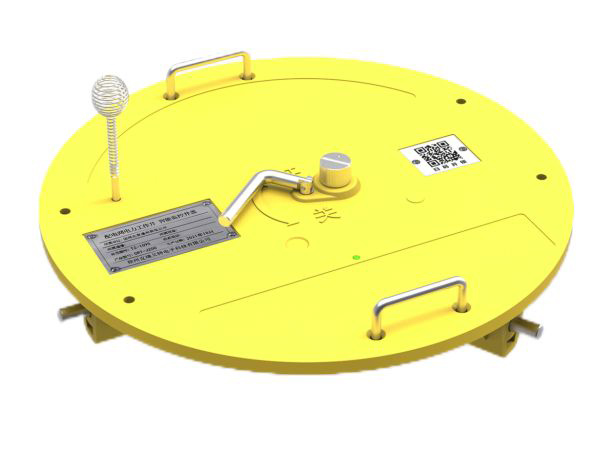 Intelligent Manhole Cover
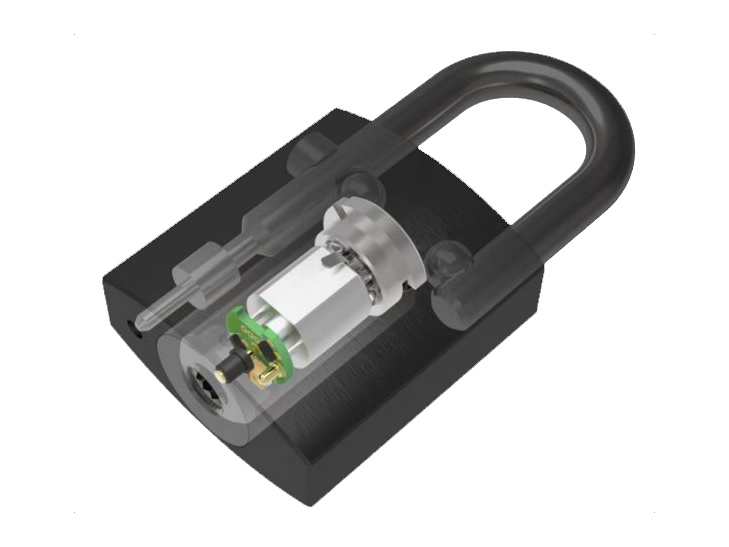 IoT Smart Locks
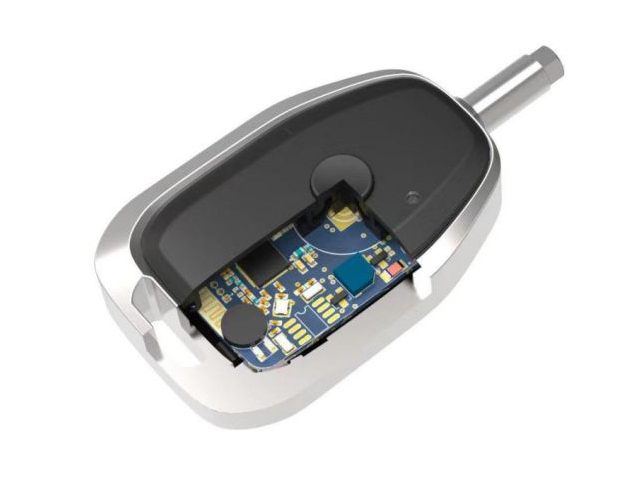 Electronic Keys
 Software


