In today's ever-evolving security landscape, the "Access Control Passive Lock" system stands as a pivotal innovation, enhancing both safety and convenience in various applications. As technology advances, the interplay between physical and digital security becomes increasingly significant. Dr. Emily Carter, a leading expert in access control technologies from SecureTech Solutions, asserts, "The Access Control Passive Lock not only streamlines security protocols but also offers unparalleled flexibility and ease of use." This sentiment highlights the growing demand for solutions that cater to both stringent safety requirements and user-friendly experiences.
The benefits of the Access Control Passive Lock are manifold, addressing concerns across residential, commercial, and industrial sectors. Its ability to seamlessly integrate with existing security infrastructures allows for enhanced protection without the need for extensive modifications. Furthermore, this technology empowers users with a sense of control over their environments, ensuring that access is granted only to authorized individuals while maintaining an effortless locking mechanism.
As we delve deeper into the applications and advantages of the Access Control Passive Lock, it becomes evident that this innovative solution presents a promising future for securing spaces effectively and intelligently. By embracing such technologies, organizations can not only bolster their security measures but also adapt to the dynamic challenges posed by contemporary threats.

Overview of Access Control Passive Lock Systems
Access control passive lock systems are designed to provide enhanced security while ensuring ease of use. Unlike traditional locks that require active engagement, passive locks operate automatically when a door is closed, allowing for seamless entry and exit. These systems employ technology that recognizes authorized individuals, often through keycards, biometric scanners, or even smartphone applications. As a result, they eliminate the need for manual locking and unlocking, which can be particularly beneficial in high-traffic areas where efficiency is crucial.
One of the major advantages of access control passive lock systems is their ability to integrate with existing security measures. For instance, they can be incorporated into comprehensive security frameworks that monitor access points and provide real-time data on entry and exit patterns. This integration enhances safety by enabling immediate responses to unauthorized access attempts. Furthermore, passive locks can reduce wear and tear on physical locking mechanisms since they are not frequently used in the traditional sense, leading to lower maintenance costs over time.
Overall, these systems offer a modern solution to security challenges in various environments, from corporate offices to residential buildings.
Key Components of Passive Lock Mechanisms
Passive locks are integral to modern access control systems, providing a level of security that is both efficient and user-friendly. A passive lock mechanism operates without requiring a physical key to engage or disengage, utilizing innovative technology to ensure secure access. Key components of these systems typically include RFID (Radio Frequency Identification) or biometric sensors. According to a report by MarketsandMarkets, the global biometric system market is expected to grow from $23.2 billion in 2020 to $62.8 billion by 2025, driven by advancements in sensor technologies and the increasing need for secure access solutions.
Another critical component of passive lock mechanisms is their integration with smart home technology. As homes and businesses increasingly adopt IoT devices, the demand for systems that facilitate secure access has surged. A 2021 study by Statista highlighted that the number of smart homes worldwide is projected to reach 500 million by 2025, amplifying the need for reliable access control methods. Passive locks can seamlessly integrate into these ecosystems, offering user-friendly interfaces that enhance the customer experience while maintaining robust security measures.
Additionally, passive locks often utilize advanced algorithms to analyze access patterns, identifying potential security breaches in real-time. This predictive capability is essential in reducing risks associated with unauthorized access. The global physical security market is forecasted to grow at a compound annual growth rate (CAGR) of 8.4%, reaching $119.4 billion by 2027, according to a report by Research and Markets. This growth indicates a rising acknowledgment of the importance of sophisticated access control systems, where passive locks play a pivotal role in safeguarding both residential and commercial properties.
Advantages of Using Passive Locks for Security
Passive locks are an essential aspect of modern security systems, offering numerous advantages for residential and commercial applications. Unlike their active counterparts, passive locks do not require any mechanical action to secure a door or entry point. This inherent design provides a substantial level of security that is both reliable and easy to use. One of the most significant benefits of passive locks is their ability to deter unauthorized access without the complications associated with more complex locking mechanisms.
Employing passive locks can enhance overall safety by simplifying the locking process. Users can quickly secure their premises without fumbling with keys or electronic devices. This feature is particularly beneficial in emergency situations where speed is crucial. Additionally, passive locks often come with a robust design that withstands manipulation attempts, making them an ideal choice for securing vulnerable areas.
Tips for ensuring optimal security with passive locks include regularly checking the lock mechanism for any signs of wear and tear, ensuring that all entry points are properly aligned, and considering supplementary security measures like surveillance cameras to bolster overall protection. Utilizing passive locks in combination with these practices can lead to a safer environment, whether at home or in the workplace, providing peace of mind to users who prioritize security.
Applications of Passive Lock Systems in Various Industries
Passive lock systems are becoming increasingly integral in various industries, offering enhanced security and streamlined access control. These systems function without manual intervention, utilizing sensors and authentication methods to grant entry only to authorized individuals. In sectors such as healthcare, passive locks protect sensitive areas like pharmacies and patient records, ensuring that only qualified staff can gain access. This minimizes the risk of data breaches and maintains compliance with privacy regulations, crucial for maintaining patient trust and safety.
In the commercial sector, passive lock systems are widely adopted within corporate offices for safeguarding confidential information and assets. They enable a seamless flow of authorized personnel into restricted areas while deterring unauthorized access. Additionally, the retail industry benefits from these systems by using passive locks in combination with surveillance technologies to enhance loss prevention strategies, thus reducing theft and increasing operational efficiency. As industries continue to prioritize security and convenience, the versatility and effectiveness of passive lock systems will likely drive their widespread adoption across various applications.
Comparative Analysis: Passive vs. Active Lock Systems
When it comes to security solutions, understanding the differences between passive and active lock systems is crucial. Passive lock systems operate without the need for user intervention—they engage automatically when the door closes, ensuring immediate and efficient security. In contrast, active lock systems require manual operation, often relying on electronic components and user inputs. This fundamental difference influences their applications, effectiveness, and user convenience.
One of the primary benefits of passive locks is their ease of use. With no buttons to press or keys to fumble with, these systems reduce the probability of user error. They are ideal for high-traffic areas where quick access is essential. Conversely, active locks may offer enhanced features such as remote locking and unlocking, but they can introduce complexity that might not be necessary in all contexts.
**Tips:** For environments where quick access is vital, consider using passive lock systems to streamline movement without compromising security. On the other hand, if your priority is advanced monitoring and control, active locks are worth the consideration, especially in settings that require frequent access changes. Always assess the specific needs of your environment to choose the right lock system for optimal safety and convenience.
Future Trends in Access Control Passive Lock Technology
The landscape of access control passive lock technology is rapidly evolving, driven by advancements in security needs and user convenience. As smart building technologies grow more prevalent, the demand for passive locks that offer seamless integration with various systems is on the rise. Future trends indicate a shift toward using biometric authentication, which not only enhances security but also streamlines user access. By incorporating features such as facial recognition or fingerprint scanning, these locks provide a level of protection that is difficult to bypass while facilitating a hassle-free user experience.
Moreover, the incorporation of IoT (Internet of Things) capabilities is set to revolutionize access control passive lock systems. These advancements allow locks to connect to broader security networks, enabling real-time monitoring and data analysis. Such connectivity can enhance security by providing alerts about unauthorized access attempts and allowing remote management for users. As technology progresses, we can also expect to see developments in energy efficiency, with passive locks designed to operate on minimal power while maintaining high security standards. These innovations will create more intelligent, responsive, and user-friendly access control solutions, setting the stage for a safer and more connected future.
Best Practices for Implementing Passive Lock Solutions
When implementing a passive lock solution for access control, it's essential to follow best practices to maximize security and efficiency. One critical tip is to conduct a thorough risk assessment of your facility. Understand the unique access needs of different areas and identify potential vulnerabilities. Tailoring your passive lock system to address these vulnerabilities will help ensure that only authorized personnel can enter restricted zones.
Another vital practice is to regularly update and maintain the passive lock devices. This includes checking the mechanical components for wear and tear and ensuring that electronic systems are functioning correctly. Schedule periodic audits to verify that access logs are accurate and that all security protocols are followed. This diligence not only enhances security but also builds trust among users regarding the reliability of the locking mechanisms.
Training staff on the importance of access control and how to use the passive lock systems effectively is also critical. Providing clear guidelines about the protocol for accessing secure areas and emphasizing the importance of safeguarding access cards or keys will help deter unauthorized access. Regular training sessions can ensure that all team members remain informed about the latest security practices and their responsibilities within the access control framework.
Conclusion
The article "Understanding Access Control Passive Lock: Benefits and Applications Explained" delves into the fundamental aspects of Access Control Passive Lock systems. It provides an overview of these innovative locking mechanisms, highlighting key components that enhance security. The advantages of using passive locks include increased safety, ease of use, and a reduction in unauthorized access. Various industries are adopting passive lock systems for their unique applications, illustrating their versatility.
Furthermore, the article offers a comparative analysis of passive versus active lock systems, shedding light on the suitability of each type for different environments. It also discusses future trends in Access Control Passive Lock technology, emphasizing ongoing advancements. Finally, best practices for implementing passive lock solutions are outlined, ensuring organizations can effectively enhance their security infrastructure.

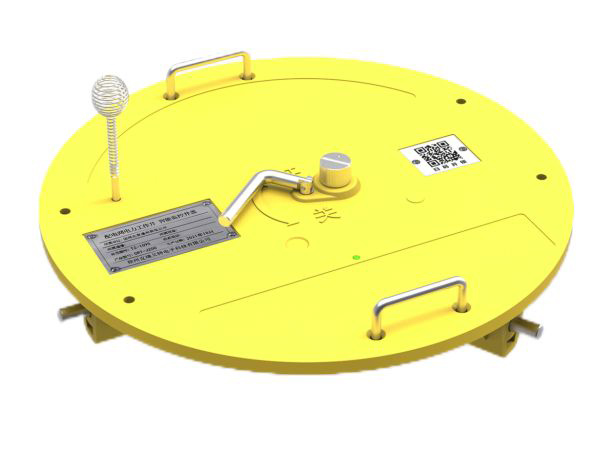 Intelligent Manhole Cover
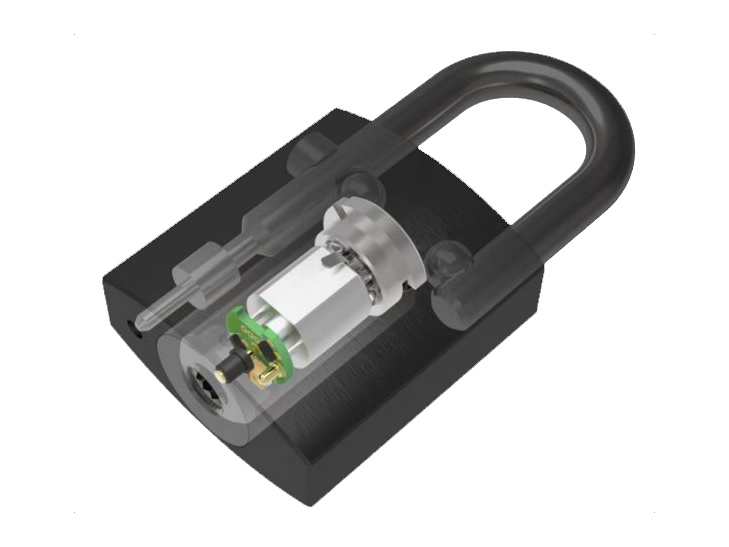 IoT Smart Locks
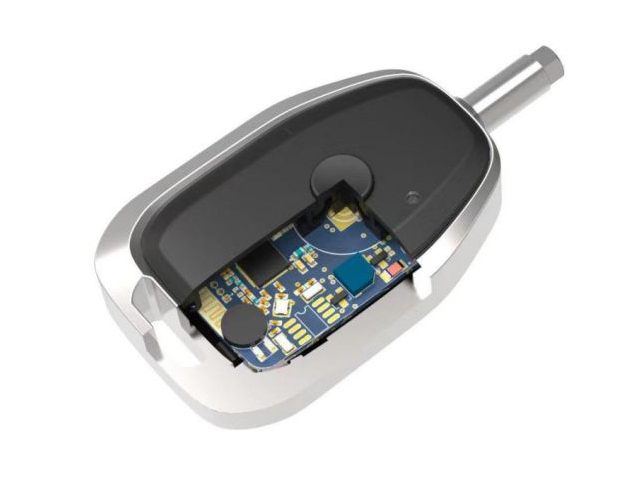 Electronic Keys
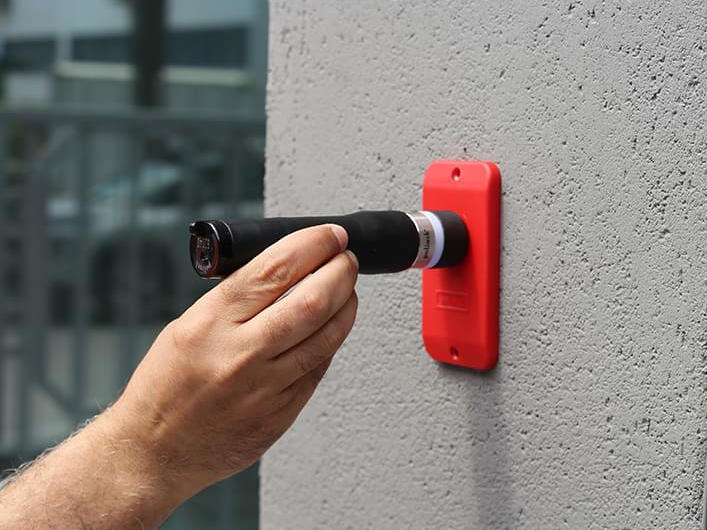 Guard Patrol
 Software


