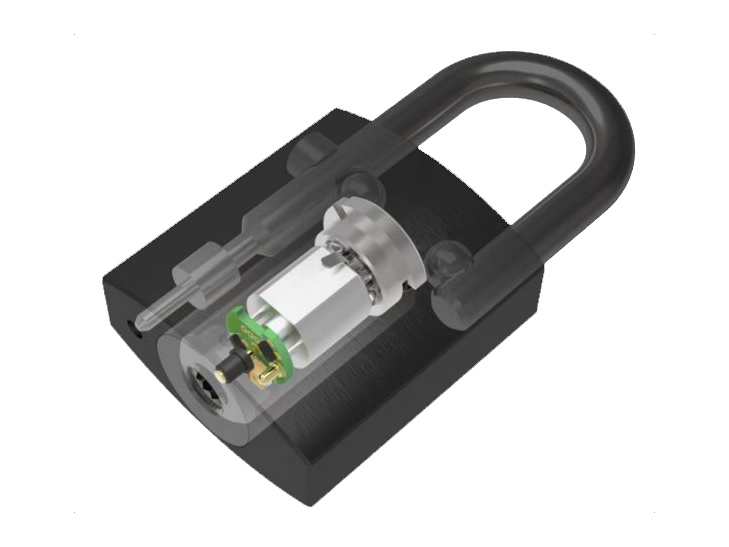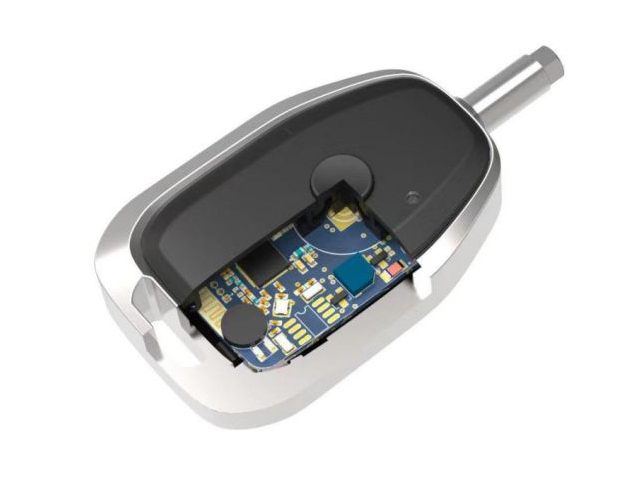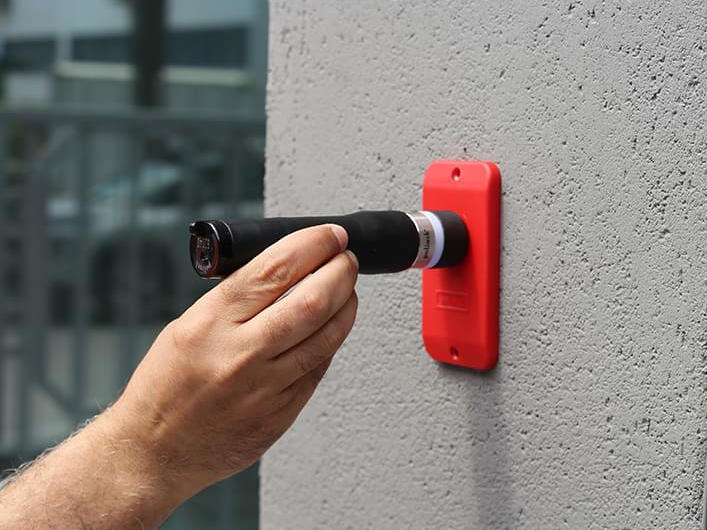
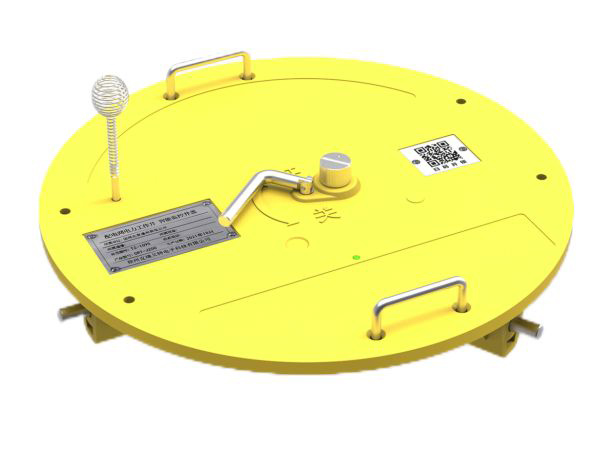
Looking ahead to 2025, it’s hard to overemphasize how crucial advanced security solutions, like the Master Key Smart Passive Lock, are going to be. A recent market research report predicts that the global smart lock market will hit a staggering USD 2.3 billion by 2026, with an impressive growth rate of 20.5% from 2021 to 2026. That's a clear sign that smart tech is making its way into security systems across various sectors—think telecommunications, healthcare, and logistics—where companies like Xuzhou CREATE Electronic Technology Co., Ltd. really shine. With the demand for solid access management on the rise, adopting innovative solutions like the Master Key Smart Passive Lock is going to be key in protecting assets and boosting operational efficiency. In this blog, we’re diving into the latest trends and standards in smart locking technologies that are set to reshape the security landscape going into 2025 and beyond.
Hey there! As we roll into 2025, smart lock technology is really taking off, and it’s bringing some super cool security solutions for both homes and businesses. The global smart home market is projected to surge from around $121.59 billion in 2024 to about $147.52 billion in 2025! That’s a clear sign that more and more folks are trusting and getting excited about these high-tech security systems. Innovations in smart locks—like biometric access and remote monitoring—are totally changing the game when it comes to how we protect our spaces.
One trend I’ve noticed is the awesome integration of IoT (Internet of Things) features. This means homeowners can control their locks right from their smartphones or other connected gadgets, which is just wild! It’s all about convenience, right? Plus, it boosts security with real-time alerts and remote access. And let’s not forget about passive lock systems—they’re designed to make things easier while still packing some serious security punch, which really helps cut down the chances of break-ins. So, as we get closer to the mid-2020s, it’s definitely a good idea to keep an eye on these trends if you wanna step up your security game!
So, here's the deal: the smart lock scene in China is really about to take off! A recent report from QYResearch suggests that the market could hit around $4.3 billion by 2025. Crazy, right? This boom in demand is mainly due to more folks looking for security solutions that are not just high-tech but also super user-friendly. As cities keep growing, the need for better security in both homes and businesses is becoming a big deal. Master key systems are leading the way in this shift since they make access management way easier while still keeping everything secure.
On another note, smart passive locks are on the brink of shaking things up big time. Statista’s report shows that by 2025, over 30% of urban areas might be using smart locks. That says a lot about how manufacturers are really getting into the groove of integrating fancy tech like biometric authentication and remote access control into their products. With competition heating up in China’s smart lock market, both makers and buyers are gonna need to pay more attention to master key systems. Smart locks with those master key features are shaping up to be the complete package — balancing convenience and security in a market that's changing fast.
| Feature | Benefit | Trend Status | Market Penetration (%) | Consumer Preference (%) |
|---|---|---|---|---|
| Biometric Authentication | Enhanced Security | Rising | 30 | 45 |
| Mobile App Integration | Convenience | Growing | 50 | 70 |
| AI-Powered Analytics | Predictive Security | Emerging | 15 | 25 |
| Enhanced Durability | Longer Lifespan | Established | 80 | 60 |
| Remote Access Control | Flexibility | Increasing | 40 | 55 |
In the evolving landscape of security technology, the integration of passive security features in smart locks is becoming increasingly vital. According to a report by MarketsandMarkets, the smart lock market is projected to grow from $1.2 billion in 2020 to $2.7 billion by 2025, reflecting a significant trend toward enhancing security through innovative features. Passive security elements, such as reinforced structures and tamper-proof mechanisms, serve as the first line of defense against unauthorized access, often complementing active security measures like biometric scanning and remote monitoring.
Additionally, the adoption of passive security features can greatly enhance user convenience and peace of mind. Research from Statista reveals that 60% of consumers are more inclined to invest in smart home devices that not only offer convenience but also prioritize safety. For instance, smart locks equipped with automatic locking and alert systems help mitigate risks without requiring constant user input. As homeowners increasingly recognize the importance of security in their decision-making, the role of passive features in smart locks will continue to shape the future of home security, paving the way for smarter, safer living environments by 2025.
As we roll into 2025, the blend of IoT tech and smart passive locks is really changing the game when it comes to security and convenience in our day-to-day lives. A recent report from ABI Research even suggests that the global smart lock market is set to skyrocket to over $3 billion by 2025, mainly thanks to all that fancy IoT integration. This cool tech means you can access your home right from your smartphone, giving you supercharged security and a level of convenience that’s just remarkable. With smart passive locks connected to IoT networks, you can keep an eye on who’s coming and going from your home and get real-time alerts. It’s like turning your home security from a reactive approach into a proactive one, which is pretty neat, right?
But it doesn’t stop there. The influence of IoT in this space goes way beyond just making life easier. According to MarketsandMarkets, the IoT in smart home market is expected to grow by about 27.1% a year from 2020 to 2025, showing just how much people want these integrated systems that boost both safety and the overall experience. In this evolving landscape, smart passive locks with IoT capabilities really shine—they let homeowners automate access points and set up custom schedules, all while keeping security tight. As we keep seeing innovations pop up, these smart locks are just the first steps towards a future that’s not only more secure but also more connected.
You know, the smart lock market is really buzzing right now! A lot of top manufacturers in China are getting super creative to keep up with the competition. Technology is really shaking things up—it's completely reimagined the old school locking systems we’re used to. Now, we’re seeing smarter locks that are more secure and have user-friendly designs that just make sense. Companies are pouring a ton of resources into research and development, and they're using cool techniques like automation and precision engineering. This means they can whip up high-quality products without breaking the bank. Plus, it makes the locks tougher and more functional while speeding up how quickly they can get their products out to us.
And get this: sustainability is becoming a big deal in the smart lock scene! More and more, Chinese manufacturers are jumping on the eco-friendly train, focusing on using green materials and energy-efficient production methods. It’s not just about keeping the environment safe, although that’s super important—it's also responding to what customers want these days. Everyone's looking for products that are kind to our planet, right? This shift is also about following those international rules that aim to cut down on carbon footprints. As these companies emphasize quality and sustainability, they're setting new standards for the industry, paving the way for smart locks that not only keep us safe but are also gentle on Mother Earth.
As we dive into the world of smart homes in 2025, keeping everything secure is a big deal. Sure, smart devices make our lives super convenient, but they also open the door to some serious security risks that bad actors can take advantage of. In this ever-changing landscape, having strong security measures in place is absolutely crucial. That’s why Xuzhou CREATE Electronic Technology Co., Ltd. is all in. They get these challenges and are all about crafting innovative security solutions that cater to a bunch of different industries—think telecommunications and healthcare, just to name a couple.
Now, let’s talk about smart passive locks. This is a game changer in home security! These fancy locking systems offer effortless access control while still being tough against unauthorized break-ins. By using cutting-edge tech—like biometric authentication and real-time monitoring—these locks let homeowners manage their security like pros. Xuzhou CREATE is leading the way in this shift, providing top-of-the-line products to keep both homes and businesses safe in our hyper-connected world.
: The global smart home market is expected to increase from approximately $121.59 billion in 2024 to $147.52 billion in 2025.
IoT capabilities allow homeowners to manage their locks through smartphones and other connected devices, offering convenience and enhancing security with real-time alerts and remote access options.
Passive lock systems combine ease of use with robust security measures, reducing the risk of unauthorized entry.
China's smart lock industry is projected to reach approximately $4.3 billion by 2025.
Technologies such as biometric authentication and remote access control are increasingly being integrated into smart locks.
The interconnectedness of smart devices introduces potential vulnerabilities that can be exploited by malicious actors, making robust security measures essential.
Xuzhou CREATE is committed to developing innovative security solutions, including smart passive locks that offer advanced features like biometric authentication and real-time monitoring.
The penetration rate of smart locks in urban areas is expected to exceed 30% by 2025.