You know, with security worries on the rise all over the world, the market for electronic smart lock cylinders is really heating up! A recent report by MarketsandMarkets even predicts that the electronic lock market will jump from about $1.8 billion in 2020 to a whopping $3.6 billion by 2025—that’s an impressive growth rate of 14.2%! What’s driving all this? Well, urbanization is picking up pace, folks need smarter security solutions, and there’s a growing appetite for the latest smart home tech.
For businesses across various fields—whether it’s telecom or healthcare—picking the right electronic smart lock cylinder is super important for keeping security tight and managing access effectively. Xuzhou CREATE Electronic Technology Co., Ltd., a big player in the security solutions game, totally gets this trend and provides some really innovative tech that meets the specific needs of different industries.
In this blog, we’ll dive into how to find the perfect electronic smart lock cylinder that fits your needs, looking at things like functionality, connectivity, and how well it jives with your current security setups.
Understanding Electronic Smart Lock Types and Their Features
When choosing an electronic smart lock cylinder, understanding the different types and their features is crucial to find the right fit for your needs. The most common types include keypad locks, smart locks with mobile app connectivity, and biometric locks. Keypad locks allow users to enter a numeric code to unlock, offering ease of use, especially for families. Smart locks with mobile apps provide remote access and control through smartphones, enabling users to lock or unlock their doors from anywhere, track entries and exits, and even send digital keys to guests.
Biometric locks take security a step further by using fingerprint recognition technology. These locks provide a high level of security as they ensure only registered users can gain access. However, it’s essential to assess the features offered by each category. Look for locks with tamper alerts, emergency keys, and long battery life. Evaluate if the lock is compatible with your existing door hardware and whether it suits your lifestyle, whether you frequently have guests, or need seamless integration with a smart home system. With this understanding, you can confidently select the best electronic smart lock cylinder tailored to your needs.
Key Considerations for Selecting the Right Smart Lock Cylinder
So, when you're on the hunt for an electronic smart lock cylinder, there are a few important things you really should keep in mind. First off, security features need to be at the top of your list! You know, a report from the Electronic Security Association found that about 70% of homeowners worry about their home security. So, it’s a big deal! Look for models that boast advanced encryption, anti-tampering features, and maybe even automatic locking. Oh, and if the smart lock can hook up with your other home security gadgets—like alarms or cameras—that's a real bonus for your peace of mind.
Then there's the whole compatibility thing with your existing door hardware. It's kinda wild, but studies suggest that around 30% of folks run into trouble when they try to retrofit a smart lock onto their current setup. You don't want to end up with something that just doesn't fit! So, definitely check that the smart lock cylinder you're eyeing can jive with your door's thickness, lock type, and the finish style.
And don’t forget to take a peek at user reviews; a whopping 85% of people say that how easy it is to install and use seriously affects their happiness with smart home gear. So, make sure to go for smart locks that come with user-friendly apps for remote control and monitoring—because who doesn't want a bit of extra convenience and reassurance?
Comparing Security Ratings: ANSI/BHMA Standards for Smart Locks
When you're on the hunt for the perfect electronic smart lock cylinder, it's super important to get a good grip on those security ratings. The American National Standards Institute (ANSI) and the Builders Hardware Manufacturers Association (BHMA) are the big players setting those standards, classifying locks based on their security features, how tough they are, and overall performance. Smart locks typically get rated from Grade 1 to Grade 3—Grade 1 being the lock that gives you top-notch security, which is really the go-to choice for places like offices and commercial spaces. You know, I recently stumbled upon a report from the National Institute of Standards and Technology (NIST) that highlighted how advanced locking mechanisms can really cut down on unauthorized access. It really drives home how crucial it is to go for a lock that has a solid ANSI/BHMA rating.
At Xuzhou CREATE Electronic Technology Co., Ltd., we're all about understanding what different industries need—think telecommunications, healthcare, and banking, for starters. Our smart lock solutions have got your back, designed to meet those tough ANSI/BHMA standards to boost security and reliability no matter the application. And get this: data from the Security Industry Association (SIA) reveals that high-quality electronic locks can slash security breaches by up to 40%! So, making an informed choice isn’t just a smart move; it really does help protect your space.
Assessing Connectivity Options: Wi-Fi, Bluetooth, and Z-Wave Explained
When choosing an electronic smart lock cylinder, one of the most critical factors to consider is the connectivity options it offers. The three primary technologies available are Wi-Fi, Bluetooth, and Z-Wave, each with distinct features that cater to different needs. Wi-Fi-enabled locks allow for remote access and control via smartphone apps, letting users monitor their locks from anywhere in the world. However, these locks typically require more power and a stable internet connection, which can be a drawback in terms of battery life.
On the other hand, Bluetooth smart locks offer a more localized solution. They communicate directly with your smartphone when in proximity, making them easy to use without needing an internet connection. This type is often favored for its straightforward setup and reliability, although it lacks long-range capabilities. Meanwhile, Z-Wave technology excels in smart home integration, connecting the lock to a broader network of devices, including alarms and cameras. This allows for cohesive automation but requires a compatible Z-Wave hub. Ultimately, the best choice depends on whether you prioritize remote access, ease of use, or integration within a smart home ecosystem.
Connectivity Options for Smart Lock Cylinders
Integration with Home Automation Systems: Benefits and Compatibility
So, when you’re picking out an electronic smart lock cylinder, one really important thing to think about is how well it works with your home automation systems. You know, a recent study from the Consumer Technology Association found that a whopping 70% of homeowners are keen on smart home tech. That's a clear sign that people want gadgets that can easily connect with all sorts of devices around the house. Smart locks that play nice with platforms like Google Home, Amazon Alexa, and Apple HomeKit can really boost your convenience and security game.
And the perks of this kind of integration? They’re pretty impressive! Imagine having a home automation system where you can peek at your smart locks remotely. You’d get real-time notifications and could even let guests in, all while you stay cozy at home. A survey by Statista showed that 55% of smart lock users really value the ability to control their locks through mobile apps connected to their home automation systems. It’s a total game-changer for streamlining security and keeping your home life more manageable, while also lowering the risk of someone sneaking in. So, when you're on the hunt for a smart lock, definitely check how well it fits in with your current home automation setup. It could really amp up your home's security vibe!
How to Choose the Best Electronic Smart Lock Cylinder for Your Needs - Integration with Home Automation Systems: Benefits and Compatibility
| Feature |
Description |
Benefits |
Compatibility |
| Wireless Connectivity |
Supports Wi-Fi or Bluetooth to connect with smart home systems. |
Allows remote access and control from smartphones. |
Compatible with most home automation systems. |
| User Management |
Provides options to manage multiple users and access levels. |
Easy sharing of temporary or permanent access. |
Integrates seamlessly with apps like Google Home or Amazon Alexa. |
| Security Features |
Includes encryption, two-factor authentication, and tamper alerts. |
Enhanced security and peace of mind. |
Compatible with security monitoring systems. |
| Battery Life |
Typically lasts several months to a year on a single charge. |
Less frequent battery changes reduce maintenance hassle. |
Compatible with battery health monitoring apps. |
| Design and Build Quality |
Made from robust materials to withstand corrosion and wear. |
Durability ensures long-term functionality. |
Fits into a variety of standard cylinder sizes. |
Evaluating User Experience: App Functionality and Keyless Entry Options
So, when you’re on the hunt for the perfect electronic smart lock cylinder, it’s super important to think about user experience. You really want to pay attention to how the app works along with your keyless entry options. I came across this report from the Freedonia Group, and it says the smart lock market is gearing up to grow by an impressive 13% every year until 2025! This just shows how essential it is to pick a lock that seamlessly connects with your smartphone. You definitely want it to be user-friendly and reliable, right?
Before you make that purchase, take a moment to consider how the app functions. Look for features like remote access, activity logs, and customizable notifications—these can really make a difference in your experience and give you that peace of mind. And don't forget about those app updates! They often come with security patches and neat new features that can really enhance your smart locking experience.
Let’s not forget about keyless entry options—they can really make life easier! A survey from Statista showed that over 65% of folks prefer keyless entry systems because they’re just so convenient and secure. So, when you're narrowing down your choices for a smart lock, make sure it offers a handful of keyless entry methods—whether that's fingerprint scanning, accessing via a mobile app, or just entering a pin code. Mixing it up can help you accommodate all sorts of situations and personal preferences.
FAQS
NSI/BHMA standards for smart locks?
A high ANSI/BHMA rating indicates enhanced security features, making the lock suitable for commercial applications and significantly reducing the risk of unauthorized access.
Advanced locking mechanisms can significantly lower the chances of unauthorized access, highlighting the need for smart locks with high security ratings.
Look for smart locks that are compatible with home automation systems like Google Home, Amazon Alexa, and Apple HomeKit to enhance convenience and security.
It allows users to monitor and control their locks remotely, receive real-time notifications, and grant access to guests when they're away, improving overall convenience.
Essential app features include remote access, activity logs, customizable notifications, and consistent updates for improved functionality and security.
A smart lock should support multiple keyless entry methods, such as fingerprint scanning, mobile app access, and numeric codes, to provide flexibility and convenience.
About 70% of homeowners express interest in smart home technology, indicating a growing demand for compatible products like smart locks.
The smart lock market is projected to grow at a compound annual growth rate (CAGR) of 13% through 2025.
Data suggests that high-quality electronic locks can reduce security breaches by up to 40%, offering significant benefits for both businesses and consumers.
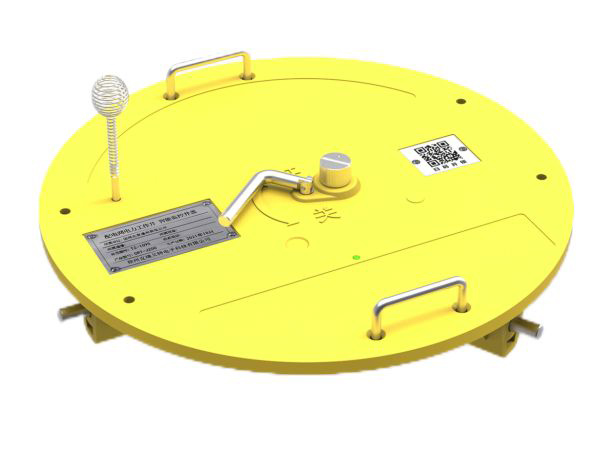 Intelligent Manhole Cover
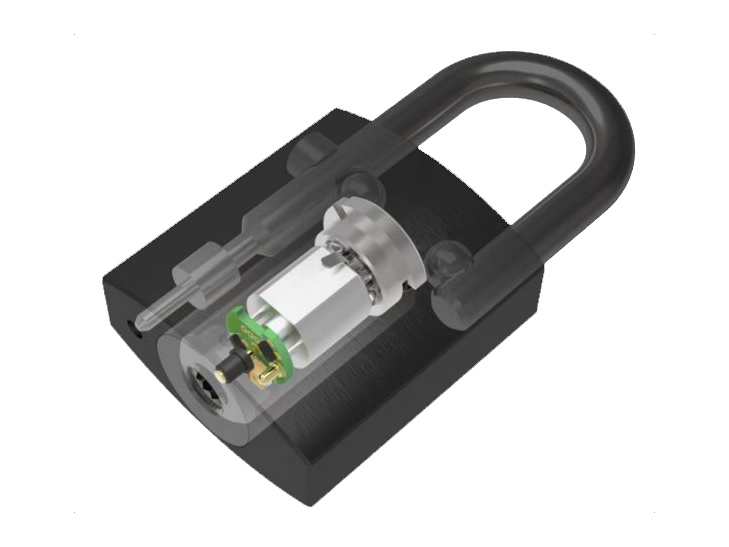 IoT Smart Locks
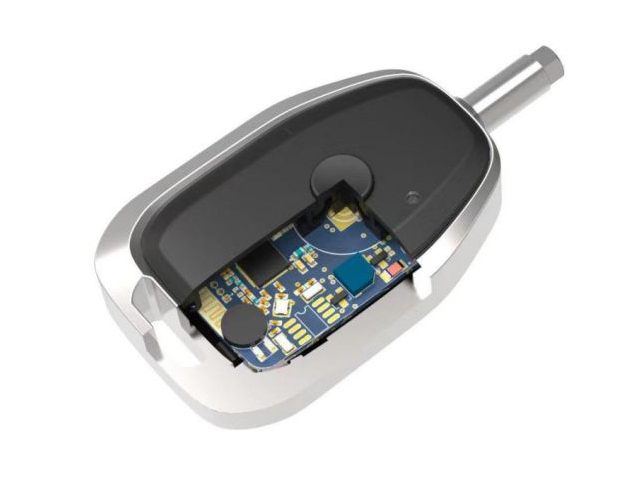 Electronic Keys
 Guard Patrol
 Software


