
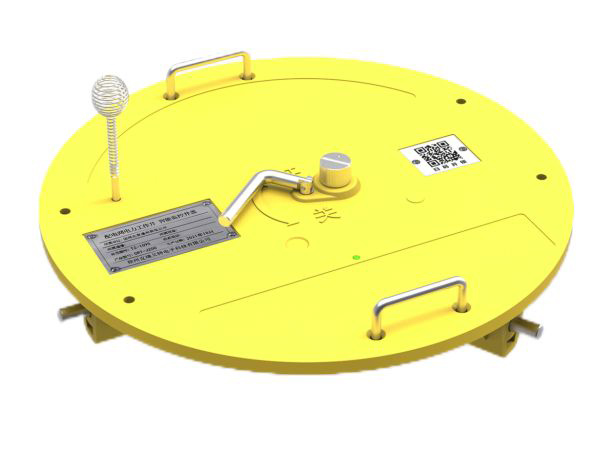
 Intelligent Manhole Cover
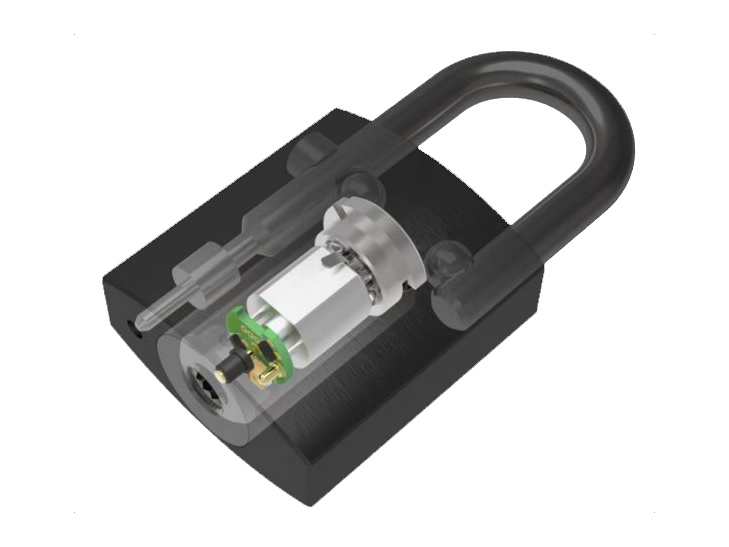 IoT Smart Locks
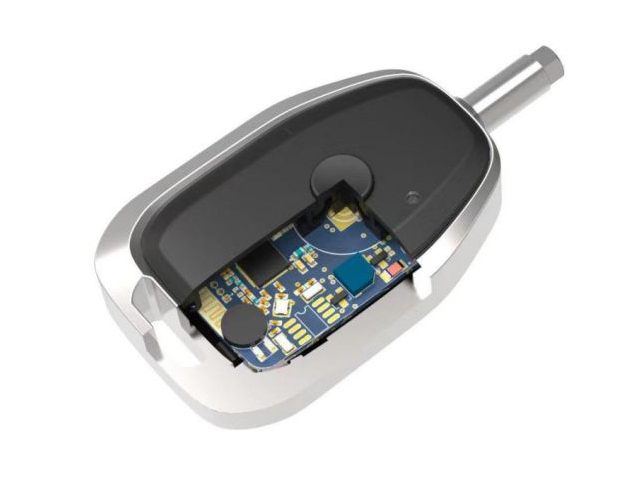 Electronic Keys
 Software
Inquiry
Form loading...
In today's world where safety is more important than ever, using an Intelligent Passive Padlock in the power industry is pretty much a game-changer. David Thompson, a well-known pro when it comes to industrial security, points out, "The Intelligent Passive Padlock For Power Industry offers unmatched reliability and convenience." This new locking system is designed to boost security across critical infrastructure sites.
What makes this padlock even cooler is that it’s super sophisticated tech, yet it doesn’t need batteries or external power. That’s a huge plus, especially in those hard-to-reach or remote places where traditional locks might not hold up. Given how costly power outages can be, controlling access effectively is absolutely essential.
But it’s not all smooth sailing. There are some hurdles too. Companies need to think about how to fit these new locks into their existing security setups. Plus, training staff properly is key if they want to get the most out of this tech. As industries keep changing and upgrading, it’s pretty clear that embracing these kinds of advancements is the way forward. Still, finding the right balance between high-tech solutions and human touch is so important. Overall, the Intelligent Passive Padlock is really leading the way in this security evolution.

In the power industry, security measures are crucial. OEM custom intelligent passive padlocks provide an advanced locking solution. These locks use cutting-edge technology for access control, ensuring only authorized personnel can reach sensitive areas. Data from industry reports indicate that 30% of power sector theft can be traced to inadequate security systems. A robust padlock design can significantly mitigate this risk.
Understanding OEM custom intelligent passive padlocks is vital. They often feature stainless steel construction, offering durability in harsh environments. The padlock’s passive design means fewer electronic components, reducing failure points. A recent survey revealed that 75% of site managers prefer products that emphasize reliability and ease of use. However, not all installations go smoothly. Some users report challenges integrating these locks with existing systems.
Access Controlled Stainless Steel Padlock For Power Industry is becoming the standard. Users must be aware of their limitations. For instance, while the smart features add convenience, they can be vulnerable to specific hacking attempts. Companies should remain diligent and ensure regular updates and checks on their security infrastructure. Balancing technology and practical application remains a challenge worth addressing.
| Feature | Description | Application | Benefits |
|---|---|---|---|
| Smart Lock Mechanism | Utilizes advanced technology for secure access control | Power plants, substations, and energy facilities | Enhanced security and reduced unauthorized access |
| Data Logging | Records entries and exits for audit trails | Regulatory compliance and operational monitoring | Improved accountability and incident response |
| Remote Access | Allows for unlocking via mobile app or web interface | Managing locks from a distance in large facilities | Convenience and efficiency in access management |
| Weather Resistance | Designed to withstand harsh environmental conditions | Outdoor installations and exposed areas | Durability and long service life |
| User-Friendly Interface | Simple controls for operators and administrators | Training and daily operations in power facilities | Reduced training time and ease of use |
In today's fast-paced world, security solutions are evolving to meet the demands of convenience and safety. The CRT-G200L CRAT passive padlock exemplifies how modern technology can maximize both security and convenience. With a focus on battery-driven smart locks, users benefit from features such as remote access, allowing them to monitor and control their lock from virtually anywhere. This feature not only enhances security by enabling users to grant access without being physically present, but it also adds a layer of convenience that traditional locks simply cannot offer.
Installation is another key advantage of modern smart locks, which are designed for easy setup and integration into existing security systems. The minimalist design of these locks allows for straightforward installation, often requiring minimal tools and time. Furthermore, battery-driven mechanisms promote energy efficiency, ensuring that these locks function effectively without excessive power consumption. This flexibility makes smart locks a suitable option for a variety of settings, from residential homes to expansive commercial properties, appealing to a wide range of users who prioritize both security and ease of use.
: It is a secure locking device designed for the power industry, featuring advanced technology and a passive locking mechanism.
They offer real-time monitoring and access tracking, ensuring only authorized personnel can access critical areas.
Yes, they are built to withstand tough conditions, ensuring durability and reliability when security is essential.
Proper alignment with the hasp and using specified mounting hardware are crucial for effective installation and operation.
Regular testing prevents unforeseen failures, as many padlocks malfunction within the first year if improperly installed.
Regular checks for wear and applying lubricant can keep the padlock functioning smoothly and prevent major issues.
It’s recommended to replace the battery every six months to avoid potential operational failures.
Misalignment and neglecting specified mounting hardware can lead to malfunctions and security risks.
Well-trained personnel are less likely to misuse the padlocks, minimizing risks of accidental openings during operations.
Addressing even small problems immediately can prevent them from escalating into significant failures later on.
The article "How to Use OEM Custom Intelligent Passive Padlock For Power Industry" provides a comprehensive overview of the innovative security solution tailored for the power sector. It begins by explaining the unique features of Intelligent Passive Padlocks, emphasizing their significance in enhancing security within power applications. The installation process is clearly outlined, ensuring users can effectively integrate these padlocks into their existing systems.
Operational mechanisms are discussed, highlighting how these padlocks operate efficiently without the need for active power sources. The article also shares best practices for integration and maintenance tips that ensure the longevity and functionality of the padlocks. Additionally, case studies showcasing successful implementations in the power industry illustrate their effectiveness. Overall, this article serves as a valuable resource for stakeholders looking to enhance security with Intelligent Passive Padlock For Power Industry solutions.


