Choosing the right Intelligent Passive Padlock For Power Industry is a pretty big deal if you want to boost security and keep operations running smooth. The truth is, the global power sector's been under growing cyber threats lately. I mean, a report from the International Energy Agency just flagged a 30% jump in security breaches over the last three years—that’s quite alarming. It really underscores how important it is to have solid access control measures in place.
Industry experts like John Michael, who’s a security consultant at PowerSecure Solutions, often stress how crucial durable, smart padlocks are. He usually says, “The future of security in the power industry is all about advanced technology.” A tough Intelligent Passive Padlock for Power Industry doesn’t just keep physical stuff safe; it also plays nicely with digital monitoring systems, giving you a full-on security setup.
Of course, with so many options out there, picking the right one isn’t always straightforward. You’ve got to look at the features, certifications, and how well it all plays with your existing systems. Sadly, a lot of companies overlook these details, which can end up leaving their assets vulnerable. In the end, choosing the right lock can make all the difference between keeping things secure or facing a costly security lapse.
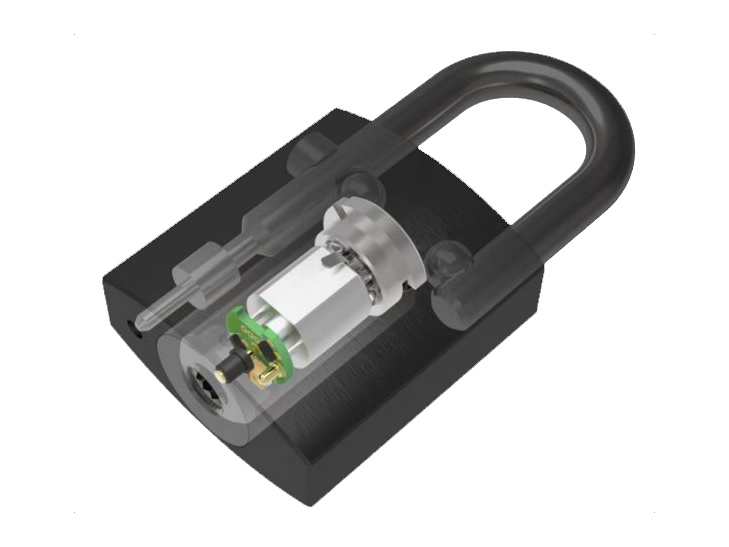
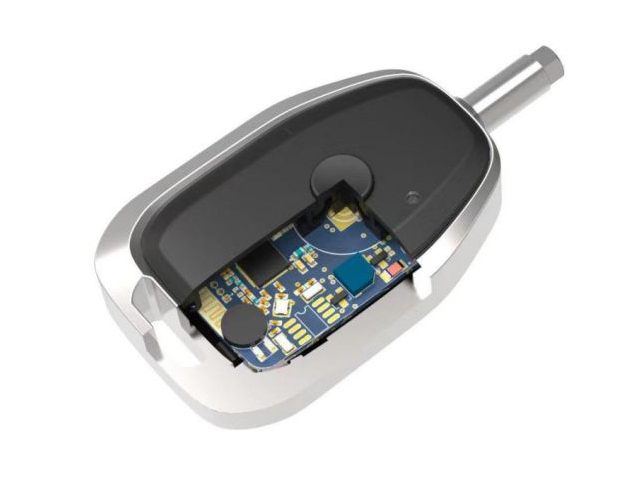
Intelligent passive padlocks have become essential in the power industry. These locks offer advanced security features that can monitor access and ensure safety at critical sites. A report by MarketsandMarkets projects that the global smart lock market is expected to reach $3.5 billion by 2026, indicating a significant growth in this technology.
One key function of these padlocks is data security. They provide real-time alerts and can log access history. This feature is vital for protecting sensitive power infrastructure. However, not all solutions are perfect. Some users find the technology challenging to implement, leading to potential vulnerabilities. Depending on the configuration, improper installation may lead to access issues.
Additionally, many companies remain unaware of how these systems integrate with existing infrastructure. A Deloitte report reveals that 33% of power firms struggle with the adoption of smart technologies. This statistic highlights the importance of choosing a reliable OEM in China. Only trusted manufacturers can offer robust, scalable solutions that align with industry standards. Understanding these dynamics will help organizations make informed decisions when selecting intelligent passive padlocks.
When selecting an OEM China intelligent passive padlock for the power industry, several key features are pivotal. Reliability is paramount. A study from the International Journal of Industrial Ergonomics indicates that nearly 40% of equipment failures link back to inadequate locking mechanisms. Ensuring that the padlock can withstand harsh environments is essential. Look for materials that resist corrosion and extreme temperatures, especially in power plants where conditions fluctuate significantly.
Security features should also be scrutinized. Intelligent padlocks may offer advanced encryption and real-time monitoring capabilities. According to a report by MarketsandMarkets, the demand for smart locking solutions in industrial applications is projected to grow at a CAGR of 10.5% from 2021 to 2026. This signals a shift towards increased security measures. However, passive designs sometimes face criticism due to perceived limitations in immediate response to unauthorized access.
Additionally, ease of use cannot be overlooked. The design should facilitate quick and efficient operation by authorized personnel. Reports show that over 30% of incidents occur due to user error. Therefore, a user-friendly interface is not merely a convenience; it is a necessity that could prevent operational failures. Balancing security features with user-friendliness remains a challenge for manufacturers and users alike.
When selecting an OEM manufacturer in China for intelligent passive padlocks, understanding the options is crucial. There are various types of manufacturers, each with its unique strengths and weaknesses. Some focus on high volume production, while others excel in customization. It's essential to investigate these differences thoroughly. Not all manufacturers offer the same level of quality and reliability.
For example, an Access Controlled Stainless Steel Padlock For Power Industry applications must meet specific standards. This requires a manufacturer with expertise in advanced locking mechanisms. Look for those with experience in the power sector. They often have a better grasp of regulatory compliance and safety features.
Moreover, communication during the selection process matters significantly. Manufacturers that are responsive tend to be more reliable in meeting demands. If a manufacturer struggles to explain their processes, it may indicate a lack of transparency. Always ask for references or case studies to evaluate their credibility. Engaging with multiple manufacturers can provide a clearer picture. It's a journey that requires adequate time and effort to ensure your choice supports your operational needs effectively.
When selecting an OEM China intelligent passive padlock for the power industry, the evaluation criteria for quality and reliability are essential. This decision impacts not just security but operational safety as well. An independent report from the International Safety Council indicated that over 250,000 workplace incidents annually relate to security failures. Thus, a faulty padlock can have serious repercussions.
The padlocks must meet specific industry standards. A minimum break strength of 5,000 pounds is recommended for heavy-duty applications. Additionally, features like weather resistance and corrosion prevention are vital. The Electric Power Industry Padlock With Responsibility must endure harsh outdoor conditions to remain functional. Emphasis on constant reliability cannot be overstated—equipment failures often stem from overlooked security devices. In a recent survey, 40% of engineers reported issues with padlock reliability as a major operational hurdle.
Regulatory standards should guide the selection process. Compliance with regulations enhances credibility and accountability in the supply chain. However, not all manufacturers achieve the same level of quality control. Some may cut corners, leading to poor performance. Regular audits and testing protocols can mitigate risks. Finding a manufacturer that prioritizes consistent quality over cost-saving measures is crucial for long-term success.
When considering OEM intelligent passive padlocks for the power industry, budgeting is essential. A recent report from the Global Security Market indicates that intelligent locking solutions are witnessing a 15% annual growth. This rise emphasizes the need for firms in the power sector to invest wisely. The average price range for these padlocks is typically between $50 to $150. However, costs can vary based on features and technology used.
Understanding your budget starts with recognizing the long-term value of these padlocks. While initial costs may seem high, the savings in theft prevention and operational efficiency justify the investment. Reports suggest that companies can save up to 30% on potential losses from theft by implementing smart padlock technologies. These savings can help cover the upfront costs of installation and technology integration, making it an attractive option for the power industry.
Tip: Always factor in potential maintenance costs when budgeting. Some padlocks may require software updates or specific tools for upkeep.
In addition, it’s vital to analyze the specific needs of your facilities. Every power generation site has different security requirements. Failure to align high-tech solutions with real-world needs may lead to overspending on unnecessary features. Critical thinking in this area can guide you to choose a Power Industry Padlock With Responsibility, ensuring both security and cost-effectiveness.
Tip: Consult with industry professionals to assess your unique security needs. Engaging experts can lead to more informed decisions and better outcomes.
When selecting an OEM intelligent passive padlock for the power industry, compliance with industry standards is crucial. According to the International Electrotechnical Commission (IEC) and the National Institute of Standards and Technology (NIST), devices in this sector must meet specific safety and operational requirements. A recent report noted that non-compliance could lead to risks like equipment failure or safety hazards.
Tips: Assess the certifications related to safety, environmental impact, and quality durability. Look for compliance with IEC 61508 for functional safety; this standard is vital for any power-related apparatus. Understanding the local regulations where the padlock will be used is equally important. Every region has unique compliance requirements that can influence your choice.
Consider the security technologies incorporated into the padlocks. Reports indicate that devices with advanced encryption and authentication features significantly reduce the risk of unauthorized access. However, some manufacturers might prioritize cost over compliance, leading to vulnerabilities. Thoroughly vet product literature and consult compliance reports before making a decision. This critical step can help avoid potential legal and safety ramifications.
Choosing the right OEM supplier for intelligent passive padlocks in the power industry requires careful consideration. Understanding the market is critical. Reports show that the global market for padlocks is projected to reach USD 2 billion by 2027, with a significant portion attributed to smart technology in security solutions.
Establishing a successful partnership involves clear communication. This means setting expectations early in the process. Many companies fail to do this and face misunderstandings. Technical specifications and requirements must be detailed. A well-defined agreement can reduce risks and enhance cooperation. Trust is essential; however, it is built gradually through consistent performance.
Moreover, evaluating the OEM’s production capabilities is vital. Not every manufacturer can meet industry standards for a power industry padlock with master key functionality. Inspecting their facility and processes can provide insights into their reliability. Many businesses overlook this step and end up with subpar products. Focusing on quality over cost can lead to better long-term results.
The Intelligent Storage Cabinet Series represents a significant advancement in secure, automated item storage solutions. Comprising the Intelligent Luggage Storage Cabinet and the Systematic Mobile Phone Storage Cabinet, these product lines cater to a variety of environments that demand reliability and efficiency. According to industry reports, the demand for automated storage systems is projected to grow at a CAGR of 14.1% from 2021 to 2028, indicating a growing recognition of the benefits these systems provide in terms of security and accessibility.
Installation of these intelligent cabinets is straightforward, with adaptable features that allow for seamless integration into existing infrastructures. The cabinets are constructed from durable materials that withstand heavy use, making them ideal for high-traffic locations such as airports, malls, and office buildings. Advanced locking technologies enhance security, ensuring that stored items are protected against unauthorized access. Moreover, customizable options allow users to modify storage solutions according to their specific operational needs, ensuring a tailored approach to item management.
Maintenance of the Intelligent Storage Cabinet Series is designed for ease, with automated monitoring systems that alert users to any operational issues. Regular report analyses are simplified, allowing for efficient tracking of usage patterns and inventory levels. Such efficiency not only enhances the overall user experience but also optimizes space management, an essential factor as organizations strive to maximize productivity in increasingly constrained environments. As the landscape of storage solutions continues to evolve, these intelligent systems are positioned at the forefront, addressing the needs of modern consumers and businesses alike.
: There are manufacturers focused on high-volume production and others that excel in customization. Research their strengths and weaknesses.
Responsive manufacturers are usually more reliable. A lack of explanation may indicate transparency issues.
Prices usually range from $50 to $150, depending on features and technology. Costs vary significantly.
Consider long-term value, potential maintenance costs, and specific security needs of your facilities.
They can help eliminate theft, saving companies up to 30% on potential losses. This makes them a smart investment.
Compliance is crucial. Look for certifications related to safety, quality, and environmental impact.
Non-compliance may lead to equipment failure and safety hazards, raising serious concerns for users.
This step ensures you understand compliance and security features, avoiding legal and safety issues later.
Experts can provide insights into your unique security needs, leading to more informed and effective decisions.
Overspending on unnecessary features can hurt your budget. Evaluate real-world needs carefully before investing.
When selecting an Intelligent Passive Padlock for the Power Industry, it is crucial to understand its role in enhancing security and operational efficiency within this sector. Key features such as durability, ease of use, and advanced locking mechanisms should be carefully considered. Comparing different OEM manufacturers in China can help identify suitable options that meet specific operational needs.
Quality and reliability should be evaluated based on established criteria, while a thorough cost analysis ensures that budgeting aligns with long-term security investments. Furthermore, compliance with industry standards and regulations is essential to mitigate risks. Establishing a successful partnership with OEM suppliers involves clear communication and mutual understanding of expectations, which can significantly impact the effectiveness of the Intelligent Passive Padlock in your operations.