In today’s rapidly changing tech world, home security has never been more important. A Bluetooth-enabled smart lock can really boost both your safety and convenience at home. Think about it—no more fumbling around for keys because you can unlock your door straight from your phone. It’s pretty cool, but with so many brands out there—like August, Schlage, Yale—it can be honestly overwhelming trying to pick the right one.
Whenever you’re choosing a smart lock with Bluetooth, it’s super helpful to really think about what you need. Doing a little homework on brands and reading reviews can give you a good idea of what’s reliable and what’s not. Also, check things like how long the batteries last, if it plays well with your existing smart home setup, and what kind of security encryption they’re using. Some models even come with backup keys, which adds a nice layer of peace of mind.
But hey, while jumping into new tech is exciting, it’s a good idea to stay cautious. Ask yourself—do you trust the app’s security? And what happens if something glitches or fails? Weighing the good stuff against potential hiccups is definitely worth it. Plus, looking into options like a Bluetooth Function Security Smart Key Manhole Cover With Smart Lock could bring extra security to your outdoor spaces. Taking all these things into account is the best way to make a smart decision for your home’s security.

Understanding Bluetooth Functionality in Smart Locks
Bluetooth functionality in smart locks offers convenience and modern security features for homeowners. A 2022 market report indicated that about 60% of consumers prefer smart locks with Bluetooth capabilities for their ease of use. These devices allow users to unlock their doors via smartphones. However, it's essential to consider potential vulnerabilities in Bluetooth technology. While convenient, Bluetooth signals can be intercepted, exposing users to potential security risks.
When assessing Bluetooth-enabled smart locks, focus on encryption standards. According to research from cybersecurity firms, strong encryption significantly reduces unauthorized access. Consumers should look for locks that comply with the latest security protocols, such as AES-128 or AES-256. Reviews and user experiences often highlight effective battery life and connectivity range as crucial to worry-free usage. However, some users report connection issues with older phone models, which can impede functionality.
Smart locks also offer features like remote access. This is particularly useful for allowing guest entry while you are away. A survey revealed that 75% of homeowners value the option to share access. Nevertheless, the setup can be complicated for some users, requiring patience and technical understanding. Balancing convenience with security is vital in your decision-making process.
Bluetooth Functionality in Smart Locks
Evaluating Security Features of Bluetooth Smart Locks
When assessing the security features of Bluetooth smart locks, critical aspects should not be overlooked. One vital feature is encryption. A strong encryption standard ensures that your access information remains confidential. Weak encryption can expose your home to unauthorized access, making encryption a top priority in your selection.
Real-time unlock reports add another layer of security. These reports provide immediate notifications when the lock is accessed. If someone tries to unlock your door without permission, you will know instantly. This function can deter potential intruders and enhance your peace of mind. However, consider how often you will check these reports. Regular checks may feel tedious, but neglecting them could lead to missed alerts.
Look for locks that offer additional security options, such as two-factor authentication. This feature requires two forms of verification before unlocking. Although it may seem cumbersome, it significantly boosts your lock's security. Be aware, though, that too many complex steps could frustrate family members or guests. Balancing convenience and security is essential for effective usage.
Assessing Compatibility with Your Home Automation System
When selecting a Bluetooth function smart lock for your home, compatibility is vital. You need to ensure the device integrates smoothly with your existing home automation system. Different systems have diverse protocols. Without checking these, you risk investing in a lock that won't connect efficiently.
Look into whether your home automation system supports Iot Bluetooth Function Security Smart Lock Management. This will help streamline operations and maintain security. Testing compatibility is often overlooked. Sometimes, users find their smart lock does not function correctly after installation.
Consider the range of your current system. A lock that's too far from your hub might not work as intended. Experimenting with different placements can improve connectivity. Remember, the goal is to enhance security, not create complications. When making a choice, weigh the ease of integration against features. Sometimes, a simpler option may fit your needs better, despite the allure of advanced functionalities.
How to Choose a Bluetooth Function Smart Lock for Your Home? - Assessing Compatibility with Your Home Automation System
| Feature |
Description |
Compatibility |
Smart Home Integration |
| Bluetooth Connectivity |
Allows smartphone control and monitoring |
Compatible with iOS and Android devices |
Integrates well with various smart home platforms |
| Keyless Entry |
Use a smartphone app or code to unlock |
Works with existing keyless systems |
Can function with home automation routines |
| Remote Access |
Control locks from anywhere |
Requires stable internet connection |
Compatible with home security systems |
| Automatic Locking |
Locks automatically after a set time |
Works with smart home settings |
Can be combined with motion sensors |
| Battery Life |
Long-lasting battery for reliability |
Compatible with battery management apps |
Can trigger alerts when battery is low |
Exploring Installation Requirements for Smart Locks
When considering a Bluetooth smart lock, installation requirements are crucial. First, think about your door type. A solid wood or metal door can often accommodate most smart locks. However, if your door is hollow core, you may encounter challenges. Measure the thickness of your door before purchasing. This ensures compatibility, as not all locks fit every door style.
Next, examine the existing deadbolt. Some smart locks replace traditional deadbolts directly. Others may need additional hardware. Evaluate whether you require tools like screwdrivers or drills. Not all installations are straightforward; you might face unexpected hurdles.
Battery life is also an installation consideration. Many Bluetooth locks run on batteries, and some have low battery alerts. You might need to install the lock in a location that allows easy battery access. This can impact your lock's placement and usability in the long run. Taking the time to ensure a proper installation can save you future headaches. Always prepare for potential adjustments as you install your new smart lock.
Reviewing Battery Life and Maintenance Considerations
When selecting a Bluetooth Function Smart Lock for your home, battery life and maintenance are crucial elements to consider. Smart locks rely on batteries, and their longevity can significantly influence your experience. Most models use lithium batteries, which typically last from six months to a year. However, performance can vary based on usage patterns and environmental conditions. If you live in an area with extreme temperatures, batteries may drain faster.
Maintenance is also essential for optimal performance. Regularly check the battery status through the smartphone app, if available. Some locks provide alerts when power is low, but relying solely on these notifications might lead to unexpected lockouts. Dust and grime can accumulate in the lock mechanisms. A simple periodic cleaning can extend their life and functionality.
Choosing a Bluetooth Function Keyless Manhole Cover With Iot Smart Lock can also enhance security. However, be mindful of keeping the lock updated with new firmware to address potential vulnerabilities. Proper maintenance and understanding of battery life will ensure that your smart lock remains reliable. Remember, neglecting these aspects could lead to frustrating experiences down the line. Keeping a log of battery changes may help in spotting trends and planning ahead.
Comparing Prices and Warranty Options for Smart Locks
When selecting a Bluetooth smart lock, comparing prices and warranty options is essential. Recent industry reports indicate that the average price range for smart locks varies from $100 to $300. Factors like functionality and design influence these costs. You might find basic models at lower prices, but advanced features often come with a premium.
Warranties can be a significant factor. Most smart locks offer one to five years of warranty coverage. A longer warranty can indicate higher quality and reliability. According to a survey from the Smart Home Council, 78% of consumers prioritize warranty length when choosing smart home devices. This factor should not be overlooked, as potential defects might require costly repairs.
Tip: Consider your installation skills. Some locks require professional installation, which adds to costs. You might also want to assess the smart lock's compatibility with your existing smart home system. Make sure the features align with your lifestyle needs for the best value.
Sometimes, consumers are drawn to advanced tech but realize later they need a simpler solution. Reflect on your preferences. It’s good to balance cutting-edge features with practicality. Choose wisely.
Analyzing User Reviews and Expert Recommendations
When choosing a smart lock with Bluetooth Function, user reviews can provide invaluable insights.
According to a recent report by Statista, 40% of consumers prioritize ease of use in smart lock products. Many users highlight the convenience of managing entry through mobile apps. However, frustrations often arise with connectivity issues. Nearly 15% of reviews mention inconsistent Bluetooth connections, which can be a significant drawback for some households.
Expert recommendations also play a crucial role in guiding decisions. Research from the Consumer Technology Association indicates that robust security features are essential. Most experts suggest looking for locks with encryption technology and two-factor authentication. Despite this, some models may not consistently enforce strong security standards. Reviews emphasize the importance of verifying manufacturer claims against user experiences.
Potential buyers should also reflect on the installation process. While many smart locks tout easy setups, user feedback reveals that 30% encounter challenges. Finding a lock that fits your door or requires professional installation can impact overall satisfaction. The variety of smart lock with Bluetooth function options on the market means there’s likely a perfect fit awaiting discovery.
FAQS
: They offer convenience, allowing users to unlock doors via smartphones. Security features are also enhanced.
Strong encryption protects access information from unauthorized users. Weak encryption can lead to security threats.
Consider locks with two-factor authentication for added security. However, ensure it doesn’t frustrate users.
Yes, some users experience connection problems, especially with older phone models. This might limit functionality.
Essential features include encryption standards, remote access, and real-time unlock reports for enhanced security.
Regular checks can enhance security, but it may feel tedious. Neglecting them may lead to missed alerts.
Yes, it allows guests entry while you are away. Many homeowners find this option valuable.
Yes, some users find the installation tricky and it may require technical understanding. Patience is necessary.
Look for locks with AES-128 or AES-256 standards. These ensure a higher level of security.
Effective battery life and good connectivity range are crucial for seamless operation. Some users report issues.
Conclusion
When selecting a Bluetooth Function Smart Lock for your home, it’s essential to understand the technology behind Bluetooth functionality, which enables seamless connectivity and convenience. Evaluating the security features is crucial, as these locks must offer robust protection against unauthorized access. Compatibility with your existing home automation system should also be assessed to ensure smooth integration.
Additionally, exploring installation requirements is important, as some locks may need professional installation while others are user-friendly. Consider the battery life and maintenance needs to avoid unexpected inconveniences. Comparing prices along with warranty options can help you find the best value. Finally, analyzing user reviews and expert recommendations will offer insights into performance and reliability, guiding you towards a smart lock that meets your needs effectively.

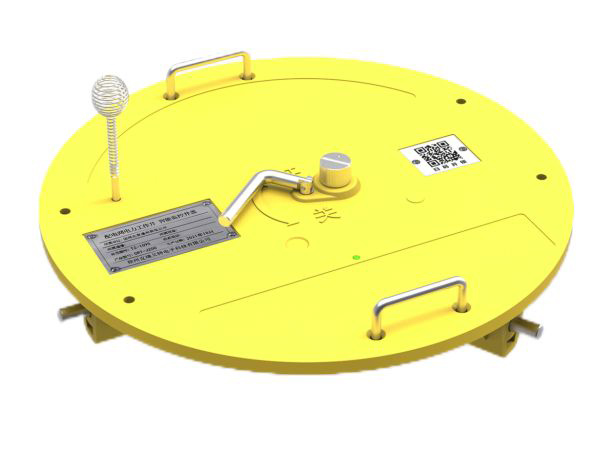 Intelligent Manhole Cover
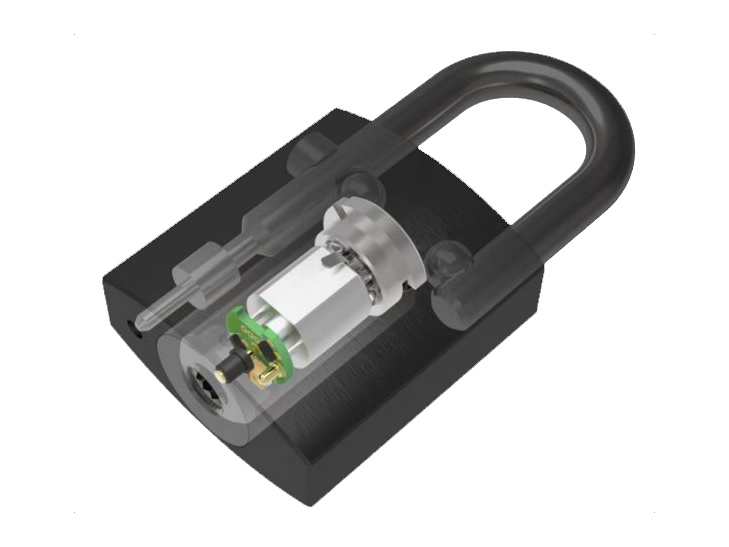 IoT Smart Locks
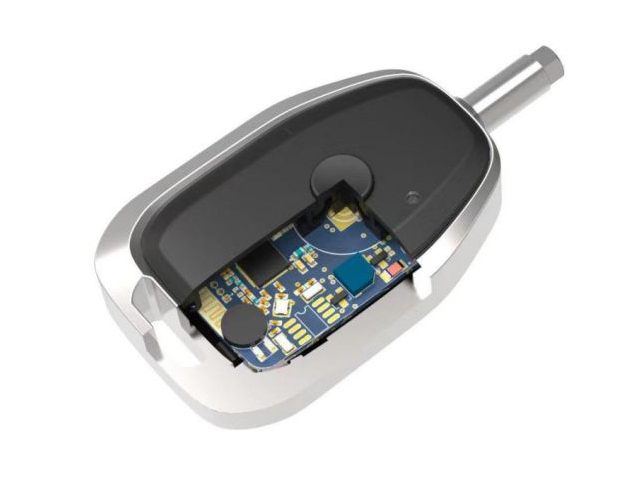 Electronic Keys
 Software


