In today’s world, where security’s a big deal and convenience is key, it’s no surprise that tech integration in access control systems is really catching on. I recently came across a report from MarketsandMarkets that shows the smart lock market is set to grow from around $1.5 billion back in 2020 to an estimated $3.4 billion by 2025. That’s roughly an 18.5% annual growth rate! Pretty impressive, right? A lot of this growth is fueled by increasing demand for smarter security options across industries like telecom, healthcare, and banking—places where Xuzhou CREATE Electronic Technology Co., Ltd. really shines. Our team specializes in security and access management, which puts us right at the forefront of this exciting trend. We’re all about providing reliable smart locks and keys that not only boost safety but also make it easier for users to get in and out.

As we look at the top 7 smart locks and keys changing how access control works in 2023, it’s clear these solutions are really reshaping security tech across different sectors, making life safer and simpler for everyone involved.
Exploring the Evolution of Smart Locks in 2023
You know, 2023 has really been a game-changer when it comes to smart locks. They've come a long way, and now they're totally changing how we keep our homes secure. It’s pretty cool — these days, smart locks are one of the fastest-growing categories in the smart home world. A big part of that boom is thanks to smarter tech stuff like AI and designs that make life easier and safer at the same time. Now, you’re seeing smart locks pop up everywhere — from cozy houses to busy office spaces — making them pretty much essential in today’s way of controlling access.
 What’s really interesting is how these locks are moving beyond their basic functions. Companies are throwing in new features that use artificial intelligence to learn how you behave and customize security settings accordingly. It’s not just about making it easy for us to get in; it’s also seriously upping the security game. As this tech keeps improving, I bet we’ll see even smarter, more integrated systems that just blend into our daily routines, helping us stay safe and connected in this wired world.
Key Features to Look for in Smart Locks and Keys
When you're picking out smart locks and keys, there are a few key features that can really make a difference—both in keeping your place secure and making your life a bit easier. Did you know that, according to Statista, the smart lock market is expected to hit around $4.5 billion by 2025? That just shows how much people are getting into these smart security options. One of the biggest things to consider is how you actually get in—whether it's through your phone app, using biometric stuff like fingerprints, or the good old-fashioned key.
Being able to lock or unlock your door from anywhere is becoming a must-have for many folks. In fact, a survey by Parks Associates found that about 70% of consumers really want that remote control feature.
Security-wise, it's all about the encryption. The best smart locks use top-tier encryption standards like AES, which makes hacking into them way harder. A study from the University of Maryland even found that about 10% of these locks had some security flaws that could make them vulnerable to cyber attacks. And if you're into smart home tech, you'll be happy to hear that integrating your smart lock with other systems can actually bump up your home's value—Deloitte says by around 5%. So, for anyone thinking about upgrading their home security, smart locks are definitely worth considering—they're convenient and pretty effective at keeping everything safe too.
Top 7 Smart Locks to Enhance Your Home Security
Back in 2023, we saw a real boom in smart lock popularity — and honestly, it’s no surprise. These little gadgets have gotten so much better at keeping our homes secure, all while making life way more convenient. The market’s booming too; experts say it’s gonna grow from around 2.7 billion USD this year to over 7.2 billion by 2031. Clearly, more and more folks are realizing how valuable smart security solutions are. What’s cool is that these smart locks don’t just let you unlock the door without a key. They also come with features like remote access, real-time updates, and even double security certifications — so your home’s protection levels are pretty much top-notch.

When you’re thinking about picking out a smart lock for your place, it’s super important to focus on the security features. Look for models that have solid safety certifications — that way, you know they’ve been checked against industry standards. Also, if you want things to run smoothly, go for one that plays nicely with your existing smart home setup. That way, controlling everything feels seamless, like a natural part of your home tech.
Quick tips:
1. Make sure to keep your smart lock’s firmware updated. It’s a simple move that helps protect you from cyber threats.
2. And hey, always pick a model that offers a backup key option. Batteries die or connectivity drops, and you’ll want a fallback so you’re not locked out.
How Smart Keys Are Revolutionizing Access Control
Smart keys are really changing the game when it comes to access control—making things more secure, easier, and more flexible all at once. I read somewhere that, according to MarketsandMarkets, the smart lock market is expected to jump from about $1.22 billion in 2022 to over $5.5 billion by 2027. That’s a huge leap, with a compound annual growth rate of around 35%. It honestly shows how much more we’re craving these smart access solutions as we become more plugged into our digital lives.
What’s cool about smart keys isn’t just how they ramp up security with things like encryption and remote unlocking—though that’s definitely a huge plus. It’s also how smoothly they fit into the whole smart home ecosystem. A survey by the Consumer Technology Association found that about two-thirds of smart home owners use their smart locks to give temporary access to friends or service folks—something traditional keys just can’t do. It’s pretty awesome how easy it’s become to manage who gets in, no matter where you are, making your home way more secure and convenient.
And then there are smart locks with biometric features—like fingerprint or facial recognition—that take security to a whole new level. Frost & Sullivan projects that the global biometrics market in security will hit around $34 billion by 2025, which shows folks are trusting this tech more and more to keep their personal spaces safe. So yeah, smart keys aren’t just a passing fad—they’re really boosting how we control access and protect what’s ours. It’s pretty exciting stuff!
7 Best Smart Locks and Keys Transforming Access Control in 2023
| Model |
Type |
Connectivity |
Battery Life |
Key Features |
| Smart Lock A |
Deadbolt |
Bluetooth |
1 year |
Remote access, Auto-lock |
| Smart Lock B |
Lever |
Wi-Fi |
6 months |
Voice control, 2-way audio |
| Smart Lock C |
Smart Padlock |
Bluetooth |
1.5 years |
Temporary access codes |
| Smart Lock D |
Deadbolt |
Zigbee |
2 years |
Home automation integration |
| Smart Lock E |
Lever |
Wi-Fi |
1 year |
Fingerprint access, Alerts |
| Smart Lock F |
Smart Padlock |
Bluetooth |
1 year |
Geofencing, Shared access |
| Smart Lock G |
Deadbolt |
Hybrid |
2 years |
Emergency unlock, Anti-theft alerts |
Installing and Setting Up Your Smart Lock: A Step-by-Step Guide
Thinking about boosting your home security?
Installing a smart lock might just be the way to go. 2023 has seen some pretty cool advances in access control tech, so having a simple guide on setting up your smart lock can really come in handy.
According to recent industry reports, the market for smart locks is expected to grow at an average rate of about 12.4% from 2022 to 2028. That’s a clear sign that more folks are looking for safer, easier ways to get into their homes.
Starting out, make sure you’ve got all the tools you need, and double-check that your smart lock will fit on your door. Most of these devices need an app on your phone to get going, and usually guide you through connecting it to your Wi-Fi. Just follow the manufacturer’s instructions carefully—removing the old lock and installing the new one is super important for it to work right. Interestingly, more than 60% of homeowners say they feel way more at ease after switching over to smart locks. That peace of mind? Totally worth it.
Once you’ve installed everything, spend some time customizing your settings through the app. You can create special access codes for family or friends, which is pretty handy. Also, keep in mind that nearly 70% of burglars target homes that seem easily accessible. So, securing your home with a solid smart lock isn’t just about tech; it’s about making sure your space stays safe. Embrace this new way of controlling who gets in—it's sleek, smart, and gives you extra peace of mind while keeping things convenient and simple.
Comparing Smart Lock Brands: Which One is Right for You?
When you're looking at all the smart locks out there, it’s really important to think about which brand fits your security needs and daily life best. Brands like August and Schlage are pretty popular—they both offer solid security features and work smoothly with your existing smart home setup. August, in particular, is known for being super easy to install and works well with most deadbolts, making it a great pick if you're renting. On the flip side, Schlage is praised for durability and its knack for resisting tampering, which is definitely a plus if security's your main concern as a homeowner.
Then there's Yale, which kind of mixes tradition with modern tech—think advanced features like unlocking your door with your phone or controlling it with your voice. Perfect if you want a reliable, modern lock without feeling overwhelmed by tech. And let’s not forget Kwikset; it’s generally more affordable and has a simple app that's pretty easy to use. It’s a good choice if you’re looking to get smart tech without breaking the bank. When you’re deciding on a brand, it’s worth thinking about things like how good the connection is, the design, and all those security features—really, just what’s most important for your home and your lifestyle.
Comparison of Smart Lock Features in 2023
Revolutionizing Security: Insights from the Latest Industry Reports on Smart Locking Management with ECN Technology
In recent years, the security landscape has evolved significantly with the introduction of smart locking management systems empowered by ECN technology. According to a recent industry report, nearly 75% of security professionals believe that smart locks enhance access control efficiency. This shift towards digital solutions addresses the increasing need for robust security measures, particularly in an era where traditional locking systems are often vulnerable to unauthorized access.
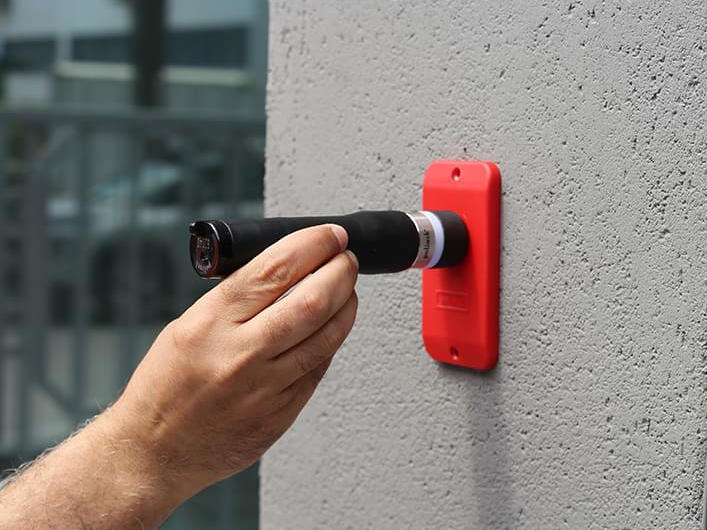
One of the standout innovations within this domain is the CRAT smart key. As a digital alternative to physical keys, CRAT smart keys employ encryption codes and wireless signals to facilitate seamless access control. This technology not only simplifies the unlocking process but also incorporates essential security features like a blacklist mechanism for lost or stolen smart keys. Studies indicate that the implementation of such a blacklist can reduce the risk of unauthorized entry by up to 90%, ensuring that only valid, authorized keys are permitted access.
The integration of smart locking management with ECN technology not only revolutionizes security but also elevates user convenience. As organizations increasingly adopt these technologies, the potential for smarter, more secure environments continues to grow. With the added assurance of features like blacklisting, end-users can rest easy knowing that their assets are well protected, adapting to an ever-evolving security landscape.
FAQS
: Smart keys are digital locks that enhance security, convenience, and flexibility, allowing remote access and integration with smart home systems, revolutionizing traditional access control methods.
The smart lock market is expected to grow from $1.22 billion in 2022 to $5.57 billion by 2027, with a compound annual growth rate of 35.2%.
Smart locks improve security through encryption, remote access, and biometric features like fingerprint or facial recognition, which are harder to breach than conventional locks.
According to a survey, 66% of smart home device owners utilize smart locks to grant temporary access to friends and service providers.
Over 60% of homeowners reported increased peace of mind after switching to smart locks, highlighting the psychological benefits of enhanced security.
Installing a smart lock involves ensuring compatibility with the door, using a smartphone app for setup, following manufacturer instructions for removing the old lock, and properly aligning the new lock.
Users can configure settings like creating unique access codes for family members or guests after installing the smart lock.
Smart locks provide a robust layer of protection, particularly valuable since nearly 70% of burglars target easily accessible homes.
Smart keys represent a transformation in access control, not just a trend, reflecting a significant shift in how we manage security in our homes.
Necessary tools for installing a smart lock typically include standard tools for lock installation, but specific requirements may vary depending on the smart lock model.
Conclusion
Back in 2023, the way we think about smart locks and keys for access control has really taken a big leap, changing the game for both home and business security. Thanks to tech advancements, these devices now come loaded with features like remote unlocking, keyless entry, and live monitoring — honestly, they’re becoming pretty much essential parts of modern security setups. In our detailed guide, we’re diving into the top seven smart locks out there, pointing out what makes each of them stand out and how they can fit different needs.
Smart keys are also shaking things up—they give users this super handy, secure way to get in, all manageable through their smartphones. As a company with a solid background in security and access management, Xuzhou CREATE Electronic Technology Co., Ltd. gets how crucial it is to integrate smart locks and keys across various industries. The goal? Keep things safe and smooth, whether it's for homes or bigger industrial sites. When you’re picking out a smart lock, though, it’s worth taking a moment to consider the features you need, your budget, and whether it plays nice with your existing systems — it’s all about making sure you get the right fit.
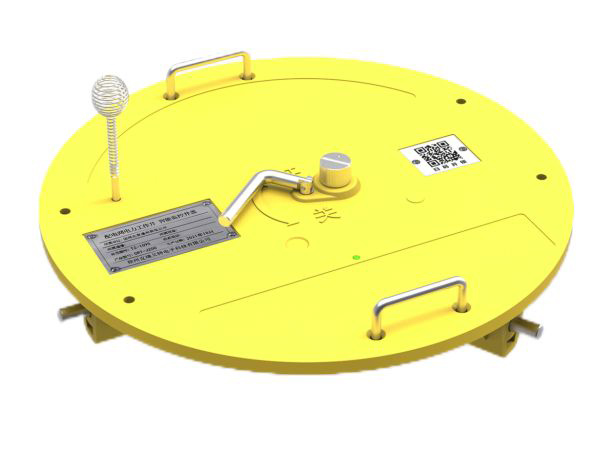 Intelligent Manhole Cover
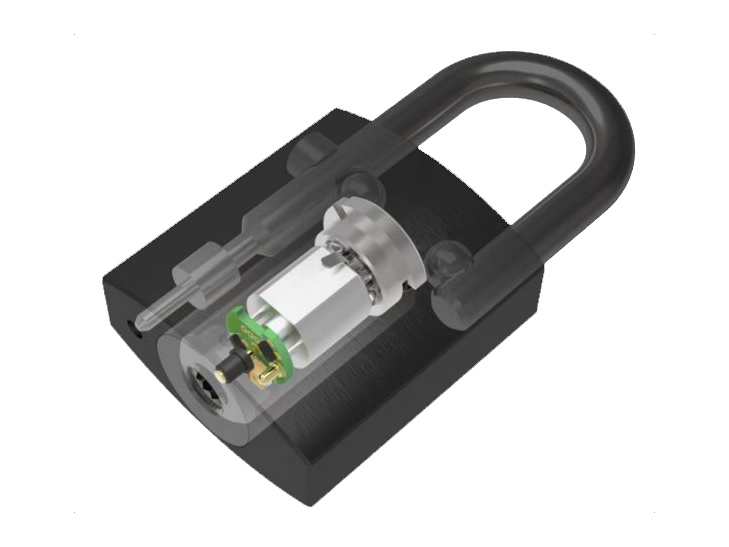 IoT Smart Locks
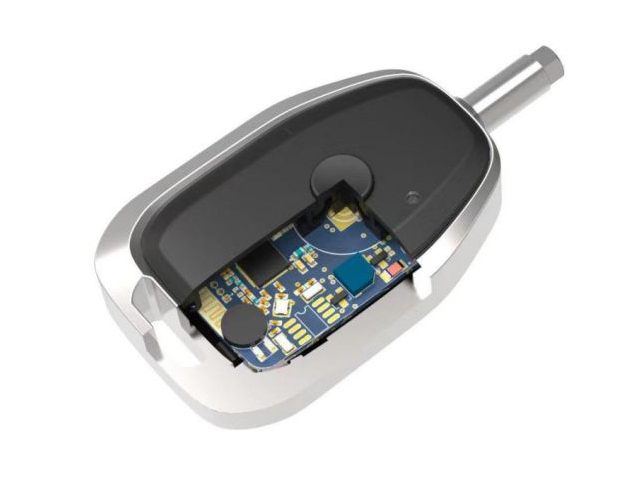 Electronic Keys
 Guard Patrol
 Software


