
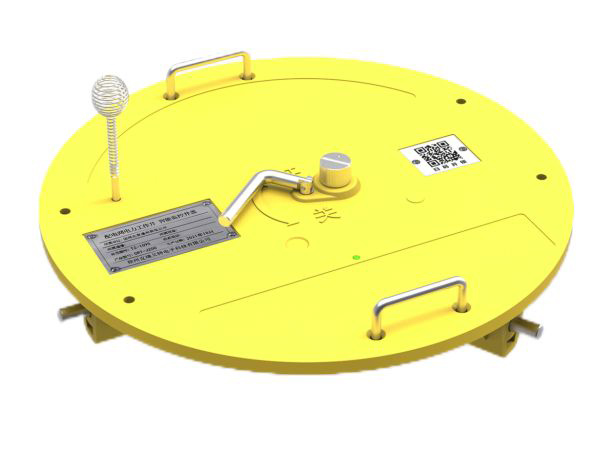
 Intelligent Manhole Cover
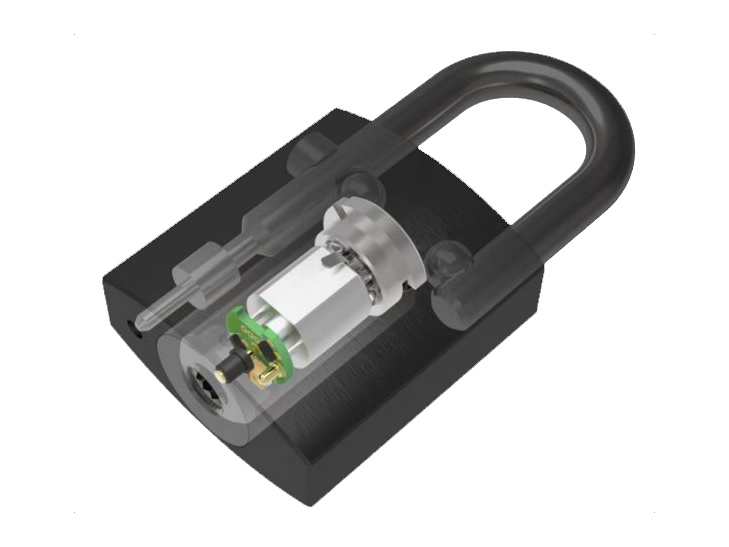 IoT Smart Locks
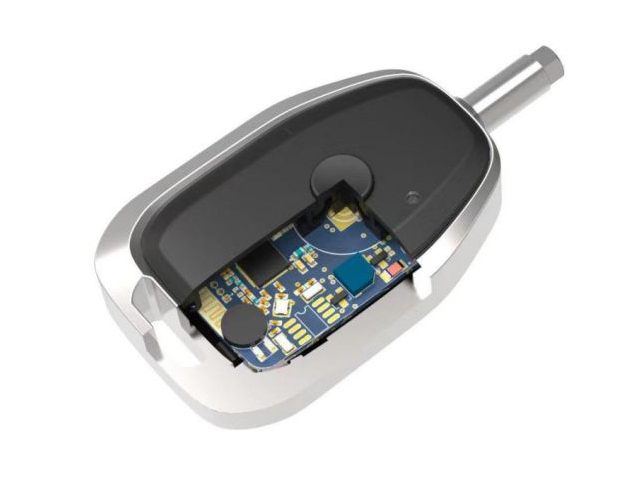 Electronic Keys
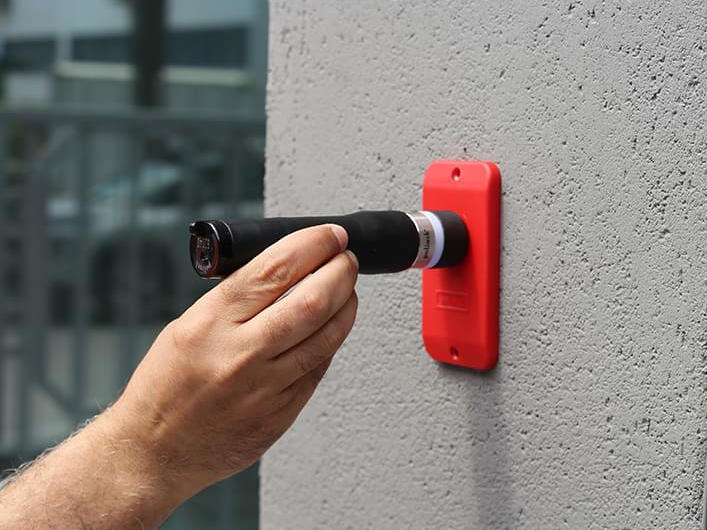 Guard Patrol
 Software
Inquiry
Form loading...
Unprecedented requirements and, putting it mildly, an immediate need for showcasing inventive solutions are in sight today under the ever-changing facades of security. According to a report from MarketsandMarkets, the global electronic access control system is expected to move forward from USD 8.78 billion in 2020 to USD 14.43 billion by 2025, growing at a rate of 10.8% CAGR with this growth due to enhanced safety concerns in various industries - telecommunication, transportation, and healthcare. An increasing necessity arises for integrating new technologies in support of Access Controlled Passive Locks for enhancing security measures and reducing various risks of unauthorized access.
With a long history in security and access management solutions, Xuzhou CREATE Electronic Technology Co., Ltd. provides products with state-of-the-art technology that would help in alleviating these problems. By utilizing the peculiarities of Access Controlled Passive Locks, organizations can enhance their security levels while streamlining access management processes. This new category of locks is definitely an added advantage for security that maximizes efficiency and, therefore, would suit the areas of banking, oil and gas, and utilities quite well. Given that security complexities are changing, the move towards advanced systems in this direction undoubtedly represents a huge advancement in asset integrity and ease of access management in various sectors.

The introduction of access-controlled passive locks could be regarded as the centrepiece of any advancements made in security technology, since they combine traditional locking mechanisms with modern-day access control capabilities. These types of locks are designed to work without any form of external power supply, using purely mechanical features and clever designs to enhance security while promoting user convenience. The key feature in access controlled passive locks is the ability to deny unauthorized access without compromising the locking system in any way. The basic operations of these locks are premised on a smart design with built-in features such as a keypad, biometrics, or RFID technology. Such built-in features allow the user to give or deny access on certain parameters: at a certain time, or depending on who is using it. Because these locks, unlike regular locking systems, resist conventional picking or brute-force entry techniques, their passive security mechanism provides an extra layer of defense. Their passive nature makes them inherently reliable, as they do not rely on batteries and electrical components that can fail or be tampered with. From another perspective, these locks also provide audit capabilities. Many models use logging and tracking capabilities to log entries and exits, giving security management useful data. This functionality is valuable in settings where staff movement is tracked, such as corporate offices and secure facilities. Overall, the technical advantages of access-controlled passive locks make them a compelling option for anyone desiring enhanced security solutions that must be tailor-made for the modern security landscape.

The type of lock mostly matters when it comes to securing houses and/or places of work. Traditional ones have been gold standards for decades, locking with keys or with combination mechanisms. Progressive form designs would include access-controlled passive locks that are gradually coming up as radical alternatives to the former types, promising a greater number of advantages compared with other current lock systems.
Access-controlled passive locks are easily among the most advantageous kinds of locks; their ability to work with new systems of security is another advantage. Unlike ordinary locks that require physical keys that may be lost or duplicated, these access-controlled systems utilize digital credentials like cards, biometrics, or mobile devices to enable entry. Apart from hashing out for better security, it also provides the convenience of key-less entry, which makes for easier management regarding who is allowed access to which areas.
Another one would be the incidental audit trails often found in access-controlled passive locks. Users could also have real-time monitoring of entry and exit times, track usage patterns, and even spot security breaches. This type of surveillance is miles ahead of even the best traditional locks, with no such data being offered and usually being easily bypassed by mere picking or bumping. As a result, businesses and homeowners can react to security cases rather quickly and with much less potential threat or loss.
In short, these access-controlled passive locks certainly redefine security from what people have understood for all these years using traditional locks. These are the new editions in security with the fusion of modern technology, comfort for an end-user, and state-of-the-art tracking capabilities, to be the ultimate choice for much-needed security solutions. Why now? Because the world is turning complex every passing day.

The argosy of antiquated locks and its security able most definitely be under contention in emerging discussions. The media stories reporting on access control for communities out of vulnerability have prompted fiercely raging debates about the merit such systems presently hold. Community residents are in panic over the safety of their homes with so much news concerning access-card duplication. The situation is further aggravated with obsolete systems that no longer meet contemporary security requirements.
In this light, the development of electronic locks is now on an upswing, while the known risks are taking their toll. Industry analysts commented that some of the most widely installed electronic locking systems have serious vulnerabilities in their firmware that could compromise the safety of the building through universal access keys. Such findings speak to the importance of not only deploying modern technologies but also securing them through incessant testing and regular updates.
This transition toward smart locks represents both promise and peril. On one hand, there is increasing excitement about conveniences and adaptability. On the other hand, reports of security vulnerabilities cast a long shadow against the emergence of smart locks. In the deliberation of homeowners and communities on new lock systems, a comparative analysis must be done of the security features like encryption and data protection. The ongoing debates concerning the above issues emphasize the most pertinent need for solutions that will truly enhance security rather than just provide a replacement for ineffective systems with new vulnerabilities.

The advances have been considerable in the research done on the passive locking mechanisms in recent years. The way security envelopes have developed, a controlled access passive lock has added yet another feather to the advancement with how innovations strengthen security solutions for the different spheres. These systems enable physical security and operational efficiency. According to market studies, the smart lock market will witness an increase from $2 billion in 2020 to approximately $7.5 billion in 2025, with a CAGR of 24.3%, indicating a significant increase in demand for security systems in residential as well as commercial applications.
Improvement efforts in passive locking mechanisms are being motivated by rising demands for enhanced convenience and safety by users. These features include biometric access, smartphone compatibility, and remote access controls, which enable the smooth movement by which their users manage and monitor their security. In addition, IoT technology is integrated to provide real-time monitoring and notifications that make securing a breach easier. Statista notes that nearly 1.4 billion IoT devices were connected to security as of 2021; a trend toward smart connected solutions is clearly apparent.
Additionally, this paradigm shift towards environmentally friendly energy sourcing is in tandem with rapidly progressing innovations in security technology. Like renewable energy innovations in themselves opened frontiers that would transcend traditional settings, developing energy-efficient mechanisms and eco-friendly materials in passive locks redirects a wider trend within sustainable movement. Reports reveal that underutilized environmental impacts from the materials can be favorable for regulatory compliance and consumer alignment on the product offering that is becoming more environmentally conscious. Both ways, passive locking goes to defining security solutions not only safer but also greener.
A lot of places have started utilizing access controlled systems-the advanced technologies used in a system for managing access to sensitive areas-primarily because of the increasing needs for security solutions. Case studies recently publicized how these Access Controlled Passive Locks (ACPLs) have become good examples of improved security measures in different industries. According to the Security Industry Association (SIA), access control systems could potentially reduce unauthorized access by over half, thus making them enormously valuable in risk mitigation.
Such ACPL implementations by health institutions have shown some really good results in the number of security incidents. For example, one major internal case study indicated a 30% reduction in theft and unauthorized access attempts pre- versus post-installation of access controlled systems. The success of integrating biometric authentication techniques lies in increased safety for users, streamlining processes of entering and exiting patients, and adding potential benefits regarding staff management.
Access controlled systems had opened up a new vista for educational institutions as well. Such a remarkable reduction in vandalism and property damages was experienced at a university after the school switched from a traditional locking system to a ACPL system: 40% less than last year's incidents. By combining card readers and real-time monitoring, universities can secure their campuses while limiting access to only the authorized. This is a strong example of how these case studies can witness the use of access controlled systems in different environments to significantly improve security.
The rapid evolution of access control technologies reform the face of smart home security solutions. Consumers are demanding more security, and hence the response is an ever-increasing adoption of newer systems such as access-controlled passive locks. These come with security features that are not only fancy but yet become more compatible with smart devices, thereby contributing to the more effective performance of home automation systems.
The market projections show great growth in the smart home category, in almost every class of devices. Security and access control systems have seen immense demand in the way of emphasizing safety by homeowners. Beyond this, there is an amalgamation of HVAC systems, lighting controls, and smart kitchen devices into home management, therefore suggesting a complete approach. Underlying this transition will be a shift to retrofitting existing homes amid developing new homes toward this integration of smart technology.
Furthermore, with increasing apprehensions about cyber threats, the data protection industry is on the verge of great leaps in development. The data security as a service market is projected to grow over $20 billion by 2022; now, businesses and homeowners want a solution that supports strong security features. The evolution of AI, especially in areas like predictive analytics and real-time monitoring, is likely to bring a paradigm shift in security solutions, bringing in smarter and adaptive systems that will serve the owners in a fast-growing interconnected world.
With demand for more security solutions on the rise, the regulatory standards for adopting advanced lock systems, especially access-controlled passive locks, are progressive. These standards not only assure compliance but also add to the overall security stature of the facilities. MarketsandMarkets reports that the global smart lock market is expected to reach $3.5 billion by 2025, being further boosted by the increasing adoption of regulatory requirements and security protocols across various sectors. This evident growth is a testament to how regulations steer consumer preferences and business choices towards more sophisticated-locking systems.
Regulatory bodies set down guidelines for the adoption of modern technology in security applications. For example, the National Institute of Standards and Technology (NIST) provides frameworks for evaluating security measures, especially for critical infrastructure. Their guidelines show how access control systems are essential in mitigating unauthorized access. A report indicates that organizations adhering to such standards would experience a 20% reduction in security breaches. This compliance therefore promotes not only security but also stakeholder trust, which translates to demand for advanced lock solutions.
Regulated industries such as healthcare and finance have seen high demand for access-controlled passive locks. According to the Security Industry Association, 76% of companies view regulatory compliance as a primary driver for investment in advanced locking solutions. Moving with the times, the regulations will continue to evolve, and so will be the technical features in lock systems, ensuring meeting the rigorous requirements for protection of sensitive information and valuable assets.
Evolving forms of lock systems that control access have contributed greatly to the user experience and organizational efficiency in several areas. The new locks are mainly tailored to security solutions beneficial for the modern-day demands fro semblance of access management, letting users customize entry. Thus security is enhanced as well as operational workflow being easier for institutions of an organization.
That means tall buildings or even homes in cities with a lot of closeness and security issues will rapidly develop the need for custom retail solutions. The software sold by access control systems would increase to approximately $2.5 billion in 2024. It will thus be interesting to see the annual growth rate hit and extraordinary 12.7% between 2025 up to 2034, courtesy of urbanization and changing interest modes of security. Some businesses searching for bigger and better digital options to enter the market will find that operating access control systems can fulfill an important function in developing their operational efficiencies.
In every way, the lock systems controlling access are made more user-centric based on the advanced technology that can truly create a change in the paradigm of security. As people invest into them, they will be able to boost their safety environments for better contacts and efficiency in the workspace.
Access Controlled Passive Locks are advanced security devices that combine traditional locking mechanisms with modern access control features, operating without an external power source and enhancing security while providing user convenience.
These locks increase security through features like keypads, biometric scanners, or RFID technology, allowing for restricted access based on specific criteria. They also offer layered protection, making them less vulnerable to picking or brute force compared to conventional locks.
Apart from higher security, they provide auditability by logging entries and exits, which is essential for environments requiring personnel tracking, such as corporate offices and secure facilities.
Traditional locks are experiencing vulnerabilities, such as easily replicable access cards and outdated systems failing to meet modern security demands, leading to increased safety concerns among users.
Electronic locks can present critical firmware vulnerabilities that may create universal access keys, highlighting the necessity for rigorous testing and regular updates to ensure their security.
There is a growing demand for customizable access-controlled solutions, projected to boost the supporting software market to $2.5 billion by 2024, driven by urbanization and evolving security needs.
These systems enable tailored control over access, simplifying operational workflows and allowing organizations to manage entry in real-time, ultimately elevating security while improving interactions in the workspace.
Organizations should evaluate security features, including encryption and data protection, to ensure that new technologies genuinely enhance security instead of merely replacing outdated systems with new vulnerabilities.


