Inquiry
Form loading...
0%

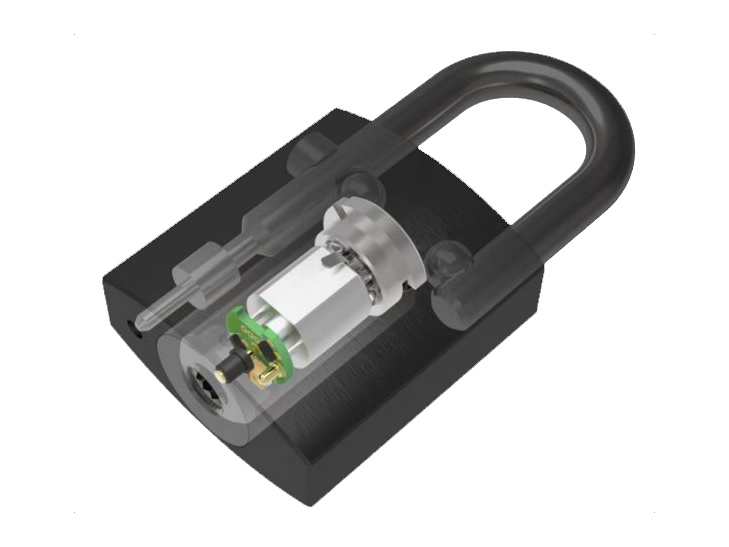
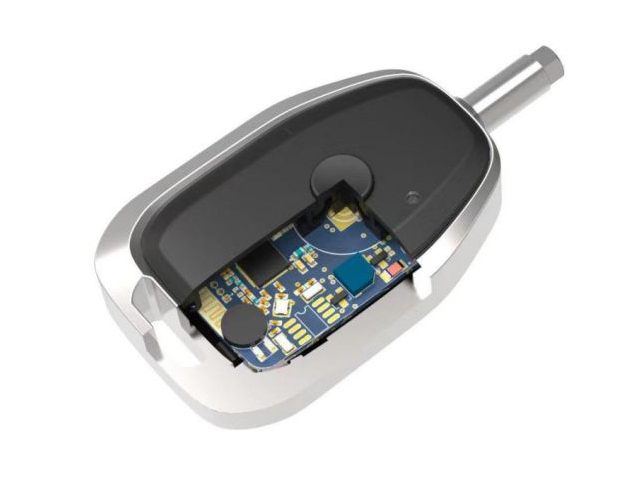
In today's fast-moving world of security tech, the 'Smart Passive Lock for Access Control' is really making waves as a game-changer. Security pro John Nakamura from SecureTech Solutions puts it like this: “Modern access control is all about balancing convenience and safety, and Smart Passive Locks nail that.” Basically, this new tech makes accessing a place super smooth and secure at the same time, which is perfect for all kinds of settings.

Now, whether you’re running a business or just trying to make your home safer, everyone’s looking for solutions that make life easier without sacrificing security. That’s where the Smart Passive Lock comes in—it lets you go keyless, which not only boosts user experience but also cuts down on the chances of stuff going wrong. Imagine working in a busy office where nobody’s fumbling around for keys; everyone can just walk in and get to work quicker.

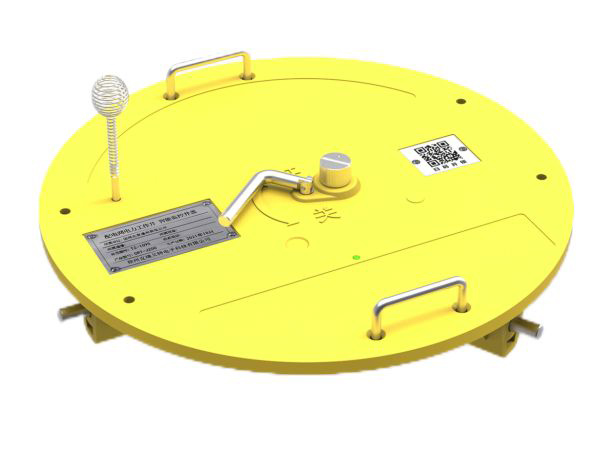
Of course, no tech is perfect, and there are a few things to watch out for. For instance, compatibility can be a hiccup if the system you’re using isn’t quite right. And, just like with anything tech-related, keeping everything updated and maintained is a must. The industry has to keep improving these products — like the Access Control Keyless Smart Manhole Cover with Smart Passive Lock — so they stay reliable and ready to handle whatever security challenges come next.

2026 Best Wholesale OEM Smart Passive Lock for Access Control Solutions?

Best Practices for Selecting OEM Smart Passive Locks in 2026

Choosing an OEM Smart Passive Lock is crucial for effective access control solutions. In 2026, several key factors must be considered to ensure reliability and security. Look for locks that offer advanced features like encryption and remote management. Many products may claim to have these features, but a close examination is necessary.

User reviews can provide insight into performance and durability. Some locks may fail under stress or have issues with connectivity. Consider the environmental conditions where the lock will be installed. Some models may not perform well outdoors. Always check for certifications that verify the lock's effectiveness in real-world scenarios.

Support and warranty terms are also important. A reputable manufacturer should offer adequate post-purchase support. An unclear or weak warranty may indicate potential reliability issues. Lastly, integration with your existing Access Control System Smart Passive Lock should be seamless. Compatibility with various systems can enhance usability and efficiency. Exploring these aspects can help you make a more informed choice.

Key Features of Smart Passive Locks for Access Control Solutions

Smart passive locks are revolutionizing access control solutions in various sectors. These innovative locks offer key features that enhance safety and convenience. Research indicates that the global smart lock market is projected to grow by 35.5% annually through 2026. This demand highlights the urgency for reliable access solutions.

One significant feature is remote access control. Users can lock or unlock doors from anywhere using a smartphone or tablet. This eliminates the need for physical keys. However, challenges arise in connectivity and compatibility with existing security systems. Furthermore, battery life remains a concern. Many smart passive locks need regular maintenance to ensure functionality.

Another critical aspect is user authentication. Biometric technology, such as fingerprint scanning, provides secure access while reducing unauthorized entry. However, the accuracy of this technology can vary. Reports show that false rejections occur around 2-5% of the time. Additionally, data security remains a priority. Protecting users' personal information is crucial. As the industry moves forward, addressing these challenges will be essential to maximize the benefits of smart passive locks.

Market Trends in OEM Smart Passive Locks: Growth and Innovations

The market for OEM smart passive locks for access control is rapidly evolving. According to recent industry reports, the global access control market is projected to grow by 10% annually. This growth reflects a rising demand for enhanced security solutions across various sectors. Businesses increasingly seek smart passive locks that integrate easily with existing systems. This trend showcases a shift toward using cutting-edge technology in everyday access control systems.

Innovations in smart passive lock design are noteworthy. These locks often feature advanced algorithms and biometric capabilities. The incorporation of mobile technology allows users to control access via smartphones. For instance, reports indicate that mobile-enabled smart passive locks can reduce unauthorized access incidents by up to 30%. However, not all implementations have been seamless. Some users report frustrations with connectivity issues or software glitches.

Consumer preferences are also changing. Many people prioritize convenience and ease of use over traditional methods. Yet, security remains paramount. Balancing these elements presents a challenge for manufacturers. As they innovate, it’s crucial to address potential vulnerabilities. The development of a reliable smart passive lock for access control requires ongoing refinement and responsiveness to user feedback. Insights from industry experts suggest that successful products will be those that meet evolving consumer needs while maintaining robust security features.

Comparative Analysis of Top Brands in Smart Passive Lock Technology

Smart passive locks have gained popularity in access control solutions. Many brands offer innovative features for security, convenience, and user experience. However, not all options are equally effective or reliable. It is essential to compare them to find the best fit for various needs.

One key aspect of smart passive locks is their compatibility with existing systems. Some locks integrate well with smart home technology, while others might not. Additionally, durability should never be overlooked. Many users report issues with locks that fail during extreme weather conditions. Such experiences highlight the importance of testing products in real-world situations.

Cost is another consideration. Price does not always reflect quality. Some affordable locks perform exceptionally well, while expensive models may fall short. Consumers must weigh the investment against potential risks. Finding a balance can be challenging, and it's crucial to leverage user reviews and expert opinions before making a purchase.

2026 Best Wholesale OEM Smart Passive Lock for Access Control Solutions - Comparative Analysis

Feature Option A Option B Option C
Lock Material Zinc Alloy Stainless Steel Aluminum
Battery Life 12 months 18 months 15 months
Wi-Fi Connectivity Yes No Yes
Mobile App Available Highly Rated Not Available
User Capacity 100 Users 200 Users 150 Users
Price Range $200 - $300 $250 - $350 $180 - $280

Impact of IoT on Smart Passive Lock Security Features

The impact of IoT on smart passive lock security features is undeniable. Recent studies indicate that nearly 31% of devices lack the basic security features to withstand common cyber threats. This vulnerability highlights the importance of integrating robust security protocols in smart access control systems. Security features such as encryption are essential but not universally implemented. A survey revealed that only 45% of smart locks use advanced encryption methods, increasing the risk of unauthorized access.

Additionally, the integration of IoT can enhance user convenience, but it also raises concerns about data privacy. Reports show that over 50% of users are unaware of the potential data leaks from their devices. A Smart Access Control Lock System For Electric Control Box should prioritize user education. Organizations must inform users about the importance of secure passwords and regular updates. Without proper user awareness, even the most sophisticated systems may fall short.

As the market for smart locks continues to grow, focusing on security improvements is crucial. Experts predict that the global smart lock market will reach $1.7 billion by 2025. This growth necessitates ongoing research and development. Companies should reflect on their existing features and consider adopting multi-factor authentication. Balancing convenience and security remains a significant challenge in the evolving landscape of smart passive lock technology.

Cost-Benefit Analysis of Implementing Smart Passive Locks in Businesses

The cost-benefit analysis of implementing smart passive locks in businesses reveals significant advantages. These locks enhance security by providing keyless entry systems that can be remotely managed. This offers peace of mind, especially in high-traffic areas. However, initial investment can be substantial, causing hesitation for some businesses.

Training employees to use new systems is essential. Sometimes, staff may face challenges adapting to the technology. Regular updates and maintenance also incur extra costs, which can add up over time. Businesses must weigh these factors against potential savings from reduced theft and improved operational efficiency.

Analyzing long-term impacts shows promise. Smart locks reduce the costs associated with lost keys and physical lock replacements. Employee turnover can lead to security gaps with traditional locks. Considering these aspects, many businesses can find that the benefits outweigh the challenges, making smart passive locks a compelling option in access control solutions.

Regulatory Standards for Smart Passive Locks in Access Control Systems

2026 Best Wholesale OEM Smart Passive Lock for Access Control Solutions?

The regulatory standards for smart passive locks in access control systems are crucial. These locks ensure secure entry without a physical key. As technology evolves, compliance with legal requirements becomes essential. The global smart lock market is expected to grow significantly, with a projected value of around $4 billion by 2025, according to industry reports.

Many organizations must navigate various regulations. Standards often include aspects such as encryption protocols and user data protection. Compliance fosters trust. For example, businesses that utilize reliable Access Control System Electronic Passive Lock solutions can better satisfy customer privacy concerns. However, meeting all regulatory demands can be resource-intensive.

Challenges remain in the implementation of smart passive locks. Technological failures or breaches can have serious implications. Regulatory environments may not keep pace with innovation, necessitating ongoing adaptations. Companies must periodically reassess their compliance status. Engaging with experts in the field can provide better insights into the evolving landscape of access control.

FAQS

: What are smart passive locks?

: Smart passive locks are advanced security devices for controlling access, integrating well with technology.

How do smart passive locks compare in quality?

Not all smart passive locks are equally effective; some have durability issues in extreme weather.

Is price a reliable indicator of smart lock quality?

Price can be misleading; some affordable locks perform better than expensive options.

What security features are essential for smart locks?

Essential features include encryption and user education on secure practices to prevent data leaks.

How does IoT influence smart passive locks?

IoT enhances convenience but raises concerns about data privacy and security vulnerabilities.

What challenges do businesses face when implementing smart locks?

Businesses may struggle with initial costs, employee training, and ongoing maintenance expenses.

Are users aware of data privacy risks with smart locks?

Many users, over 50%, are unaware of potential data leaks from their smart devices.

What long-term benefits do smart locks offer businesses?

Smart locks reduce costs from lost keys and improve operational efficiency, despite initial investment.

Why is ongoing research important for smart locks?

Continuous research is needed to enhance security features and adapt to evolving technology trends.

Conclusion

In 2026, selecting the best Smart Passive Lock for Access Control is crucial for businesses aiming to enhance security. Best practices focus on evaluating key features, such as user-friendliness, compatibility with existing systems, and robust security protocols. The market for OEM smart passive locks is experiencing significant growth, driven by innovative technologies and increasing demand for seamless security solutions.

Additionally, the impact of the Internet of Things (IoT) on smart passive lock security features cannot be overlooked, as it offers enhanced connectivity and monitoring capabilities. A comprehensive cost-benefit analysis reveals that implementing smart passive locks can yield substantial returns on investment for businesses by reducing security risks while providing a practical access control solution. Understanding regulatory standards is also essential to ensure compliance and maintain security efficacy in access control systems.

Sophia

Sophia

Sophia is a dedicated marketing professional at Xuzhou Kreyat Electronics Technology Co., Ltd., where she leverages her extensive expertise to enhance the company’s online presence. With a deep understanding of the electronics industry, she plays a pivotal role in developing and maintaining the......
Previous How to Choose the Best Nb Smart Lock for Your Home?