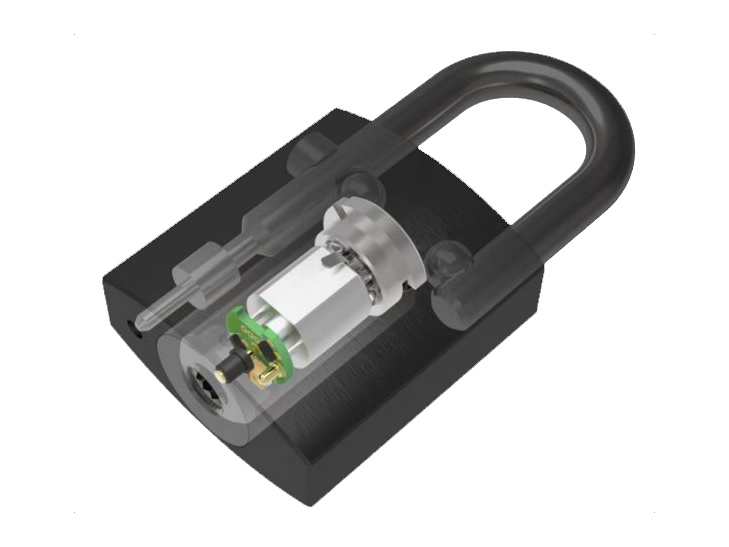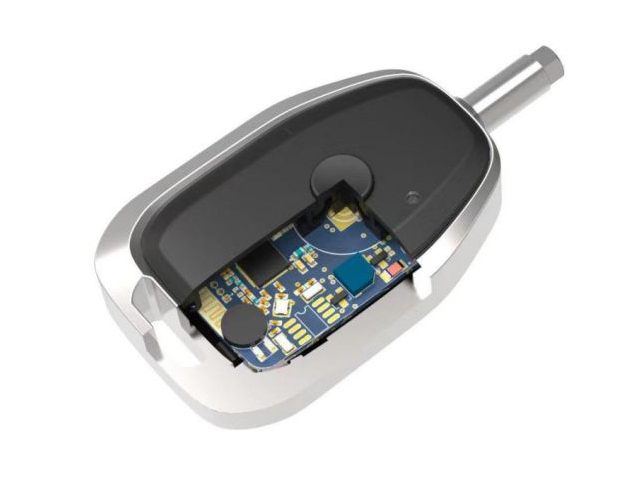
Picking out the right Nb Smart Lock for your home can honestly feel a bit overwhelming at first. With so many options out there these days, it’s good to know what to keep an eye on. I mean, as John Anderson, a pretty well-known expert in home security, once said, “A smart lock that’s well-chosen doesn’t just boost your security — it gives you peace of mind, too.”
When you’re thinking about an Nb Smart Lock, ask yourself: does it have remote access? Will it play nicely with your existing smart home setup? And don’t forget about how easy it is to install — nobody wants to spend hours figuring that out! Plus, let’s be honest, the look of the lock matters too. It should fit in with your home’s style while still doing its job to keep you safe.
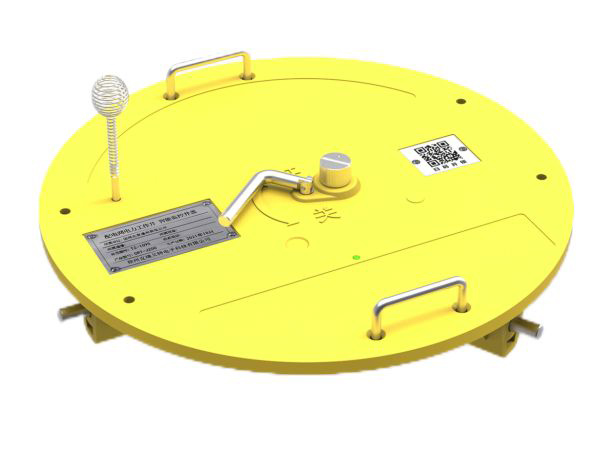
And hey, it’s totally normal to make a few mistakes along the way. Maybe you didn’t realize the battery life was a thing to watch, or you ran into some connectivity hiccups. Reflecting on those lessons from past choices can totally help you make smarter decisions now. Remember, the smart lock you end up with can really make a difference in your home’s security game. Oh, and by the way, there’s some cool tech coming out like the Smart Manhole Cover With Smart Passive Lock, which shows how much security tech is evolving. Making a good, informed choice is key to keeping your home safe — plain and simple.
Smart locks play a crucial role in enhancing home security. According to a recent industry report, more than 60% of break-ins occur through the front door. Smart locks provide an innovative solution by allowing homeowners to control access remotely. They often feature keyless entry, which eliminates the need for traditional keys that can easily be lost or copied.
Moreover, smart locks can integrate with home automation systems. A survey indicated that homes with smart security systems can experience up to 30% fewer burglary attempts. This integration allows for real-time alerts and monitoring, keeping homeowners informed. However, it is essential to note that dependence on technology also comes with risks. Cybersecurity threats pose a challenge, as hackers have targeted devices in the past. Understanding these risks is important when deciding on a smart lock.
Additionally, user feedback highlights common concerns. Some individuals report frustration with app usability or connectivity issues. Identifying the right balance between convenience and security can be complex. An informed choice requires research and consideration of both the benefits and limitations of smart locks. Stay aware of the evolving landscape of smart home technology and its impact on residential safety.
When selecting a smart lock for your home, consider security features carefully. Look for options with advanced encryption technology. This helps protect your data and prevents unauthorized access. A smart lock should also have backup keys or keys for emergencies. Sometimes, technology fails. Having a physical key can save you from getting locked out.
Another vital feature is integration with home automation systems. Many smart locks work seamlessly with other smart devices. Consider your existing system. Compatibility can enhance security and convenience. A lock that alerts you when someone enters can provide peace of mind. Notifications can help you monitor access in real-time.
User experience is also crucial. Choose a model that is easy to install and operate. Complicated locks can lead to frustration. Read reviews and explore different user experiences. Not every lock is suitable for every household. Reflect on your lifestyle and specific needs before making a decision. This process may require some trial and error. Finding the right balance between functionality and security takes time.
When considering a smart lock for your home, assessing compatibility with your existing door hardware is crucial. Different door types and materials can affect how a smart lock functions. A Frp Smart Round/Square Manhole Cover With Smart Lock might also be a point of concern for installation. Doors made of wood, metal, or fiberglass may require different mounting techniques.
Measuring your door is an important step. It is essential to check the thickness, height, and width. You may overlook invisible issues like the alignment of your door frame. If the frame is warped, this can prevent a proper fit for the new smart lock. Consider the type of bolt that your existing lock has. Some smart locks may not be compatible with mortise locks or single-cylinder deadbolts.
Installing a smart lock can seem straightforward. But issues may arise without proper preparation. Furthermore, you might need additional accessories for seamless integration. Always read reviews from users who have installed similar products. This will provide insights based on their experiences, helping highlight what might work for you and what doesn’t.
When evaluating connectivity options for smart locks, three main technologies emerge: Wi-Fi, Bluetooth, and Z-Wave. Each has its own strengths and weaknesses. Wi-Fi offers robust connectivity, allowing remote access and control from anywhere. However, it often requires a stable internet connection, which may not always be reliable.
Bluetooth provides a more localized connection. It works well within a certain range and is energy efficient. Yet, this means you must be nearby to unlock your door. The convenience of a direct connection can be appealing, but there are limitations regarding distance. For instance, if your phone runs out of battery, accessing your home becomes challenging.
Z-Wave is another option worth considering. It operates on a low-energy network designed for smart home devices. While it may not provide direct access like Wi-Fi, it builds a mesh network, improving reliability in larger homes. Still, installing Z-Wave requires purchasing additional components, which adds to the cost. It's essential to weigh these options carefully. Each choice impacts how well your access control system, such as the Access Control Keyless Smart Manhole Cover With Smart Passive Lock, functions in your daily life.
When choosing a smart lock, understanding security ratings is essential. These ratings indicate how well a lock can protect your home. Look for locks with certifications from reputable organizations. For example, the American National Standards Institute (ANSI) provides a grading system. Grade 1 locks offer the highest level of security, while Grade 3 is suitable for light residential use.
It's also vital to consider how these ratings align with your specific needs. A Grade 3 lock may suffice in a low-crime area, but it may not provide adequate protection elsewhere. Reflect on your home’s surroundings and your personal security concerns. Not all locks are created equal, and your personal comfort with a lock is crucial. Checking for user reviews and expert recommendations can provide more insight.
Certifications can vary widely. Some locks may boast high ratings but lack necessary features such as tamper alerts or remote access. Ensure that your smart lock integrates well with your home setup. Research and ask questions to find the right balance between convenience and security. The risks of choosing poorly can lead to regret, so it’s wise to take extra time assessing your options.
| Model | Security Rating | Certification | Key Features | Price Range |
|---|---|---|---|---|
| Model A | Level 2 | UL 294 | Remote Access, Auto Lock | $150 - $200 |
| Model B | Level 3 | ANSI/BHMA Grade 1 | Voice Control, Biometric Access | $200 - $250 |
| Model C | Level 1 | IP65 Weather Resistant | Mobile App Control, Schlage Encode | $120 - $170 |
| Model D | Level 4 | CE Certified | Smart Home Integration, Alert Notifications | $250 - $300 |
When considering a smart lock for your home, user reviews can provide valuable insights.
Many users emphasize ease of installation and app functionality.
They often mention how simple it is to connect the lock via Bluetooth.
Some reviews highlight the lock's security features and its convenience for users.
However, others express concerns about connectivity issues, which can be frustrating.
It's essential to weigh these experiences to make an informed decision.
Expert recommendations emphasize the importance of security features.
Look for locks with reliable encryption and user-friendly interfaces.
Some experts also suggest examining customer service and warranty options.
The blend of technology, like
Bluetooth Function Security Smart Key Manhole Cover With Smart Lock,
enhances user experience but requires regular updates.
Personal experiences shared in reviews indicate that a good lock not only secures your home but also integrates smoothly with existing smart home systems.
The variety of options can be overwhelming.
Reviews show a range of opinions on durability and performance.
Some locks may not perform well in extreme weather.
A balance between smart features and practical usability is crucial.
Consider paying attention to user feedback about long-term use,
as not all smart locks hold up over time.
When setting a budget for your Nb smart lock, it's essential to understand the market price ranges. Prices typically vary from $100 to $300, depending on features and technology. A recent report from the Home Security Industry Association shows that smart locks are trending upwards in functionality, prompting price increases. Higher-priced models often include advanced features like remote access and biometric scans, while more affordable options may offer basic keypad entry.
Consider what features you truly need. If you frequently misplace keys, investing in a smart lock with keyless entry might be worthwhile. However, many consumers overspend on features they rarely use. Analyze your daily routine to determine necessity versus luxury. For example, if you live in a safe neighborhood, a basic model could suffice, saving you money.
Tips: Always review warranty terms before purchase. A solid warranty reflects manufacturer confidence. Installation costs can add up, so factor that in your budget. Additionally, look for locks with tamper alarms to enhance security. Device compatibility is crucial. If you have existing smart home systems, check that your new smart lock integrates seamlessly. Remember to assess the overall user experience, as usability can greatly influence satisfaction.
: Choose locks with advanced encryption. This protects your data and prevents unauthorized access.
Yes, having backup keys is essential. Technology can fail, and physical keys prevent lockouts.
Very important. Compatibility enhances security and convenience with your existing smart devices.
Look for ease of installation and app functionality. Balance convenience with security in real user feedback.
Experts stress reliable security features and user-friendly interfaces. Customer service and warranty options are also crucial.
User reviews highlight both strengths and weaknesses. Pay attention to experiences related to performance and durability.
Many users find installation straightforward. However, some locks can be complicated, leading to frustration.
Connectivity issues are often mentioned. Users can feel frustrated when the lock does not connect reliably.
Yes, it’s wise to consider long-term performance. Not all locks maintain their quality over time.
Absolutely, but regular updates are also necessary to maintain security and usability.
Choosing the best Nb Smart Lock for your home involves understanding various factors that contribute to effective home security. It's essential to recognize the significance of smart locks and consider key features such as security ratings, connectivity options (like Wi-Fi, Bluetooth, and Z-Wave), and compatibility with your existing door hardware. Additionally, reviewing user feedback and expert recommendations can provide valuable insights into the performance and reliability of different models.
Setting a budget is crucial, as Nb Smart Locks come in various price ranges that can suit different financial plans. By evaluating all these aspects, homeowners can make an informed decision, ensuring they select a smart lock that not only enhances security but also integrates seamlessly with their lifestyle.