Vending Machine Smart Locks are really changing the game when it comes to automated retail. As the vending market continues to grow—it's actually expected to hit around $30 billion by 2025, according to IBISWorld—security is becoming more and more of a top priority. After all, theft and vandalism can hit profits pretty hard. That’s where smart locks come in—they offer a smarter way to keep everything secure with some pretty cutting-edge tech.
Many vending machines still rely on old-school locks, which, honestly, are pretty easy to tamper with. On the flip side, Vending Machine Smart Locks use innovative electronic systems that can connect to mobile apps. This setup doesn’t just improve security; it also allows operators to monitor and manage their machines remotely, which is a huge bonus. Data from Technavio even shows that the smart lock market is expected to grow at around 15% annually through 2024—that’s a good sign people are really starting to trust this tech.
Now, switching to Vending Machine Electronic Smart Locks isn’t without its challenges. The upfront costs can be pretty steep, especially for small operators. Plus, getting everyone on board, especially if they’re not really tech-savvy, can take some time. Still, the security and convenience benefits often make the investment worthwhile. It's definitely important to weigh the pros and cons carefully—being informed helps you make smarter decisions in this evolving market.

Definition of Vending Machine Smart Locks
Vending Machine Smart Locks revolutionize the way we secure vending machines. These locks integrate technology that allows for remote access and real-time monitoring. They are designed to enhance security while offering convenience for operators. Typically, these locks can be controlled via smartphone apps or web platforms, allowing businesses to manage access effortlessly.
Recent industry reports indicate that the global vending machine market is projected to grow significantly. Businesses are increasingly adopting smart technologies to address theft and vandalism. This trend emphasizes the importance of robust security solutions like Vending Machine Smart Locks. While traditional locks can be bypassed, smart locks provide better protection through encryption and alert systems.
Tips: Regularly update the software for optimal security. Weaknesses can arise from outdated systems. Additionally, consider using two-factor authentication for access to further strengthen protection.
While these locks offer improved security, they aren't infallible. Technology can fail, or batteries may run out. Businesses must remain vigilant and have contingency plans in place. Balancing convenience and security demands constant reflection in this rapidly evolving landscape.
What is Vending Machine Smart Locks and How They Work? - Definition of Vending Machine Smart Locks
| Feature |
Description |
Benefits |
Technology Used |
| Remote Access |
Allows owners to lock/unlock remotely via smartphone. |
Increased convenience and security. |
Bluetooth, Wi-Fi |
| User Authentication |
Secure access for authorized users only. |
Prevention of unauthorized access. |
RFID, Biometric |
| Activity Monitoring |
Tracks access and usage data. |
Better inventory and management oversight. |
IoT Integration |
| Alarm Function |
Triggers alarm on tampering attempts. |
Enhanced theft deterrent. |
Smart Sensors |
| Battery Backup |
Continued operation during power outages. |
Reliability in all conditions. |
Rechargeable Batteries |
Key Features of Vending Machine Smart Locks
Vending machine smart locks offer enhanced security features that revolutionize traditional locking systems. These locks are designed for convenience and safety. They can be operated remotely, allowing users to unlock machines from a distance. This feature is especially useful for operators managing multiple machines across different locations.
One key aspect of vending machine smart locks is their integration with mobile applications. Operators can monitor access in real-time and receive notifications about any unauthorized attempts. The technology also enables customization, allowing users to set access levels for different personnel.
However, there are challenges. Dependence on technology can lead to issues if connectivity fails. Also, while digital locks enhance security, they may require frequent updates to protect against vulnerabilities. Trusting vending machine electric locks requires a balance of technology and secure practices.
How Vending Machine Smart Locks Function
Vending machine smart locks are transforming the vending industry. These locks provide enhanced security and convenience, making them an essential innovation. Unlike traditional locks, these devices use electronic systems to control access. They can be opened with a keycode, card, or mobile app, reducing the risk of unauthorized access.
How do these vending machine electronic locks function? They consist of several components, including a lock mechanism, a control panel, and a power source. When a user inputs the correct access code or scans a card, the control panel sends a signal to the lock. This signal unlocks the mechanism, allowing convenient access to the machine’s interior. In addition, many of these locks can be integrated with inventory management systems to track usage and alert operators about potential tampering.
Challenges exist in using these smart locks effectively. Power failures can disable the locking system, making it inaccessible. Moreover, not all users are tech-savvy, leading to confusion about operation. Companies often need to provide clear instructions to minimize frustration. Balancing security and accessibility remains a work in progress. As the market evolves, these vending machine electronic locks will continue to improve, addressing these imperfections while enhancing overall functionality.
Types of Vending Machine Smart Locks Available
Vending machine smart locks revolutionize the industry by enhancing security and accessibility. There are various types of smart locks available, each designed for specific needs. Some use Bluetooth technology for mobile access, while others rely on Wi-Fi for remote monitoring. According to market research, the smart lock industry is expected to grow by 30% annually.
The Bluetooth smart locks allow operators to grant access through apps. This is useful for managing multiple sites and tracking who accessed the machines. Wi-Fi smart locks can send alerts when tampering is detected, increasing the overall security of the vending machines. However, reliance on technology can present challenges. Connectivity issues may arise, leading to potential access problems.
Keypad locks remain popular as well. They are simpler but less versatile than smart locks. While they do not require a smartphone, they rely heavily on users remembering codes. A significant percentage of users report forgetting codes, leading to frustrating experiences. In contrast, biometric locks offer advanced solutions by using fingerprints, but they can be expensive and occasionally misread inputs. Each type presents trade-offs, balancing convenience, cost, and security.
Vending Machine Smart Locks: Types and Features
This chart illustrates the popularity of various types of smart locks used in vending machines. Bluetooth Smart Locks lead in popularity, while both RFID and Biometric locks maintain a moderate share, alongside Keypad locks. This data provides insights into the current market trends for smart security solutions in vending machines.
Benefits of Using Smart Locks on Vending Machines
The implementation of smart locks on vending machines has revolutionized the industry. A recent report indicated that utilizing smart locking mechanisms can reduce theft rates by up to 30%. Vending machines equipped with the
Vending Machine Electronic Smart Lock System are not only more secure but also provide operational benefits.
Smart locks offer remote monitoring and access control. Operators can check the status of their machines in real-time, eliminating the need for frequent physical inspections. This can save companies time and resources, allowing more focus on product selection and placement. In addition, these systems often come with detailed access logs, helping identify who accessed the machine and when.
However, transitioning to a smart lock system requires careful consideration. Initial costs can be perceived as high by smaller operators. Maintenance and potential technical issues could also pose challenges. Despite these concerns, the long-term benefits, such as reduced incidents of vandalism, can outweigh the drawbacks. Investing in a Vending Machine Electronic Smart Lock System may ultimately lead to greater profitability and a more robust supply chain.
Challenges and Considerations for Smart Lock Implementation
Implementing smart locks for vending machines presents unique challenges.
Security is a primary concern.
These locks rely on electronic communication, which can be vulnerable to hacks.
Without robust encryption methods, sensitive access information might be compromised.
Manufacturers must address these issues to enhance security.
Accessibility is another critical factor.
Users should find the locking system intuitive.
Complex interfaces might deter customers.
If people struggle to access items, they may turn to competitors.
Ensuring a smooth user experience is essential for the system's success.
Moreover, maintenance can be tricky.
Smart locks require regular software updates.
Failure to keep systems current may lead to malfunctions.
Additionally, tech support needs to be readily available to troubleshoot issues.
As technology evolves, manufacturers must adapt to meet new challenges.
Future Trends in Vending Machine Smart Lock Technology
The future of vending machine smart lock technology holds exciting possibilities.
As the demand for automated retail solutions rises, securing these machines becomes crucial.
Smart locks can enhance security through advanced encryption and mobile access.
Users may unlock machines through smartphones, ensuring convenience and ease of use.
Integration with IoT devices will define future trends.
Connecting smart locks to inventory management systems could provide real-time data.
This integration allows operators to monitor stock levels and reduce maintenance inefficiencies.
However, it also raises concerns about data privacy and security.
Companies must address potential risks in data sharing among devices.
Adoption will not come without challenges.
Some vending machine operators may hesitate due to costs or technological complexity.
A balance between innovation and practicality is essential.
Future advancements should focus on user-friendly designs that cater to all operators, small and large.
Embracing these changes can significantly enhance the vending experience.
Innovative Safety Features of Round Manhole Covers with Smart Lock Technology
Round manhole covers equipped with smart lock technology represent a significant leap forward in urban infrastructure safety and efficiency. These innovative covers incorporate advanced sensor technology that allows for real-time monitoring of their condition and environment. By providing immediate alerts to maintenance teams about potential issues, such as unauthorized access or structural weaknesses, they enhance urban safety and reduce the risks of accidents associated with traditional manhole covers.
Furthermore, the smart features embedded in these manhole covers facilitate seamless data communication between various city infrastructure systems. This capability not only streamlines maintenance operations but also supports the broader objectives of smart city initiatives. Enhanced security features deter tampering and ensure that these critical components remain reliable and functional. With a focus on durability, these smart manhole covers are designed to withstand harsh environmental conditions, making them a sustainable solution for urban management.
Ultimately, the integration of smart technology into manhole covers marks a pivotal improvement in the safety and efficiency of urban environments. By marrying traditional infrastructure with cutting-edge technology, cities can enhance their resilience and ensure a safer experience for all road users.
FAQS
: They use electronic systems for access control. A control panel receives signals to unlock the mechanism.
Yes, they can lower theft rates by up to 30%. Enhanced security is a significant benefit.
They allow remote monitoring. Operators can check machine status without frequent visits.
Yes, power failures can occur. Some users may find them difficult to operate without proper guidance.
They can connect to systems for real-time data. This helps monitor stock levels effectively.
Initial costs might seem high. Maintenance issues could arise, warranting careful planning.
Advanced encryption for security is anticipated. Mobile access will improve user convenience.
Yes, data privacy is a concern. Companies need to address risks of data sharing among devices.
Not necessarily. Some may hesitate due to costs or complexity of technology.
User-friendly designs are essential. They should cater to both small and large operators.
Conclusion
Vending Machine Smart Locks are advanced locking systems designed to enhance the security and accessibility of vending machines. These smart locks feature key components such as Bluetooth connectivity, remote access, and real-time monitoring, allowing operators to manage and secure their machines efficiently. By utilizing various types of smart locks, operators can benefit from improved security, reduced maintenance costs, and streamlined inventory management.
The function of Vending Machine Smart Locks involves integrating technology that can be controlled via smartphones or computers, making it easier to lock and unlock machines remotely. As vending operations continue to evolve, the implementation of these smart locks presents challenges, such as initial setup costs and potential technical issues. However, the future trends indicate a growing reliance on smart locking solutions, promising enhanced features and improved user experiences in the vending industry.

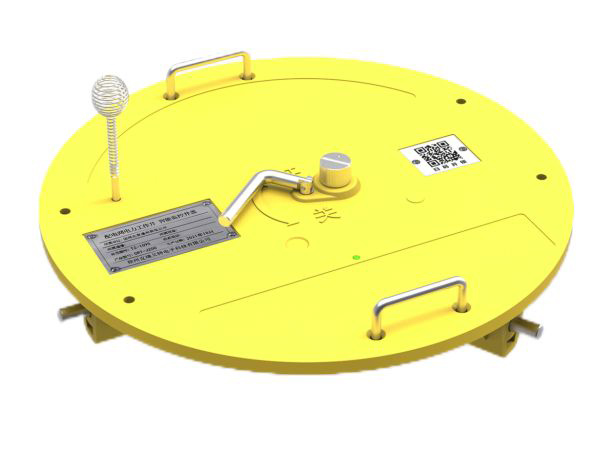 Intelligent Manhole Cover
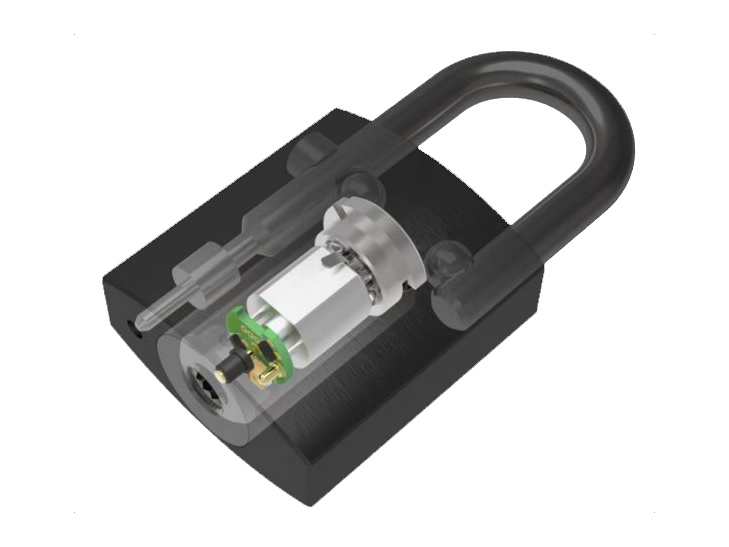 IoT Smart Locks
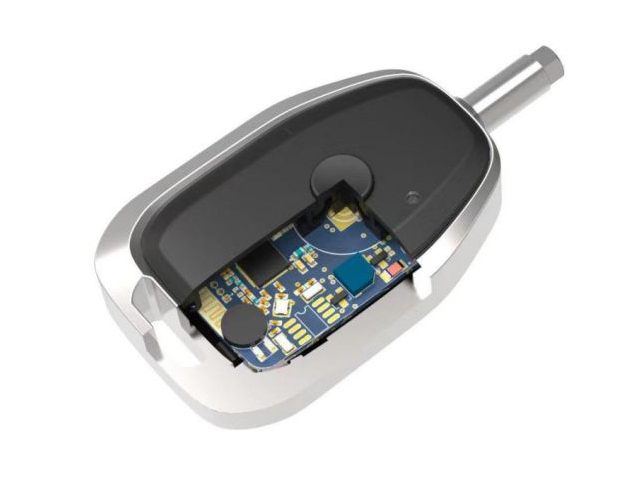 Electronic Keys
 Software


