Inquiry
Form loading...
0%

So, the IoT smart lock market is really blowing up right now, and there are a bunch of reasons behind it. Basically, people are just more interested in smart security that’s both secure and convenient, which totally makes sense for today’s homeowners. Brands like August, Schlage, and Yale are constantly coming out with cool features that really appeal to folks who are pretty tech-savvy these days.

Lately, there’s been a huge jump in demand for remote access and integrating these locks into smart home setups. Families want that extra peace of mind, especially with how much urban living is trending. But here’s the thing—reliability is super important, right? Still, some folks are kinda worried about potential security issues with these devices. So, for consumers, it’s a bit of a balancing act—think about the convenience versus possible risks before making a big decision.

And I gotta say, the pandemic really sped things up. People started pouring more into home automation stuff, turning the IoT smart lock scene into a hot topic. That said, not every product lives up to the hype, which raises questions about quality control. As this market keeps growing, it’s up to the manufacturers to step up and make sure everything’s safe and reliable. Looking ahead, we’re probably going to see some serious improvements and a lot more scrutiny in this space—that’s just how it’s gonna go.

Why Is the IoT Smart Lock Market Growing Rapidly Now?

Overview of the IoT Smart Lock Market Landscape

The IoT smart lock market is experiencing significant growth due to evolving consumer needs. With increasing urbanization, more people seek secure and convenient solutions for home access. Traditional locks often lack the intelligence that modern lifestyles demand. These smart locks integrate with home automation systems, enhancing security and user experience.

Data shows that security is a top concern for homeowners. Smart locks offer features like remote access and real-time monitoring. This technology allows users to control their locks from anywhere using their smartphones. Yet, challenges remain. Security vulnerabilities can undermine user trust if not addressed properly. The development of robust encryption methods is essential for increasing reliability.

User experience plays a major role in the growing interest. Many users appreciate features like keyless entry and quick access for guests. However, over-reliance on technology poses risks. People must ensure they understand these devices fully. Overall, the IoT smart lock landscape is dynamic yet requires continuous improvement to maintain consumer confidence. Balancing convenience with security is crucial for sustained growth.

Key Drivers Behind the Rapid Growth of Smart Lock Technology

Why Is the IoT Smart Lock Market Growing Rapidly Now?

The rapid growth of the IoT smart lock market can be attributed to several key drivers. Data from research firm MarketsandMarkets indicates that the smart lock market is expected to reach $3.3 billion by 2025, growing at a CAGR of over 20%. This surge is largely fueled by the increasing need for enhanced security solutions. More consumers are opting for smart locks that seamlessly integrate with their smart home ecosystems.

Technological advancements play a significant role in this industry’s expansion. As connectivity improves, smart locks now offer features like remote access, real-time alerts, and integration with other smart devices. According to a report by Statista, 32% of households in the U.S. own some form of smart device, up from just 17% five years ago. However, barriers such as privacy concerns and initial costs remain, and some consumers still hesitate to adopt this technology fully.

Consumer convenience also drives adoption. Smart locks eliminate the need for physical keys, which can be easily lost or stolen. They allow for keyless entry, providing both freedom and peace of mind. Despite these benefits, many users question the technology's reliability during power outages or network failures. As the market evolves, addressing these concerns will be crucial for sustained growth.

Technological Innovations Fueling IoT Smart Lock Development

The rapid growth of the IoT smart lock market can be attributed to several technological innovations. Smart locks are now equipped with advanced features like remote access, biometric recognition, and smartphone integration. According to a recent report by MarketsandMarkets, the smart lock market is expected to reach $4 billion by 2025, growing at a CAGR of 16.2%. This growth is driven by the increasing demand for smart home automation and enhanced security solutions.

Moreover, innovations such as artificial intelligence and machine learning are enhancing the functionality of smart locks. These technologies enable locks to learn user behaviors and improve security protocols. A report from ResearchAndMarkets highlights that the global market for smart security systems, including smart locks, is projected to double in the next five years. However, the reliance on technology introduces vulnerabilities. Hackers increasingly target smart locks, and users must be vigilant in ensuring their devices offer strong encryption.

Tip: Always use two-factor authentication when available. It adds another layer of security to your smart locks.

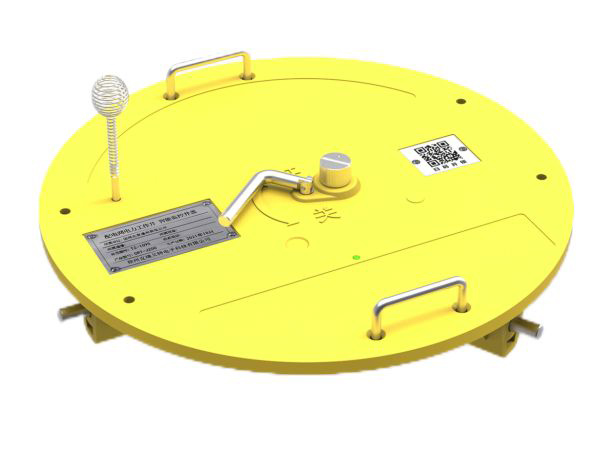
The development of smart manhole cover systems market also reflects a similar trend. Enhanced connectivity and real-time monitoring capabilities are gaining traction in this sector. However, many users overlook basic maintenance practices. Regular updates and software checks are essential to keeping these systems secure and functional. As the technology evolves, these challenges need addressing for a safer experience.

Growth of IoT Smart Lock Market (2020-2023)

Increasing Consumer Demand for Home Security Solutions

Why Is the IoT Smart Lock Market Growing Rapidly Now?

As the IoT smart lock market experiences rapid growth, consumer demand for home security solutions remains a driving force. Modern households are increasingly aware of the vulnerabilities that traditional locks present. Advanced home security systems are no longer just optional; they are necessary. More consumers are seeking reliable, high-tech solutions to secure their properties.

IoT smart locks provide convenience and peace of mind. They streamline access for family and friends while ensuring that unwanted visitors are kept out. Many homeowners appreciate features like remote access control and activity logs. Such innovations enhance the overall security experience. However, challenges still exist. Some users may find technology intimidating or worry about system failures.

There is potential for improvement in how these devices operate. An Iot Smart Lock With Free Software And Platform can offer flexibility that some users desire. Yet, the complexity of installation and setup may deter a segment of potential customers. Education on product functionality can bridge this gap, leading to better adoption rates. Balancing technology and user experience will be key as the market evolves.

Impact of Smart Home Integrations on Smart Lock Adoption

The smart home revolution is significantly boosting the adoption of IoT smart locks. Homeowners now seek seamless integration. This desire shapes the way many view home security. Instead of traditional locks, they're turning to technology-driven solutions that provide more than just safety. Smart locks offer convenience. They can be easily controlled through smartphones, often allowing remote access.


Many people now rely on voice-activated assistants to manage their home systems. This integration enhances user experience. However, challenges remain. Not all users are tech-savvy. Sometimes, confusion arises about setting up smart devices. Security concerns also linger. Encryption and data privacy are critical topics within the smart lock domain. Users need to be educated on safe practices.


Incorporating smart locks into existing home systems can be tricky. Incompatibility issues can frustrate some homeowners. Yet, the potential rewards are substantial. Individuals gain flexibility and peace of mind. As smart home technology improves, so will lock features. This transformation may lead to greater reliance on intelligent security solutions. It reflects a broader cultural shift towards embracing digital solutions for everyday challenges.

Challenges Facing the IoT Smart Lock Market's Expansion

The IoT smart lock market faces several challenges as it grows rapidly. One key issue is cybersecurity. The increasing number of connected devices creates more entry points for potential attacks. A report from Cybersecurity Ventures projects that cybercrime will cost the world $10.5 trillion annually by 2025. This highlights the urgent need for robust security measures in IoT smart locks with built-in chips to prevent unauthorized access.

Another challenge is interoperability. With various platforms and protocols, ensuring that different IoT smart locks work seamlessly together remains complex. According to a recent study by MarketsandMarkets, 40% of smart lock users express frustration over compatibility issues. These concerns can hinder user adoption and trust.

Additionally, consumer education is critical. Many potential users lack understanding of the functionalities and benefits of IoT smart locks. A survey revealed that 60% of users were unaware of the advantages of smart locks over traditional options. Addressing these knowledge gaps is essential for the market’s continued growth.

Future Trends Shaping the IoT Smart Lock Industry

The IoT smart lock market is experiencing a significant surge. This growth is influenced by emerging technologies and changing consumer preferences. The increased focus on home automation drives interest in IoT smart locks. Consumers want advanced features, including remote access and enhanced security protocols.

One key trend is the integration of encryption technology. IoT smart locks with encryption technology offer improved security against hacking. This ensures that users feel secure when accessing their devices remotely. The rise of smart homes means these locks are more important than ever. Homeowners seek reliable systems that enhance convenience without compromising safety.

Tip: Always check for firmware updates on your smart locks. This can help maintain security and functionality.

Another trend shaping the industry is the demand for user-friendly interfaces. Consumers prefer locks that easily integrate with existing smart home ecosystems. Misalignment in usability can lead to frustration. Ensuring ease of use is crucial for both manufacturers and consumers.

Tip: Consider your specific needs when choosing an IoT smart lock. Research features carefully to find the best match for your lifestyle.

Why Is the IoT Smart Lock Market Growing Rapidly Now? - Future Trends Shaping the IoT Smart Lock Industry

Feature Value
Market Growth Rate (2023-2028) 25%
Global Market Size (2023) $1.2 Billion
Predicted Market Size (2028) $3 Billion
Key Driver Increased Demand for Home Automation
Security Incident Rate Increase of 15% YoY
Adoption Rate in Smart Homes 45%
Consumer Awareness Level High
Technological Innovations AI and Biometric Integration

The Future of Security: Exploring the Benefits and Features of NFC Passive Smart Locks

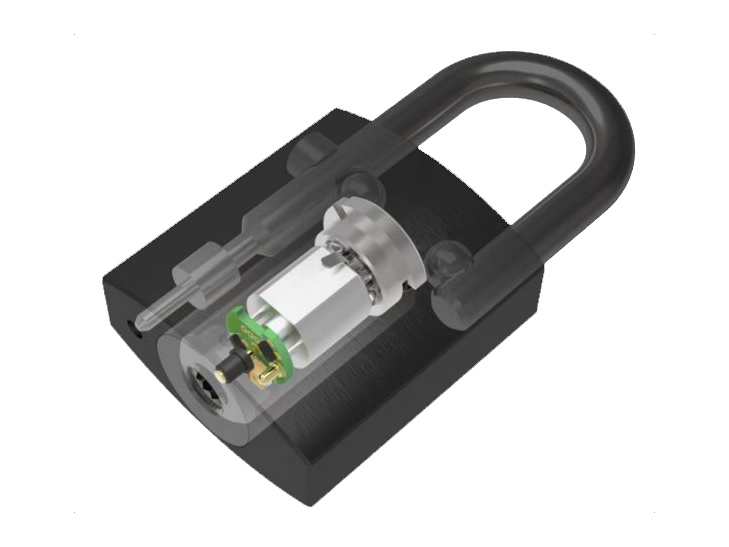
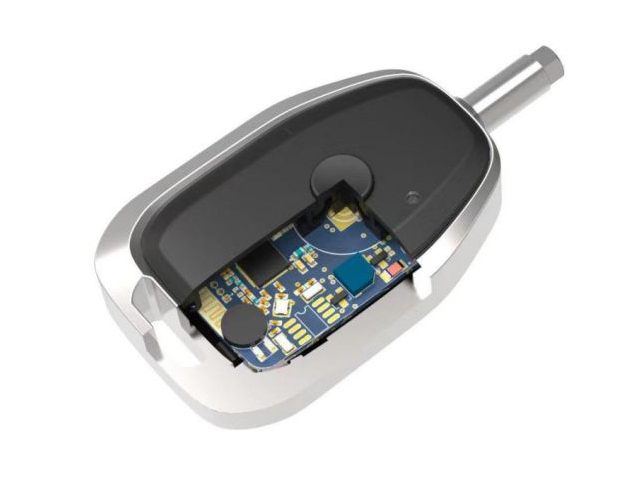
NFC passive smart locks are quickly becoming an essential component of modern security solutions, offering a range of benefits that traditional locks simply can't match. These innovative devices leverage the power of NFC technology to provide a seamless, battery-free access control experience. By harvesting energy directly from a user's mobile phone, they eliminate the need for external power sources or battery replacements, making them highly efficient and dependable.

One of the standout features of NFC passive smart locks is their low maintenance requirements. Unlike traditional locks that often require regular upkeep or battery changes, these smart locks operate without any need for complex maintenance routines. This not only saves time but also reduces costs associated with maintaining conventional locking systems. Additionally, their design ensures robust resistance to interference, addressing a common vulnerability in other smart lock technologies.

The future of security with NFC passive smart locks looks promising as they continue to evolve. The combination of convenience, reliability, and minimal upkeep positions them as a superior choice for both personal and commercial applications. As more users recognize the advantages of this technology, the shift towards NFC smart locks is expected to gain momentum, transforming how we think about accessing and securing our spaces.

FAQS

: What is driving the growth of smart lock technology?

: The need for enhanced security solutions and smart home integration is driving growth in smart locks.

How much is the smart lock market expected to be worth?

The smart lock market may reach $3.3 billion by 2025, growing at over 20% annually.

What features do modern smart locks offer?

Modern smart locks come with remote access, real-time alerts, and smartphone integration.

Why do some consumers hesitate to adopt smart lock technology?

Privacy concerns and initial costs make some consumers hesitant to adopt smart lock technology.

What convenience do smart locks provide?

Smart locks eliminate the need for physical keys, offering keyless entry for convenience.

What vulnerability exists with smart locks?

Smart locks can be targeted by hackers, so strong encryption is crucial for security.

What technological advancements contribute to smart lock functionality?

Artificial intelligence and machine learning enhance the functionality by improving security protocols.

How should users maintain their smart locks?

Regular updates and software checks are essential for maintaining security and functionality.

Are smart locks reliable during power outages?

Many users question smart locks' reliability during power outages or network failures.

What is a recommended security measure for smart locks?

Always enable two-factor authentication for an added layer of security.

Conclusion

The IoT Smart Lock Market is currently experiencing rapid growth due to several key factors. A rising consumer demand for enhanced home security solutions is driving innovation within the sector, as individuals increasingly seek smart technologies that offer convenience and safety. The integration of smart locks with existing smart home systems further accelerates their adoption, providing users with seamless control over their home security.

Additionally, technological advancements are continuously enhancing the functionality and accessibility of IoT smart locks. However, the market also faces challenges that could hinder its expansion, such as concerns over security vulnerabilities and interoperability issues among devices. Despite these challenges, the future of the IoT Smart Lock Market appears promising, with ongoing innovations poised to shape its trajectory and meet evolving consumer needs.

Sophia

Sophia

Sophia is a dedicated marketing professional at Xuzhou Kreyat Electronics Technology Co., Ltd., where she leverages her extensive expertise to enhance the company’s online presence. With a deep understanding of the electronics industry, she plays a pivotal role in developing and maintaining the......
Previous Best Smart Locks for the Power Industry Are They Worth It?