The rise of the IoT Smart Passive Lock really changed the game when it comes to security. It’s a pretty cool technology that’s all about making our lives easier and safer, whether at home or for business. Basically, this smart lock uses fancy sensors and wireless connections, so you can control it remotely—no more fumbling around for keys in the dark, thank goodness! Imagine coming home with your hands full—bag in one hand, groceries in the other—and not having to wrestle with your keys. Just a quick tap on your phone, and the door opens. Honestly, it’s so user-friendly, it almost feels like magic. That said, you’ve gotta remember that relying on tech isn’t always perfect. Connectivity issues can pop up, and if something goes wrong, it could be a little vulnerable. So, yeah, smart locks like these offer a ton of perks, but they also come with their own set of challenges. Companies like Lockitron are working on integrating these fancy locks with free software and platforms, which is pretty cool. As we get more used to this tech, it’s a good idea to stay aware of how much we depend on it and make sure our digital security stays tight.

What is an IoT Smart Passive Lock?
An IoT Smart Passive Lock is a modern solution for secure access. It utilizes wireless technology to allow entry without traditional keys. Instead, you use your smartphone or a designated device. The lock connects to your home network, making it accessible from anywhere. You can control it remotely and monitor its status in real-time.
One of the key features is the built-in chip. This chip enhances security by facilitating encrypted communication. When you approach, the lock can identify your device. This means you don’t need to fumble for keys. It’s convenient but can sometimes fail, so always have a backup plan.
Tips: Ensure your network security is strong. Regularly update your device’s firmware for better protection. Also, consider using two-factor authentication for added peace of mind. The Iot Smart Lock With Built-In Chip provides ease of use, but it's essential to stay vigilant against potential vulnerabilities.
Key Features of IoT Smart Passive Locks
IoT Smart Passive Locks are innovative security solutions. They blend advanced technology with everyday convenience. These locks are designed to enhance home security while simplifying access. Key features include remote access, smart alerts, and user-friendly management. They often use encryption technology for secure communication.
According to recent industry reports, the smart lock market is growing rapidly. By 2025, it is projected to reach over $2 billion. This growth highlights the increasing demand for smart security solutions. Smart passive locks can be controlled via a smartphone app. This allows homeowners to lock or unlock doors from anywhere.
Tips: Always update your smart lock’s firmware. This ensures you benefit from the latest security features. Regularly review access logs to monitor who enters your home. Remember, while IoT Smart Lock With Encryption Technology enhances security, issues can arise. Weak passwords or outdated systems can lead to vulnerabilities. Consider these factors when choosing your smart lock.
How Do IoT Smart Passive Locks Function?
IoT smart passive locks represent a significant innovation in home security. These devices function without traditional key mechanisms. Instead, they rely on a combination of sensors and wireless connectivity. When a user approaches, the lock detects their presence via smartphone or dedicated device. This is achieved through Bluetooth, NFC, or Wi-Fi technology, providing both convenience and security.
The functionality of these locks involves several processes. First, they authenticate the user through encrypted signals. Only authorized devices can unlock the door. Security is paramount; according to research, 80% of breaches occur through traditional locks. IoT smart passive locks reduce such risks by eliminating physical keys, which can be lost or stolen.
Moreover, data analysis reveals that the global market for smart locks is expected to grow significantly, reaching USD 2.56 billion by 2025. However, there are concerns. Some users may forget to charge their device or face connectivity issues. These flaws can compromise accessibility. Understanding these limitations is crucial. The balance between innovation and practical usability remains a key challenge.
Advantages of Using IoT Smart Passive Locks
IoT Smart Passive Locks are revolutionizing home security. These locks use internet connectivity to provide convenience and safety. One major advantage is remote access control. Homeowners can lock or unlock their doors from anywhere. Imagine being on vacation and checking your door remotely. It brings peace of mind.
Another plus is keyless entry. This reduces the need for physical keys. You can share access with family or friends effortlessly. But it does come with challenges. What if the network goes down? This may prevent access when needed. There’s also the risk of hacking, though encryption offers protection. It’s vital to understand these risks while enjoying the convenience of an Iot Smart Lock With Remote Access Control.
Additionally, these locks can integrate with other smart home devices. They can work together with security cameras or alarms. This creates a sophisticated home security network. However, some homeowners might feel overwhelmed by technology. Proper education on usage is essential. Ignoring this could lead to mistakes or anxiety about security.
Installation Process for IoT Smart Passive Locks
The installation of an IoT smart passive lock is a straightforward yet technical process. Start by ensuring you have all necessary tools ready. Commonly included are screwdrivers, a power drill, and the lock itself. Many smart locks come with detailed manuals; however, reading them thoroughly can save time.
Align the lock with the existing door hole. If there's no existing hole, you may need to drill one, which requires precision. Studies indicate that nearly 30% of DIY installations fail due to improper alignment and measurements. After positioning, secure the lock in place using screws. Testing the lock after installation is crucial. It should operate smoothly, without sticking or jamming.
Tips: Always keep spare batteries handy; this prevents lockouts. Regularly check the lock's firmware for updates, as this can enhance security and features. If challenges arise during installation, don’t hesitate to seek professional help. While some opt for a DIY approach, it may lead to issues if not executed correctly. User reviews show that even a small installation error can compromise overall security. Ensuring a perfect fit and function is the key to a reliable smart lock experience.
Security Considerations for IoT Smart Passive Locks
IoT smart passive locks are gaining popularity. But with this rise comes pressing security concerns. According to a recent report, nearly 56% of smart lock users worry about hacking. These users want to know: can they trust their devices?
Smart locks often rely on Wi-Fi and Bluetooth. This connectivity can create vulnerabilities. Important data, like access codes, can be intercepted. Additionally, poorly configured networks may give hackers easy access. Users must consider their home security systems holistically. Regular software updates can help guard against threats.
**Tip:** Make sure your lock is always updated.
Proper installation is crucial, too. Many people overlook this step. A lock installed improperly can be more vulnerable to physical attacks. Take time to follow the manufacturer's instructions closely.
**Tip:** Hire a professional if unsure about installation.
User habits influence security as well. Reusing passwords can lead to breaches. Reports indicate that a staggering 81% of data breaches stem from weak credentials. Unique passwords can enhance security significantly.
**Tip:** Use a password manager to create strong, unique passwords.
While IoT devices like smart locks offer convenience, they require vigilance. Awareness of security risks is essential for proper protection.
Future Trends in Smart Passive Lock Technology
The evolution of smart passive lock technology shows promising trends for the future. Recently, market reports have noted a surge in demand for smart security solutions. By 2025, estimates suggest the smart lock market will exceed $3 billion. This growth is fueled by an increase in Internet of Things (IoT) devices. People crave convenience and improved security in their lives.
Technology innovations are paving the way for advanced features in smart locks. For example, intelligent manhole covers with IoT smart locks provide real-time monitoring. This application enhances safety and reduces unauthorized access to crucial infrastructure. However, the integration of such smart technologies raises concerns about data privacy. Users need assurance that their information is secure.
Moreover, the accessibility of smart locks is still a barrier. Current cost and installation complexities deter many potential users. A Deloitte report highlights that 27% of consumers are hesitant to adopt smart home products due to worries about complications. As smart passive locks evolve, addressing these feelings will be vital. These developments can lead to a future where security is seamless yet robust.
Exploring the Features and Benefits of the CRT-G105T CRAT Passive Padlock for Enhanced Security Solutions
As security concerns continue to rise, the importance of advanced locking mechanisms cannot be overstated. The CRT-G105T CRAT Passive Padlock is designed to provide enhanced security solutions that cater to both individual and business needs. This innovative padlock is equipped with features that streamline access management, empowering users to set specific times for entry, create temporary access authorizations, and receive instant notifications whenever the lock is used. In 2022, a report by the Security Industry Association noted that integrating digital access solutions can reduce unauthorized entries by up to 35%, showcasing the effectiveness of modern locks in asset protection.
Additionally, the CRT-G105T armors users with robust activity monitoring capabilities. By tracking who enters and exits secured assets, users gain valuable insights into their security environment. Reports indicate that businesses using advanced activity monitoring systems saw a 25% increase in their ability to prevent theft and unauthorized access. The alert and notification features further enhance this padlock's utility, alerting users in real-time if a door is opened, if there is an attempt to tamper with the lock, or if the battery needs replacing.
To top it off, the CRT-G105T ensures secure encryption, implementing measures such as encrypted communication and multi-factor authentication. According to the 2023 Cybersecurity Ventures report, breaches due to insufficient encryption protocols could cost businesses an estimated $6 trillion annually. By utilizing state-of-the-art encryption and access protocols, users can significantly mitigate the risk of hacking and unauthorized access, thus reinforcing their overall security posture. The integration of these technologies not only fortifies security but also instills confidence in users that their assets are well-protected.
FAQS
: It is designed to enhance daily convenience. Users can find added efficiency in their routines.
It simplifies tasks and saves time. Features focus on practicality and ease of use.
Regular cleaning is recommended. Proper care prolongs the product’s lifespan significantly.
Yes, it's versatile. It works well at home, in the office, or outdoor settings.
Contact support for assistance. They can provide guidance to resolve common issues.
Generally, it is suitable for all ages. However, adult supervision may be necessary for younger users.
Conclusion
The IoT Smart Passive Lock is an innovative security solution that enhances convenience and safety in modern living. Unlike traditional locks, these smart locks utilize Internet of Things (IoT) technology to provide keyless entry, remote access, and advanced monitoring features. Key characteristics include real-time notifications, compatibility with smart home systems, and robust encryption protocols that ensure secure access.
IoT Smart Passive Locks function through a seamless integration of sensors and connectivity, allowing users to control their locks via smartphones or other devices. The advantages of such locks encompass ease of use, enhanced security, and the ability to manage access for multiple users. Installation is straightforward and typically involves minimal hardware changes. As the technology evolves, future trends may include even smarter features like biometric access and AI integration, promising to further enhance the functionality and security of IoT Smart Passive Locks.

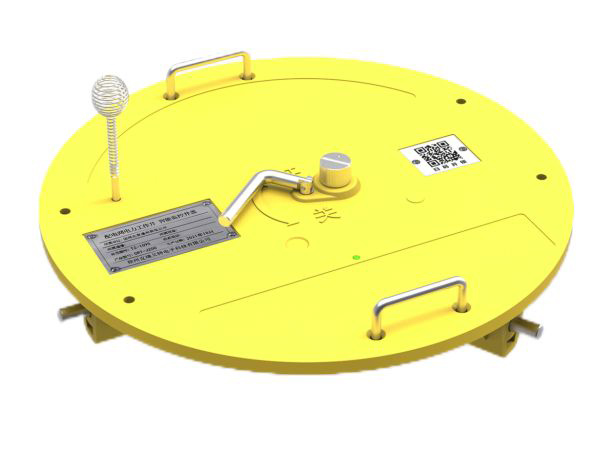 Intelligent Manhole Cover
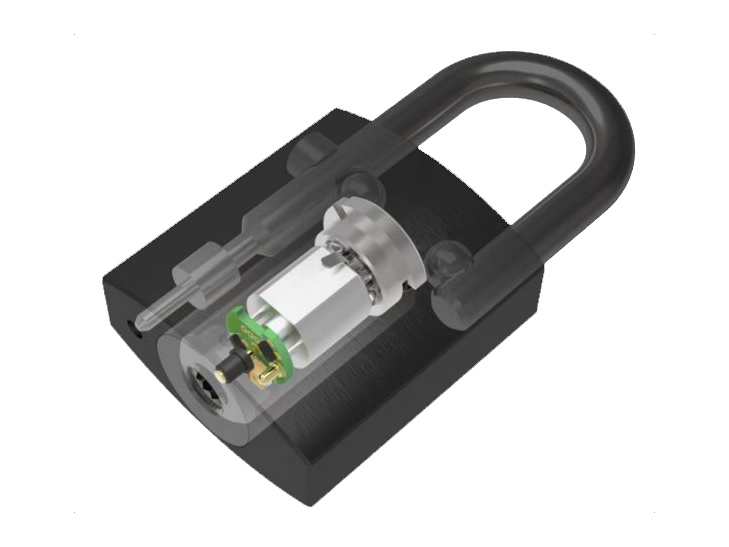 IoT Smart Locks
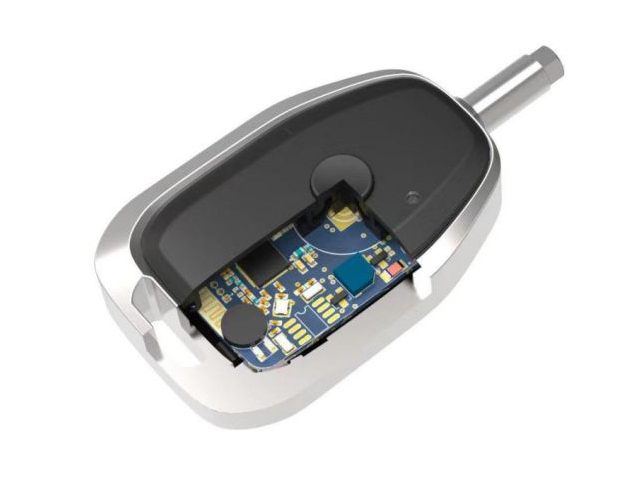 Electronic Keys
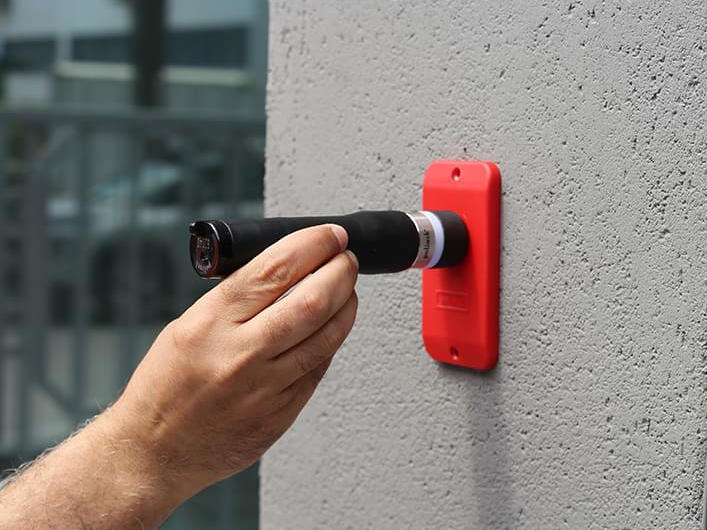 Guard Patrol
 Software


