Hey, have you noticed how quickly things are changing in the digital world? Especially in the energy and power industry, new tech is pretty much a game-changer. One of the coolest innovations lately has been these smart locks designed specifically for the power sector. They've really shaken up how companies handle security—making access control smarter and safer. I recently read a report from IDC that said the global market for these smart locks is expected to grow by about 27% each year until 2026. Seems like everyone’s realizing just how important it is to keep critical infrastructure secure. Xuzhou CREATE Electronic Technology Co., Ltd. is right there, leading the charge in this tech revolution. They focus on security and access management solutions across various sectors like power and utilities. By switching to smart lock systems, companies can work more efficiently, cut down on the chances of unauthorized access, and stay in line with industry rules. Overall, going digital with these smart security solutions isn’t just about fixing current problems; it’s part of a bigger trend toward digitization in the energy world—paving the way for a safer, more resilient future.

Innovative Features of Smart Locks for Enhanced Security in Power Facilities
You know, as the power industry keeps moving towards more digital solutions, smart locks are really starting to play a big role in keeping those facilities secure. These cool new locks come with features like remote access—so you can control who’s in and out from afar—real-time monitoring, and automatic alerts. All of that together makes the infrastructure way safer. When you add smart tech into the mix, it becomes easier for plants and other facilities to cut down on risks from unauthorized folks, plus they can streamline their security checks without breaking a sweat.
Smart locks are basically part of a bigger trend—automation and connectivity—that’s taking over industrial settings. They don’t just keep things locked up tight; they also help managers keep an eye on things remotely, which is a total lifesaver. Want to give a contractor temporary access? No problem. You can do that easily and still keep an audit trail, so everything stays above board and compliant with safety rules. And get this—experts say that the market for these smart locks could hit over $16.5 billion by 2033. That’s huge! The power industry, in particular, could really benefit from jumping on this bandwagon, making their operations a lot safer and smarter in this digital age.
Integrating Smart Lock Technology with Existing Security Systems in the Power Sector
Bringing smart lock technology into the power sector is really a game-changer when it comes to security. You know how traditional locks rely on physical keys and manual stuff? Well, they’re pretty vulnerable — easy targets for folks who maybe shouldn’t be there. But with smart locks, which use cool tech like biometric scans and remote controls, the whole security game gets a serious upgrade. Not only do these locks make access easier to manage, but they also give security teams real-time updates and alerts. So, they always know who’s coming and going in sensitive areas, no guessing involved.
Plus, blending these smart locks into the existing security setup—think cameras, motion sensors, alarms—creates a much more seamless system. When someone taps into a smart lock, it can trigger the cameras to start recording or send quick alerts straight to security staff’s phones. It’s like having a smarter, more connected security network. This approach doesn’t just boost safety; it helps ensure facilities stay compliant with all those rules and standards out there. All in all, it’s a pretty big step toward making our critical infrastructure safer, especially as our world gets more digital and connected.

The Role of IoT in Revolutionizing Security Measures for the Power Industry
You know, with the rise of the Internet of Things (IoT) in the power industry, security measures have really gotten a major upgrade. Nowadays, smart locks—not your average kind—are packed with IoT tech, making our power facilities way more secure and reliable. The cool part? These locks can be monitored and controlled from anywhere. So security folks can give or take away access on the fly, which totally cuts down on the chances of someone sneaking in illegally. Plus, they can send instant alerts if anything suspicious happens—pretty important when you're protecting critical infrastructure, right?

And here’s the kicker: the data that these smart locks collect doesn’t just sit there. Power companies can analyze it to spot patterns or vulnerabilities before anyone can exploit them. It’s like having a security system that’s always one step ahead. By using connected systems and automation, not only are security protocols beefed up, but operations become smoother and more efficient too. As we move further into this digital age, it’s pretty clear that embracing IoT tech is essential for the power sector if they want to stay secure and keep up with new threats out there.
Comparing Traditional Locks and Smart Locks: Benefits for Power Industry Applications
When it comes to the power industry, security is pretty much a top priority. Choosing between traditional locks and smart locks can actually make a big difference in how smoothly things run and how safe everyone stays. Sure, classic locks are reliable, but they usually rely on physical keys—things that can easily get lost or end up in the wrong hands, which obviously isn't great for security. Managing keys for lots of different access points can get pretty tricky too, leading to logistical headaches and potential weak spots. On the flip side, smart locks bring a bunch of cool features like remote access, audit logs, and easy integration with existing security setups, making it easier to keep everything under control.
But honestly, the advantages of smart locks go way beyond just convenience. They actually step up security with things like encryption and real-time alerts, helping to reduce the chances of unauthorized folks getting in. Plus, managing them through a central system makes the whole process way simpler—no more juggling a bunch of keys or worrying about physical exchanges. As the industry keeps moving into a more digital space, embracing smart lock tech isn’t just about staying current, it’s about making the whole operation more secure, flexible, and ready to face any threats that come along.
Revolutionizing Security with Smart Locks for the Power Industry in a Digital Era
| Feature |
Traditional Locks |
Smart Locks |
| Access Control |
Mechanical keys |
Mobile app control, biometrics |
| Security Level |
Limited to key duplication |
Real-time monitoring, alerts |
| User Management |
Manual key distribution |
Remote user management, access logs |
| Installation |
Simple, key-based locks |
May require technical setup |
| Cost |
Lower initial investment |
Higher upfront cost, but lower long-term management cost |
| Durability |
Wear with time and usage |
Often includes warranty and updates |
Challenges and Solutions in Implementing Smart Locks in Power Infrastructure
Integrating smart locks into the power industry isn't without its bumps in the road, especially as the sector dives deeper into digital transformation. One of the biggest challenges? Making sure these fancy new security features fit smoothly with the existing infrastructure—nobody wants a jumbled setup. With folks craving better security and more convenience than ever, power companies are really feeling the heat to deal with compatibility issues, especially since many systems are pretty iconic and hard to change overnight. Plus, there's the looming threat of cybersecurity risks that come with more connected devices. The smart lock market is booming, expected to top over $16 billion by 2033, which just shows how urgent it is for these companies to keep up with what consumers want. On the flip side, though, there's still this pesky frustration from users dealing with unreliable connectivity and devices that aren’t quite powerful enough. That’s a tough nut to crack.
And let’s not forget: with more renewable energy sources coming into play, power infrastructure is getting a lot more complex. That means we definitely need stronger security measures—and smart locks can really help with that by closing off the vulnerabilities of old-school locks. Moving towards this tech-forward approach opens up a lot of exciting possibilities but also raises concerns about fairness and efficiency—sometimes, not everyone benefits equally, and that’s something we need to be mindful of. Experts are warning that by 2025, things might get pretty challenging in this space. Still, if the industry focuses on smart, sustainable solutions—like smart locks—it can protect its infrastructure better and head into this new era with confidence.
Future Trends: The Evolution of Smart Lock Technologies in Energy Management
In today's digital world, smart lock tech is really starting to shake things up when it comes to managing energy within the industry. These fancy new locking systems don’t just boost security—they actually help keep our energy infrastructure safer and more reliable. I recently came across a study looking at over 4,400 articles about future cities, and one thing’s clear: the rapid growth in smart tech highlights how important it is for systems to talk to each other smoothly. Vendors need to offer solutions that play nicely together, so utility companies can freely pick the coolest, most innovative options without getting stuck.
Speaking of which, the move towards Advanced Metering Infrastructure (AMI) 2.0 is pretty exciting—it’s basically laying the groundwork for a smarter grid in the future. With this tech, utility providers can better manage how power is distributed and used. Toss in some AI-powered tools, and suddenly, facilities are not only more secure but also way more efficient when it comes to energy consumption.
A quick tip: When you're picking out smart lock systems for energy management, look for ones that support open-source protocols—this way, they play nicely with other smart devices you might have. It’s also super helpful if they can monitor things in real time and allow remote access; that gives you more control without breaking a sweat. And don’t forget, investing in next-gen smart building tech can really transform how facilities are managed—you might want to keep an eye on that too.
Innovative Solutions for Urban Infrastructure: Featuring the Square Manhole Cover with Smart Lock Technology
In urban environments, the functionality and safety of manhole covers have become critical concerns. Traditional manhole covers often fall victim to damage or theft, which can lead to dangerous situations, including personal injuries or fatalities. According to a report by the National Institute of Standards and Technology, inadequate infrastructure maintenance and loss of asset information contributes to significant economic damage, estimated at billions annually due to accidents and repair delays. The need for innovative solutions in urban infrastructure is paramount to address these issues effectively.
Our company has introduced the Square Manhole Cover with Smart Lock Technology, designed to drastically improve urban infrastructure management. By leveraging advancements in the Internet of Things (IoT), cloud computing, and wireless sensing, these intelligent manhole covers ensure real-time monitoring of the manhole environment. This technology provides immediate notifications of potential issues, allowing for prompt responses and reducing the likelihood of electrical fires or other hazardous situations. Data from the Global Smart Infrastructure Market report indicates that the integration of smart systems can lead to a 30% reduction in operational costs while increasing safety and reliability.
Moreover, these smart manhole covers facilitate better asset management for municipal authorities. With integrated sensors, they help in tracking the condition of the covers and identifying missing or damaged units. This alleviates the complexities associated with diversified ownership and outdated road systems, ensuring efficient maintenance and reducing the risk of incidents. Embracing these innovative solutions not only mitigates risks but also promotes sustainable urban development.
FAQS
: Smart locks are advanced locking solutions that offer features such as remote access control, real-time monitoring, and automated alerts, enhancing security at power facilities by mitigating unauthorized access risks and streamlining security protocols.
The power industry is interested in smart locks because they provide robust security measures, improve operational efficiency, and allow facility managers to monitor access remotely while ensuring compliance with safety regulations.
Challenges include ensuring compatibility with existing infrastructures, addressing potential cybersecurity risks, overcoming user frustration due to connectivity issues, and managing the increasing complexity of power infrastructure.
Smart locks can grant temporary access to contractors or authorized personnel while maintaining a comprehensive audit trail, helping to ensure compliance with safety regulations.
The market for smart locks is projected to exceed $16.47 billion by 2033, indicating significant growth potential and the benefits of adopting these solutions in the power industry.
Future trends include an emphasis on interoperability and vendor-independent systems, integration with Advanced Metering Infrastructure (AMI) 2.0, and the adoption of AI-driven technologies to enhance security and energy efficiency.
Facilities should look for smart locks that offer open-source protocols for compatibility, real-time monitoring capabilities, and support remote access to enhance control and security.
Smart locks contribute to energy management by enhancing the security of energy infrastructures, allowing for optimized energy distribution and consumption, and aligning with the need for reliable energy solutions.
Smart locks will play a crucial role in the digital transformation of the power industry by providing sustainable and secure practices, addressing vulnerabilities in traditional security measures, and adapting to evolving consumer expectations.
Addressing cybersecurity risks is vital to protect sensitive infrastructure from unauthorized access and to ensure the integrity of smart locking systems, especially as the reliance on digital technologies increases in the power industry.
Conclusion
So, I came across this article called "Revolutionizing Security with Smart Locks for the Power Industry in a Digital Era," and honestly, it’s pretty fascinating. It digs into how Smart Lock technology is shaking things up when it comes to security in the energy sector. They focus on some cool features—things like remote access, audit trails, and real-time tracking—that make security much smarter and more effective. The article also talks about how these smart locks can be integrated with existing security setups, making everything work better together without much fuss. Plus, it highlights how IoT—y’know, the Internet of Things—really helps improve these systems, connecting all these devices to create tighter security protocols.
Compared to regular locks, Smart Locks really stand out in the power industry—offering better efficiency and much stronger protection against unauthorized access. Of course, they also cover some of the hurdles you might hit when trying to set up these systems, but they offer practical tips to get past those issues. Looking ahead, the article predictions about how Smart Lock tech might evolve in energy management, making them an essential part of future security strategies in the power world. Overall, it’s a pretty intriguing look at how tech is shaping a safer, smarter energy landscape.
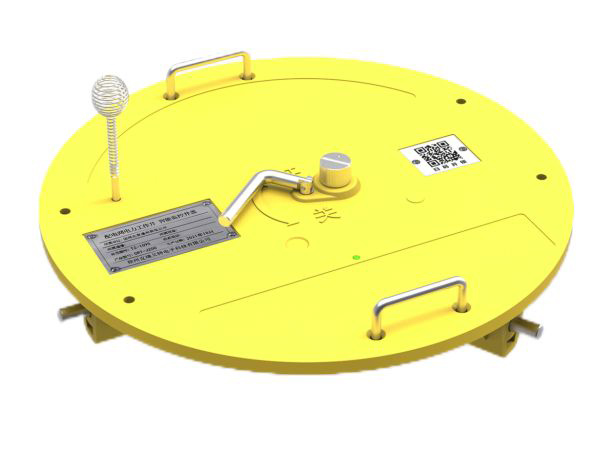 Intelligent Manhole Cover
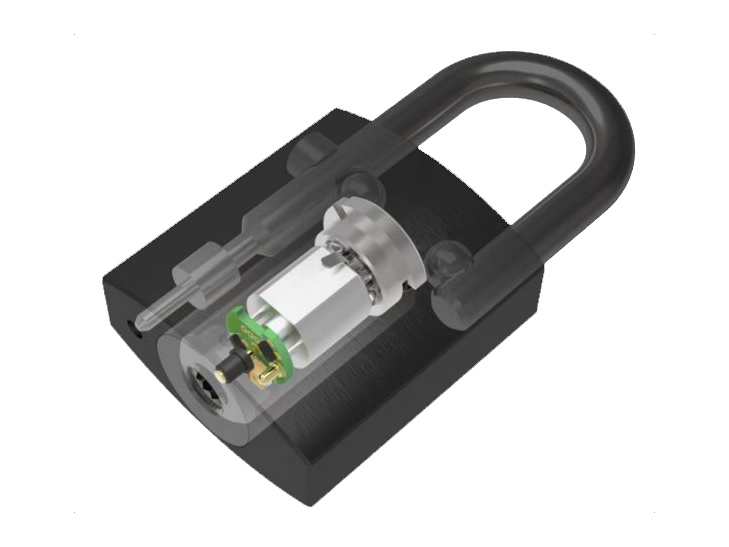 IoT Smart Locks
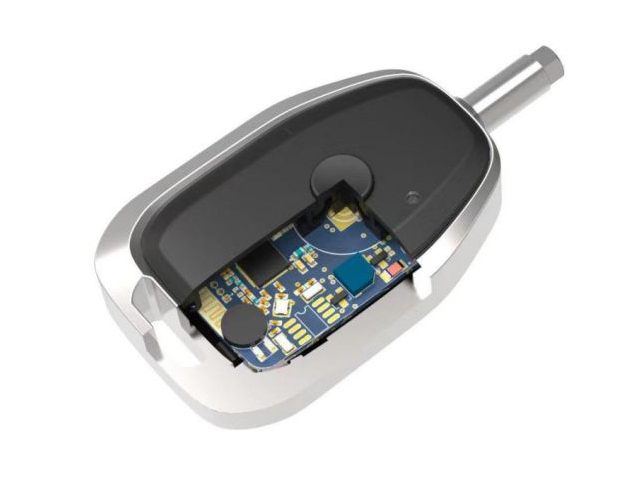 Electronic Keys
 Guard Patrol
 Software


