You know, with the way things are changing so fast in the security world, people are really looking for better locking solutions now more than ever. A recent report from the Security Industry Association (SIA) even suggests that the market for smart access control systems is set to grow by a whopping 12.4% each year. That just goes to show how crucial it is to come up with innovative products like the Smart Passive Lock With Management Platform.
Xuzhou CREATE Electronic Technology Co., Ltd. is really leading the charge in this space, focusing on security and access management technologies across a bunch of different fields like telecommunications, healthcare, and utilities.
And let’s not forget, 'Made in China' products are really starting to make a name for themselves globally. Our dedication to quality means we're not just meeting international standards; we’re aiming to go beyond them. By blending smart technology with easy management options, we're in a great position to tackle the complex security needs of the future, creating solutions that truly protect both assets and information across various industries.
Understanding Intelligent Passive Locks: Key Features and Benefits
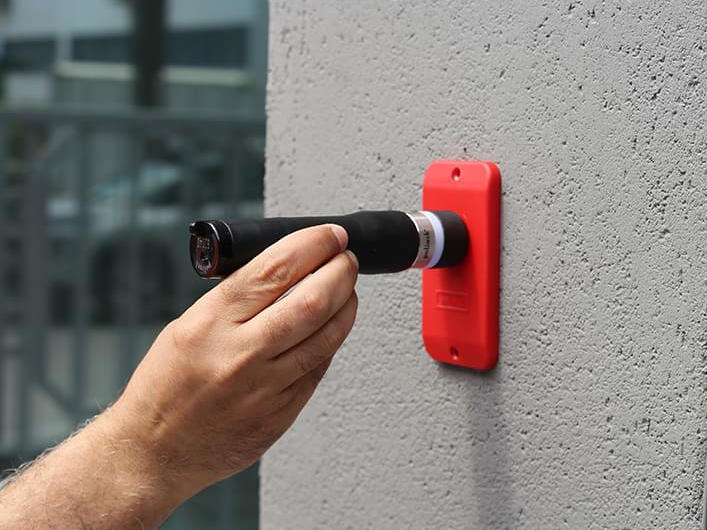
You know, intelligent passive locks are really a game changer when it comes to security tech. They combine convenience with protection in such a cool way. Unlike those old-fashioned locks we’re used to, these new locks work without you having to do anything special. They use advanced sensors and smart tech to recognize who you are and automatically let you in. It’s pretty neat how this boosts both user experience and security. This kind of innovation is especially handy in places like busy offices, hospitals, or even your own apartment, where getting in quickly and safely is super important.
So, what makes these intelligent passive locks stand out? Well, they’ve got features like biometric identification, which is just a fancy way of saying they can read your fingerprint or even recognize your face. That means only the people who are supposed to get in can actually do so, which really cuts down on any unauthorized access. Plus, you can manage and monitor entry points remotely—so if you’re at work or on vacation, you can still keep an eye on things. And let's not forget the sweet ability to sync with your smart home devices. This setup can send alerts if something suspicious is going on and track who’s coming and going. When you think about it, the advantages speak for themselves: more security, more efficiency, and a good night’s sleep knowing you’re protected. That’s why intelligent passive locks are becoming such a big deal in modern security solutions.
The Role of AI in Enhancing Security for Passive Lock Systems
You know, integrating artificial intelligence into passive lock systems is really changing the game for how we manage security. As AI tech keeps getting more sophisticated, it’s super important that our security protocols keep up. Take that new PILS technology, for instance—researchers are pointing out just how tricky it can be to secure these AI frameworks. They’ve found that by digging into the probabilistic info churned out by AI models, even the smallest bits of data can reveal stealthy commands. This really drives home the need for rock-solid security in AI-driven apps.
Now, with the rise of intelligent passive locks, AI is playing a bigger role in tackling security risks than ever. Just look at what the experts were chatting about at the latest cybersecurity conference—the focus was all on how crucial it is to have a well-rounded security framework that can stand up to the new kinds of threats that come with AI advancements. Investing in AI-powered monitoring and oversight systems is a must if we want to stay one step ahead of potential vulnerabilities. Taking this proactive stance will help create a safer environment for both the tech itself and the users out there in our ever-more connected world.
The Future of Intelligent Passive Locks Shaping Secure Management Solutions - The Role of AI in Enhancing Security for Passive Lock Systems
| Feature |
Description |
AI Integration |
Security Benefits |
| Remote Access Control |
Allows users to lock/unlock from anywhere via a smartphone app. |
AI enables secure authentication and authorization mechanisms. |
Enhances security by reducing unauthorized access. |
| Activity Monitoring |
Real-time logging of access events and user activity. |
AI analyzes patterns to detect unusual activity. |
Quick identification of potential security breaches. |
| Smart Notifications |
Alerts users of any unauthorized access attempts or system errors. |
AI filters notifications based on urgency and relevance. |
Improved response time to security threats. |
| User Management |
Allows the addition/removal of users and access permissions easily. |
AI assists in recommending access levels based on user behavior. |
Minimized risk from excess access privileges. |
| Integration with Other Systems |
Compatible with security cameras and alarm systems. |
AI coordinates systems for unified security measures. |
Streamlined responses and enhanced overall safety. |
Checklist for Implementing Intelligent Passive Locks in Your Facility
Alright, so when you're thinking about putting in some smart passive locks at your place, there's a little checklist you'll want to run through to make sure everything clicks together and beefs up your security. First off, take a good look at what security needs your space has. You’ll want to dive into a risk assessment to spot any vulnerable spots and get a feel for how people move around. By customizing the locking systems for specific doors, you can really tighten up your security and manage who gets in and out.
Then, you’ve got to think about how well these intelligent locks will mesh with what you already have in place. Check that they can smoothly integrate with your current security setup—like your cameras and alarms. It's super important to look at what features the locks come with. Think remote access, tools for managing users, and those handy audit trails.
Last but not least, don’t forget to whip up a maintenance plan. Regular updates and checks are key, so you stay ahead of any potential vulnerabilities as tech keeps changing. By following this checklist, your organization can roll out a solid locking solution that not only meets your security needs but also keeps things running smoothly.
Evaluating Security Management Solutions: Key Considerations
You know, as businesses are putting more emphasis on security these days, the need for
intelligent passive locks in security management solutions
is becoming pretty crucial. These locks are not just great for keeping things secure; they
also make the whole access control process a lot easier. I came across this report by
MarketsandMarkets that predicts the global smart lock market
will hit a whopping USD 3.29 billion by 2024, which is pretty wild
considering it's growing at a staggering 67.4% annually since 2019.
This really shows how organizations are changing their approach to security management.

Now, when you're looking at security management solutions, there are a few important things
to keep in mind. For starters, it's all about interoperability with the
systems you've already got in place; I found out from a study by IHS Markit that more than
60% of security experts prefer solutions that play nice with their current IT and
physical security setups. Oh, and we can't forget about user experience!
A user-friendly interface can seriously bump up those adoption rates among your team. There's even
a survey from Security Management Magazine this year that says organizations using
intuitive security tools see 40% fewer unauthorized access incidents.
So, yeah, integrating intelligent passive locks with security management systems is definitely
going to be key in shaping the future of secure spaces.
Future Trends in Intelligent Passive Lock Technology and Security
You know, the way intelligent passive lock technology is progressing is crucial for the future of secure management solutions. As the automotive industry shifts gears toward electrification and smarter tech, we're seeing a real boom in the market for passive security systems. I mean, recent stats show there's been a big jump in investments for passive safety technologies, all thanks to tighter safety regulations and the rise of autonomous driving. This shift is really pushing passive security systems to go beyond just reacting to issues; they’re starting to suggest a more holistic strategy for combining vehicle and home security.
But here's the thing: as these smart locks get more advanced, they’re also becoming a bit of a double-edged sword. Just recently, some cybersecurity experts pointed out a nasty incident that showed potential backdoor vulnerabilities in these intelligent locks and smart home devices. This really underlines why we need to be proactive about security—after all, a whopping 70% of cybersecurity breaches come from design flaws in smart devices. So, it’s high time that everyone in the industry steps up, focuses on secure design, and uses advanced encryption to keep user safety front and center. With AI playing such a big role in keeping an eye on online threats, blending these technologies into intelligent locks could really ramp up security and boost our trust. It’s all about paving the way for a future that’s not just smarter but also a whole lot safer!

Maintaining and Upgrading Your Passive Lock Systems for Optimal Security
You know, as smart technology keeps getting better, it's super important to keep our passive lock systems up-to-date and well-maintained. These locks work without needing us to do anything actively, which is great for a hassle-free entry while keeping everything secure. Regular check-ups are a must to make sure these systems are doing their job—trust me, it really cuts down on any potential risks. This means scheduling some routine inspections, running software updates, and just making sure the locks themselves are in good shape.
Now, when you think about upgrading your passive locks, it’s not just about beefing up security; you also get some cool new features that can really streamline things. With all the amazing developments in AI and machine learning, the latest models can actually learn how you use them and get better at recognizing the folks who are authorized. Plus, when you tie these systems in with other security setups, it makes managing access so much easier. You’ll get detailed analytics and be able to respond quickly if there’s ever a snag. So, by focusing on keeping things maintained and strategically looking to upgrade, property managers like us can really boost security while keeping those operational headaches at bay.
The Future of Intelligent Passive Locks
Securing Communication Infrastructure: Insights from Industry Reports on the Importance of Reliable Cabinet Locks like CRT-MSJ874
As organizations increasingly prioritize the security of their communication infrastructure, insights from recent industry reports highlight the critical role of reliable cabinet locks, such as the CRAT-MSJ874. A smart cabinet lock combines advanced technology with essential security features, addressing common vulnerabilities within organizational environments. According to a study by the Security Industry Association, 62% of security breaches occur due to unauthorized physical access, emphasizing the need for robust locking systems that can enhance overall security.
The main benefits of the CRAT smart cabinet lock are particularly relevant in mitigating these vulnerabilities. Enhanced security measures, including remote access control and time-based access authorization, empower organizations to manage who enters their communication hubs effectively. With features like temporary task authorization, businesses can grant limited access to personnel as needed, ensuring that sensitive materials remain protected while allowing for operational flexibility. Furthermore, the ability to maintain access records and monitor entries in real-time provides crucial insights into user activity, contributing to a culture of accountability.
Moreover, proactive security measures such as the blacklist for lost keys can significantly reduce the risks associated with compromised physical access. An industry report reveals that companies implementing smart locking solutions have seen a 45% reduction in unauthorized access incidents. This data strongly supports the assertion that investing in reliable cabinet locks like the CRAT-MSJ874 is not merely a precaution but an essential strategy for maintaining the integrity and security of communication infrastructure.
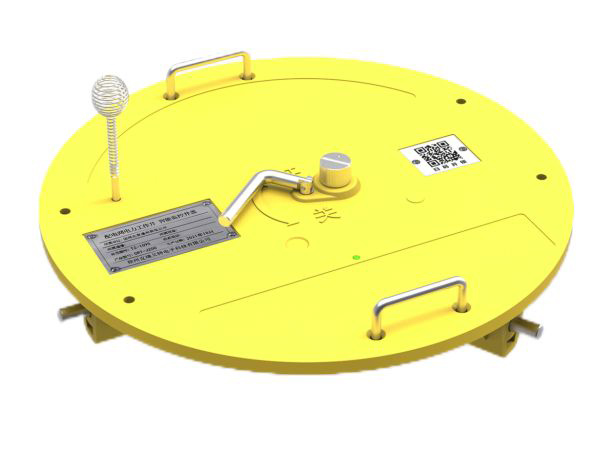 Intelligent Manhole Cover
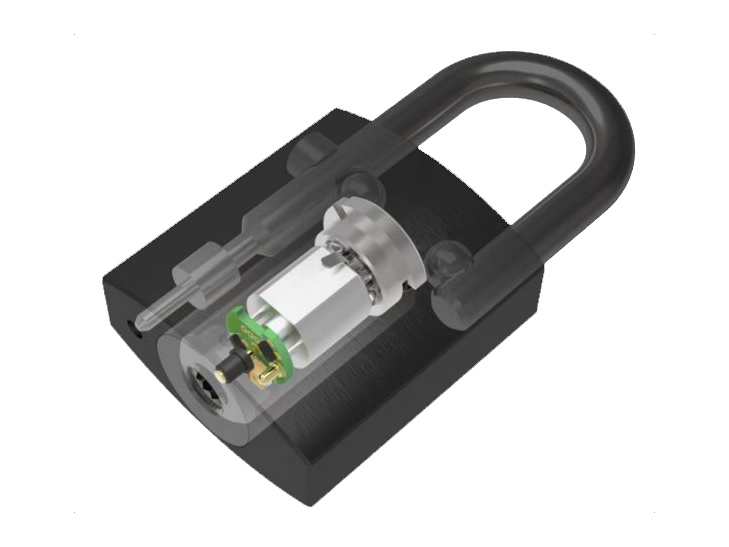 IoT Smart Locks
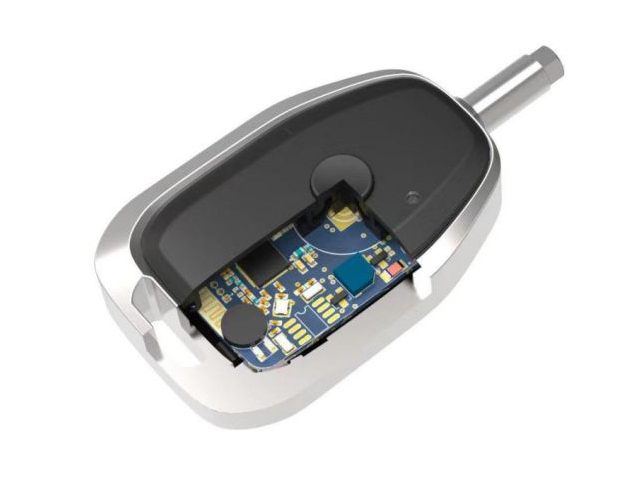 Electronic Keys
 Guard Patrol
 Software


