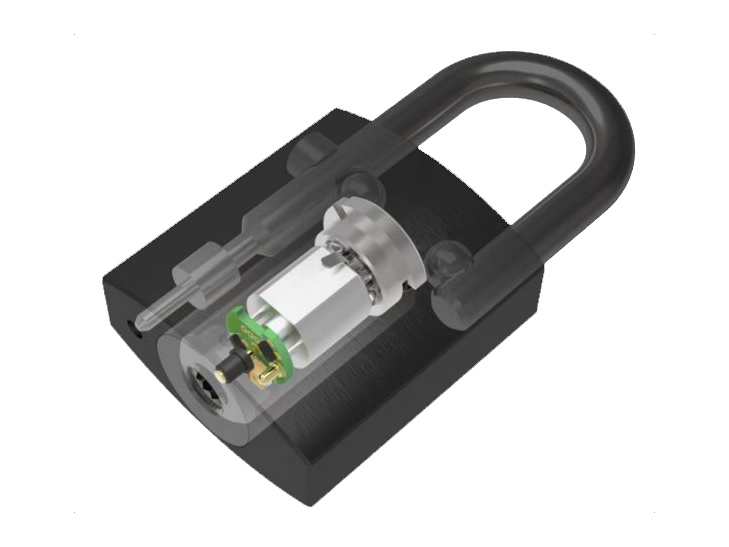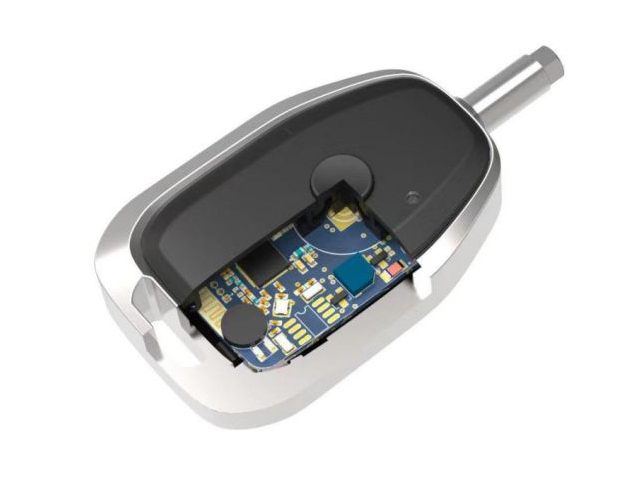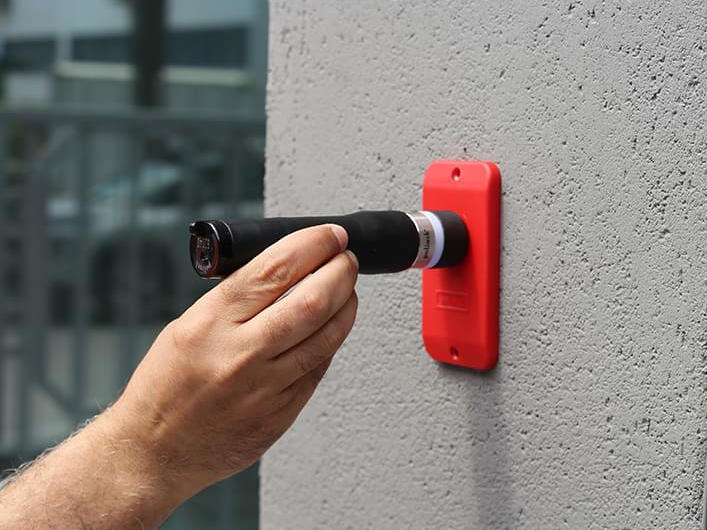
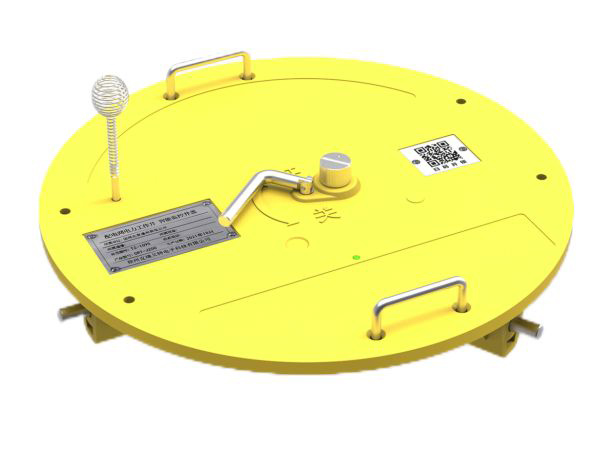
So, in today’s crazy, fast-moving world, keeping our stuff safe is more important than ever. Thanks to the tech boom, traditional locks are getting a serious upgrade. Enter Keyless Electronic NFC Locks — they’re really changing the game with some pretty cool safety features. Basically, these locks use Near Field Communication (or NFC, if you wanna sound fancy) to let you unlock things smoothly and effortlessly.
Using a keyless NFC lock can make your life way easier. No more fumbling around for keys — just tap your phone or an NFC-enabled device, and boom, you’re in! It’s super convenient and honestly, it takes away that annoying fear of losing your keys. I’ve definitely been there — locked out because I couldn’t find my keys, and it’s the worst.
That said, it’s not all perfect. Like anything, these locks can have hiccups — especially if the battery runs out or if you forget your device somewhere. But overall, the upsides really outweigh the little issues. Investing in one of these bad boys can seriously boost your security and save you from a lot of stress. Honestly, it’s a no-brainer if you’re into making your life simpler and safer.
Keyless electronic NFC locks bring significant advantages to security. They eliminate the need for traditional keys, which can be lost or stolen. Instead, these locks use near field communication technology to unlock doors with a simple tap from a compatible device. This technology reduces the risk of unauthorized access. Many people appreciate that they can set custom access codes for family or guests.
Another key benefit is the ability to monitor access. Users can often check who entered or exited their home through a smartphone app. This feature adds a layer of accountability. However, it also means that users should be careful with how they manage these permissions. A forgotten access code could allow others to enter.
While the convenience is appealing, there are concerns. Electronic locks can be vulnerable to hacking. If a device is compromised, the lock's security could be at risk. Users must understand these potential pitfalls and remain vigilant. Regularly updating security settings and being cautious about sharing access can help mitigate these issues.
NFC technology has transformed security in recent years. Keyless electronic locks are now easier to use. These locks allow access through NFC-enabled devices. Users can simply tap their smartphones to unlock doors. This convenience is a significant step forward. However, it brings challenges too.
The advancements in NFC technology have enhanced security features. For instance, many locks now offer advanced encryption methods. This helps protect against unauthorized access. But, security risks still linger. Hackers continuously seek ways to exploit vulnerabilities. Regular software updates and user awareness are essential to mitigate these risks.
Moreover, while keyless entry is convenient, it does require reliable power sources. If the batteries fail, access can become problematic. Users may find themselves locked out, which is frustrating. Balancing convenience with reliability remains a challenge. As technology evolves, users must stay informed about best practices for security.
| Benefit | Description | Security Feature |
|---|---|---|
| Enhanced Security | Utilizes advanced encryption to protect against unauthorized access. | AES Encryption |
| Convenience | Eliminates the need for physical keys, making access easier. | Keyless Entry |
| Remote Access | Features mobile apps that allow locking and unlocking from anywhere. | Smartphone Control |
| Audit Trails | Tracks who accessed the lock and when, providing accountability. | Access Logs |
| User Management | Allows easy addition and removal of users without rekeying. | Custom User Permissions |
| Durability | Designed to withstand weather conditions and tampering attempts. | Weatherproof Design |
| Cost Efficiency | Reduces costs related to lost keys and lock replacements. | Keyless Savings |
| Integration with Security Systems | Can be integrated with existing security systems for enhanced protection. | System Compatibility |
| Emergency Access | Provides a backup option to access in case of power failure or battery issues. | Emergency Override |
| Minimal Maintenance | Requires less frequent maintenance compared to traditional locking systems. | Low Maintenance Needs |
Keyless electronic NFC locks have gained popularity, particularly for their cost-effectiveness compared to traditional locking systems. According to a study by the International Security Journal, switching to electronic locks can save up to 25% on total installation and maintenance costs. Thanks to reduced physical wear and tear, these locks often require less frequent servicing. In contrast, traditional locks may necessitate regular maintenance, which can drive costs up significantly over time.
The initial investment in NFC locks can appear higher. However, the long-term savings are compelling. They eliminate the need for physical keys, which are often lost or require rekeying. A Smart Home report noted that property owners spend nearly $200 annually replacing lost keys and locks. Moreover, many keyless systems offer features like remote access and activity logging, reducing security breaches.
Despite their advantages, electronic locks can occasionally face technical issues. Critics mention concerns about battery life and software updates. Regular updates are necessary to maintain security standards, which some users overlook. Awareness of these factors is vital in evaluating the overall effectiveness of keyless systems. The blend of security and cost savings presents a fascinating option for many modern users.
Keyless electronic NFC locks offer significant convenience. Users can access their properties without fumbling for keys. Reports indicate that about 65% of homeowners prefer keyless entry systems. This preference highlights a shift toward streamlined living. NFC technology allows for quick tap access. No more worrying about lost keys.
Consider a scenario where you have your hands full with groceries. With traditional locks, you might struggle to find your keys. However, with NFC locks, a simple tap on your smartphone unlocks the door. This effortless access has made daily routines smoother, especially for busy families.
Yet, it is essential to recognize potential drawbacks. NFC locks depend on battery life and technology. A dead battery can leave you locked out. Furthermore, not all users are tech-savvy. A survey indicates that 30% of people express concerns over technology in security. This discrepancy highlights the need for education and support. While the convenience is clear, it’s vital to address these challenges for broader adoption.
Keyless electronic NFC locks offer remarkable advancements in home and business security. One of their significant features is remote access capabilities. This technology allows users to unlock doors from anywhere, using a smartphone or other devices. Imagine being able to let a friend into your home while you are miles away. It is a game-changer for convenience and security.
Real-time monitoring is another compelling benefit. Users can receive instant notifications when someone accesses their property. This feature can provide peace of mind, especially for those who travel frequently or manage multiple properties. However, it’s essential to reflect on who has access. Are you sure everyone with remote access is trustworthy?
**Tip:** Regularly update your access codes. This minimizes security risks and keeps your property safer.
Remember that while technology makes things easier, it also brings challenges. What happens if your device malfunctions? You may find yourself locked out. Always have a backup plan, like a physical key or an alternative method to access your home.
**Tip:** Keep your user list updated and remove access for anyone who no longer needs it. This simple step can prevent unauthorized access. Keeping track is important in maintaining a secure environment.
Keyless electronic NFC locks offer enhanced durability that stands out in today’s security landscape. Unlike traditional locks, these electronic systems resist physical tampering more effectively. The solid construction prevents easy break-ins. A sturdy lock system can deter criminals significantly. The materials used in manufacturing these locks are often robust. This durability is crucial for homes and businesses alike.
In addition to physical strength, the design of NFC locks often reduces vulnerabilities. Conventional locks can be picked or forced open. These electronic alternatives minimize such risks. However, not all products are created equal. Some locks may still face challenges with battery life or electronic malfunctions. Regular maintenance and checks are essential. Even the best locks require occasional reflection and care to ensure reliability. Embracing technology indeed offers benefits but also encourages us to remain vigilant.
Keyless electronic NFC locks represent a significant advancement in home security. Their seamless integration with smart home systems enhances overall protection. According to a recent report by MarketsandMarkets, the smart home security market is projected to reach $107 billion by 2025. This increasing adoption highlights a growing demand for advanced security features.
NFC locks can sync with various devices in the home. For example, they can communicate with security cameras, alarms, and even smart lights. When someone approaches, lights may turn on automatically, deterring unwanted intruders. Data from Statista indicates that around 40% of smart home owners appreciate seamless device interaction. This connection not only improves safety but also adds convenience.
That said, these systems can pose challenges. Software updates are crucial, yet they can be neglected. Weak passwords can also undermine security. As reported by the Cybersecurity & Infrastructure Security Agency, 80% of data breaches are due to weak passwords. A more integrated approach is needed. Users must stay vigilant about their system settings. This ensures effective security while maximizing the benefits of keyless electronic NFC locks.
Data security is crucial in today's digital age. Keyless electronic NFC locks have emerged as a popular solution for enhancing security. The encryption standards used in these systems play a vital role in protecting user data. Most NFC locks utilize AES (Advanced Encryption Standard) with a key size of at least 128 bits. This encryption method is trusted and has been adopted worldwide. According to a report by the International Organization for Standardization (ISO), AES encryption is considered secure against brute-force attacks.
However, not all NFC systems implement encryption uniformly. Some devices may use weaker encryption methods, making them vulnerable. A study by Cybersecurity Ventures highlighted that up to 60% of data breaches are linked to poor encryption practices. This raises questions about the security of some keyless lock systems. Regular software updates are essential, as outdated systems can become potential targets.
Furthermore, user behavior directly impacts the effectiveness of NFC locks. Many users may neglect to change default passcodes or fail to update their security settings. A report by the Ponemon Institute indicated that human error contributes to around 27% of cybersecurity incidents. Therefore, while NFC locks provide advanced technology for security, their effectiveness relies heavily on proper use and compliance with best practices.
: The articles primarily discuss various topics related to personal growth and self-improvement.
Start small. Focus on one habit at a time. Consistency is key to lasting change.
Set clear goals. Celebrate small wins. Surround yourself with positive influences.
Mindfulness helps increase self-awareness. It allows for better emotional control and decision-making.
Reflect on what went wrong. Learn from your mistakes. Don’t dwell on failures for too long.
Yes, it’s part of the process. Recognize these feelings and try to reignite your passion.
Goals provide direction. They help track progress and keep you accountable for your actions.
Definitely. Journaling allows for deeper reflection. It clarifies thoughts and helps track progress over time.
Fear of failure and self-doubt are common. Address these feelings honestly to move forward.
Stay true to your values. Reflect regularly on your progress and adjust your approach as needed.
The article explores the top 10 benefits of Keyless Electronic NFC Locks for enhanced security. One of the key advantages is the advancements in NFC technology, which significantly improve security features by enabling encrypted communication and reducing the risk of unauthorized access. Additionally, these locks are cost-effective when compared to traditional locking systems, demonstrating long-term savings for users.
User convenience is another compelling benefit, as Keyless Electronic NFC Locks allow effortless access without the need for physical keys. They also offer remote access capabilities, enabling real-time monitoring and control, which adds a layer of flexibility. Moreover, these locks boast enhanced durability against physical tampering and can seamlessly integrate with smart home systems, providing a comprehensive security solution that adapts to modern living needs.