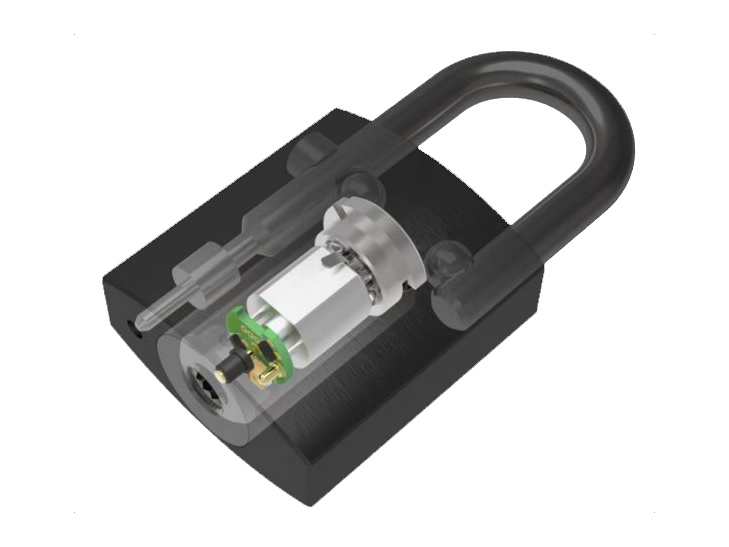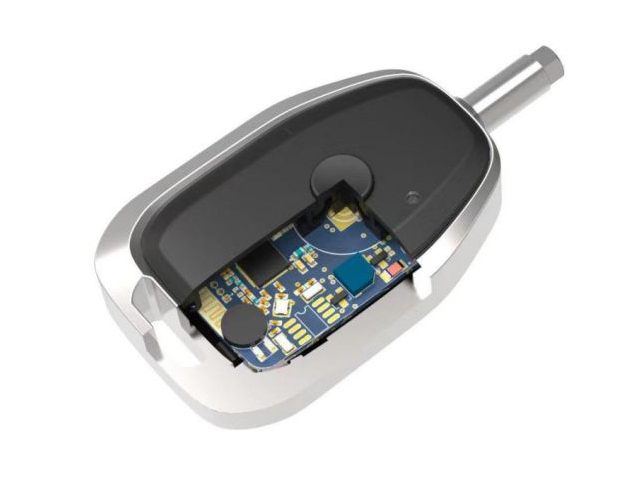
As technology keeps advancing, it's pretty clear that having top-notch security solutions in the power industry is more important than ever. Picking the right smart lock — like the Power Industry Smart Lock — isn’t just about security; it actually impacts how smoothly everything runs. The sector needs tough, reliable solutions that can handle all kinds of challenges that come their way.
Ideally, you'd want a lock that strikes a good balance between innovation and dependability. For example, a Rfid Smart Lock With Master Key For Power Industry offers better access control, so authorized folks can get in easily but sensitive areas stay protected from unauthorized access. Of course, figuring out which smart lock to go for isn’t straightforward—you’ve gotta think about whether it plays nice with your existing setup, how easy it is for people to use, and what kind of technology it uses.
Looking at reviews from users and advice from experts can really help you figure out what actually works. Skipping that research might end up costing you big time later on. Yeah, it might seem a bit overwhelming trying to find the perfect lock, but trust me, making the right choice is super important for keeping things secure and running smoothly.
When considering smart locks for the power industry, understanding their specific applications is crucial. Smart locks enhance security by allowing remote access and monitoring. According to a report by MarketsandMarkets, the global smart lock market is projected to grow at a CAGR of 13.5% from 2021 to 2026. This trend highlights the increasing importance of advanced security solutions in various industries, including energy.
The power sector often deals with sensitive infrastructure that demands heightened security. Smart locks provide features such as real-time alerts and access logs. This helps ensure that only authorized personnel can enter critical areas. Furthermore, the integration of smart locks with existing security systems can create a cohesive environment for safeguarding assets.
Tips: When selecting a smart lock, assess its compatibility with your current systems. Look for options with robust encryption standards to protect data. Regularly review access permissions to maintain security and limit vulnerabilities. Evaluate the lock's battery life and connectivity options, ensuring seamless operation in challenging environments. Choosing the right smart lock will depend on individual security needs and operational requirements, so thorough research is essential.
When selecting a smart lock for industrial use, especially in the power sector, it's essential to consider specific features. Look for locks that offer
remote access. This allows operators to manage entry points without being physically present. Additionally, robust encryption is crucial. It helps protect sensitive data from potential cyber threats.
Battery life is another key aspect to evaluate. A lock with a long-lasting battery reduces maintenance frequency and improves reliability. Easy installation can’t be overlooked.
A smart passive lock for power industry applications should fit seamlessly into existing infrastructures.
It should not require extensive modifications, which can disrupt operations and lead to costly downtime.
Tip: Always check user reviews. They provide valuable insights into real-world performance. Features might sound appealing on paper, but user experiences reveal their reliability.
Consider the ease of integration with other security systems. This ensures cohesive management of your security measures across the board. Lastly, test the lock under various conditions.
Environmental factors can impact functionality, so it's important to ensure durability. Not all locks perform consistently, so thorough examination is key.
When selecting a smart lock For power industry needs, security protocols are crucial. Power facilities face unique risks requiring advanced security measures. Strong encryption methods should be a priority in any smart lock system. Look for options that use AES or RSA protocols, which offer robust protection against unauthorized access.
Moreover, consider the authentication methods available. Biometric entry can enhance security significantly. Fingerprint and facial recognition features reduce the likelihood of human error. Multi-factor authentication is another layer to consider. It adds complexity to access, which is essential in the power industry.
Monitoring capabilities are also important. A smart lock for power industry applications should provide real-time alerts. Notifications about access attempts can help facility managers respond immediately to potential threats. Evaluate how easily the lock integrates with existing security systems. This integration can streamline operations while maintaining a high level of security. There is much to ponder when choosing a smart lock. Balancing convenience with security is vital for any facility.
Integrating smart locks with existing security systems in the power industry poses unique challenges. Many facilities already rely on traditional security measures, resulting in potential compatibility issues. Statistics indicate that nearly 30% of businesses experience integration failures due to outdated infrastructure. The power industry smart lock needs to seamlessly merge with legacy systems while enhancing overall security protocols.
Successful integration often depends on the ability of smart locks to communicate with existing access control mechanisms. Data from industry reports shows that 40% of security breaches occur due to weak access controls. Thus, investing in smart locks that allow easy integration with access management systems is crucial. Moreover, these smart locks should provide real-time data to monitoring systems, ensuring prompt responses during security incidents.
Despite their benefits, organizations must also consider the learning curve involved in adopting these technologies. Employees might resist the change, impacting overall security. Moreover, the initial investment can be daunting, especially for smaller power companies. Balancing cost and innovation remains a critical reflection point for enhancing security with a power industry smart lock that aligns with facility needs.
When selecting a smart lock for the electric power industry, durability is paramount. Power plants and outdoor installations face harsh conditions. Rain, snow, and extreme temperatures can wear down inferior locks. Choosing a smart lock with robust materials ensures it can withstand such elements. Look for options made from zinc alloy or stainless steel. These materials resist corrosion and provide a longer lifespan.
Weather resistance features are crucial too. Locks designed for outdoor use should have an IP rating. This indicates their ability to repel dust and water. In the electric power industry, a lock failing due to weather can compromise security. Many smart locks also include weatherproof seals. These protect electronic components from moisture and dust.
In this sector, regular assessments can be beneficial. It helps identify any wear or potential vulnerabilities. While some locks may appear pristine, internal mechanisms might degrade over time. Frequent checks can extend the lock's functionality. Investing in sturdy and reliable Electric Power Industry smart locks can enhance overall security. However, reflect on the possibility of unforeseen issues. Being proactive is essential for long-term safety.
When budgeting for smart locks in the power industry, cost considerations become a crucial factor. Smart locks can vary significantly in price based on features, functionality, and security levels. It’s essential to evaluate your specific needs and prioritize them. Basic models may suffice for less critical access points, while more advanced systems may be necessary for high-security areas.
Installation costs also must be taken into account. Professional installation can add to the overall budget. In some cases, a DIY approach could save money but may also compromise security. Assess the training needed for staff to effectively use the new systems. This training is an investment that can lead to better security practices.
Regular maintenance expenses should not be overlooked either. Even the best smart locks require updates and servicing. Creating a budget that accommodates these ongoing costs will ensure long-term reliability. In the end, finding the right balance between cost and functionality can be complex. Reflecting on organizational needs will guide the decision-making process, helping you avoid costly missteps down the line.
When it comes to smart locks in the power industry, installation and maintenance are crucial. A report by the Security Industry Association highlights that proper installation reduces security breaches by 30%. This reinforces the importance of following manufacturer guidelines. Each lock comes with unique specifications. Ignoring these can lead to vulnerabilities.
Regular maintenance is also essential for optimal performance. A study from the International Energy Agency mentions that poorly maintained locks can lead to facility downtime. Scheduled inspections can catch issues early. This proactive approach minimizes risks and boosts security reliability.
Despite advancements, challenges remain. Many facilities overlook integration with existing security systems. An estimated 25% of organizations struggle with compatibility, creating gaps in protection. Understanding these factors is vital. Training staff on best practices increases confidence in using smart locks effectively.
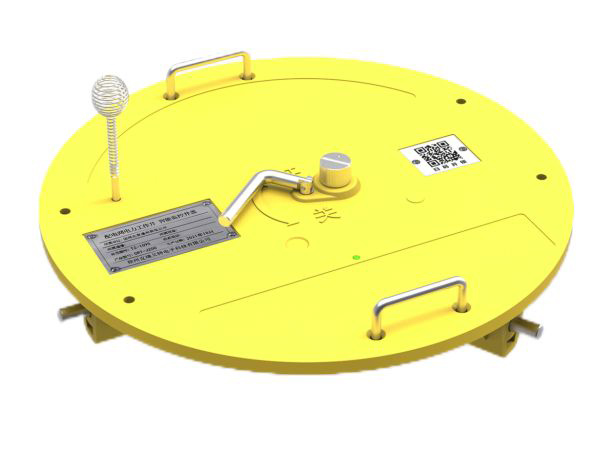
The advent of smart locks in urban infrastructure, particularly in the form of smart manhole covers, marks a significant shift in how cities approach safety and maintenance. The integration of sensor technology and real-time monitoring capabilities into these covers transforms them from passive structures into active components of urban security. By continuously collecting and communicating data, these smart fixtures provide real-time insights into their operational status, allowing for quicker detection of potential issues, thus enhancing overall safety for both pedestrians and vehicles.
Moreover, the durability and safety features incorporated in smart manhole covers ensure they can withstand the elements while maintaining their efficacy. Enhanced security measures help prevent unauthorized access, protecting vital city utilities and reducing the chances of accidents caused by open or unstable covers. As cities evolve into smart environments, the implementation of such advanced infrastructure not only improves operational efficiency but also fosters a safer urban experience, demonstrating the critical role of technology in modern city planning and maintenance.
: Smart locks enhance security by allowing remote access and monitoring for sensitive infrastructure in the power sector.
Outdoor installations face harsh conditions. A durable lock withstands rain, snow, and extreme temperatures to ensure security.
Look for locks made from zinc alloy or stainless steel. These materials resist corrosion and last longer.
Check the lock's IP rating. It indicates its ability to resist dust and water in outdoor environments.
Regular assessments can identify wear or vulnerabilities. Even locks that look fine may have internal issues over time.
Assess compatibility, encryption standards, battery life, and connectivity options to ensure optimal performance and security.
Regularly review access permissions and ensure only authorized personnel can access critical areas for enhanced security.
Yes, weatherproof seals protect locks from moisture and dust, which is crucial for maintaining security in all conditions.
Yes, choosing the right smart lock depends on individual security needs. Research helps in selecting features that best suit your requirements.
While locks may appear intact, internal mechanisms can degrade. Being proactive in assessments ensures long-term safety.
In the ever-evolving landscape of the power industry, the adoption of advanced security measures is crucial, making the selection of the appropriate Power Industry Smart Lock essential. Understanding the unique demands of this sector highlights the importance of smart locks not only for security but also for operational efficiency. Key features to consider include robust security protocols tailored for industrial applications, seamless integration with existing security systems, and durability to withstand outdoor conditions.
When evaluating power industry smart locks, it is imperative to consider cost implications and budget effectively while ensuring that the smart locks meet necessary durability and weather resistance standards. Additionally, following best practices for installation and maintenance can significantly enhance the effectiveness and longevity of these security solutions. Ultimately, selecting the right smart lock can fortify facilities against unauthorized access while streamlining operations in a field where security is paramount.