In the face of escalating US-China tariffs, China's manufacturing sector has demonstrated remarkable resilience, continuing to thrive despite external pressures. This resilience is particularly evident in the security and access management industry, where innovative solutions like the Fingerprint Smart Passive Lock are gaining traction. Xuzhou CREATE Electronic Technology Co., Ltd. stands at the forefront of this evolution, specializing in advanced security technologies tailored for various sectors, including telecommunications, utilities, and healthcare. As the market adapts to new challenges, the demand for efficient and secure locking systems has surged, positioning our state-of-the-art Fingerprint Smart Passive Lock as a leading choice for businesses seeking reliable security solutions. In this blog, we'll explore the implications of industrial adaptability, the role of technological advancements, and how companies like Xuzhou CREATE are not only surviving but excelling in the current economic landscape.

The Impact of US-China Tariffs on Global Supply Chains
The US-China trade tensions have significantly reshaped global supply chains, particularly in sectors reliant on manufacturing and technology. According to a report by the McKinsey Global Institute, around 75% of global manufacturers have experienced disruptions due to tariff policies, with many shifting their sourcing strategies to mitigate increased costs. For instance, companies have begun diversifying their supply chains away from China to countries like Vietnam and India, leading to a staggering 30% increase in Vietnam's manufacturing output over the past three years.
In the smart lock industry, the implications of these tariffs are evident. With the implementation of tariffs on Chinese imports, manufacturers of fingerprint smart passive locks have faced rising production costs, prompting them to innovate or relocate production. A study from the Boston Consulting Group indicated that firms investing in automation and smart technology are better positioned to cope with tariff-related challenges, as they can streamline operations and enhance productivity. This trend underscores the importance of resilience and adaptability in global supply chains amidst ongoing geopolitical shifts.
China's Manufacturing Resilience Amidst US-China Tariffs
The following pie chart illustrates the distribution of China's manufacturing export sectors affected by US-China tariffs. This data highlights the adaptability of different industries in responding to tariff pressures.
China's Adaptive Manufacturing Strategies Amid Rising Trade Barriers
In recent years, China has showcased remarkable adaptive strategies within its manufacturing sector, particularly under the pressures of escalating trade barriers, such as the US-China tariffs. By harnessing innovative technologies and streamlining production processes, Chinese manufacturers have demonstrated an impressive resilience that allows them to remain competitive in the global market. For instance, the introduction of advanced automation and smart manufacturing practices has not only optimized efficiency but also reduced costs, empowering companies to absorb increased tariffs without compromising quality.
One standout example of this adaptability is evident in the production of cutting-edge devices like the fingerprint smart passive lock. This product exemplifies China's ability to pivot in response to market demands through the integration of emerging technologies. Manufacturers are not only focusing on the traditional methods of production but are also investing in research and development to enhance product features, thereby catering to a more discerning consumer base. As tariffs continue to pose challenges, China's manufacturing sector is likely to employ further innovative strategies, ensuring its growth and sustainability in an ever-evolving global landscape.
The Role of Innovation in China's Manufacturing Resilience
In recent years, China's manufacturing sector has showcased remarkable resilience, particularly in the face of tariffs imposed by the United States. The driving force behind this adaptability lies in China's commitment to innovation. According to a report by McKinsey, nearly 90% of large Chinese manufacturers are investing in digital technologies, enhancing productivity and efficiency. This embrace of advanced manufacturing techniques enables companies to maintain competitiveness despite external pressures.
Additionally, the introduction of innovative products, such as the best fingerprint smart passive lock, exemplifies how China's manufacturing landscape is evolving. The global smart lock market is expected to grow at a CAGR of over 15% from 2021 to 2026, driven by rising concerns regarding home security and the integration of IoT technologies. Chinese manufacturers are strategically positioning themselves to capture this growth by focusing on high-value, tech-driven products, thereby mitigating the impacts of tariffs. This synergy of technological innovation and market adaptability underlines the robust nature of China's manufacturing resilience.

Highlighting Success Stories: Chinese Manufacturers Thriving Under Tariffs
In the face of escalating US-China tariffs, numerous Chinese manufacturers have demonstrated remarkable resilience, adapting to challenges and even thriving in adversity. For instance, a report by the China Federation of Logistics and Purchasing reveals that despite tariffs affecting certain sectors, China's manufacturing PMI (Purchasing Managers' Index) has consistently remained above the 50-mark, indicating expansion rather than contraction. This resilience is particularly notable in the smart lock segment, where firms specializing in high-tech security solutions, like fingerprint smart passive locks, have seen significant market growth. The overall sales of smart locks in China are projected to reach $2 billion by 2025, driven by both domestic demand and increasing exports.
Moreover, the emphasis on innovation and quality has allowed Chinese manufacturers to maintain a competitive edge. Companies are now investing heavily in R&D, with the national budget allocation for technology innovation seeing a rise of approximately 10% annually. For example, manufacturers of fingerprint smart locks are integrating advanced biometrics and IoT technology, attracting a broader clientele. As highlighted in a recent industry report, firms that focus on product differentiation and quality enhancements are not only surviving but are also positioned for long-term success despite tariff-induced pressures. These success stories illustrate how adaptability and innovation are key factors propelling Chinese manufacturers forward in a challenging economic landscape.

Best Fingerprint Smart Passive Lock: A Case Study in Adaptation
In the face of escalating tariffs and trade restrictions between the US and China, manufacturers are increasingly seeking innovative solutions to maintain their competitive edge. The case of the best fingerprint smart passive locks exemplifies how companies can adapt to external pressures while enhancing product functionality. By integrating advanced technology such as biometrics, manufacturers not only improve security but also cater to the growing demand for smart home devices. This adaptation highlights the importance of technological integration in overcoming market challenges.
The broader trend of smart textiles is another emblematic example of innovation in response to changing market dynamics. These textiles incorporate sensors and IoT technology, revolutionizing everyday clothing by making them smarter and more functional. The projected growth of the smart clothing market further emphasizes the appetite for such innovations, anticipated to reach USD 5.16 billion in 2024 and maintain a robust CAGR of 26.2% through 2030. As industries respond to consumer demands for more integrated solutions, embracing technology becomes critical to thriving in a competitive landscape.
China's Manufacturing Resilience: Impact of US-China Tariffs
This chart represents the growth of China's manufacturing sector and the production of fingerprint smart passive locks over the past five years, showcasing the resilience in the face of US-China tariffs.
Future Outlook: China’s Manufacturing Strategy in a Tariff-Heavy World
In an era where tariffs have become a prominent part of trade relations, China's manufacturing strategy is evolving to maintain its competitive edge. With US tariffs on numerous goods, manufacturers are exploring innovative approaches to reduce costs and optimize production. Emphasizing technology, firms are increasingly investing in automation and artificial intelligence, which not only enhance productivity but also ensure quality control. This shift allows China to focus on higher-value items while minimizing the impact of tariffs on lower-end products.
Moreover, the introduction of smart products, such as the latest fingerprint smart passive locks, illustrates how Chinese manufacturers are adapting to a tariff-heavy landscape. By integrating advanced technology into everyday items, companies are positioning themselves in markets that demand innovation. Such products not only attract consumers seeking security and convenience but also help manufacturers differentiate themselves from global competitors. As China navigates these challenges, its ability to pivot towards high-tech manufacturing will be crucial for long-term sustainability and growth in a world marked by economic uncertainties.
Enhancing Security in Modern Distribution Systems: Insights from Industry Reports on CRT-MS888 CRAT Distribution Box Lock
In today's rapidly evolving technological landscape, the security of distribution systems is more crucial than ever. Modern distribution systems, particularly in the power industry, are often vulnerable to unauthorized access and environmental challenges. The CRT-MS888 CRAT Distribution Box Lock emerges as an essential solution, combining innovative technology and robust design to enhance the security of outdoor cabinets and transformer boxes.
At the heart of the CRT-MS888 lock is its unique combination of mechanical reliability and advanced electronic features. Built to stand the test of outdoor conditions, the lock boasts a waterproof and rust-proof design, ensuring that it remains functional even in the harshest weather. With an encrypted built-in chip, the lock not only secures physical access but also incorporates intelligence that allows for enhanced security measures. This technology significantly reduces the risk of unauthorized tampering and vandalism, providing peace of mind for operators in the power sector.
As industries continue to transition towards more intelligent and interconnected systems, the integration of secure locking mechanisms like the CRT-MS888 becomes increasingly vital. This distribution box lock represents a forward-thinking approach, addressing current security challenges while preparing for the future needs of distribution systems. By employing such innovative solutions, companies can enhance operational safety and maintain the integrity of vital infrastructure.
FAQS
: Approximately 75% of global manufacturers have experienced disruptions due to tariff policies, leading many to shift their sourcing strategies to manage increased costs.
Companies are increasingly diversifying their supply chains away from China to countries like Vietnam and India.
Vietnam's manufacturing output has seen a staggering 30% increase over the past three years, largely due to companies relocating to avoid tariffs.
Manufacturers of fingerprint smart passive locks have faced rising production costs due to tariffs, pushing them to innovate or relocate production.
Companies investing in automation and smart technology are better positioned to cope with these challenges by streamlining operations and enhancing productivity.
Chinese manufacturers have leveraged innovative technologies and optimized production processes to remain competitive despite escalating trade barriers.
Innovation is crucial, with nearly 90% of large Chinese manufacturers investing in digital technologies to enhance productivity and maintain their competitiveness.
The global smart lock market is expected to grow at a CAGR of over 15% from 2021 to 2026, driven by concerns about home security and the integration of IoT technologies.
Chinese manufacturers are focusing on high-value, tech-driven products, such as advanced smart locks, to capture market growth and absorb tariff impacts.
The ability to adapt, through innovation and diversification, is essential for companies to navigate challenges posed by tariffs and disruptions in global supply chains.

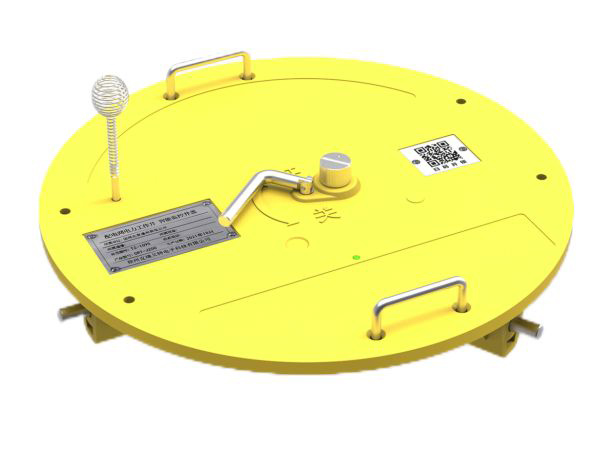 Intelligent Manhole Cover
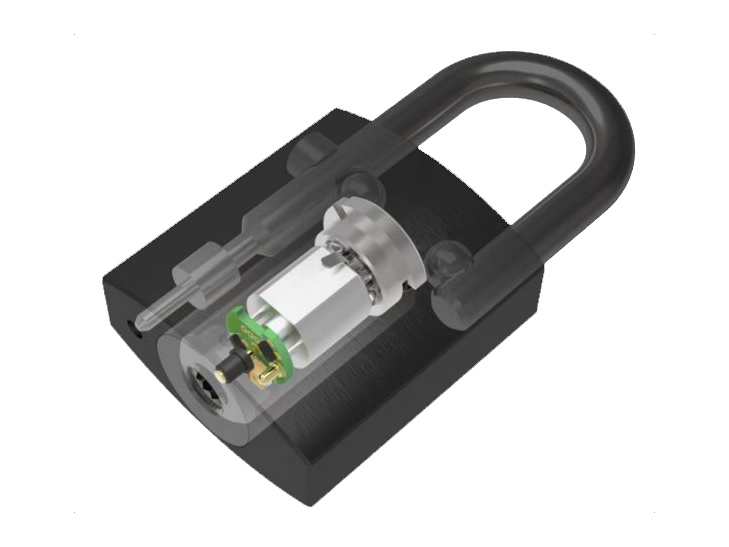 IoT Smart Locks
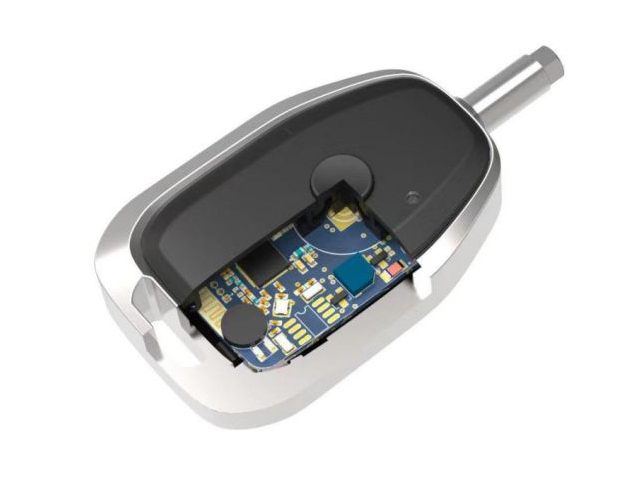 Electronic Keys
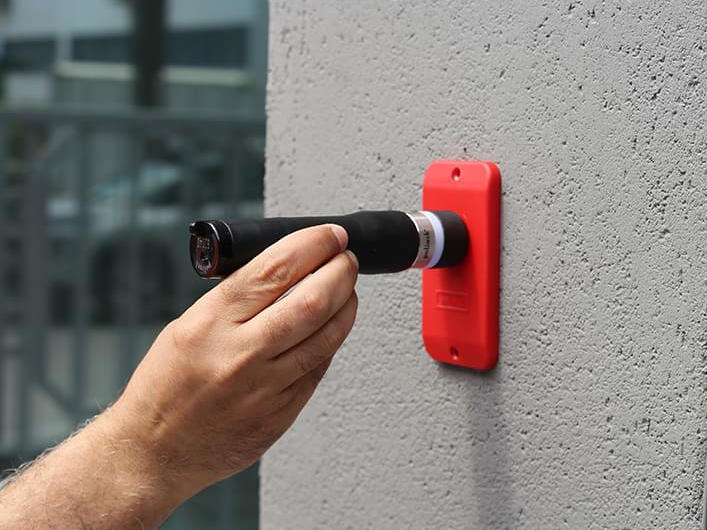 Guard Patrol
 Software


