
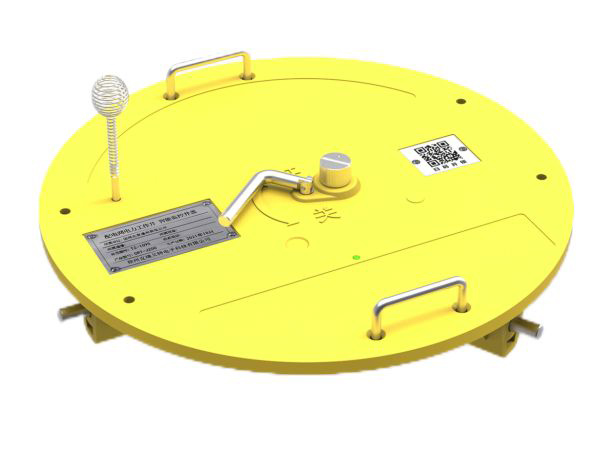
 Intelligent Manhole Cover
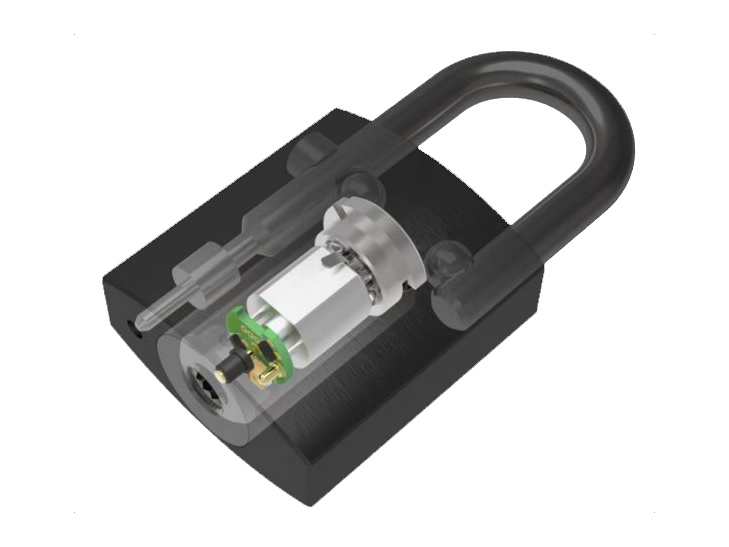 IoT Smart Locks
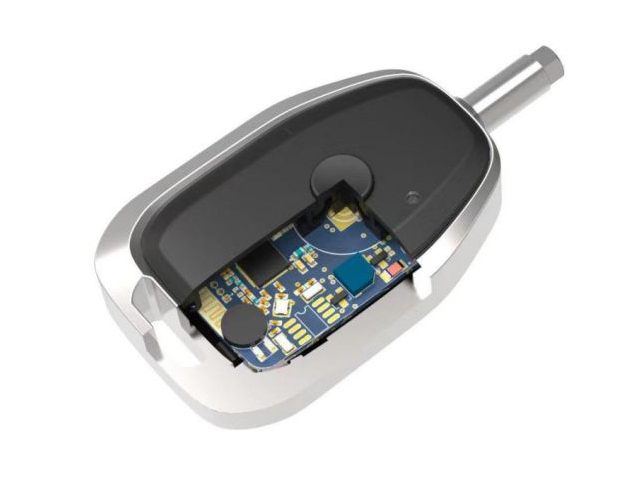 Electronic Keys
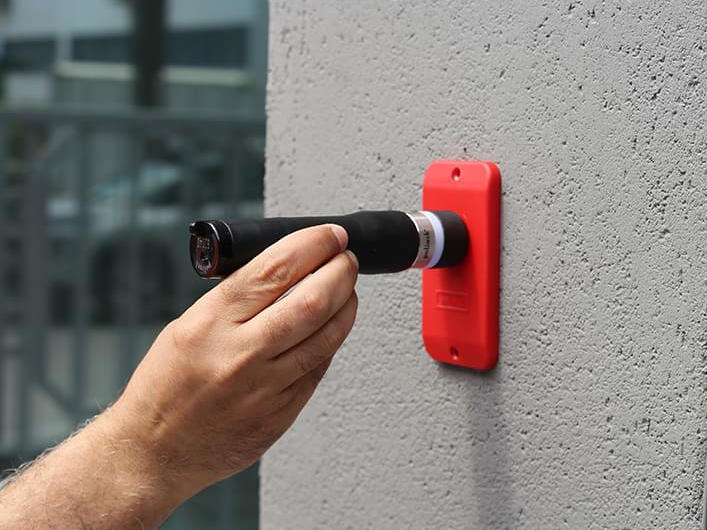 Guard Patrol
 Software
Inquiry
Form loading...
Now, security and access management have become extremely important in the new pace of global markets and various industries. The increased complexity in operations in addition to an increasing need for effective access solutions has created some space for much innovative technologies such as Vending Latch Systems. According to a recent report by MarketsandMarkets, the global security market is anticipated to grow at a CAGR of 7.4%, rising from $151.2 billion in 2020 to $211.2 billion by 2025, leaving an important breeding ground for the reliable security market in areas ranging from telecommunications to healthcare where asset protection and accessibility are crucial.
Xuzhou CREATE Electronic Technology Co., Ltd. understands these trends and tailors state-of-the-art access management systems designed to suit different kinds of industries. With an extensive market demand understanding, the Vending Latch Systems serve as a robust supplement in the improvement of security and facilitation of access in logistics, banking, and other sectors. As it stands, the world continues grappling with the complexities involved in securing lives and assets; soon, it will be crucial for global buyers to understand Vending Latch Systems' features and uses to implement suitable security measures in their operations.

In an every-changing global business landscape, the importance of vending latch systems could not be understated for the consumers. These systems ensure product safety as well as user friendliness in a market where competition is intense. While it has become a global trend towards automated solutions, vending latch systems are the need of the hour on a demand scale, if you are thinking of the same trend seen in other sectors, such as combined heat and power systems that are expected to hit 50.8 billion USD by 2035 with a compound annual growth rate of 4.6%. That growth should be plowing up a bigger trend to fuse high-tech into diversified industry lines, including vending. Moreover, the integration of highly responsive systems, like those present in vending systems, will help in enhancing customer trust and satisfaction as global markets get more and more intertwined. The need here is the same as seen in other automation systems- the need of operational efficiency. For instance, the industry sees major improvements in the adoption of airport baggage-handling systems, due to meticulous focus on reducing the rate of mishandling. Efficient operations for baggage are very critical to airport business; this also applies to modern vending processes that require the highest levels of expertise in vending latch systems to manage product access in full integrated security context. However, focus on sustainability in every aspect of industry also aligns with the global sustainability agenda of responsible consumption and production; companies, just living up to these expectations, have various ways of investing in vending latch systems, some of which are advantageous in compliance terms. This has also evolved into an image; his vending latch system development thrust extends across quality, technology, and sustainability, thus positioning itself as something integral that meets the needs of global buyers today.

A buyer considering vending latch systems must look at several important requirements of reliability and functionality. One very important factor is the durability of the mechanism: Systems constructed of quality materials might withstand high-frequency daily use and variable environmental conditions. Industry studies suggest that with better locks, these systems enhance the overall operational efficiency by reducing the failure rates by 30 percent or greater.
Another important characteristic is the adaptability of the vending latch systems to different voltage inputs. Recent developments in control IC technology have highlighted the need for mechanisms that are amenable to a wide range of voltages. Particularly, systems rated for 12V to 75V input are far more versatile for many different applications, maintaining one consideration between highly developed and extremely cost-effective vending solutions. This adaptability is essential in offering continued performance while functioning within the different operational environments.
Moreover, intelligent technology is thereby increasingly finding its applications in vending latch systems. Research reports suggest that the presence of smart locking systems enhances security, averting theft, and ensuring proper access control. Considering the ongoing innovations in the market, buyers must pay attention to systems that fulfill current requirements, adapting to future necessities that warrant long-term investment for reliability and efficiency.

Deciphering local norms of vending latch standards in the global marketplace has become an essential sustenance for potential purchasers who aim to get a purchase of vending systems in the somewhat esoteric industry. Different countries have varied regulations and preferences on the latches' designs and functions. For instance, European standards are focused mightily on safety and durability, whereas the Asian markets shall concentrate on ease of user operation and cost-effectiveness. This aforementioned analysis might surely yield an understanding of the great pool of demands and expectations that global buyers must fathom to possibly opt for vending latch systems.
This therefore conceivable is not stranger to the fact that such standards and its use would be consistently overridden through changes within the economic perspective. Countries witnessing economic prosperity, such as India, show a more hazardous enthusiasm in upgrading their vending solutions and tend to adopt global standards to increase their competitive edge. Nevertheless, existing markets, like sphere of Europe, tend to move a bit slower, while such tend to be ruled by legislation that controls the tempo of innovations being built. Thus, buyers become more informed, and potential favorable relationships may emerge between manufacturers and consumers operating in different regions.
As they engage vendors worldwide, knowledge about the regional differences will form a significant percentage in buying strategies. Considerations in storage for international standard and local image might improve operational efficiency and customer satisfaction for such international buyers. The strategic choices regarding vending latch systems, which lie within the span of the more widely recognized globalizing trends and adaptation to markets, are the know-how for the buyer.

Finding one's way around vending latch systems is indeed a challenge, as it has to be taken into consideration along with various other national regulations across countries. Compliance is important, not just as a regulatory box to check but as an essential factor that safeguards both consumers and real, seamless vending machine action. Many jurisdictions have regulations regarding the material composition, types of locks, even certain accessibility features that should be required from the user. The regulations are the premise through which a reliable comptroller can determine boundaries for the global buyers looking to source such cost-effective vending latch systems.
No country's regulations entail total harmonization of standards defined by regulatory authorities. One cannot even find out which will pass muster with the country's market as it doesn't pass muster with an inner market. The European Union has high safety and environmental demands, which apply to manufacturers who need to comply with sustainable practices and materials. Regulations in North America would prefer to shift the emphasis toward self-mechanical reliability and protection. Therefore, it requires research by the potential buyer before accessing the vendor because of the applicable regulations that vary international-wide; otherwise, they will face healthy penalties from the law or full masses of product withdrawal.
In addition to this fact, incorporating smart vending machines into their systems would create yet another layer of complexity. With each new technological advancement that comes along, new, emerging regulations must be developed that could involve issues like privacy and security concerning an individual's data. Buyers have to keep abreast of such changes in order to keep products compliant-regardless of current or future compliance requirements. International buyers can not only make their vending systems safer and more reliable, but also build confidence with their customers globally through the procurement strategy based on compliance.
One of the most significant discussions when it comes to vending latch systems has to do with the balance between the costs and the quality. Many of these world buyers would have gravitated more to what seem like the cheaper options only to realize later so much damage has been done to the institution. The costs of high-quality vending systems are high from the start, but, when one calculates the total cost to the institution over time, the savings are enormous. Well-built latch mechanisms tend to be less demanding in maintenance and also tend to allow lower losses from theft or malfunction, both enhancing profitability.
Alternatively, cheap alternatives often leave a trail of continuous repairs and replacements. In this light of fast-moving vending, where it is important to just keep going for customer satisfaction, lower upfront costs often translate into higher operational costs and less trust in the consumer. On the whole, high-quality non-automatic vending systems are durable and contain advanced features, which find increasing consumer acceptance in such areas as cashless payment and security.
It is, therefore, vital for the buyers to know the entire cost of ownership rather than just the initial cost associated with the item. An ideal vending latch system in terms of quality and performance will bring back higher returns, ultimately improving customer loyalty and reducing the hassle of operational manageme. Global buyers will manage their way through the highly intricate world of vending systems through superior quality import buy decision-making confidence and strategy.
Technology in its rightful glory has a key role in enhancing the functionality and reliability of this discrete system which has advanced vending latches. Vending latches fitted with very typical functions have turned smart devices, which not only improve user experience but also help in operational efficiency. The incorporation of Proprietary digital code identification enables a real-time mechanism to monitor and keep a tab on the vending units remotely. This transition only serves to shorten the maintenance process but also ensures the work-related downtime is kept to the minimum, thereby boosting the profit of the operations.
Communication, being technology, has thrown up some challenges under vending latch security at the vvery least. The adoption of biometric access controls and smart locks has minimized incidences of tempering or theft. At present, vendors can avail multiple security setups to keep their vending machines highly secured and unlocked against unauthorized persons only. This is very specific to instances in areas with very heavy foot traffic and crime risks where vending machines are prone to very serious instances of vandalism.
Further, there is the added dimension from where the end user is concerned. These days, most modern vending machines bear a touch screen, thus rendering the purchasing experience quite smooth, being an information provider about the constitution and methods of payment. The inclusion of a technological integration results in attracting the end consumers themselves while adding to the critical data gathering related to purchasing behavior for the vendors to modify in line with market demands efficiently. As technology advances, so will the promises of tomorrow for the vending latch system to steal the greatest innovations and efficiency and attract global enquirers at a time.
In the modern-day, due to strong competition in the global marketplace, the need to develop robust supplier partnerships becomes essential to buyers for cementing the sourcing strategy, especially in specific fields like vending latch systems. The vending industry is now reported to grow at a fast pace, expected to be valued at $25 billion by 2027, according to the recent report by Grand View Research. Such growth creates the need for buyers to create strong supplier partnerships so that they gain access to high-quality products that meet evolving consumer demands.
Strong supplier partnerships are not only about transactions; they are based on cooperation and mutual assistance. Deloitte studied firms engaged in strategic supplier relationships that enjoyed profitability 15% higher than companies engaged in transactional dealings. This illustration shows how the alignment of business objectives and investing in communication structure act as facilitators for better problem-solving and innovation. The collaboration with vendors provides buyers with insights into emerging trends and technologies that market them.
The more the industry moves toward automation and integration of smart technology, sourcing partners have become central not just to offering products but to solutions for efficiency. The new generation of IoT-enabled vending systems includes suppliers that can deliver electronic components and technical expertise. Research from MarketsandMarkets suggests that the Internet of Things in vending machines will progress from $1.0 billion in 2020 to $4.1 billion by 2025. Therefore, for global buyers to stay ahead in the vending industry, it is vital to build and sustain strong partnerships with suppliers who are cognizant of such dynamics.
The vending latch industry stands to be at the forefront of some revolutionary changes that have been gradually influenced by newly developing trends and innovations catered to a changing consumer base. The demand for efficient and secured vending solutions is, therefore, more crucial than ever as the global beverage market, especially in China, is growing at an unprecedented rate. These insights raise recent trends that Chinese soft drink markets have had a whopping CAGR of 10.83% from 1997 to 2022, thereby suggesting a forthcoming demand for vending services that smoothly glide into this ever-viable interval.
In particular, the trend toward unmanned convenience stores is altering retail dynamics. A recent investment of 30 million yuan in the "F5 Future Store" embodies the shift towards an automated retail experience heavily depending on reliable vending latch systems. Innovations in these systems will probably incorporate high-tech methods involving IoT connectivity so as to make transactions efficient yet secure. Trends are just a few of the aspects global buyers within the vending latch market must get used to in order to fulfill an adaption to the needs of consumers on one hand craving for convenience, touching the other, innovations in their shopping experiences.
In total consideration, there will be a bright side for vending latch systems as they walk with technology in consideration of the boom into automated retail. Stakeholders should take time understanding market demands and use new technologies for survival in the fast-paced environment.
Buyers should focus on durability, adaptability to different voltage inputs, and the integration of smart technology to ensure reliability and functionality.
Durable systems made from high-quality materials can withstand daily use and varying environmental conditions, reducing failure rates by over 30% and enhancing operational efficiency.
Vending latch systems should be designed for a voltage input range from 12V to 75V to provide versatility for various applications.
Smart technology improves security measures and access control, significantly reducing incidents of theft and enhancing overall operational reliability.
Evaluating the total cost of ownership, rather than just the initial price, helps buyers understand the long-term implications of their investment, including maintenance needs and potential losses from theft or malfunction.
Opting for cheaper alternatives can lead to frequent repairs and replacements, increased operational costs, and diminished customer trust due to unreliable performance.
High-quality systems ensure seamless operation and may offer advanced features, such as cashless payments, which cater to evolving consumer demands and enhance customer satisfaction.
Buyers should prioritize quality and performance to foster customer loyalty, reduce operational headaches, and make strategic purchasing decisions.


