
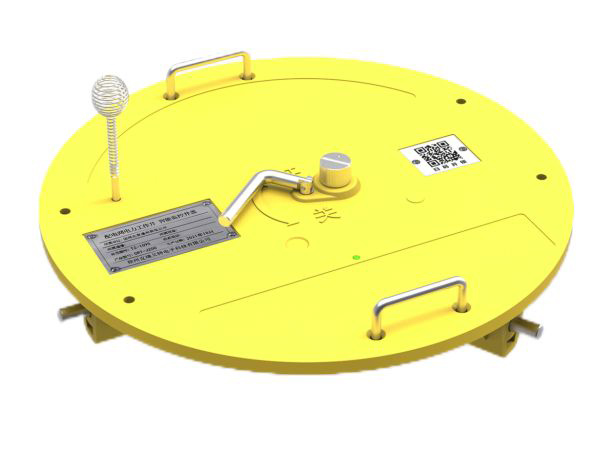
 Intelligent Manhole Cover
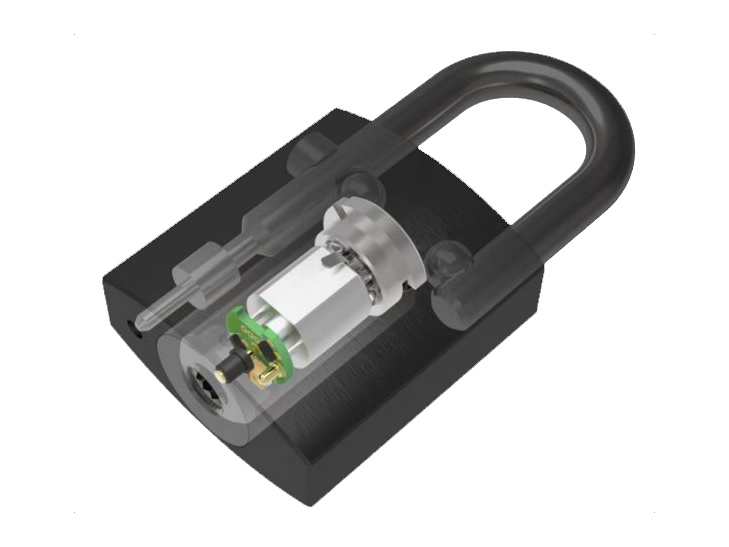 IoT Smart Locks
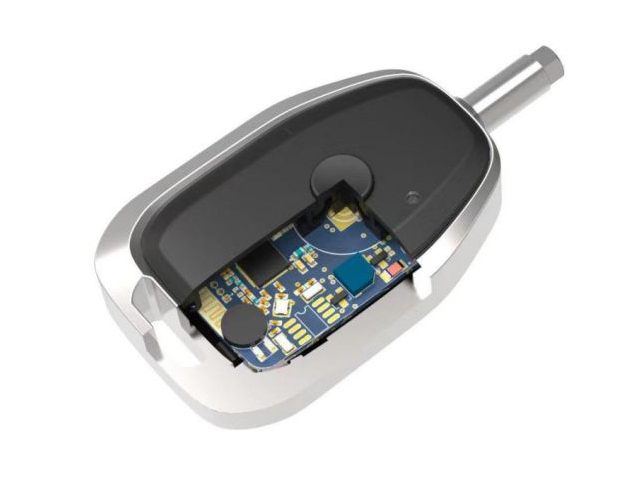 Electronic Keys
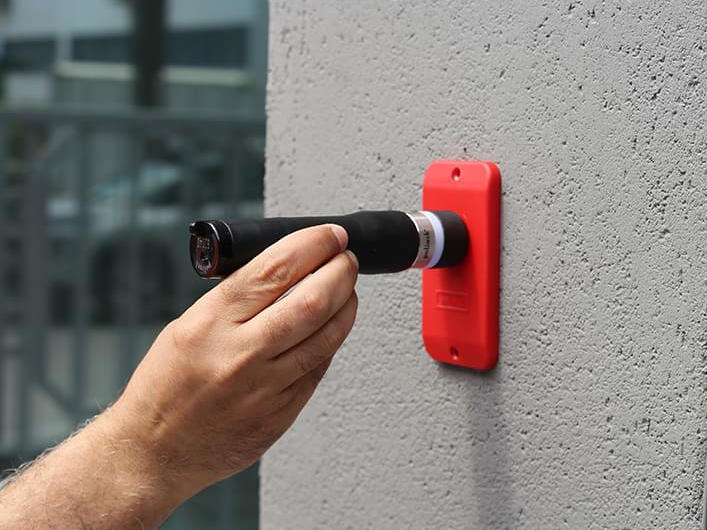 Guard Patrol
 Software
Inquiry
Form loading...
As technology interventions with urban infrastructure get increasingly important in the strive for cities to achieve higher efficiency and safety, Smart Manhole Cover stands to be an important technology. It would provide better monitoring and management of underground utilities. There are forecasts from MarketsandMarkets that the Smart City market will be worth $2.57 trillion by the year 2025, with intelligent infrastructure solutions including smart manholes being an integral part of this transition. These technologies provide real-time data about conditions in the environment as well as the diffusion of accidents and reliable services, making them of utmost importance for buyers across the world wanting to optimize urban operations.
At Xuzhou CREATE Electronic Technology Co., Ltd., we understand how Smart Manhole Covers greatly benefit industries such as telecommunications, water utilities, and transport. Our goal is to offer revolutionary security and access management that fit with the emerging need for innovation in these areas. A study by the International Telecommunication Union recently revealed that the presence of smart infrastructure could save operational costs by as much as 15%, contributing in turn to sustainable and efficient service delivery by cities. As the benefits of Smart Manhole Cover solutions are weighed, it is apparent that this technology goes beyond solving immediate operational concerns, setting the groundwork for smarter and more resilient cities tomorrow.

In the modernized urban setting, technological evolution plays an economic role in addressing the peculiar challenges that cities of today meet. A prominent example of these innovative solutions in manhole cover technology encourages the smart infrastructure in urban areas. The necessity of resilient and adaptive technologies that are required by settled cities to help them evolve must now be added to the long list of needed strategic necessities. Such smart covers are devoted to enhancing the security of manhole cover systems, efficacy of the management of massive manhole covers, and easy articulation with other smart city operations. In terms of technology where intelligent manhole covers go local, such solutions further offer much more than a little bit of oxygen. Sensors built into the core fabric thankfully check on the health of various infrastructure, on unauthorized entry, and will yet gather environmental data. This is most certainly in line with the heightened focus being there on a resilient urban environment in view of the recent conversations concerning urban resilience and safety in China. When town planners, authorities, and policymakers focus on the "resilient cities," smart manhole covers are valuable illustrations of transformation of infrastructure in response to modern demands, with no small effort taken to contain these massive risks associated with urbanization and climate change. More intelligent urban infrastructure is reflective of the broader trend towards using technology to improve urban life. For instance, Hangzhou has recently started to use AI for traffic management, a trend of innovation that goes hand-in-hand with infrastructure progress such as smart manhole covers. Such an integrated approach not only enhances safety and operational efficiency but also helps to maintain a sustainable and living environment. The cities will be best placed to deal with challenges of modern urbanization if they steadily innovate in technology fields, which include smart manhole covers.
They are game-changers for urban infrastructure-enhancing safety as well as offering too many advantages for the whole world buyer. The intelligent manhole covers are replete with high-tech features like real-time monitoring and environmental sensors. As said in the report of MarketsandMarkets, through these years, from 2023 to 2028, there is a great hope to see the adoption of smart manhole covers in households increase by around 16% CAGR, which indicates the growing market for smart city technologies.
One of the best features of these smart covers is gas leaks and water incursion detection. In fact, they prove to be taking precautions by having integrated sensors and providing timely alerts, which allow even prompt action from municipal authorities, thereby eliminating an accident. A study published in the Journal of Urban Technology says that cities developing smart infrastructure will, on average, experience a 30% drop in cases associated with poor maintenance of utilities, which further emphasizes the need for proactive measures towards urban safety.
These smart covers thus enable better urban planning and data collection. Besides, these covers are installed with GPS and IoT systems that track their maintenance and usage patterns. According to IDC, by 2025, urban areas are expected to create over 175 zettabytes of data, much of which could be captured from smart infrastructure. This data-based method is also an improvement of public safety and efficient management of cities, thereby providing residents of these areas with a much better quality of life and sustainability.
Recently, the threats caused by defective manhole covers in Melaka and Ipoh have instigated quick talks about urban safety and reliability of infrastructure. The local government has now decided to replace the corroded and brittle manhole covers reported to have caused accidents ranging from blown tires to pedestrian injuries. These incidents are a strong reminder that solutions must be devised to rid the streets of such hazards, thus making a strong case for innovative smart manhole covers.
Smart manhole covers provide not only effective barriers but also monitor the conditions of the cover and surrounding infrastructures. Sensors integrated within these smart covers can detect cracks, corrosion, or any other forms of deterioration. This would allow municipalities to resolve maintenance issues long before accidents happen, hence reducing injury risk and associated costs. The collected data can help authorities plan maintenance schedules more efficiently, thereby minimizing time spent on site and disturbance to the public.
The installation of smart manhole covers would be a cost-effective undertaking toward urban safety. While the upfront costs may be a bit higher than standard covers, the later savings in repairs, compensations for accidents, and safety operations for the public would be quite significant. As cities get modernized, one must say that the incorporation of innovative solutions is now a necessity rather than an alternative for ensuring safe spaces for all.
The incorporation of IoT in smart manhole covers technology poses transformation in the management of municipal infrastructure, which is now not only a phenomenal technological thing at present, but also a question in future infrastructure planning. By embedding sensors within already conventional manholes, a city will be able to understand, in real time, critical parameters such as temperature, temperature, humidity, and pressure within a city. Such an innovation is not only operationally very efficient; it also enables proactive maintenance and minimizes the hazards due to neglected or damaged infrastructure and incidents that can be caused by such incidents.
These smart manhole covers integrate IoT technology to connect wirelessly through a centralized system, allowing utility and city planners to gain invaluable data insights. For example, they can send instant alerts to appropriate authorities when unauthorized access or flooding is detected. Such functionalities contribute to a rapid response in emergencies, thus improving public safety and significantly reducing emergency response times.
Smart manhole cover solutions also introduce infrastructure development with regards to sustainability. Optimized maintenance schedules derived from actual readings enable the allocation of resources while the occurrence of unnecessary costs related to routine checks is minimized. The future data-driven approach will revolutionize management of infrastructures while also giving cities greener environments by minimizing the carbon footprints associated with conventional maintenance of infrastructures. As smart city buyers can now consider due potential in the field of smart city solutions, the key innovation of the integrated IoT potential hanging at the frontier of urban management is indeed smart manhole covers development.
Innovative smart manhole cover solutions are not only transforming urban infrastructure but are also significantly benefiting the environment through eco-friendly materials. Conventional manhole covers are usually responsible for urban pollution and extensive maintenance, leading to greater carbon footprints. On the contrary, the modern smart manhole covers are made from sustainable materials such as recycled plastics and composite metals, which minimize their environmental impact. Incorporating these environmentally friendly materials has a waste reduction effect and leads to a greener urban habitation.
Smart technologies installed in the manhole covers further augment their functions. The sensors embedded in these covers can monitor environmental parameters such as temperature, pressure, and hazardous gas presence. With this ability, proactive maintenance can be performed to minimize regular inspection and environmental disruption. Municipalities can monitor real-time conditions and rectify problems before worsening, further mitigating environmental disturbances.
Solar energy is furthered by eco-friendly smart manhole covers. Some designs have solar panels for powering integrated lighting or communication systems, which lessen the dependency on conventional energy sources. In a way, this has engendered safer streets, while at the same time, helping to achieve the greater sustainability goals. As a whole, the turn to eco-friendly smart manhole cover solutions highlights yet another giant leap in urban management, bringing technology and sustainability into accord to benefit the community and the Earth alike.
Under the unfolding scenario of smart manhole covers in the field of urban infrastructure, there is a lucrative appeal for the development of smart cities. The intelligent solution surpasses the traditional by technologically integrating IoT, sensors, and data analytics. Smart manholes in a new era present an impactful alternative against the forces of population lift and infrastructural pressure stacked up all over the urban spaces.
The primary aim of the smart manhole cover is, hence, the enhancement of the urban infrastructure via the promotion of underground real-time environmental monitoring. Once sensors have been installed, the covers will detect incidences like high water level, gas leaks, and structural conditions, and they will vibrate back immediately to warn of imminent danger. With predictive maintenance, risks are reduced by far, while maintenance expenses decrease, and citizens' lives are secured. Data coming out from this smart tool could guide city planners and engineers with valuable insights for making effective decisions on urban changes and maintenance strategies.
The integration of smart manholes into the urban configuration would be good material to those aiming at sustainability and resilience. It will help city authorities' smart manhole covers animate economic boosts and professional maintenance while preserving the environment on which they stand. Urban interventions would be crafted at such juncture based on the promise of advanced smart manhole technologies, with a push toward the most responsive and sustainable urban environment.
Novel intelligent manhole cover systems are catching on across the worldwide cities as the cities seek for smarter infrastructure. They provide case studies from examples of cities across the globe as to how these technologies can be translated into enhancing safety, efficiency, and management for urban areas. In addition, real-time monitoring could significantly reduce maintenance costs and improve response times regarding infrastructure issues in cities where smart manhole covers have been implanted.
Notably, the ones that have shown progress toward the enhancement of the Internet of Things are those geographical areas of Sichuan, which ushered in NB-IoT technology with a network coverage rate of 95.66% with more than 22,000 base stations constructed. This strong connection enables smart devices to communicate data about their status, detect anomalies, and even report theft or vandalism. The integration of such technologies will not only allow city management to be seamless but also make it possible for preemptive measures against accidents and public safety.
The further cities are adopting smart solutions; the faster smart manhole covers will be adopted, which makes it one of the most significant opportunities for urban planners and engineers in finding new solutions. All of these case studies demonstrate how cities that are incorporating these solutions have experienced better utility management and savings - moving toward a more sustainable urban environment. With technological advances driving IoT infrastructure, there is huge potential for such intelligent applications to dramatically change the management of cities in the future.
The future of smart manhole cover solutions around the world is changing fast due to increasing urbanization and the need for better management of urban infrastructure. Therefore, these smart solutions are establishing their foothold among municipalities and enterprises, bringing operational efficiency and public safety simultaneously. Connecting the manhole cover with IoT technology facilitates the real-time monitoring of underground systems, thereby reducing hazards of accidents occurring due to overflows or structural failures.
A prominent trend that is gaining momentum here is the demand for data to prove key decisions. Smart covers equipped with sensors provide intelligent information regarding environmental conditions such as waste levels and weather, enabling proactive response from authorities. Such intelligence not only acts as preventive maintenance but also helps optimize resource allocation and reduces costs associated with emergency repairs.
On a global scale, the public awareness regarding urban safety and sustainability further acts as a booster for the adoption of these solutions. Cities are now putting several strategies focused on becoming smart, where the integration of smart infrastructures like smart manhole covers becomes imperative. Buyers now tend to seek reliable suppliers who can offer such covers that are durable and adaptable to different aggressive environments and have the needed technology to handle data so as fast-track resilient and efficient urban infrastructures.
Smart manhole covers are innovative solutions that incorporate advanced technologies such as IoT, sensors, and data analytics. Unlike traditional manhole covers, they provide real-time monitoring, detect structural issues, and collect environmental data.
Smart manhole covers enhance urban safety by allowing for real-time monitoring of conditions such as water levels, gas leaks, and structural integrity. This proactive monitoring enables swift responses to potential hazards, minimizing risks to citizens.
They play a crucial role in urban infrastructure management by providing data that informs city planners and engineers. This data facilitates more informed decisions regarding urban development and maintenance strategies, contributing to operational efficiency.
The growing market demand is driven by increasing urbanization and the need for improved infrastructure management. Smart manhole covers enhance operational efficiency, ensure public safety, and support data-driven decision-making.
Smart manhole covers optimize resource utilization and streamline maintenance operations, reducing environmental footprints while improving the efficiency of urban management.
They offer advantages such as enhanced safety, reduced maintenance costs, real-time monitoring, and the ability to respond proactively to potential hazards, which ultimately contributes to better infrastructure management.
The integration of IoT technology allows for real-time monitoring of underground systems, enabling municipalities to minimize risks of accidents caused by overflows or structural failures through timely data collection and analysis.
Factors influencing adoption include rising public awareness regarding urban safety and sustainability, the need for data-driven decision-making, and the demand for reliable suppliers capable of providing durable and adaptable technologies.


