
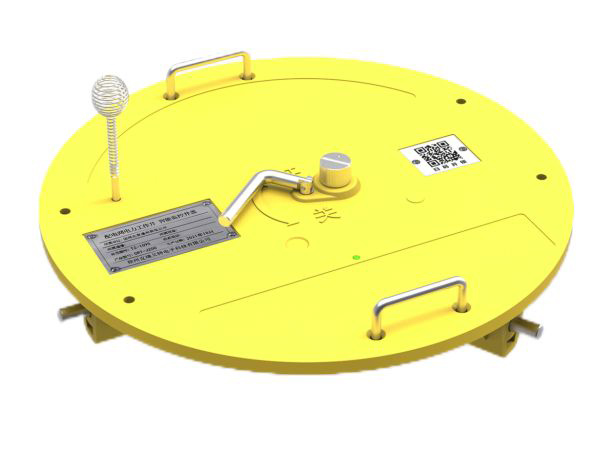
 Intelligent Manhole Cover
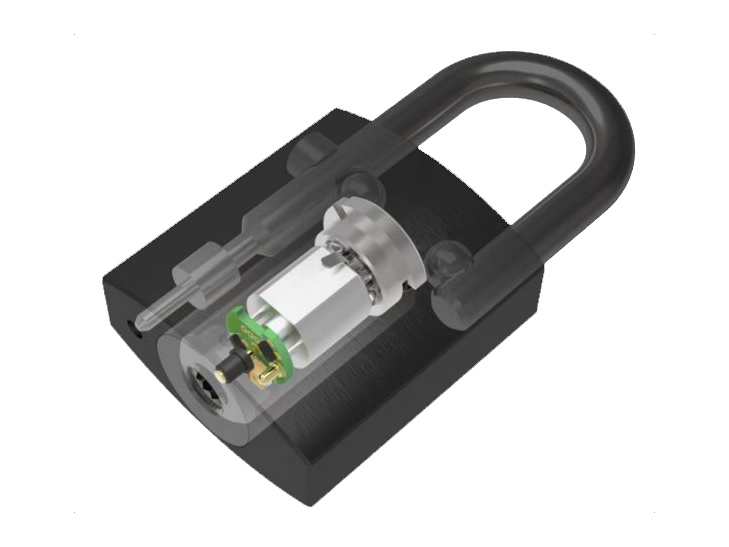 IoT Smart Locks
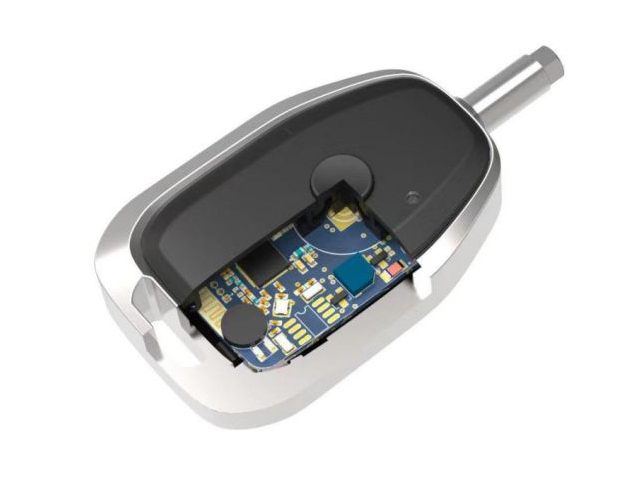 Electronic Keys
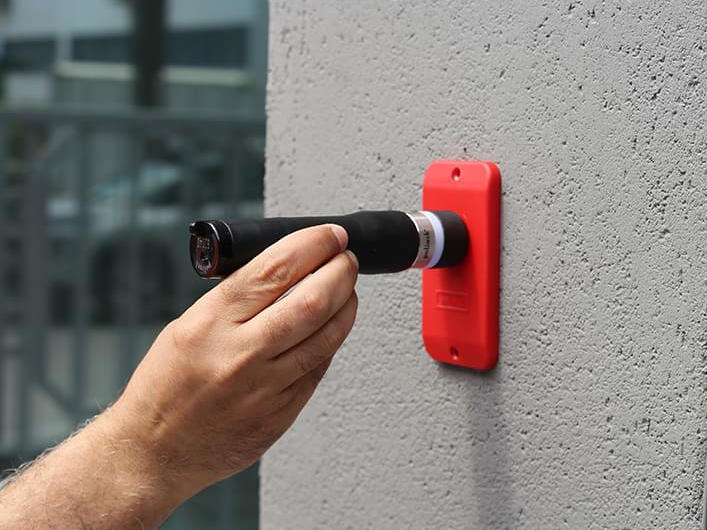 Guard Patrol
 Software
Inquiry
Form loading...
These days, with technology changing so fast, it's more important than ever to have solid security in place for critical infrastructure. A recent report from McKinsey points out that cyber and physical threats to telecom networks have gone up by over 30% in just the past year. That really highlights how vulnerable key assets like base stations can be. Companies like Xuzhou CREATE Electronic Technology Co., Ltd. are working hard to beef up security across various industries—think telecom, transportation, healthcare—and one of the coolest solutions they've come up with is the smart lock for base stations. This kind of intelligent locking system doesn’t just improve access control; it also uses data analytics to spot and prevent potential security issues before they happen. Basically, investing in these smart locks isn’t just about tightening security—it's a smart move toward creating a more resilient and secure environment overall.

In today's digital world, you really can't underestimate how important it is to keep base stations secure. These stations are like the backbone of our modern telecom networks, and unfortunately, they’re often in the crosshairs of cybercriminals and malicious actors who want to mess with services or steal sensitive info. Making sure these critical pieces of infrastructure are protected isn’t just a concern for service providers — it’s crucial for everyday folks like us who depend on steady, reliable connectivity.
One smart move is to implement intelligent locks on these stations. These locks use cutting-edge tech and data analysis to keep track of who’s trying to get in and catch any unauthorized access early on. For an extra layer of security, you might want to consider biometric authentication systems—think fingerprint or facial recognition—which are pretty effective at ensuring only the right people get access. Also, regularly updating access protocols and keeping detailed logs of who’s been in can really help spot potential vulnerabilities before they turn into bigger issues.
And let’s not forget—training your staff is just as important. Make sure everyone knows what suspicious activity looks like and stresses the importance of using strong, secure passwords when dealing with systems linked to the base stations. When your team really gets the importance of security and adopts a cautious mindset, it can go a long way toward reducing risks and keeping everything safe from threats.
In an era where security and efficiency are paramount, the CRT-MS888 CRAT Distribution Box Lock emerges as an essential solution for industries relying on outdoor cabinets and transformer boxes. This innovative lock combines a robust mechanical lock body with advanced electronic devices and an encrypted built-in chip. According to industry reports, the demand for such intelligent locking mechanisms has surged, driven by the increasing need for enhanced security measures in critical infrastructure.
The CRT-MS888 is designed with durability in mind, boasting features that include water-proof and rust-proof properties, making it ideal for outdoor applications. Data from a recent study by the International Electrotechnical Commission indicates that utilities face nearly 25% of their operational disruptions due to inadequate security measures. The integration of the CRT-MS888 can mitigate these risks by providing a reliable and intelligent locking system that protects valuable assets from unauthorized access and environmental factors.
Furthermore, the intelligent capabilities of the CRT-MS888 allow for seamless integration into existing security frameworks, enhancing operational efficiency. With real-time monitoring and alerts, organizations can stay informed about potential breaches or vulnerabilities. As the power industry continues to innovate, the adoption of advanced security solutions like the CRT-MS888 is crucial to safeguarding infrastructure and maintaining uninterrupted operations.
: Base station security is critical because base stations are the backbone of telecommunications networks and are often targeted by cybercriminals aiming to disrupt services or steal sensitive data.
Intelligent locks use advanced technology and data-driven methods to monitor access and detect unauthorized attempts to breach security, thereby enhancing the overall safety of base stations.
Biometric authentication systems add an additional security layer by using unique personal identifiers, making it harder for unauthorized individuals to gain access.
Organizations should regularly update access protocols, maintain a comprehensive log of entries, and conduct security audits to identify and mitigate potential vulnerabilities.
Staff training promotes security awareness, educating team members on recognizing suspicious activities and the importance of using secure passwords, which helps mitigate risks.
Advanced technology enhances base station security through features like remote access control, real-time monitoring, and data analytics that help organizations tailor their security strategies.
Organizations should conduct a security audit, ensure locks offer encrypted communication, and implement a user management system that keeps an updated record of personnel with access.
Intelligent locks can improve operational efficiencies by offering customizable access times and automated alerts for unusual activity, facilitating better monitoring of infrastructures.
Data analytics helps identify vulnerabilities and enables organizations to adapt their security strategies quickly in response to evolving threats, ensuring robust protection for base stations.
Investing in base station security not only protects against unauthorized access and potential outages but also supports uninterrupted connectivity for end-users relying on these essential services.
In today’s fast-changing world of modern networks, making sure that base stations are secure has really become a top priority. I came across this blog called "How to Boost Base Station Security with Smart Locks: A Data-Driven Approach," and it hits home on how important solid security measures are when it comes to protecting such critical infrastructure. By looking into smart lock solutions that are specifically designed for base stations, companies can put in place smarter security protocols that actually target vulnerabilities using data-driven strategies.
Adding these intelligent locks to the existing security setup not only beefs up defenses but also makes managing and monitoring much easier. Plus, following best practices for setting up and maintaining these systems helps keep them running smoothly in the long run. Looking ahead, it’s pretty clear that these smart locks are going to play a huge role in securing base stations. They’re using cutting-edge tech to really protect key networks across different fields like telecom, utilities, and healthcare — it’s all about staying ahead of the game.


