These days, with security threats constantly changing and becoming more sophisticated, organizations really need to step up their game to protect their assets and sensitive info. That’s where a Key-Centric Access Control System comes into play — it’s like having a smart, centralized way to manage who gets in where. Not only does it boost security, but it also helps things run smoother overall.
Xuzhou CREATE Electronic Technology Co., Ltd., a global tech company, focuses on security and access management solutions that are tailored for a bunch of industries—think telecom, utilities, transportation, banking, healthcare—you name it. In this guide, I’ll walk you through the key steps to setting up a Key-Centric Access Control System. We’ll look at how it can improve security measures, make access management easier, and keep your operations compliant in today’s tech-heavy world.
Understanding Key-Centric Access Control: Principles and Benefits
Key-centric access control, or KCAC for short, is really changing the game when it comes to boosting security and making things run smoother across different industries. Basically, it’s all about managing who can get in—or out—using special keys that you can easily assign, update, or revoke on the fly.
Did you know? A report from MarketsandMarkets predicts the global access control market will hit around $10.36 billion by 2025, mainly thanks to these smart, secure key management solutions. So, this isn’t just some fancy new tech—it’s a real shift that helps organizations keep a tighter grip on their assets and react quickly if anything suspicious happens.
For industries like telecom, healthcare, and banking—where sensitive info is the name of the game—setting up a key-centric access system isn’t just a good idea, it’s pretty much a must-have. These fields face bigger threats than ever before. For example, there was a recent study showing that data breaches in healthcare cost, on average, about $9.23 million each time. That’s a huge hit! But KCAC offers a solid way to cut down those risks while also making day-to-day operations a lot more efficient by simplifying how access is handled.
Since Xuzhou CREATE Electronic Technology Co., Ltd. focuses on security and access management, jumping on the KCAC train could really help organizations protect their resources and make life easier for everyone involved.
Identifying Key Components of a Key-Centric Access Control System
In today's digital world, setting up a key-based access control system is pretty much a must if you want to keep sensitive info safe and streamline operations. At its core, such a system mainly hinges on three main things: verifying who’s trying to access, setting up clear access rules, and keeping logs to track everything. A recent report from Gartner even shows that companies with strong access controls can cut down security incidents by up to 70%. That really drives home why having solid identity checks is so important.
First off, identity verification is like the first line of defense — it makes sure only authorized folks get in. Adding biometric authentication, for example, fingerprint or facial recognition, can really beef up security. In fact, about 62% of organizations using biometric data say they’ve seen a noticeable boost in their security effectiveness. Then there are access policies, which are basically the rules about who can see what and when. Making these rules more dynamic — changing them based on user behavior or where they are — can make things even safer.
And last but not least, good audit logging is a big deal. It helps track who accessed what and when, and if there’s ever a breach, detailed logs can help respond faster — in fact, the Ponemon Institute found that proper logging can cut incident response times by about a third. When you put all these pieces together — verification, smart policies, and thorough logging — you end up with a much more secure and efficient system that really guards the assets that matter. It’s all about being proactive and keeping things tight, right?

Step-by-Step Guide to Implementing Key-Centric Access Control
Putting in place a key-centric access control system is a smart move for boosting both security and how smoothly things run in your organization. It all starts with taking a good look at what you’re currently doing—review your access policies and spot those weak spots that could be exploited. Once you get a clear picture of your existing setup, it becomes much easier to pick the right technology and tools that fit your needs. Just make sure whatever you choose plays nicely with what you already have, and can grow with you as your organization expands.
From there, it’s all about training your team and setting up clear rules for managing keys. Getting everyone on board is crucial—make sure your staff understands why access control is important and how to handle the new key management systems properly. Regular training and updates about compliance will help foster a security-first mindset across the board. Plus, don’t forget to set up a solid process for auditing access — keeping an eye on who’s doing what helps catch issues early and keeps everyone accountable. Focus on these key steps, and you’ll make the switch to a more secure and efficient access control system smoothly and confidently.
Key-Centric Access Control System - User Access Levels
Best Practices for Managing Access Keys Efficiently
Managing access keys effectively is really key when it comes to boosting security in any system that relies on key-based access. The first thing you wanna do is put together a solid key management policy—something that covers how keys are created, handed out, stored, and revoked. Following the principle of least privilege is super important, too—this means giving folks access only to what they absolutely need, which helps cut down the chances of someone unauthorized sneaking in. Keeping an eye on your keys with regular audits is also a smart move; it helps spotting and removing any old or unnecessary keys before they become a problem.
Beyond having good policies in place, using the right tech tools can make life a lot easier. For example, automating key rotations and setting up monitoring systems means your keys aren’t just sitting around forever—they're constantly updated, and you get real-time insights into access patterns. That’s a huge win for security because it allows quick action if anything looks out of the ordinary.
Oh, and don’t forget multi-factor authentication—adding that second (or third!) layer of verification really bumps up your defenses. Even if someone gets hold of a key, it’s much tougher for them to actually get in. When you pull all these best practices together, you’re basically creating a much safer and more efficient environment for managing your access keys.
Enhancing Security Through Regular Audits and Updates
Keeping your key-centric access control systems secure isn’t a one-and-done deal — regular audits and updates are truly essential. I mean, just look at what the Identity Theft Resource Center reported: in 2020 alone, there were nearly 1,100 data breaches across the U.S., affecting over 300 million people. Yikes. Running thorough audits helps spot vulnerabilities early on and makes sure organizations stick to their security policies, which can make a huge difference in avoiding big trouble. Plus, people feel more confident knowing the system is regularly checked and kept in tip-top shape. It’s really about staying ahead of the game and responding proactively before things get out of hand.
And don’t forget about updates — they’re just as important. The Ponemon Institute found that around 60% of organizations have faced at least one data breach because of outdated software. That’s a pretty clear sign that keeping systems up-to-date helps close security gaps and adds new features to fight off the constantly evolving cyber threats. So, by making regular audits and timely updates part of your routine, you're basically building a stronger, safer environment. Not to mention, it makes managing access a lot smoother and less stressful in the long run.
Future Trends in Key-Centric Access Control Technologies
You know, as companies put more and more emphasis on security these days, the way they handle access control is really starting to change—especially with key-centered systems. I read somewhere that the global market for access control is set to jump from about $8.5 billion in 2021 to roughly $13.6 billion by 2026, growing at a compound annual rate of around 10.2%. That makes sense, right? With tech like biometric scanners and Internet-of-Things devices becoming more common, both security and convenience are getting a serious upgrade.

Looking ahead, it seems like these key-based systems will start to use AI more and more to monitor user behavior and adapt security measures on the fly. A Gartner report even mentioned that by 2025, roughly 70% of organizations will be using pretty advanced AI-driven access solutions. So, if you're running a business, staying ahead of these trends really isn’t optional anymore. The move toward mobile access and cloud-based setups also means users will enjoy smoother experiences without sacrificing security.
My advice? It’s a good idea to add multi-factor authentication (MFA) to your key-centered systems—simple but effective. Also, don’t forget to regularly review and update who has access to what, just to keep things tight. And if you really want to get fancy, consider machine learning tools that can spot unusual access patterns early, so you can respond to threats before they become a real headache.
FAQS
These industries handle sensitive data and face high risks of data breaches, making KCAC essential for protecting resources and maintaining operational efficiency.
Regular audits help identify vulnerabilities and ensure compliance with security policies, thereby improving system integrity and reducing the risk of data breaches.
Timely updates patch security vulnerabilities and incorporate new features, effectively defending against evolving cyber threats and enhancing operational efficiency.
Future trends include increased use of artificial intelligence for user behavior analysis, integration of biometrics and IoT, and a shift toward mobile and cloud-based access systems.
Implementing MFA alongside KCAC adds an extra layer of security, ensuring that only authorized users can access sensitive areas.
According to Gartner, 70% of organizations are projected to utilize AI-powered access management solutions, which will help in creating adaptive security protocols.
The global access control market is expected to grow from $8.5 billion in 2021 to $13.6 billion by 2026, reflecting a compound annual growth rate (CAGR) of 10.2%.
Integrating machine learning algorithms within KCAC systems can help detect unusual access patterns, enabling rapid responses to potential threats.
Organizations should prioritize regular audits, timely updates, and advanced security measures like multi-factor authentication and machine learning for anomaly detection.
Conclusion
In a world where security is more important than ever, adopting a Key-Centric Access Control System really makes a lot of sense for organizations looking to boost both security and efficiency. Basically, this system is all about centralizing the control and management of access keys, which leads to smoother operations and less worry about unauthorized access sneaking in. To get started on the right foot, it helps to understand the main parts—things like controls, protocols, and management tools—so you can put together a solid plan for rolling it out.
A step-by-step approach definitely makes the whole process easier, and following best practices for managing keys can really help keep everything running smoothly and securely. Don't forget, regular audits and updates are key to staying ahead of any security gaps. As industries like telecom, healthcare, and banking keep evolving, it’s smart to stay in the loop about new trends in Key-Centric Access Control Technologies. That way, companies can protect their assets better than ever. Xuzhou CREATE Electronic Technology Co., Ltd. is right there leading the way with innovative solutions designed to meet the needs of different industries.
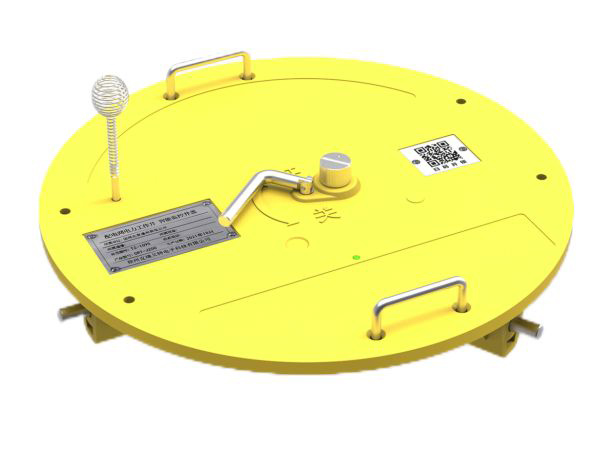 Intelligent Manhole Cover
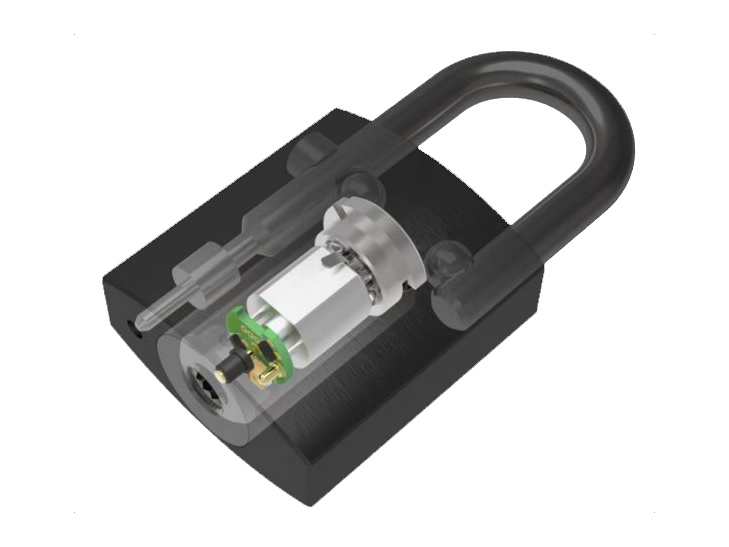 IoT Smart Locks
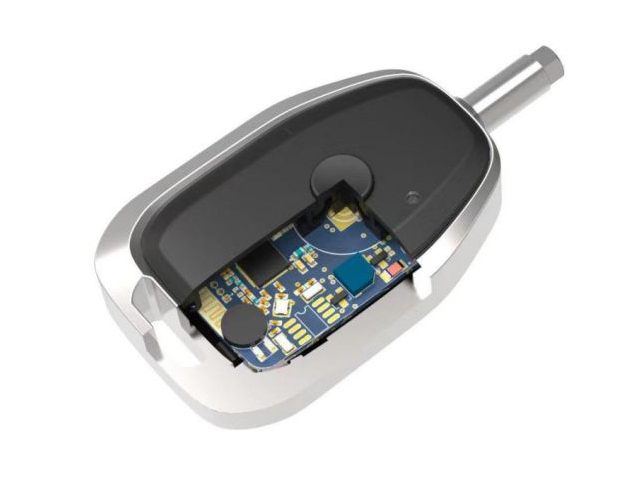 Electronic Keys
 Guard Patrol
 Software


