As more and more of the world shifts toward renewable energy, you really can’t ignore how
important safety and security are when it comes to
wind power installations. According to the Global Wind Energy Council, by
2025, we're looking at over 1,500 gigawatts of
capacity coming online, which means having solid security measures in place is more crucial than ever.
One pretty clever solution that tackles some of these safety worries is the
Passive Padlock for Wind Power. It’s actually a key player in keeping the
critical areas of wind farms secure. And Xuzhou CREATE Electronic Technology
Co., Ltd., a big name in security and access management across different industries, stresses just how vital
technology like this is for preventing unauthorized access and keeping everything running smoothly.
By bringing in advanced security tools like the Passive Padlock,
stakeholders can really boost the safety and reliability of wind energy systems. That way, we’re all
supporting that global push toward cleaner, greener energy—and making sure
it’s safe too.

The Importance of Passive Padlocks in Enhancing Wind Power Safety Measures
Passive padlocks might not be the flashiest part of wind energy, but honestly, they’re super important for keeping things safe. So, I came across this report from the Global Wind Energy Council (GWEC), and wow — the industry has grown a ton! Back in 2020, the global capacity hit over 743 gigawatts. With all this rapid expansion, it’s clear that having solid safety protocols in place is more crucial than ever. That’s where passive padlocks come into play — they help keep key parts of wind turbines secure and prevent anyone from messing around with them casually. Basically, they protect both the equipment and the people working out there in pretty risky environments.
And here’s an interesting point — these padlocks actually help boost emergency response efforts. When maintenance or safety issues come up, they add an extra layer of security, stopping unauthorized folks from getting into sensitive areas. I read a study from the American Wind Energy Association (AWEA) that said up to a quarter of all accidents in renewable energy get triggered by human mistakes or people accessing things they shouldn’t. So, locking things down with sturdy, reliable padlocks can really cut down on those kinds of risks.
If you’re involved in managing wind farms or just want to make things safer, a couple of tips might help. First off, regular training with staff about why these safety measures matter — especially the passive locks — can go a long way. And don’t forget to do routine checks on the locking systems to make sure they’re still in good shape. As renewable energy keeps booming, sticking to these safety practices isn’t just a good idea — it’s pretty much essential to keep everything running smoothly and safely.
The Role of Passive Padlock in Enhancing Wind Power Safety Measures
Understanding the Mechanism of Passive Padlocks in Renewable Energy Systems
You know, passive padlocks might sound like small, simple parts, but they actually play a pretty crucial role in renewable energy setups, especially when it comes to wind power. These little guys don’t need any external energy to work — they rely on natural forces to keep things stable and safe. Once you get how they’re designed and how they do their thing, it’s easier to see how they help keep the whole system reliable and intact.
Lately, there’s been some exciting progress, like the development of something called the Energy Concentration Pipe, or ECP for short. This thing uses passive features—like a windward suction inlet and a bunch of jet outlets—to make the airflow better and cut down on vibrations, which can sometimes mess with performance. It’s a great example of how passive tech can really boost the safety and efficiency of wind energy systems. As the world pushes harder for cleaner energy, understanding these passive devices, like padlocks, becomes more and more important for keeping our energy sources safe, sustainable, and reliable.

Statistics on Wind Power Accidents and the Role of Safety Devices
Wind power has definitely become a major player in the renewable energy world, but let’s be real—it's not without its hiccups. Recent numbers are pretty eye-opening, especially offshore, where safety incidents almost doubled from 2022 to 2023, according to reports from G+. That jump really highlights why we need better safety gear, like passive padlocks, to keep everyone safe. These little devices are actually pretty important—they help stop unauthorized folks from accessing dangerous areas and ensure safety protocols are followed, which can go a long way in preventing accidents.

If you're working on a wind farm, a few safety tips might come in handy: always do a thorough risk assessment before climbing up, stick to safety standards when you're climbing, and don’t forget to regularly check and maintain all your safety gear. The Bureau of Labor Statistics says that more and more folks are becoming wind turbine techs, so it’s super important to focus on safety—after all, working in those extreme conditions can be pretty risky.
Oh, and fire safety is a big deal too. When looking into what causes turbine failures, fire stands out as a serious concern. Especially around the nacelles and blades, fires can be catastrophic if not managed properly. That’s why investing in solid fire protection measures, plus good safety training and infrastructure, is absolutely crucial for the long-term success and safety of wind power projects.
Best Practices for Implementing Passive Padlocks in Wind Farms
You know, using passive padlocks in wind farms is actually pretty important when it comes to keeping things safe and secure in the renewable energy world. As wind power keeps gaining ground as a major energy source, it’s clear that we really need solid access controls. Those passive padlocks act as a line of defense—making sure only the right people get into key areas of a wind farm. That way, we can prevent any unauthorized anyone from wandering in and creating potential hazards.
To get the most out of these padlocks, following some best practices is definitely a good idea. Companies like Xuzhou CREATE Electronic Technology Co., Ltd. are experts at offering cutting-edge security solutions, not just for renewable energy, but for different industries too. Using quality padlocks that meet industry standards, doing regular maintenance, and training staff on security procedures can really boost safety and security. Plus, having a solid access management system that incorporates these padlocks can make monitoring easier and overall security tighter. That means protecting your assets and keeping wind farms running smoothly—that’s the goal, right?
Comparative Analysis of Safety Protocols: Passive Padlocks vs. Active Locking Systems
When it comes to renewable energy, keeping safety on point—especially during wind turbine maintenance and access—is super important. I mean, if you look into safety protocols, there's quite a difference between passive padlocks and active locking systems. Passive padlocks are pretty handy because they don’t need someone constantly watching over them or managing mechanical parts. They’re a real lifesaver, especially in situations where safety matters most. A report from the International Renewable Energy Agency (IRENA) even says that using these passive safety systems can cut down accidents during wind turbine maintenance by up to 30%. That’s pretty impressive and shows how good they are at preventing human mistakes.
Now, on the flip side, active locking systems come with their own perks — like real-time monitoring and control— but they tend to be more complicated and pricier to set up. A study by the American Wind Energy Association (AWEA) shows that facilities using active locking often face more downtime because of maintenance issues, which can actually hurt safety and overall efficiency. So, a pretty smart approach might be to stick with passive padlocks as the main safety tool, and then use active systems only at the critical spots when needed. It’s all about finding that good balance—boosting safety while keeping things simple and sustainable in the long run.
Future Trends in Wind Energy Safety: Innovations in Passive Safety Solutions
As the wind energy industry keeps growing, we're also seeing more focus on safety innovations. One pretty interesting solution that's gaining attention is the passive padlock — it’s like a game-changer when it comes to making wind power systems safer, mainly because it works automatically and doesn’t depend on complex active systems. The Global Wind Energy Council (GWEC) predicts that by 2025, wind capacity will hit around 1,120 gigawatts, which really highlights why sturdy safety measures are more important than ever, protecting both the infrastructure and the people working on it. The passive padlock helps out by automatically locking things into place, especially during bad weather or other tricky conditions, so stuff doesn’t fail unexpectedly.
Looking ahead, it seems like we’re going to see even more of these passive safety features integrated into wind turbine designs. Some reports suggest that having safety features like this can cut down accidents by up to 30%. With extreme weather becoming more common, these innovations become even more crucial. The International Renewable Energy Agency (IRENA) also points out that wind energy is going to be a key player in fighting climate change, which means safety isn’t just a bonus — it’s essential. Thanks to ongoing research and development, the wind power world is on the verge of adopting even smarter passive safety tech, aiming for a safer, more resilient energy future that everyone can count on.
FAQS
: Recent data indicates that safety incidents in offshore wind facilities nearly doubled between 2022 and 2023, highlighting significant safety concerns in the industry.
Passive padlocks are crucial for preventing unauthorized access to critical areas of wind farms, ensuring essential safety protocols are followed and mitigating the risk of accidents.
Technicians should conduct thorough risk assessments, adhere to climbing safety standards, and regularly check and maintain their safety equipment to ensure a safe working environment.
Fire incidents related to turbine nacelles and blades are a critical concern, making it important to implement robust fire protection measures to reduce the likelihood of catastrophic events.
Companies can enhance safety by investing in comprehensive safety training, maintaining safety equipment, and integrating high-quality passive security devices like padlocks into their access management systems.
As wind power becomes a more prominent energy source, the need for robust access management systems grows to ensure that only authorized personnel can access critical areas, thereby enhancing safety and security.
Companies should use high-quality padlocks that meet industry standards, conduct regular maintenance checks, and provide employee training on security protocols to maximize the effectiveness of passive padlocks.
Comprehensive training for employees regarding safety and security protocols is essential in protecting workers from extreme conditions and operational hazards in the wind power sector.
Effective safety devices, such as passive padlocks, can reduce the likelihood of accidents by ensuring that safety protocols are followed and access to critical areas is restricted to authorized personnel.
Investing in infrastructure, implementing strict safety measures, and conducting regular safety training are key actions necessary to improve operational safety in wind energy facilities.
Conclusion
So, I came across this blog titled "What’s the Deal with Passive Padlocks in Wind Power Safety?" and I thought it was pretty eye-opening. It dives into how these passive padlocks play a crucial role in keeping safety measures tight in the wind energy world. Honestly, once you get a handle on how these devices work, you start to see just how important they are in avoiding accidents in renewable energy setups. The article also shares some worrying stats about wind power mishaps, which really drive home why we need reliable safety gear like passive padlocks. Oh, and it walks through the best ways to set them up on wind farms, plus a handy comparison between passive and active locking systems—kind of like weighing the pros and cons.
As the industry keeps moving forward, folks are definitely eyeing future trends and new innovations in passive safety tech. Companies like Xuzhou CREATE Electronic Technology Co., Ltd. are leading the charge, offering top-notch security and access solutions for a bunch of different industries, including wind energy. Adding passive padlocks into the mix doesn’t just bump up safety—it's also perfectly aligned with the big push for cleaner, renewable energy and making sure everyone, from workers to the environment, stays safe. It’s exciting to see how these tech bits are shaping a safer, greener future, right?

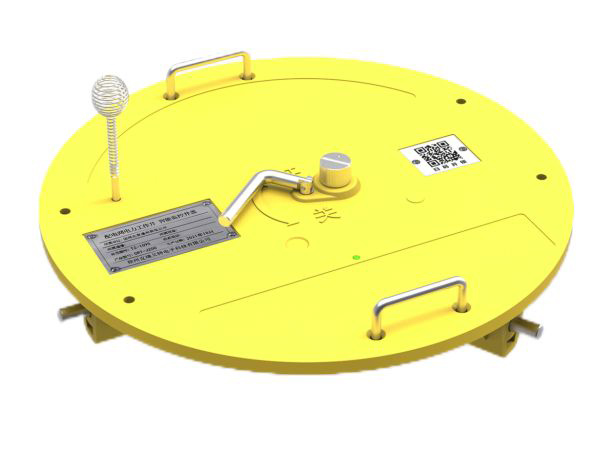 Intelligent Manhole Cover
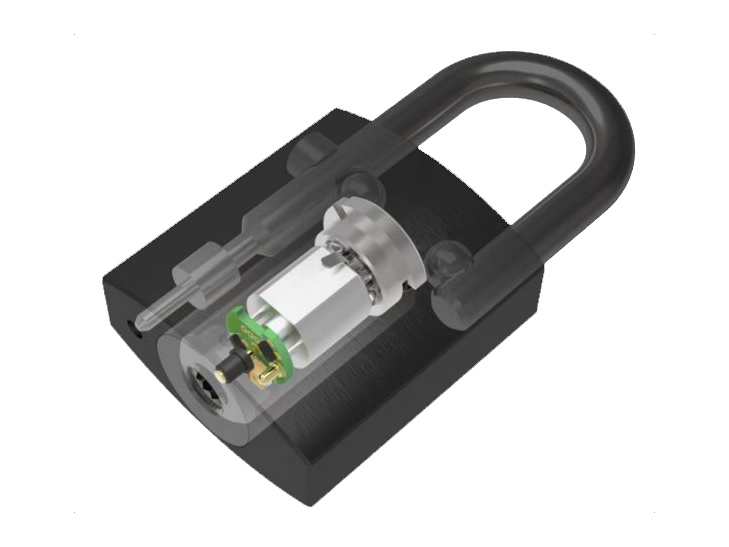 IoT Smart Locks
 Electronic Keys
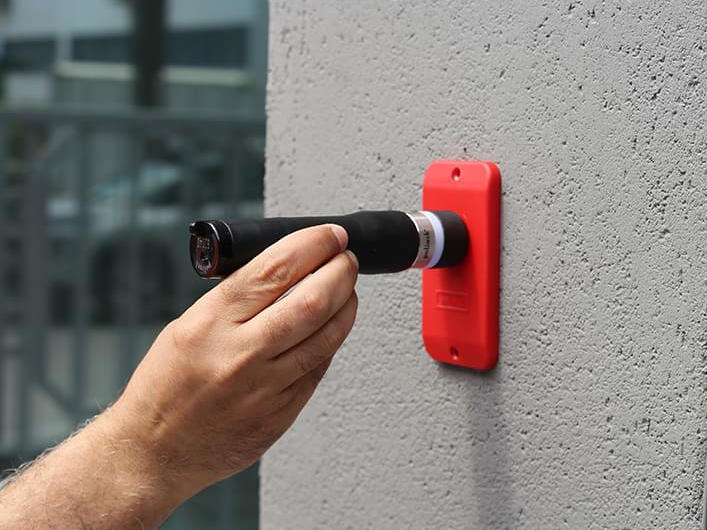 Guard Patrol
 Software


