Trying to get CE Certification for your custom Manhole Cover Lock? Yeah, it’s not always a walk in the park. Companies face a bunch of challenges along the way. You really need to get a good grasp of the specific standards and rules to navigate the whole certification process smoothly. And let’s be honest—this isn’t just about safety; that lock actually keeps public utilities protected from unauthorized access, which is pretty important.
Technology plays a big role here, too. Stuff like the Access Control Smart Manhole Cover For Manhole Management can really make a difference. It boosts security and helps things run more efficiently. Of course, it’s crucial to make sure that whatever product you’re developing checks all the safety standards during certification. Manufacturers need to keep a close eye on their designs and functionalities—things are always evolving.
And yeah, paying attention to quality and following the rules isn’t always easy. Many companies kind of overlook tiny details, which can end up causing delays or setbacks in getting certified. But honestly, overcoming those hurdles is totally worth it—it builds trust with your clients. Having a certified Manhole Cover Lock not only makes everything safer but also opens up new market opportunities for you.

Understanding CE Certification: A Brief Overview
CE certification is essential for products sold within the European market. It signifies compliance with health, safety, and environmental protection standards. Custom manhole cover locks are no exception. To obtain CE certification, manufacturers must follow specific guidelines and procedures.
It's crucial to understand the requirements. Start by identifying the applicable directives. For locks, the Machinery Directive or Low Voltage Directive may apply. Conduct a risk assessment. This identifies potential hazards associated with your product. Testing is key. Engage an accredited laboratory for reliable results. Documentation should be thorough; detail your findings meticulously.
Tips: Keep records organized. They will ease the certification process. Work with experts, especially if you face complex requirements. Consider using a checklist to track your compliance steps. Regularly review and update your documents. A small oversight can delay your certification. An efficient approach can save time and resources.
CE Certification Process for Custom Manhole Cover Lock Service
Importance of CE Certification for Custom Manhole Cover Locks
CE certification is crucial for custom manhole cover locks.
It ensures that products meet European safety, health, and environmental protection standards.
According to a report by the European Commission, about 20% of all manhole cover accidents stem from non-compliant products.
These accidents not only pose safety risks but also lead to significant economic losses.
Companies that prioritize CE certification often enjoy a competitive edge.
Customers trust certified products more.
Investing in CE certification can reduce liability.
In many instances, products lacking certification face penalties or bans.
Additionally, non-compliance can affect a company’s reputation.
A recent survey indicated that 72% of consumers would choose a certified product over a non-certified one.
This data reflects the growing significance of quality assurance in today's market.
Tips for obtaining CE certification include understanding the relevant directives and standards.
Make a checklist of necessary documents.
Collaborate with accredited testing labs early in the process.
Involve your design and production teams in compliance discussions.
This strategy helps identify potential issues early, reducing the risk of rework.
Check regularly for updates in CE regulations.
This ensures ongoing compliance and readiness for future audits.
Key Regulations and Standards for Manhole Cover Locks
When pursuing CE certification for custom manhole cover locks, it's crucial to focus on key regulations. Compliance with specific standards ensures safety and functionality. Understand the applicable directives, especially the Machinery Directive and the Low Voltage Directive. These frameworks provide guidelines for design and manufacturing processes.
Testing is an integral part of obtaining CE certification. Locks must be tested for durability and security. Each impact, corrosion, and weathering must be assessed. Detailed documentation is essential for the certification process. Manufacturers often overlook this aspect. A clear, organized file can streamline approvals. This helps in demonstrating compliance effectively.
Moreover, modern designs, like the smart Manhole Cover for manhole Management, are gaining popularity. These innovative solutions need to meet evolving standards. Integrating technology poses unique challenges. Not all designs translate well into practical applications. Reflect on past experiences and learn from those challenges to improve future designs. This self-assessment can enhance product reliability and overall compliance success.
Step-by-Step Process to Prepare for CE Certification
Obtaining CE certification for a custom manhole cover lock service requires careful preparation. The process begins with a thorough understanding of the essential requirements. According to industry standards, a high percentage of products fail initial testing due to lack of compliance. Companies must focus on technical documents and risk assessments. This ensures that every aspect, from materials to design, adheres to safety regulations.
Next, testing is crucial. A report from the European Committee for Standardization indicates that products undergo rigorous assessments. The quick prototype testing of an Intelligent Manhole Cover With Smart Lock can significantly streamline this phase. However, some manufacturers overlook vital specifications, leading to potential delays. Each test should align with the European Union's directives, ensuring that products meet the necessary performance criteria.
Documentation plays a vital role in this journey. Companies often underestimate the amount of paperwork involved. Maintaining accurate records is essential for proving compliance. Non-compliance can trigger additional testing phases and unexpected costs. Engage experts in CE certification who can guide through these complex requirements. It is wise to reflect on common pitfalls and learn from those experiences. Focusing on these details is vital for achieving a successful certification for your custom manhole cover lock service.
Essential Documentation Required for CE Certification
When seeking CE certification for custom manhole cover lock services, specific documentation is essential. Comprehensive risk assessments are a must. This includes evaluating the potential hazards of the lock design and its installation process. A recent industry report highlighted that 70% of compliance issues stem from inadequate risk management documentation. Each manhole cover must demonstrate safety standards, especially if integrated with technology.
Another crucial document is the technical file. This file should detail the product design, materials, and intended use. For example, an
Intelligent Manhole Cover With Iot Smart Lock
needs clear specifications. This transparency helps in assessing compliance with European norms. Data from the latest studies indicate that 65% of manufacturers fail to provide adequate documentation, leading to delays in certification.
Finally, testing reports from accredited laboratories are vital. These reports verify that the product meets the necessary safety and performance standards. Many products end up rejected due to subpar testing documentation. The industry needs to reflect on this. Improvements can lead to faster certification and market readiness.
Testing Procedures and Compliance Verification
Obtaining CE certification for custom manhole cover locks involves precise testing procedures and compliance verification. This certification ensures that your product meets European safety and environmental standards. Testing typically includes mechanical strength, durability, and resistance to corrosion. According to industry reports, over 70% of non-compliant products fail initial assessments due to inadequate testing protocols.
Quality testing is essential for approval. Conducting thorough inspections helps identify weaknesses before certification. Many manufacturers overlook these steps, leading to costly revisions and delays. The ability of your lock to withstand environmental conditions is crucial. For instance, high humidity can lead to rust, compromising security. Employing robust materials and rigorous testing can save time and resources.
Tips:
Focus on material selection early in your design. Conduct preliminary tests to gauge performance. Collaborate with accredited laboratories for detailed analysis. Emphasize compliance by documenting every step, which can simplify the final evaluation process. Addressing minor issues upfront is key to avoiding bigger problems down the line.
How to Obtain CE Certification for Custom Manhole Cover Lock Service? - Testing Procedures and Compliance Verification
| Testing Procedure |
Description |
Compliance Verification |
Notes |
| Material Testing |
Testing the material composition for durability and corrosion resistance. |
Verify against EN 124 standards for manhole covers. |
Ensure correct samples are submitted. |
| Load Testing |
Assess the load-bearing capacity under dynamic conditions. |
Compliance with relevant EU load criteria. |
Detailed report required for certification. |
| Lock Mechanism Testing |
Evaluate the strength and functionality of the lock under various conditions. |
Must meet security standards defined in EU guidelines. |
Consider using third-party testing facilities. |
| Environmental Testing |
Testing the effects of environmental factors like temperature and humidity. |
Compliance with environmental resistance standards. |
Factor in local climate variations. |
Post-Certification Maintenance and Compliance Updates
After obtaining CE certification for your custom manhole cover lock service, the focus shifts to maintenance and compliance. Regular checks are essential to ensure your products meet the required standards. Over time, components may wear down. This could lead to decreased performance or safety risks.
Tips: Schedule bi-annual inspections. Keep a checklist to verify compliance. Consider environmental factors, like moisture and corrosion. Address any issues immediately.
Understanding regulatory updates is crucial. Regulations can change, impacting your products. Staying informed helps avoid compliance pitfalls. An unintentional oversight could result in costly fines. Always review the latest directives from relevant authorities.
Tips: Sign up for industry newsletters. Attend workshops or webinars focusing on compliance. Engage with your network for shared insights. This will ensure your Anti-Theft Intelligent Smart Lock For Manhole Cover remains ahead of the curve. Reflection on your compliance strategies will also aid in adapting effectively.
FAQS
: Focus on the Machinery Directive and the Low Voltage Directive. These ensure safety and functionality.
Testing confirms durability and security. Assess impacts, corrosion, and weathering for approval.
Organized documentation is essential. A clear file helps demonstrate compliance effectively.
Reflect on past experiences. Learn from challenges to enhance reliability and compliance.
Schedule bi-annual inspections. Check for wear and compliance with standards regularly.
Changes may affect compliance. Stay updated to avoid potential fines or issues.
Sign up for newsletters and attend workshops. Engage with your network for insights.
Regular reflection helps adapt strategies effectively. It can prevent oversights and improve outcomes.
Conclusion
Obtaining CE certification for custom manhole cover locks is an essential step for manufacturers aiming to enter the European market. CE certification ensures that products comply with relevant safety, health, and environmental regulations, thus providing reassurance to consumers and regulatory bodies. The process involves understanding the key regulations and standards specific to manhole cover locks, which are crucial for compliance.
The step-by-step process includes preparing the necessary documentation, undergoing specific testing procedures, and ensuring ongoing compliance verification. Proper maintenance and updates after certification are equally important to sustain adherence to regulatory requirements. In summary, securing CE certification for manhole cover locks not only enhances marketability but also demonstrates a commitment to quality and safety in product design.

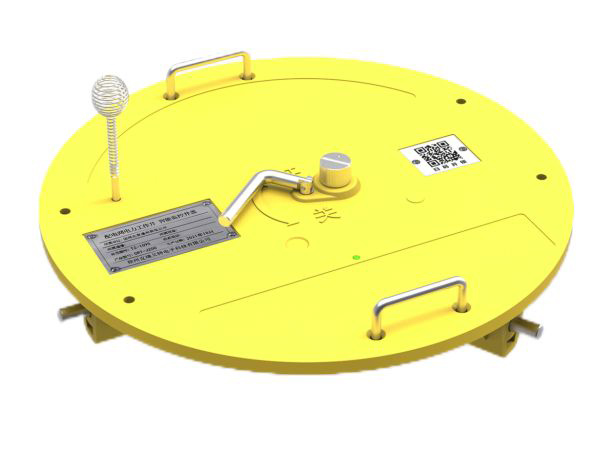 Intelligent Manhole Cover
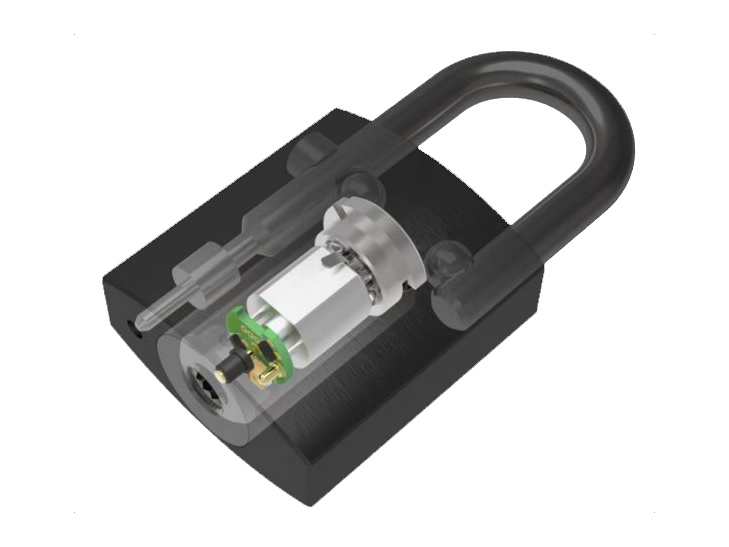 IoT Smart Locks
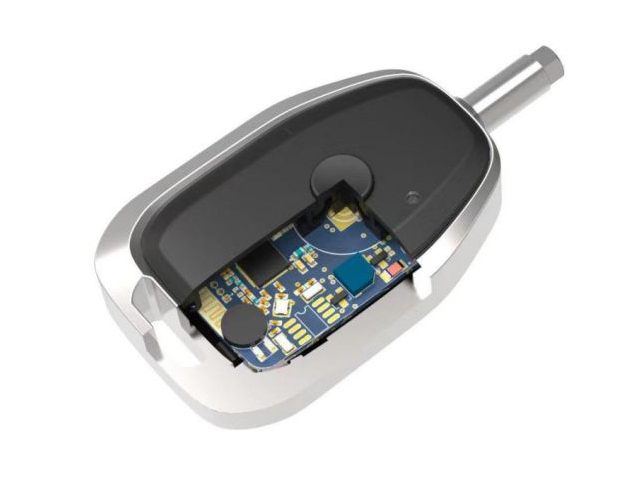 Electronic Keys
 Software


