
Inquiry
Form loading...
0%

You know, in today’s super-fast global economy, having solid logistics management is totally key for all sorts of industries—everything from telecommunications to healthcare. A report by the World Bank even points out that logistics snags can eat up as much as 15% of a country's GDP! With digitalization on the rise, the need for innovative management solutions is huge, especially in places like Gembok Logistics where security and access management are front and center. That’s where Xuzhou CREATE Electronic Technology Co., Ltd. comes in—they’re leading the charge, offering cutting-edge solutions that really help boost operational efficiency. In this guide, we’re going to dive into the different types of products used in Gembok Logistics. You'll get the lowdown on their features and applications, giving businesses the insights and strategies they need to up their logistics game and succeed in a competitive landscape.

Mastering Gembok Logistics: A Comprehensive Step-by-Step Guide to Maximizing Efficiency

Understanding Gembok Logistics: Key Principles for Streamlined Operations

You know, Gembok logistics is super important for boosting efficiency in all sorts of industries. By really honing in on things like cutting down waste, constantly improving, and having a clear view of data in real-time, companies can totally streamline their logistics. There’s this McKinsey report that says businesses that really get into optimizing logistics can save around 10% on costs and speed up their delivery times quite a bit. Plus, using the Gembok approach really gets teams to collaborate better. It creates a vibe where everyone feels they can pitch in to spot those pesky bottlenecks and inefficiencies.

One of the core ideas behind Gembok logistics is all about Kaizen, or continuous improvement. According to a study by the Lean Enterprise Institute, companies that embrace Kaizen usually see a productivity boost of about 25% in just the first year! Isn’t that wild? By using methods like value stream mapping and having regular team huddles, businesses can stay ahead of any challenges and really level up their logistics. And don’t forget about technology—using real-time tracking can cut down on delays and help with resource allocation, which means your supply chain can roll along without a hitch.

The Role of Quality Control in Enhancing Logistics Efficiency in Manufacturing

You know, quality control really plays a huge role in making logistics run smoothly in manufacturing. It’s kind of one of those things that affects everything—like the production flow and how much it costs. I was reading this report by Deloitte that said companies with solid quality control can actually trim their operational costs by as much as 30%. That’s a big deal because it gives them a real edge over the competition! If manufacturers set up regular quality checks all through the logistics process, they can dramatically cut down on defects and waste, which, let’s face it, makes customers a lot happier.

On top of that, I came across a study from the American Society for Quality that noted organizations with strong quality control systems can see improvements in operational efficiency ranging from 20% to 50%. That’s pretty impressive, right? Especially when you think about Gembok Logistics, where having quality assurance tightly linked with logistics is super important. When manufacturers really embrace a culture of quality, they ensure their logistics not only hit compliance standards but also boost productivity and profit. By putting quality control measures in place at every step of the supply chain, they can turn what could be weaknesses into real strengths—leading to a more reliable and efficient logistics system overall.

Mastering Gembok Logistics: A Comprehensive Step-by-Step Guide to Maximizing Efficiency

Leveraging Data Analytics for Optimizing Supply Chain Performance

You know, in today’s super competitive world, really making the most of data analytics is key to boosting supply chain performance. A report from Gartner even shows that around 79% of supply chain execs think that making decisions based on data could give them a serious edge over their rivals. By tapping into data analytics, companies can get a clearer picture of things like inventory management, forecasting demand, and improving logistics efficiency. And let’s be honest, this leads to better service and cuts down on operational costs, which is a win-win!

On top of that, a study from McKinsey points out that organizations that dive into advanced analytics can ramp up their operational efficiency by as much as 30%. Just think about it: predictive analytics helps businesses get ahead of the curve by spotting market trends and what customers want. This means they can adapt their supply chain strategies pretty quickly. Plus, keeping an eye on real-time data helps spot any bottlenecks or inefficiencies right away, so they can fix things on the fly. It’s clear that this data-driven approach not only boosts productivity but also sparks innovation within supply chains, setting companies up for long-term success in a market that’s changing fast.

Benchmarking Industry Standards: How Chinese Manufacturing Sets the Bar

You know, when you think about global manufacturing, Chinese factories really are leading the pack when it comes to efficiency and getting things done. I came across some interesting reports from the McKinsey Global Institute that point out that China's manufacturing sector actually accounts for over 25% of the country's GDP. That's pretty huge and really shows how important it is in the whole global supply chain. It's not just about fancy tech, either; they've got a super smooth logistics system that cuts down on lead times and speeds up deliveries.

One big reason for all this success is how they’ve jumped on automation and data analytics. This stuff really helps manufacturers fine-tune their operations. Statista is forecasting that by 2025, China could have more than 1.4 million industrial robots whirring away. That’s a lot, way more than most other countries! Thanks to all this automation, they’re seeing an average productivity boost of around 30%. So, they can keep up with the growing demand globally without breaking the bank. Because of all this, you’ll find that companies all over are looking at what China is doing in manufacturing for tips on boosting their logistics efficiency and figuring out ways to stay competitive in the game.

Mastering Gembok Logistics: A Comprehensive Step-by-Step Guide to Maximizing Efficiency

Best Practices for Implementing Lean Management in Gembok Logistics

You know, putting lean management principles to work in Gembok logistics can really boost efficiency and cut down on waste. So, the first thing we need to do is figure out what value looks like from the customer's side. That means getting a good grasp on which parts of the logistics process actually hit the mark for customer needs and then zeroing in on those areas. By sketching out the whole supply chain, teams can spot where things can be improved and chop out those non-value-adding activities, which ultimately helps us streamline operations.

Another cool approach is to build a culture of continuous improvement, or what some people call Kaizen. In Gembok logistics, it’s super important to empower employees at every level to pitch in their ideas and make little changes that can really add up over time. Holding regular training sessions and workshops can get everyone on board, keeping the whole team engaged in the efficiency game. Plus, using data to guide our decision-making and track performance metrics helps us figure out where the bottlenecks are and allows for smart adjustments that can enhance workflow and service delivery. By emphasizing teamwork across different departments, we’ll create a nimbler logistics operation that can easily roll with the punches and adapt to whatever demands come our way.

Future Trends in Gembok Logistics: Innovations Driving Efficiency Forward

In the fast-changing world of logistics, Gembok Logistics really shines as a great example of how innovation can boost efficiency. One big trend shaking things up in this industry is the use of artificial intelligence and machine learning. These technologies help logistics companies analyze data in real time, which means they can optimize routes, keep track of inventory, and even predict demand with really impressive accuracy. Seriously, by using these tools, businesses can cut down on operational costs and step up their service, raising the bar for what efficiency looks like these days.

Another huge shift we’re seeing is Gembok Logistics's commitment to sustainability. With environmental worries on the rise, more and more logistics firms are going green, adopting things like electric vehicles and eco-friendly packaging solutions. Plus, innovations like blockchain technology are really stepping up, enhancing transparency and allowing companies to track their carbon footprint while making sure they source materials ethically. All these advancements not only make logistics smoother but also push us toward a more sustainable future – proving that being efficient and being eco-friendly can totally go hand in hand at Gembok Logistics.

Unlocking Efficiency: The Role of Intelligent Logistics Locks in Modern Supply Chain Management

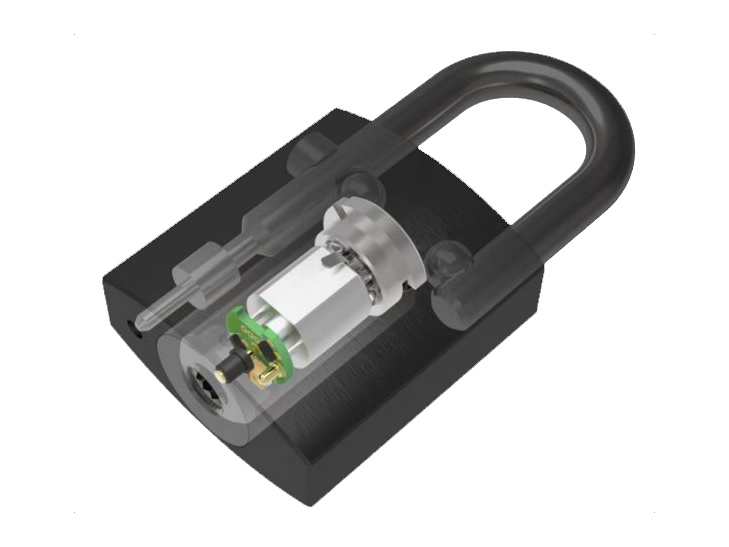
In today's fast-paced global economy, the efficiency of supply chain management directly impacts a company's bottom line. Enter the intelligent logistics lock, a high-tech solution designed to streamline logistics operations. These advanced devices not only enhance security but also improve the overall management of goods as they move through the supply chain. By integrating multiple functions, intelligent logistics locks allow businesses to monitor and control access to shipments in real-time, providing an added layer of protection against theft and loss.

The versatility of intelligent logistics locks is a game-changer for various industries. With features such as remote locking, tracking capabilities, and data integration, these devices empower companies to optimize their logistics processes. For example, logistics managers can receive instant alerts about unauthorized access or tampering, enabling rapid response and preventing potential disruptions. This technological advancement not only safeguards assets but also fosters trust between suppliers and clients, knowing that every shipment's journey is meticulously monitored and secure.

As the demand for faster and more reliable delivery continues to grow, intelligent logistics locks stand out as a pivotal element in modern supply chain management. By embracing this innovative technology, businesses can unlock new levels of efficiency, ultimately gaining a competitive edge in the marketplace. The future of logistics is undoubtedly intelligent, and those who adapt to these changes will thrive in an increasingly complex supply chain landscape.

FAQS

: What is Gembok logistics and why is it important?

: Gembok logistics focuses on enhancing operational efficiency by reducing waste, promoting continuous improvement, and ensuring real-time data visibility. It is important because it allows organizations to streamline their logistics processes, resulting in cost savings and improved delivery times.

How does the practice of Kaizen contribute to logistics improvement?

Kaizen, which means continuous improvement, helps organizations identify and address challenges proactively. Companies embracing Kaizen can see a productivity increase of up to 25% in the first year by implementing techniques like value stream mapping and regular team meetings.

How can companies achieve cost savings through logistics optimization?

Companies that fully embrace logistics optimization can gain up to 10% in cost savings by streamlining their operations, improving delivery times, and enhancing overall efficiency.

What role does technology play in Gembok logistics?

Technology plays a crucial role by enabling real-time tracking, which reduces delays and improves resource allocation. This ensures that the supply chain operates seamlessly and enhances overall logistics efficiency.

Why do Chinese manufacturers set the benchmark for global manufacturing efficiency?

Chinese manufacturers lead in efficiency and productivity due to advanced technology and a streamlined logistics system that minimizes lead times. Their adoption of automation and data analytics further enhances their operational capabilities.

What are the benefits of automation in Chinese manufacturing?

Automation in Chinese manufacturing is projected to increase productivity by an average of 30%. This helps meet global demand while maintaining cost efficiency, making their practices insightful for companies worldwide.

How can organizations identify value in their logistics processes?

Organizations can identify value by understanding customer needs and examining what directly contributes to fulfilling those needs. This involves mapping the entire supply chain to eliminate non-value-added activities.

What practices support a culture of continuous improvement in logistics?

Fostering a culture of continuous improvement involves encouraging employee participation in suggesting changes and conducting regular training sessions. This engagement ensures that everyone is committed to enhancing efficiency.

How can data-driven decision-making improve logistics operations?

Data-driven decision-making helps track performance metrics, allowing companies to identify bottlenecks and make informed adjustments. This enhances workflow and service delivery by supporting a more agile logistics operation.

Liam

Liam

Liam is a dedicated marketing professional at Xuzhou Kreit Electronics Technology Co., Ltd., where he excels in promoting the company's innovative electronic products. With a deep understanding of the industry, he consistently showcases his expertise through engaging blog articles on the company’s......
Previous Finding Reliable Sources for Smart Cam Locks in the Global Market