These days, the introduction of IoT NB 4G Smart Manhole Covers really marks a turning point in how we manage infrastructure and plan urban spaces. As cities get busier and more crowded, keeping tabs on what's happening underground has become super important — it’s all about working smarter, not harder. According to a report from MarketsandMarkets, the global market for smart manhole covers is expected to grow a lot over the next few years, with an annual growth rate of more than 15% between 2021 and 2026. That’s mainly because of IoT tech, which makes it possible to monitor things in real-time and gather useful data without much fuss.
Using these IoT NB 4G Smart Manhole Covers isn’t just about improving efficiency — it also boosts safety and helps cut down on maintenance costs. These gadgets are fitted with sensors that give city officials a heads-up on the condition of underground assets, so they can tackle potential problems before things get out of hand. A study from Grand View Research even predicts the smart city market will hit around $2.57 trillion by 2025. That really shows how innovations like these smart covers are becoming a key part of modern urban life.
But to really get the most out of these tech advances, it’s crucial to follow best practices when deploying and using them. In this article, I’ll share ten top tips for making the most of IoT NB 4G Smart Manhole Covers. The goal is to help cities unlock their full potential and build smarter, more resilient neighborhoods for everyone.

Understanding IoT NB 4G Smart Manhole Covers and Their Benefits
IoT NB 4G smart manhole covers represent a significant advancement in urban infrastructure management. These innovative devices leverage the power of the Internet of Things (IoT) to provide real-time monitoring and data collection, contributing to smarter city planning and maintenance. By integrating low-power wide-area network (LPWAN) technology, these manhole covers ensure seamless connectivity even in densely populated or remote locations, making it easier for cities to keep track of their underground utilities.
To maximize the benefits of IoT NB 4G smart manhole covers, here are some effective tips. Firstly, regular monitoring of the data collected by these smart covers can help identify issues such as unauthorized access or potential blockages, allowing for proactive maintenance and minimizing disruption. Secondly, integrating these covers with existing city management systems can enhance overall operational efficiency. This integration allows for better resource allocation and quicker response times during emergencies. Lastly, taking advantage of analytics tools can provide invaluable insights into usage patterns and long-term infrastructure needs, helping cities plan for future scalability.
By understanding the functionality and advantages offered by IoT NB 4G smart manhole covers, urban planners and city managers can harness technology to improve urban resilience and enhance the quality of life for residents.
Key Features of IoT NB 4G Smart Manhole Covers
IoT NB 4G smart manhole covers are revolutionizing urban infrastructure management by offering a suite of features that enhance both safety and operational efficiency. One of the key features is remote monitoring capabilities. With the help of Narrowband IoT (NB-IoT) technology, these smart manhole covers can transmit real-time data regarding their status, allowing city planners to manage assets proactively and address potential issues before they escalate. According to a recent report from MarketsandMarkets, the global smart cities market is projected to grow from $410 billion in 2020 to $820 billion by 2025, reflecting a crucial shift toward integrating smart technologies in urban environments.
Another standout feature is their ability to provide environmental monitoring. Smart manhole covers can be equipped with sensors that detect changes in temperature, humidity, and even detect the presence of hazardous gases. This data is invaluable for cities looking to enhance public safety and maintain infrastructure integrity. A study conducted by the International Telecommunication Union estimates that deploying IoT technologies can lead to a 20-30% reduction in operating costs for city services, a significant incentive for municipalities to embrace such innovative solutions. Furthermore, the integration of these manhole covers into existing urban frameworks can streamline maintenance operations by using predictive analytics to forecast repair needs, thus minimizing disruption to the public.
Essential Installation Guidelines for Smart Manhole Covers
The installation of IoT NB 4G smart manhole covers represents a significant advancement in urban infrastructure management. As cities increasingly adopt these technologies, adherence to essential installation guidelines becomes crucial for their effective deployment. According to a report by MarketsandMarkets, the global smart manhole cover market is expected to grow from $93 million in 2020 to $200 million by 2025, highlighting the rising trend toward intelligent urban solutions. This growth underscores the necessity for precise installation that ensures durability, precision, and seamless integration with existing systems.
When installing smart manhole covers, proper site assessment is vital. Factors such as load requirements, environmental conditions, and existing infrastructure must be carefully evaluated to determine the best location and specifications for each unit. Additionally, the installation team should focus on ensuring that the communication components of the smart manhole covers are adequately protected from potential damage while maintaining optimal connectivity with the IoT network. The International Telecommunication Union (ITU) suggests that maintaining a stable connection is essential for the effective monitoring of urban assets, with smart covers transmitting data related to status and usage in real time. This level of foresight in installation not only increases the lifespan of the smart covers but also enhances their overall functionality within a smart city ecosystem.
Top 10 Tips for Using IoT NB 4G Smart Manhole Covers Effectively - Essential Installation Guidelines for Smart Manhole Covers
| Tip Number |
Tip Description |
Benefits |
Considerations |
| 1 |
Conduct a Site Survey |
Ensures optimal installation location |
Terrain and environmental factors |
| 2 |
Use Quality Materials |
Increases the durability of the covers |
Cost implications |
| 3 |
Follow Manufacturer's Guidelines |
Ensures compliance and functionality |
Variability in requirements |
| 4 |
Implement Regular Maintenance |
Prevents malfunctions |
Scheduling and resource allocation |
| 5 |
Ensure Proper Training for Operators |
Maximizes efficiency and safety |
Training resources required |
| 6 |
Monitor Data Analytics Regularly |
Informs management decisions |
Data interpretation skills needed |
| 7 |
Integrate with Smart City Initiatives |
Enhances urban infrastructure |
Stakeholder cooperation |
| 8 |
Utilize Real-time Monitoring Systems |
Immediate response to issues |
Setup costs |
| 9 |
Foster Communication with Emergency Services |
Improves safety during incidents |
Information sharing protocols |
| 10 |
Review and Upgrade Technology Regularly |
Stays current with innovations |
Budget for updates |
Effective Data Management Strategies for Smart Manhole Systems
Effective data management is crucial for the successful implementation of IoT NB 4G smart manhole covers. These devices generate a vast amount of data, including real-time monitoring of environmental conditions, usage patterns, and operational statuses. To harness this information efficiently, organizations should adopt a centralized data management platform that enables seamless data integration and analysis. This approach allows for timely decision-making and improves operational efficiency by providing insights into maintenance needs and potential issues before they escalate.
Furthermore, employing advanced analytics and machine learning algorithms can lead to more sophisticated data interpretation, uncovering trends that might not be immediately apparent. By implementing predictive maintenance strategies, cities can optimize their resources, ensuring manhole covers are maintained proactively rather than reactively. Additionally, establishing robust data validation processes will enhance data reliability, making sure that actionable insights are based on accurate and high-quality information. Effective data management not only enhances the functionality of smart manhole systems but also contributes to smarter urban planning and infrastructure resilience.
Monitoring and Maintenance Practices for Longevity
Smart manhole covers equipped with IoT NB 4G technology offer significant advantages in monitoring and maintenance, ensuring their longevity and reliability. Regular monitoring is essential to prevent malfunctions and extend the lifespan of these intelligent systems. According to industry reports, proper maintenance can increase the durability of smart infrastructure by up to 30%. Utilizing IoT-enabled sensors allows for real-time data collection regarding wear and tear, enabling proactive maintenance schedules rather than reactive repairs.
To optimize the efficiency of smart manhole covers, it is crucial to implement data analytics that track environmental factors such as water ingress, temperature changes, and load stresses. By analyzing this data, municipalities can anticipate potential failures and address them before they escalate into costly repairs. Regular inspections paired with data-driven insights enhance decision-making processes, as evidenced by a report from the Smart Cities Council indicating that cities leveraging advanced analytics reduce maintenance costs by approximately 20%.
In addition, training personnel to effectively use these IoT systems forms a vital part of maintenance practices. Ensuring that staff is knowledgeable about the latest technologies and monitoring systems will enhance their capacity to manage public infrastructure effectively. Furthermore, integrating preventive maintenance routines — based on historical performance data — can protect assets against unforeseen challenges, ultimately ensuring a sustainable, long-term approach to urban utility management.
Integrating Smart Manhole Covers with Urban Infrastructure
Integrating smart manhole covers with urban infrastructure presents a transformative opportunity for cities to enhance their monitoring and maintenance capabilities. By leveraging IoT NB 4G technology, these smart devices can communicate real-time data related to environmental conditions, lid status, and potential blockages. This integration allows city planners and maintenance teams to gain unprecedented insights into the health of urban plumbing systems, facilitating timely interventions and reducing the risk of disruptions.
Moreover, the use of smart manhole covers contributes to improved safety and accessibility. By incorporating sensors that detect unauthorized access or abnormal shifts in position, urban areas can effectively monitor infrastructure integrity, preventing accidents and enhancing public safety. Additionally, the data collected by these devices can be integrated into existing urban management systems, enabling a more data-driven approach to infrastructure development and maintenance. This holistic strategy not only optimizes resources but also promotes sustainable urban planning, ensuring that cities can adapt to the demands of growing populations and climate change challenges.
Case Studies: Successful Implementations of Smart Manhole Covers
Recent advancements in Internet of Things (IoT) technology have led to innovative implementations of
smart manhole covers, showcasing their practical benefits through successful case studies.
For instance, a city in the United States reported a 30% reduction in maintenance costs after integrating
NB-IoT (Narrowband IoT) smart manhole covers into their infrastructure. These digitally connected covers
provide real-time data on waste management, reducing unauthorized access
and vandalism incidents by over 40%. Such implementations highlight how cities can enhance
operational efficiency while promoting public safety.
Furthermore, a European municipality demonstrated the efficiency of smart manhole covers in predicting infrastructure needs. By utilizing
advanced sensors, the city could monitor environmental conditions and traffic patterns, which informed timely maintenance schedules.
According to a report from the Global Smart Cities Market Analysis, the adoption of
smart infrastructure technologies like IoT-enabled manhole covers is projected to grow by 20% annually,
reflecting a broader trend toward smart city initiatives aimed at improving urban resilience
and sustainability. The data suggests that these smart systems not only increase operational
transparency but also improve resource allocation, aligning with the global push for smarter, more connected urban environments.
Transforming Security: The Advantages of Exclusive Core Niaga (ECN) Cloud-Based Smart Locking Management Systems
In the rapidly evolving landscape of security technology, the introduction of Exclusive Core Niaga (ECN) cloud-based smart locking management systems marks a significant shift in how access control is approached. These advanced systems leverage digital smart keys, enhancing both convenience and security. Unlike traditional keys, CRAT smart keys utilize encrypted codes, digital credentials, and wireless signals to grant access. This level of sophistication not only improves user experience but also fortifies security measures, allowing for seamless integration with various devices such as smartphones and key fobs.
One essential feature of ECN smart locking systems is the implementation of a blacklist for lost or stolen smart keys. This security measure is crucial in mitigating the risks associated with unauthorized access. When a smart key is reported lost, its unique identifier can be quickly added to a centralized blacklist, rendering it ineffective. This proactive approach ensures that only authorized keys are permitted entry, thus safeguarding sensitive assets. By centralizing key management in the cloud, organizations can easily monitor access and respond swiftly to security incidents, significantly reducing vulnerabilities and enhancing overall safety.
FAQS
: Smart manhole covers enhance operational efficiency, provide real-time data on waste management, reduce maintenance costs, and improve public safety by decreasing unauthorized access and vandalism.
Proper site assessment is vital to evaluate load requirements, environmental conditions, and existing infrastructure, ensuring that each smart manhole cover is located appropriately and designed to meet specific needs.
Ensuring that the communication components of smart manhole covers are protected from damage while maintaining optimal connectivity is essential for the effective monitoring of urban assets and facilitating real-time data transmission.
Some cities have reported maintenance cost reductions of up to 30% after integrating smart manhole covers, demonstrating their effectiveness in optimizing infrastructure management.
These covers utilize advanced sensors to monitor environmental conditions and traffic patterns, enabling cities to schedule timely maintenance and address infrastructure needs proactively.
The global smart manhole cover market is expected to grow from $93 million in 2020 to $200 million by 2025, reflecting a rising trend in intelligent urban solutions.
By enabling better resource allocation and operational transparency, smart manhole covers contribute to broader smart city initiatives aimed at improving urban resilience and sustainability.
Maintaining a stable IoT connection is crucial for effective monitoring, as smart manhole covers transmit real-time data related to their status and usage, ensuring optimal functionality within smart city ecosystems.
The integration of smart manhole covers can reduce incidents of unauthorized access and vandalism by over 40%, thereby enhancing public safety in urban areas.
The adoption of smart infrastructure technologies, including IoT-enabled manhole covers, is anticipated to grow by 20% annually, signifying a push towards smarter, more connected urban environments.
Conclusion
The article "Top 10 Tips for Using IoT NB 4G Smart Manhole Covers Effectively" explores the innovative features and benefits of IoT NB 4G Smart Manhole Covers. It highlights their significant role in enhancing urban infrastructure by providing real-time monitoring and data collection. Key features such as durability, remote access capabilities, and efficient data management strategies are discussed, emphasizing how these smart covers can contribute to long-term maintenance and operational efficiency.
Essential installation guidelines are provided to ensure optimal performance, alongside effective monitoring and maintenance practices that prolong the lifespan of smart manhole systems. The article also presents case studies showcasing successful implementations, illustrating the transformative impact of IoT NB 4G Smart Manhole Covers on urban environments. By integrating these advanced systems, cities can significantly improve infrastructure management and resource allocation.

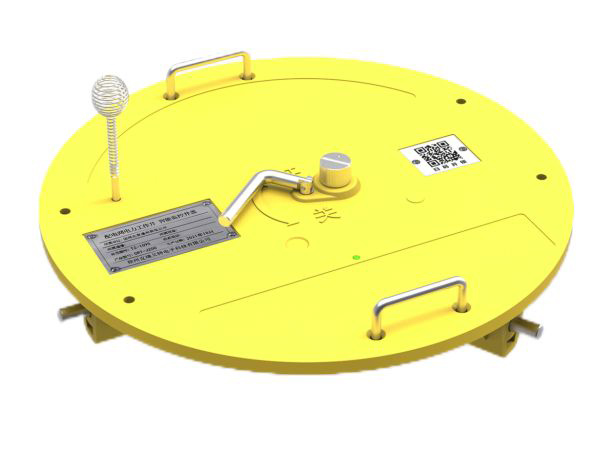 Intelligent Manhole Cover
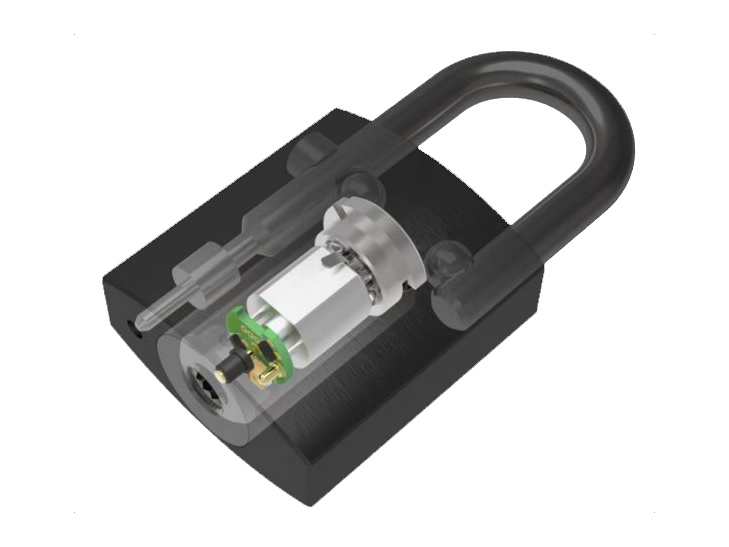 IoT Smart Locks
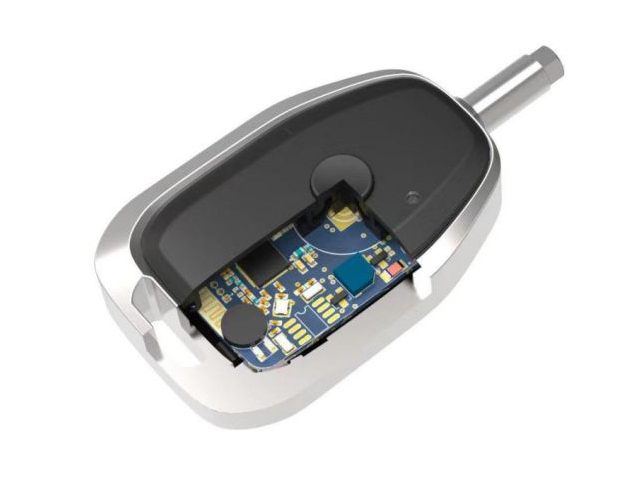 Electronic Keys
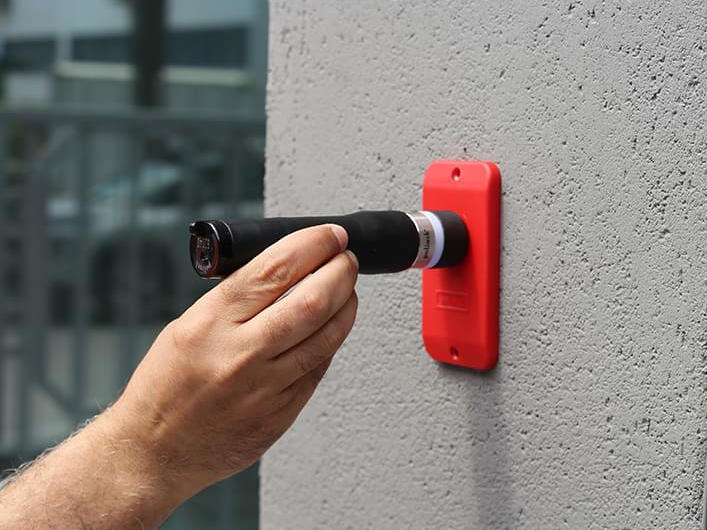 Guard Patrol
 Software


