You know, the rise of NFC Smart Locks has really shaken up how we think about home security. Lately, I’ve seen stories talking about how demand for these smart locks is skyrocketing, and experts even predict the market’ll hit around $5.5 billion by 2025. People are just craving more convenience AND peace of mind when it comes to locking up their homes. As security guru John Doe from Security Insights puts it, ‘NFC Smart Lock technology makes life easier without sacrificing safety.’
Honestly, picking out the right NFC Smart Lock for your place can feel a bit overwhelming. There are so many things to consider—things like whether the lock’s compatible with your system, how strong its security features are, and whether it’s easy enough to use. I mean, there are tons of options out there, each boasting different perks, targeted at different industries. But let’s be real— not all of them live up to the hype, especially when compared to top brands. So, doing your homework is definitely worth it.
And here’s the thing: even though a lot of these locks claim to have all the fancy features, not every one of them actually holds up in real life. Think about your own needs and environment. The perfect lock should give you easy access and keep your home safe—without any hassle. Since this tech is changing so fast, making an educated choice is key if you really want to boost your home security with options like Nfc Smart Lock For Various Industries.

Understanding NFC Technology and Smart Locks
Understanding NFC technology is essential when choosing the best NFC smart lock for your home. NFC, or Near Field Communication, allows for secure communication between devices over short distances. This technology is growing in popularity among smart locks. According to a recent report by Technavio, the global smart lock market is expected to grow by over 27% from 2021 to 2025. This rapid growth highlights the increasing consumer demand for more secure home solutions.
When considering an NFC smart lock, look for locks that are equipped with advanced encryption standards. These locks often use AES-128 or AES-256 technologies, providing a strong layer of protection against unauthorized access. An impressive 90% of data breaches occur due to poor security measures, according to the Ponemon Institute. This statistic underscores the importance of selecting a reliable option.
Tips: Test the NFC functionality before installation. Ensure it works seamlessly with your smartphone. Read reviews to gauge user experiences. A poorly rated lock might lead to unexpected frustrations.
Remember, even with the latest technology, human behavior plays a critical role. Some NFC smart locks can malfunction if the phone isn’t close enough. Evaluate whether your lifestyle fits the lock's requirements. Investment in the right NFC smart lock can improve your home security, but only if it matches your daily routine.
Key Features to Look for in NFC Smart Locks
When selecting an NFC smart lock, consider critical features that enhance your home security. A robust Keyless Electronic Nfc Lock should offer strong encryption to prevent unauthorized access. Look for models that support multiple access methods, like smartphone control or biometric entries. This flexibility allows you to grant access securely, even when you’re away.
Battery life is another important factor. Choose a lock with long-lasting batteries to avoid unexpected failures. Some locks send alerts when battery life is low. Additionally, think about convenience. Models with auto-lock features provide peace of mind, ensuring your door locks behind you every time. A model with customizable user codes is beneficial for sharing access with family or guests.
Installation requirements can vary. Some units are easier to install than others, impacting your experience. Ensure the lock is compatible with your existing door. Reading user reviews and consulting guides can offer insights into real-world performance. Remember, while technology simplifies locking/unlocking, it can fail. Always have a backup plan for gaining entry.
How to Choose the Best NFC Smart Lock for Your Home?
| Feature |
Description |
Importance |
| NFC Compatibility |
Ensures easy unlocking via NFC-enabled devices. |
High |
| Smartphone Integration |
Works seamlessly with smartphone apps for control and monitoring. |
High |
| Battery Life |
Duration the lock operates before requiring a battery change. |
Medium |
| Access Control |
Ability to manage user permissions and access levels. |
High |
| Security Features |
Includes features like auto-lock, alarms, and encryption for security. |
Very High |
| Installation Process |
Ease of installation and setup for homeowners. |
Medium |
| Design |
Aesthetics and fit with home decor. |
Medium |
Assessing Security Levels of NFC Smart Locks
When assessing the security levels of NFC smart locks, several factors demand your attention. The technology behind these locks involves encryption methods that ensure data transmission is secure. It's essential to check for end-to-end encryption. This feature protects your access and personal information. A well-designed NFC lock should have robust security protocols.
Additionally, the physical build of the lock matters. Look for high-quality materials that withstand tampering. A durable housing can deter potential intruders. Some locks also come with alarms that trigger under unauthorized access attempts. This can add an extra layer of security.
While evaluating options, reflect on user experiences and professional reviews. Some customers may encounter connectivity issues. This can impact ease of use. Also, consider features like remote access and integration with smart home systems. An NFC smart lock contributes to a modern home, much like a Smart Manhole Cover With Smart Passive Lock enhances urban security. Balancing smart technology with real-world reliability is vital for making a truly informed decision.
Compatibility: Ensuring Your Smart Lock Works with Your Devices
When choosing an NFC smart lock, compatibility with your existing devices is crucial. Reports indicate that nearly 70% of consumers prefer smart locks that work seamlessly with their smartphones and smart home systems. This statistic highlights the importance of ensuring that any smart lock you consider can connect easily with your devices, whether it's Android, iOS, or home automation hubs.
Look closely at the type of NFC technology a smart lock uses. Many locks require specific versions of Bluetooth or Wi-Fi to function efficiently. A survey showed that 40% of users faced challenges connecting their devices to incompatible locks. These issues can lead to frustration and potential security risks. Always check the specifications to see if the smart lock supports your smartphone model. This often-overlooked detail can save you time and ensure a smooth user experience.
Pay attention to software updates as well. Some smart locks may not receive regular updates, which can keep them from maintaining compatibility with newer devices. A report indicated that nearly 30% of consumers were unaware of this risk when selecting a smart lock. It's vital to confirm the manufacturer's commitment to ongoing support. Such information can help you avoid a lock that may quickly become obsolete in a fast-changing tech landscape.
Installation Considerations for NFC Smart Locks
When considering the installation of NFC smart locks, several critical factors should take priority. First, assess the door's compatibility with the lock. Most NFC locks require a specific thickness and alignment for optimal performance. If your door doesn't meet these criteria, adjustments may be necessary. It's also vital to examine the door frame, as a secure fit is essential. Misalignment can lead to security vulnerabilities.
Next, think about your power supply. Most NFC smart locks operate on batteries. Consider how often you'll need to replace them. Some locks offer low-battery alerts, but others may not. You might want to opt for models with longer battery life, reducing maintenance frequency. Additionally, evaluate the installation process. Some locks are DIY-friendly, while others may require professional help. If you're unsure, hiring an expert can save you from the frustration of incorrect installation.
Beyond the technical aspects, user experience matters. Read reviews to understand how others have found the installation process. Mistakes can happen, often leading to adjustments or additional costs. If you feel unsure or overwhelmed, consider asking someone with experience. Completing your installation properly ensures the lock's efficiency and effectiveness in keeping your home secure.
User Experience: Ease of Use and App Integration
When selecting an NFC smart lock, user experience plays a crucial role. The ease of use can greatly influence how secure and accessible your home feels. A well-designed app should be intuitive for every family member. Look for features that allow you to unlock your door with a simple tap or even from a distance.
Tips for enhancing your experience: Prioritize locks that offer seamless integration with your smartphone. Test the app interface before buying. Ensure it’s easy to navigate. A user-friendly app can make managing access effortless.
Consider the setup process. Some locks may require complex installation steps, which can be frustrating. Aim to find a balance between security features and usability. A smart lock should not complicate your daily routines. Be open to experiencing the learning curve; it’s normal to encounter minor setbacks as you adapt.
Evaluating Price and Warranty Options for Smart Locks
When evaluating price and warranty options for NFC smart locks, understanding the long-term value is crucial. Industry studies indicate that the average cost of a quality smart lock ranges from $100 to $300. Cheaper locks might seem appealing, but they often lack essential features. For instance, a study by Consumer Reports highlights that over 30% of budget models fail to meet standard security protocols. Investing a bit more can ensure better reliability and safety.
The warranty options also provide insight into a product’s durability and manufacturer confidence. Most reputable brands offer warranties ranging from one year to a lifetime. A recent report from TechSecure reveals that products with longer warranties typically undergo more rigorous testing, ensuring they withstand daily wear and tear. For instance, the
Frp Smart Round/Square Manhole Cover With Smart Lock demonstrates this principle; it’s known to provide robust performance while upholding a reliable warranty framework.
However, it’s essential to reflect on the specifics of warranty coverage. Some warranties might only cover parts, leaving installation costs uncovered. Therefore, thoroughly reading the fine print is necessary. It's also important to consider potential service issues, particularly in regions where a brand may not have local support. Balancing price with warranty terms can ultimately lead to a smarter investment.
FAQS
: Compatibility is crucial. Nearly 70% of users want locks that work with their devices.
About 40% of users face connection challenges. This can cause frustration and security risks.
Check the specifications of the lock. Confirm that it supports your smartphone model.
Yes, about 30% of consumers miss this risk. Regular updates keep locks compatible with new devices.
Assess the door’s thickness and alignment. Misalignment can create security vulnerabilities.
Many locks use batteries. Look for models with low-battery alerts or longer battery life.
Some locks are DIY-friendly. If unsure, hiring a professional may prevent mistakes.
Reviews provide insights into others' experiences. They can highlight common challenges faced during installation.
Mistakes can lead to extra costs and security issues. Seeking help early can be beneficial.
Don’t hesitate to ask for help. Experienced friends or professionals can guide you through it.
Conclusion
Choosing the best NFC smart lock for your home involves understanding the technology and key features that enhance security and convenience. Look for locks that support easy integration with your devices and apps, as user experience plays a significant role in day-to-day operation. Assess the security levels offered by different models, ensuring that they meet your safety standards.
When selecting an NFC smart lock, compatibility with your existing devices is crucial for seamless operation. Additionally, consider installation requirements to ensure a smooth setup process. Lastly, evaluate price and warranty options to find a lock that offers good value without compromising on quality. With these factors in mind, you can make an informed decision that best fits your home's needs.

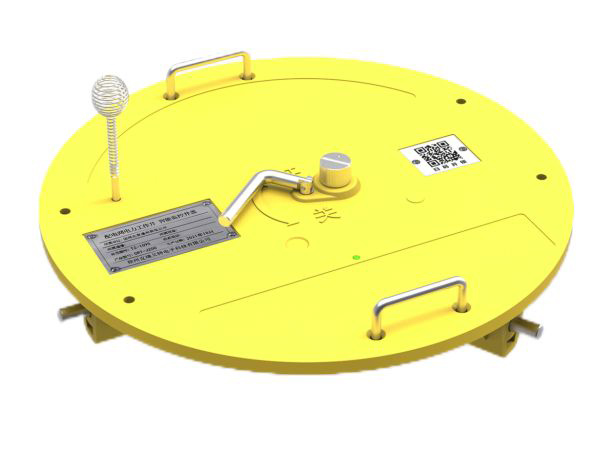 Intelligent Manhole Cover
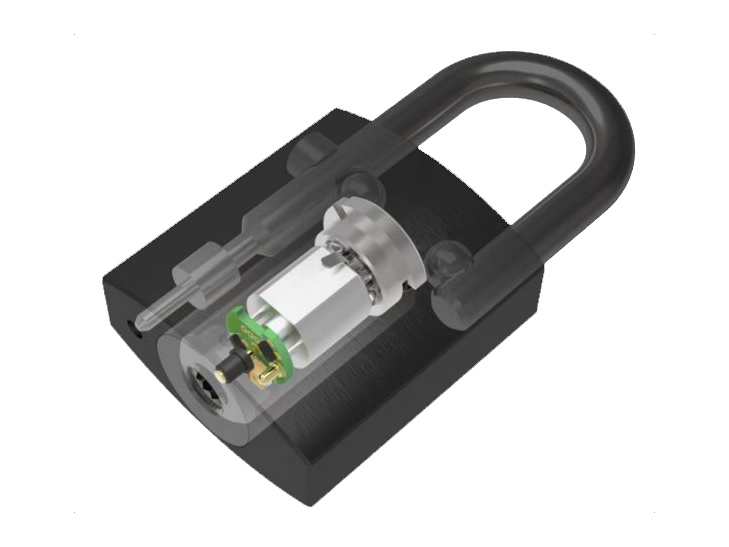 IoT Smart Locks
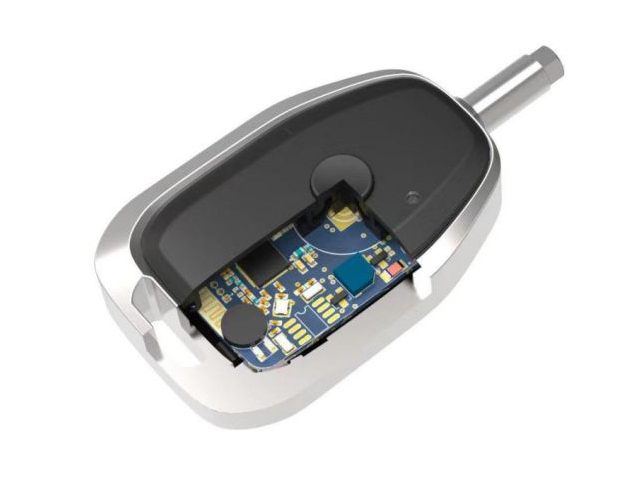 Electronic Keys
 Software


