The master key Access Control System is quickly becoming a must-have for businesses that want better security and smoother operations. I mean, according to a report by MarketsandMarkets, the access control market is expected to hit around $10.3 billion by 2025. That really shows how much companies are craving advanced security solutions these days.
John Smith, who's pretty well-known in the security world from Security Solutions Inc., says, “A Master Key Access Control System makes managing access way easier while keeping things secure.” It’s a good point—finding that sweet spot between easy access and tight safety is key.
But, here’s the thing—some organizations might underestimate just how complicated it can be to set up these systems. It’s not exactly cheap, and it takes some careful planning. Things like designing the keys, training users, and assigning access levels are super important. As companies face new security challenges, really grasping the ins and outs of a Master Key Access Control System becomes pretty crucial if they want to succeed.

What is a Master Key Access Control System?
A Master Key Access Control System is designed to streamline security in various environments. It allows authorized users to access multiple locks with a single key. This is particularly useful for large buildings, where managing numerous keys can become cumbersome. Usually, these systems utilize a hierarchical key setup. This means that certain keys can unlock more doors than others.
With a Master Key System, users enjoy flexibility. For example, janitors might have access to all areas while managers access certain restricted zones. However, this can lead to challenges. If a master key falls into the wrong hands, it poses a serious security risk. Regular audits and key management practices are essential to mitigate this issue.
Modern advancements include Remote Control Authorization By App Master Key System. This feature allows users to manage permissions through mobile apps. Users can grant or revoke access remotely. However, reliance on technology can introduce vulnerabilities. A simple software glitch might lock users out. Therefore, it’s crucial to balance convenience with security measures. Proper training on how these systems work can help prevent potential mismanagement.
Key Components of a Master Key System
A Master Key Access Control System consists of several key components that ensure security and convenience. At its core, the system includes master keys and individual keys. The master key can open multiple locks, while individual keys provide access to specific doors. This dual-layer approach allows for flexible management of access.
Another crucial component is the locking mechanisms, which can be mechanical or electronic. Mechanical locks are traditional and reliable. Electronic locks offer advanced features, like remote access or programmable codes. Integrating a Remote Control Master Key System enhances security. Users can manage access remotely, adjusting permissions in real-time.
Lastly, a central management system is essential. This software tracks who accesses which areas and when. It helps identify patterns and potential security breaches. However, managing such systems can be challenging. Misplaced keys or overlooked access rights can lead to vulnerabilities. Balancing convenience and security is vital for an effective Master Key System.
What is Master Key Access Control System and How Does It Work? - Key Components of a Master Key System
| Component |
Description |
Function |
Benefits |
| Master Key |
A single key that can open multiple locks |
Provides access to various areas |
Convenience and security |
| Subordinate Keys |
Keys that open specific locks |
Gives limited access to users |
Enhanced security control |
| Lock Mechanism |
The hardware that secures access points |
Secures doors, cabinets, etc. |
Physical security |
| Key Control |
System for tracking and managing keys |
Monitors key distribution and access |
Accountability and security |
| Access Management |
Protocols for controlling entry |
Defines who has access to what |
Improved operational efficiency |
Types of Master Key Systems in the Security Industry
Master Key Systems are vital in the security industry, offering flexibility and control. They enable specific access for personnel while restricting access to others. Different types exist, tailored to various security needs, such as single-key systems and grand master key systems.
In a single-key system, one key operates multiple locks. This is efficient for homes or smaller businesses. A grand master key system, however, provides broader access to designated areas, benefitting large facilities. Reports indicate that over 50% of businesses seek custom solutions for their security needs, highlighting the importance of these systems.
Tips: Evaluating your security needs is crucial. Consider a master key system that matches your specific situation. Regularly review your access control policies to ensure they align with staff changes.
Another option is the hierarchy-based master key system. This allows employees access based on their roles. While effective, it requires regular updates to maintain security integrity. A failure to do so can lead to unauthorized access.
Effective master key systems increase convenience and security. Balancing access and control is critical. Make informed decisions about key issuance and loss prevention strategies for optimal security.
How Master Key Systems Enhance Security Management
Master key systems play a crucial role in enhancing security management across various sectors. With a master key, organizations can control access to multiple locks without the need for numerous keys. According to recent industry reports, businesses can save up to 30% in security management costs by implementing such systems. Properly designed master key systems thwart unauthorized access, providing managers with confidence in their security protocols.
Access Control Smart Lock With Master Key elevates security by integrating technology. These smart locks not only offer keyless entry but also allow tracking of access events. A study found that organizations using smart locks see a 40% reduction in security breaches. However, reliance on technology can lead to vulnerabilities. If the digital system fails, access can become complicated. Balancing traditional methods with technology is essential.
Security can sometimes feel like a double-edged sword. A strong master key system limits access but may also create a single point of failure. If the master key is compromised, it can jeopardize the entire security framework. Organizations must continuously evaluate their systems, ensuring they can adapt and strengthen their defenses as needed.
Understanding Key Control Policies and Procedures
Key control policies and procedures are crucial for any organization wanting to secure its assets and protect sensitive areas. These policies define how keys are distributed, tracked, and managed. A study by the Security Industry Association found that organizations with strict key control measures reduce unauthorized access risks by 67%. Adopting a structured approach enhances accountability and ensures that the right individuals have access.
Implementing a strong key control system involves thorough documentation and regular audits. It's important to maintain an accurate log of who has what keys at all times. Regular reviews can help identify discrepancies. Research indicates that 68% of organizations overlook the importance of routine audits in maintaining key security. This negligence often leads to vulnerabilities. Additionally, staff training on key management is essential. Lack of awareness can create gaps in security practices. A proactive approach to key control prevents costly breaches.
Case Studies: Master Key Systems in Commercial Applications
Master key systems are vital in commercial environments. They offer flexibility and security in access control. For example, a recent industry report indicated that about 70% of medium-sized businesses use these systems for efficient operations. Various models exist, from simple master keys to complex hierarchies allowing specific entry permissions.
In practice, many offices and retail spaces combine master key systems with electronic access control. A case study on a large retail chain showed that they improved employee access management by 40%. This efficiency reduced the potential for unauthorized access. However, challenges remain. Staff training on proper usage is essential yet often overlooked. Mismanagement can lead to security vulnerabilities.
Another study highlighted a university campus adopting a master key system. This reduced lockout incidents by nearly 30% over two years. The system streamlined access for faculty while maintaining safety protocols. Nonetheless, a crucial consideration is regular audits. Over time, keys can be lost or duplicated, posing risks. Effective monitoring practices are necessary to mitigate these issues.
Future Trends in Master Key Access Control Technology
As technology continues to evolve, so do access control systems. The future trends in master key access control technology point towards greater automation and connectivity. The integration of mobile applications allows for more flexibility. Users can grant or revoke access on-the-go, creating a more dynamic security environment. Security Access Control Smart Lock With Electronic Master Key systems enable seamless access for authorized individuals while restricting others.
Another exciting trend involves the adoption of biometric systems. Fingerprint or facial recognition technology could be integrated into master key systems. This transition could make physical keys obsolete. However, it raises questions about privacy and data security. These systems promise a more tailored access experience. Yet, the complexity might lead to confusion for some users.
Moreover, artificial intelligence could enhance security measures. AI can analyze access patterns, identifying potential threats faster than traditional systems. Automation can also streamline the locking and unlocking processes. However, reliance on technology can be a double-edged sword. Technical failures can create access issues. Balancing convenience and security will be crucial as we move towards these advanced systems. The future looks promising, but there are hurdles to overcome.
Enhancing Security and Efficiency: A Comprehensive Guide to Smart Key Management Cabinets
In today's fast-paced environment, efficient key management is crucial for maintaining security and streamlining operations. With the increasing risk of theft and mismanagement, organizations are seeking innovative solutions to enhance their security protocols. Smart key management cabinets stand at the forefront of this evolution, incorporating advanced technology to ensure that keys are stored securely while providing a detailed access record to track usage accurately.
These cabinets employ features such as biometric access and real-time monitoring, enabling organizations to have full control over who accesses their keys and when. By eliminating the chaos of disorganized keys, these solutions significantly reduce the potential for unauthorized access and enhance overall security measures. Transparency is a key aspect of effective asset management, and with smart key cabinets, not only is security fortified, but operational efficiency is also improved through streamlined access management.
As organizations aim to protect their assets effectively, investing in a smart key management system is indispensable. With intuitive interfaces and automated alerts for key usage, these systems facilitate rapid response to any potential security breaches, ultimately creating a safer and more efficient working environment.
FAQS
: Hiking, camping, and fishing are popular outdoor activities. Many enjoy birdwatching and nature photography too.
Always inform someone about your plans. Carry enough water and snacks. Wear proper footwear to avoid injuries.
Essentials include a tent, sleeping bag, and cooking gear. Don't forget a first-aid kit and flashlight.
Follow Leave No Trace principles. Dispose of waste properly and avoid picking plants. Stay on marked trails.
Yes, injuries can occur. Weather changes unexpectedly, and wildlife encounters may pose risks. Stay alert and prepared.
Research local fishing regulations. Use appropriate bait for specific fish. Patience is key — sometimes, you won't catch anything.
Consider your fitness level. Look for trails that match your experience. Scenic views can enhance the hike.
It promotes physical health and mental well-being. Connecting with nature can improve mood and reduce stress.
Plan short hikes or picnics. Simple games like frisbee can be fun. Bonding in nature creates lasting memories.
Stay calm and do not approach. Observe from a distance. Knowledge of local wildlife can ensure your safety.
Conclusion
A Master Key Access Control System is an advanced security solution that allows for centralized management of access across multiple areas within a facility. This system typically comprises key components such as master keys, cylinder locks, and various access levels, which can be tailored to meet the specific security needs of an organization. Different types of master key systems exist in the security industry, each designed to enhance efficiency and streamline access for authorized personnel while limiting exposure to unauthorized individuals.
Such systems significantly improve security management by establishing clear key control policies and procedures to track and monitor access. Case studies reveal their effectiveness in various commercial applications, showcasing their ability to safeguard sensitive areas while granting flexible access to employees. As technology evolves, future trends in Master Key Access Control Systems promise further innovations, enhancing security capabilities and user convenience.

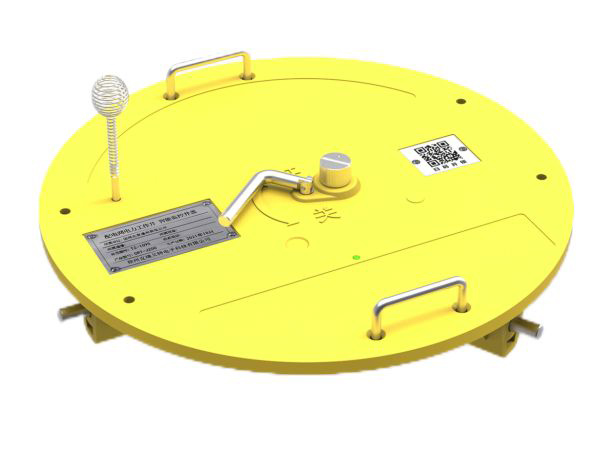 Intelligent Manhole Cover
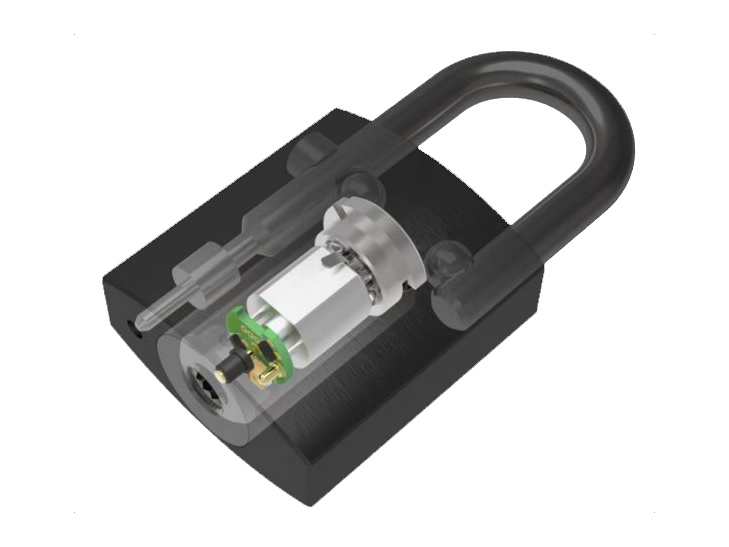 IoT Smart Locks
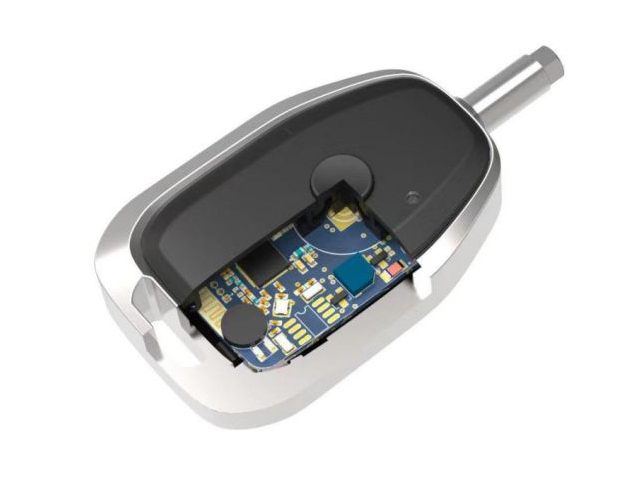 Electronic Keys
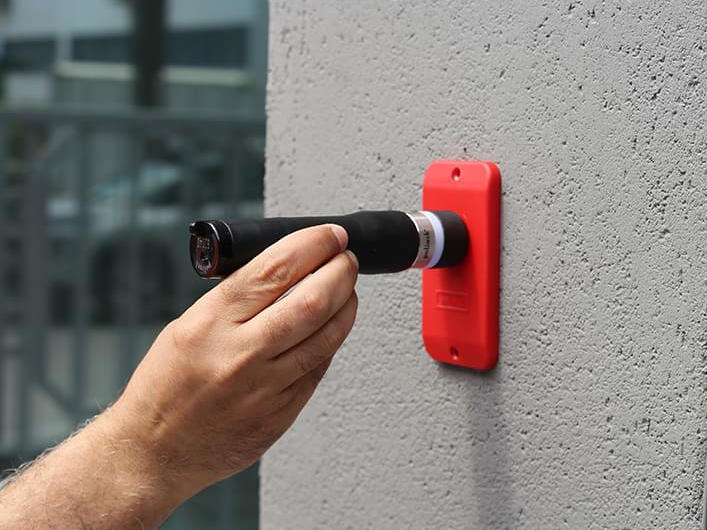 Guard Patrol
 Software


