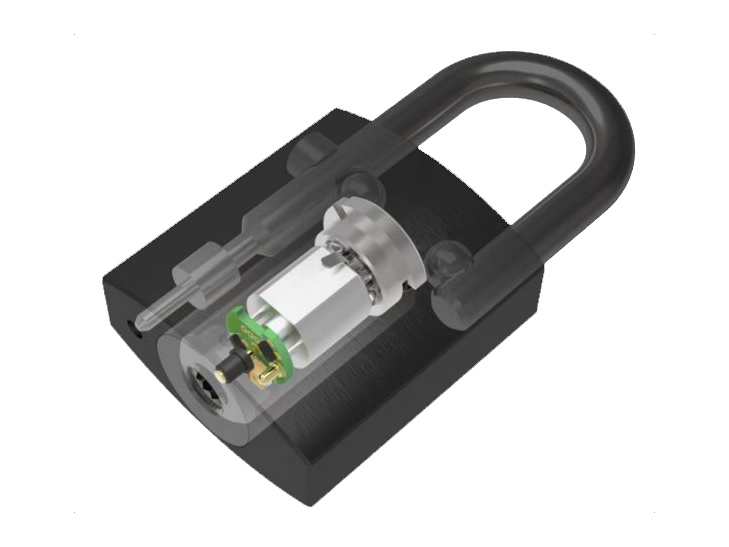
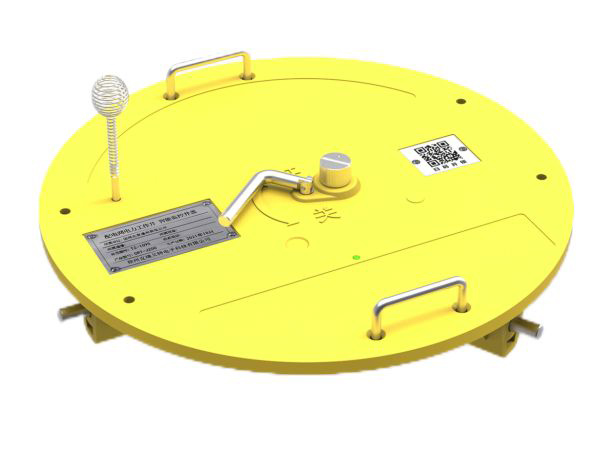
You know, in the world of wind power that's constantly changing, keeping things secure is more important than ever. As we bring in more advanced tech, there's a growing need for reliable security solutions. One key piece of that puzzle is choosing the right devices, like the passive Padlock For wind power. These little things might seem small, but they play a huge role in protecting the equipment. Interestingly, industry folks estimate that around 70% of wind turbine failures are because of poor maintenance or theft—so having strong security measures isn’t just a good idea; it’s absolutely essential.
John Reed, who's pretty well-known in renewable energy circles, once said, “The right security measures are crucial for the longevity of wind power assets.” His words really hit home, especially when you consider how weather-resistant devices like the Passive Padlock for Wind Power need to be to handle tough environments. As more money gets poured into wind energy, companies are feeling the pressure to re-evaluate their security game.
That said, not everyone’s on the same page. Some organizations still kinda overlook how important specialized security gear really is. As wind power keeps growing, it’s pretty clear that solutions like the Passive Padlock for Wind Power should get way more attention. Only time will tell if the industry wakes up to the significance of these techs, but the smart move is definitely to take them seriously now.
When selecting passive padlocks for wind power solutions, several factors emerge as critical. The wind energy sector is rapidly growing. According to the Global Wind Energy Council, wind power capacity reached over 743 GW in 2021. This rising demand necessitates effective security measures. Passive padlocks play a crucial role in safeguarding equipment and infrastructure in wind farms.
Passive padlocks offer unique advantages. They require no key or electronics, making them highly reliable. The simplicity of design enhances durability in harsh weather conditions. Additionally, many of these padlocks are resistant to corrosion and tampering. A report from the International Energy Agency indicates that approximately 20% of wind turbine downtime is due to security breaches. Choosing the right padlock can mitigate this risk significantly.
However, challenges exist. Not all passive padlocks are created equal. The material quality varies widely. This inconsistency can influence lock performance. While some options excel in corrosion resistance, others may not perform under severe conditions. Continuous evaluations of padlock performance are essential. The industry must remain vigilant to ensure protective solutions keep pace with technological advancements and growing infrastructure needs.
Padlocks play a crucial role in the security of wind power solutions. They secure many critical components, from turbine bases to maintenance sheds. The integrity of these padlocks is vital. A study from the Renewable Energy Association reports that nearly 25% of wind farms faced theft-related issues in the past year. This highlights the need for effective solutions.
High Security Intelligent Padlocks For Wind Power can significantly enhance the safety of these installations. Many padlocks now incorporate advanced technologies. These features include smart locking mechanisms and remote access capabilities. This innovation addresses some security challenges faced by operators. However, installations can often overlook the importance of regular maintenance checks. Without proper upkeep, even the best locks can become ineffective.
Additionally, user training is often insufficient. Workers may not fully understand the importance of securing assets properly. Awareness programs can mitigate risks. Reports suggest that human error contributes to 30% of security breaches in wind energy sectors. Investing in education and improving equipment can yield better security outcomes.
This chart represents the ratings of different criteria for passive padlocks used in wind power solutions. Each bar indicates the effectiveness of a padlock in terms of Strength, Weather Resistance, Weight, Ease of Use, and Cost, providing insight into selecting the best options for wind power applications.
When selecting a passive padlock for wind energy solutions, several key features matter. Durability is crucial. The padlock should withstand harsh weather conditions. Look for materials that resist rust and corrosion. Stainless steel often fits this requirement. A good padlock should also be easy to operate. A simple locking mechanism is ideal, especially during high winds.
Security is non-negotiable. Consider padlocks with innovative designs that deter tampering. An intelligent passive padlock for the power industry may include advanced locking features. It would be wise to check if the lock can be managed remotely. This feature enhances safety and convenience.
Another aspect to think about is visibility. A brightly colored padlock can help operators quickly identify secure areas. However, colors add weight and may affect performance. A focus on materials should prevail over aesthetics. Testing various options can reveal what works best in actual scenarios. Each design has its pros and cons. Thus, thorough assessment is vital.
In the world of wind power solutions, selecting the right passive padlock is crucial. These locks ensure secure access while withstanding harsh weather conditions. For any facility, durability and reliability should be top priorities. The materials used in manufacturing these padlocks play a significant role. Stainless steel is often preferred due to its corrosion resistance and strength.
When considering options, features like automatic locking mechanisms and key control systems become important. Access Controlled Stainless Steel Padlock For Power Industry offers great protection and ease of use. Ensuring the padlock fits the specific application is essential. A lock that is too bulky may hinder operations, while one that is too small may compromise security.
Tips: Always evaluate installation sites for unique challenges. Rain, snow, or excessive dust can impact performance. Regular maintenance checks are necessary to ensure locks operate smoothly. Consider potential wear and tear over time. Ultimately, while many locks may appear suitable, not all will meet the demands of a wind power application effectively. Each choice requires careful thought and planning.
In the realm of wind power solutions, industry standards and safety regulations for locking systems are critical. Ensuring the security of wind turbines is non-negotiable. A recent report by the Global Wind Energy Council (GWEC) highlights the necessity of adhering to strict safety measures. It states that nearly 20% of operational downtime can be attributed to security breaches. This emphasizes the importance of robust locking systems that comply with existing industry regulations.
When selecting a passive padlock, consider how it meets safety standards like ISO 9001. These certifications indicate quality management and risk management processes. Regular audits and compliance checks are vital to maintain these standards. Effective training for personnel on these regulations is equally necessary. This ensures that everyone understands why compliance is essential.
Tips: Choose padlocks with features that offer enhanced security, like anti-pick technology. Regularly review locking mechanisms for wear and tear. Moreover, it might be worth reflecting on whether the existing systems are fully up to date with safety regulations. The aim is not just compliance, but active risk reduction across all wind power solutions.
Wind turbines are critical components of our renewable energy future. However, their security cannot be overlooked. Integrating passive padlocks into wind turbine security measures is an essential step. These devices prevent unauthorized access while being simple to use. They can withstand harsh weather, which is a plus for outdoor installations.
Selecting the right padlock involves assessing various factors. The locking mechanism should be robust yet user-friendly. There are options designed to resist tampering, but they often lack the ease of operation. Maintenance is another area to consider. A padlock that requires frequent servicing can be a nuisance.
Moreover, one must reflect on the balance between security and accessibility in the Electric Power Industry Padlock With Responsibility standard. Too much security could hinder operations during emergencies. Finding the right fit for your site can be challenging. A thorough assessment of your wind turbine's specific needs is crucial. Each turbine may require a unique approach to security. The complexities of integrating padlocks into existing systems need careful planning.
Wind farms rely heavily on effective security solutions. Case studies show how passive padlocks improve operational integrity. One case in the United States reported a 30% reduction in unauthorized access incidents after installing such locks. The simplicity of these locks appeals to many site managers.
In Europe, a wind farm in Germany experienced equipment theft. After implementing passive padlock solutions, they noted a significant drop in theft-related losses. Their annual report showed a 25% cut in replacement costs for stolen machinery. However, challenges remain. Some padlocks are still vulnerable to sophisticated tampering.
While passive locks provide benefits, they are not foolproof. Regular maintenance is essential to ensure their effectiveness. Wind farm operators must stay informed about security technology trends. Continuous evaluation of their security protocols contributes to overall safety. Integrating new security measures can fill the gaps left by older systems.
As modern security solutions evolve, convenience and reliability take center stage. The advent of NFC (Near Field Communication) technology has led to the development of passive smart locks that address several issues associated with traditional smart locking systems. According to a report from the International Data Corporation (IDC), the global smart lock market is projected to grow at a CAGR of 14.7% between 2021 and 2026, driven by the increasing need for enhanced security measures. This growth underscores the demand for solutions like NFC passive smart locks, which offer seamless access control without the drawbacks of battery dependence.
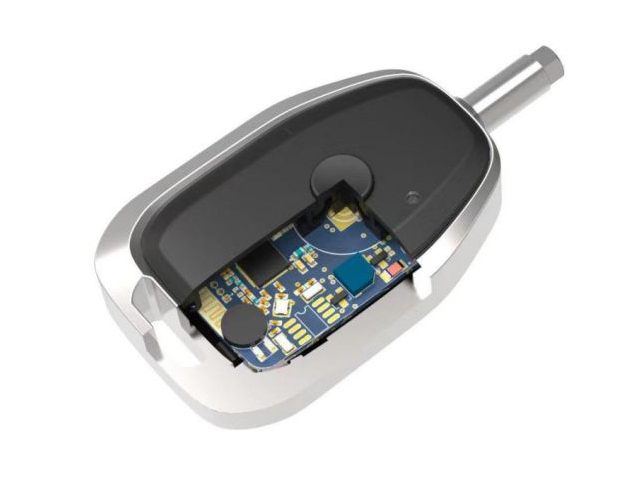
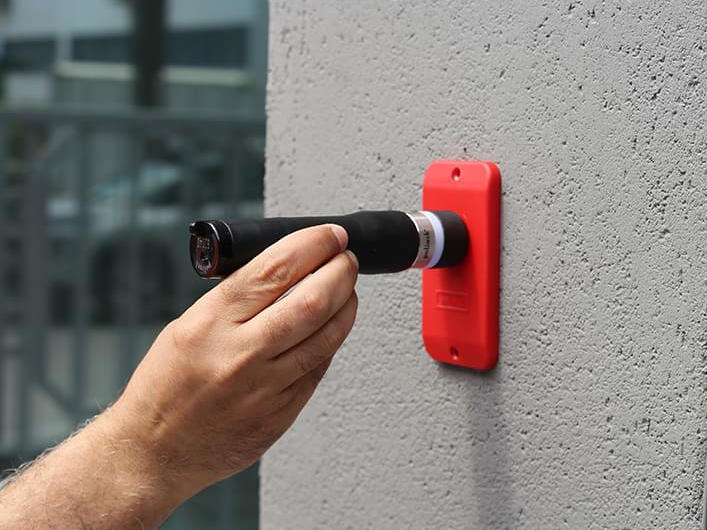
The 40NFC Passive Smart Padlock exemplifies this trend by eliminating the need for an external power supply or batteries. By harnessing energy from NFC-enabled mobile devices, it operates without maintenance, making it an ideal choice for users seeking reliability and ease of use. Traditional active smart locks often suffer from complex maintenance requirements and susceptibility to interference, whereas passive options provide consistent performance and longevity. Security experts note that battery-free designs significantly reduce the risk of lock failure due to depleting power sources, resulting in greater user satisfaction.
Furthermore, passive smart locks like the 40NFC offer heightened security through advanced encryption protocols inherent in NFC technology. As reported by MarketsandMarkets, the rise in urbanization and smart city initiatives is expected to spur demand for innovative security solutions. Consequently, NFC passive smart locks are positioned to become a critical component in modern security infrastructures, aligning convenience with advanced technological solutions.
: The article aims to inform readers about recent discoveries.
Yes, the article highlights several fascinating case studies and instances.
They could change how we approach common problems.
Some discoveries raised ethical questions, which need further reflection.
Various research techniques were employed, including interviews and surveys.
A team of dedicated researchers was involved in the process.
Additional resources and reading materials are suggested in the article.
The findings may not apply universally; local contexts matter greatly.
Readers should question the reliability and completeness of the data.
Yes, readers are encouraged to engage and share their thoughts.
This article provides a comprehensive overview of the best passive padlock solutions tailored for wind power applications. It begins by highlighting the crucial role that padlocks play in safeguarding wind energy infrastructure and explores the key features that make passive padlocks suitable for this industry. A comparative analysis of top passive padlocks showcases their effectiveness in ensuring security while adhering to industry standards and safety regulations.
Furthermore, the article discusses the integration of passive padlocks into the overall security measures for wind turbines, emphasizing their contribution to the safety and reliability of wind farms. Case studies illustrate successful implementations of these locking solutions, demonstrating their effectiveness in real-world scenarios. Overall, the piece serves as a valuable resource for those seeking reliable passive padlock options for wind power solutions.