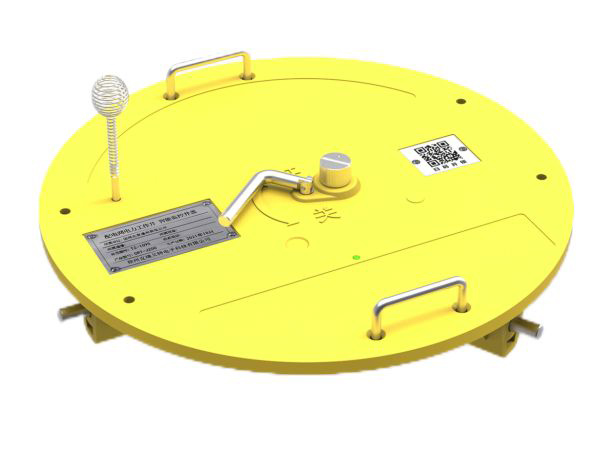
 Intelligent Manhole Cover
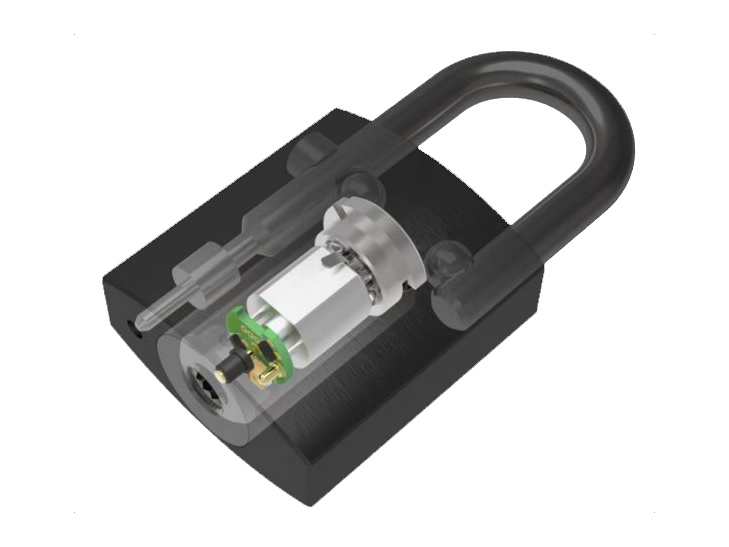 IoT Smart Locks
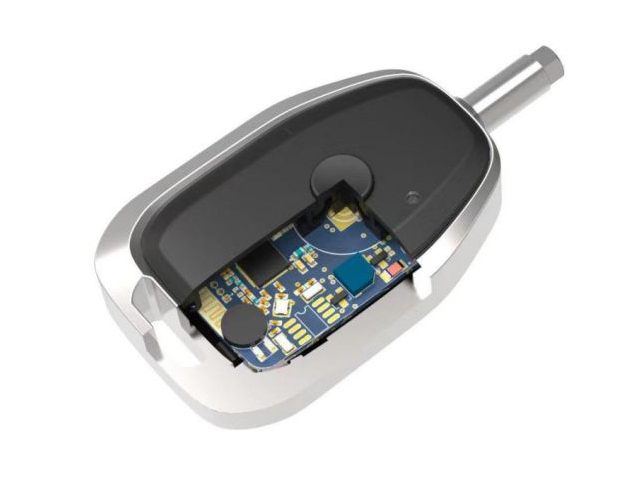 Electronic Keys
 Guard Patrol
 Software
Inquiry
Form loading...
In today’s super busy world, security and convenience aren’t just nice-to-haves—they’re essentials. Especially for industries that really need reliable access controls, finding the right tech makes all the difference. Xuzhou CREATE Electronic Technology Co., Ltd. is leading the charge with some pretty exciting innovations. They offer state-of-the-art security solutions tailored to a bunch of sectors, like telecom, healthcare, and transportation. One of the standout advancements right now is their IoT Smart Lock with free software and platform — it’s pretty impressive. This isn’t just about keeping things safe; it’s also about making access management way more straightforward, so users can control who goes where, seamlessly. Thanks to IoT tech, these smart locks can connect with free software platforms, making them accessible and easy to use no matter the size of the company. This article will walk you through the benefits of these IoT Smart Locks with free software and platforms, showing how they’re set to change the game in security and convenience in our daily routines.

Smart locks for IoT are honestly a pretty game-changer when it comes to home security and making life a little easier. They blend modern tech with everyday convenience, so you don’t have to fumble for keys all the time. Most of these locks connect via Bluetooth or Wi-Fi, which means you can lock or unlock your door remotely—right from your phone or other smart devices. Some cool features you’ll find are keyless entry, temporary codes you can share with guests, and activity logs that tell you who’s been in and out, and exactly when. It’s a huge upgrade in control and peace of mind, plus it makes managing access way simpler.
Now, on the tech side of things, these locks are a pretty clever combo of hardware—like motors and sensors—and smart software that makes everything user-friendly. Many companies offer free apps or platforms where you can tweak settings, set schedules, and get alerts whenever the lock is used. Plus, they play nice with other smart home devices, so you can set the lock to automatically lock when you leave or unlock as you approach with your phone. It’s this kind of connected setup that shows how IoT smart locks aren’t just about keeping the bad guys out—they’re about making your home smarter and your life easier, too.
| Feature | Description | Benefits | Compatibility |
|---|---|---|---|
| Remote Access | Control your lock from anywhere via a mobile app. | Convenient entry from any location; allows for guest access management. | Smartphones, Tablets |
| Keyless Entry | Unlock doors using a smartphone or secure codes instead of traditional keys. | Eliminates the need for physical keys; reduces risk of lost or stolen keys. | Smartphones, Code Input |
| Integration with Smart Home Systems | Works seamlessly with other smart devices like cameras and lighting. | Enhances overall smart home security and automation. | Smart Home Hubs (e.g., Google Home, Amazon Alexa) |
| Activity Logs | Tracks and records who accessed the lock and when. | Provides security insights and information about usage patterns. | Mobile Apps, Web Interfaces |
| Battery Backup | Includes a battery backup to prevent lockout in case of power failure. | Increased reliability and peace of mind. | All compatible devices |
The advent of Exclusive Core Niaga (ECN) Cloud-Based Smart Locking Management represents a significant evolution in security technology, offering unparalleled benefits in access control and management. Central to this innovation is the integration of CRAT smart keys, which serve as advanced digital replacements for traditional keys. These smart keys utilize encryption codes, digital credentials, and wireless communication to enhance security and streamline access procedures. According to a recent industry report by ABI Research, the global smart lock market is projected to reach $5.2 billion by 2026, highlighting the growing adoption of digital security systems.
One of the most critical features of ECN's cloud-based management system is its implementation of a blacklist for lost smart keys. This security measure is crucial in mitigating unauthorized access risks. When a CRAT smart key is reported lost or stolen, its unique identifier is added to a blacklist, ensuring that it cannot be used to gain entry to protected assets. Statistics from the Electronic Security Association indicate that companies employing advanced access control systems can reduce unauthorized access incidents by up to 75%. This proactive approach not only protects assets but also fosters a secure environment where only authorized personnel can interact with sensitive areas.
Furthermore, the use of CRAT technology in conjunction with ECN systems allows for remote management and real-time monitoring of access events. This capability means that organizations can swiftly react to security threats, adjust access permissions instantly, and maintain a comprehensive log of entry attempts. A report by Markets and Markets reveals that the demand for intelligent security solutions is driven by the need for heightened security measures, with cloud-based access management projected to grow significantly. The transformation brought by ECN Cloud-Based Smart Locking Management is, therefore, a pivotal shift toward maximizing security efficiency and operational control in today’s digital landscape.
: Integrating IoT smart locks enhances safety and convenience by creating a comprehensive security network that can be managed remotely, utilizing advanced recognition technologies to identify individuals, ensuring homeowners’ peace of mind.
The smart home security market is anticipated to reach nearly $400 million by 2033, driven by the rise of smart home technology and a compound annual growth rate of 5.8%.
IoT devices communicate seamlessly within the smart home ecosystem, allowing users to control various functionalities such as HVAC and lighting through a user-friendly interface.
The global smart lock market is projected to grow from USD 1.2 billion in 2021 to USD 3.3 billion by 2026, at a compound annual growth rate (CAGR) of 22.5%.
Technologies such as artificial intelligence (AI) and machine learning algorithms are enhancing smart lock functionality, with features like geofencing that automatically lock or unlock doors based on user proximity.
By 2025, approximately 38% of global households are expected to adopt smart home technology, including IoT smart locks.
The shift towards more personalized and secure solutions is driving innovations in the IoT smart lock sector, leading to interconnected systems that simplify property management while enhancing security.
Homeowners can secure their properties remotely using smartphones or other connected devices, providing user-friendly access control.
AI is set to enhance smart locks' functionality and adaptability, contributing to the development of more intuitive and automated home security solutions.
The demand for enhanced home security and convenience, coupled with the proliferation of smart home technologies and mobile security solutions, are key factors driving the increasing demand for IoT smart locks.
The article titled "Unlocking Convenience: Explore the Benefits of IoT Smart Locks with Free Software and Platforms" really dives into how these smart locks are changing the game when it comes to home security. It highlights how awesome it is to use free software for managing your locks — making it super easy to upgrade your security setup without any hassle. The piece also points out user-friendly platforms that make it simple for pretty much anyone to integrate and control their IoT smart locks, no tech skills required.
Plus, there's a good emphasis on why protecting your privacy matters — like, using strong security measures to keep your data safe. Looking ahead, it’s pretty exciting because it hints at future trends and all the cool ways these locks could be used across different industries, including what companies like Xuzhou CREATE Electronic Technology Co., Ltd are doing. All in all, jumping on the bandwagon with IoT smart locks—especially those that come with free management software—is a pretty big step forward for smart home security, blending convenience with pretty advanced tech in a way that makes things easier and safer for everyone.


