Lately, it feels like Bluetooth Passive Smart Lock tech is really shaking up the whole home security scene. I came across a report from MarketsandMarkets that predicts the smart lock market might hit around $1.5 billion by 2025 — no joke! That kind of growth just shows how people are craving smart, handy locking options that don’t sacrifice security. As Dr. Emily Thompson put it pretty well, these Bluetooth Passive Smart Locks aren’t just about convenience — they’re actually changing how we see home safety.
Things like being able to lock and unlock your door remotely, automated locking so you don’t forget, or sharing access with guests — those are becoming pretty standard features now. For example, the Key Centric Intelligent Bluetooth Passive Smart Rim Lock really shows how this tech is evolving. It gives you the ability to control your home entrances from anywhere, just using your phone. But, let’s be real — the industry still needs to sort out issues like connection reliability and battery life, because people want to know that their locks won’t suddenly stop working when they need them the most.
All in all, these benefits are impressive, but it’s worth being a bit cautious. We need to stay informed about potential security flaws and keep up with ongoing updates and improvements. As folks start using this tech more, understanding both the pros and the possible hiccups will be super important for making smart choices about Bluetooth Passive Smart Locks.

Key Features of Bluetooth Passive Smart Locks Explained
Bluetooth passive smart locks are revolutionizing home security. These locks operate through Bluetooth technology, allowing easy access without physical keys. An impressive study by the Security Industry Association found that more than 60% of homeowners now favor keyless entry systems for convenience.
When considering a Bluetooth passive smart lock, look for features like remote access. This allows you to control the lock from anywhere using your smartphone. Many models offer real-time notifications, alerting you when someone enters or exits your home. Battery life is another critical factor. A lock with long battery endurance minimizes the chance of being locked out.
Tips: Always check compatibility with your existing smart home system. Not all Bluetooth locks integrate seamlessly. Also, consider the ease of installation. A complicated setup can lead to frustration. Finally, remember that while technology enhances security, a robust physical lock is still necessary. The ideal combination offers a holistic approach to home safety.
Many consumers overlook the importance of user access management. Effective systems allow you to customize access for family or guests. This feature can enhance both convenience and security. Regularly updating user access can prevent unauthorized entry. Buying a Security Bluetooth Keyless Smart Door Passive Lock ensures optimal safety while embracing modern technology.
Understanding Bluetooth Connectivity in Smart Locks
Understanding Bluetooth connectivity in smart locks is essential for ensuring security and convenience. Bluetooth technology allows users to lock and unlock their doors remotely. This wireless connection is easy to set up, and it often integrates with smartphones. The communication happens within a limited range, providing an additional layer of security.
When choosing a Bluetooth lock, look for features like automatic locking and user access management. It’s important that the lock can notify you when someone attempts to access it. Some locks even allow temporary access for guests, which is very handy. Ensure your lock supports encryption to safeguard your information.
Here’s a tip: always update your smart lock's firmware to patch security vulnerabilities. Regular updates help maintain reliability. Another tip: consider a lock that offers a manual key option as a backup. While Bluetooth is convenient, having a physical key can be a lifesaver during emergencies. Make informed choices, as every detail matters in smart lock technology.
Security Protocols for Bluetooth Smart Locks
Bluetooth smart locks have revolutionized home security, but understanding their security protocols is essential. Many devices rely on advanced encryption methods to protect your data.
AES (Advanced Encryption Standard) is among the most trusted options. It provides a robust layer of security, ensuring that unauthorized users cannot easily access your lock.
Another crucial aspect is authentication. Multi-factor authentication (MFA) adds an extra layer of protection. A user would need something they know, like a PIN, and something they have, such as a smartphone.
This dual requirement significantly reduces the risk of unauthorized access. However, it also means that users must remain vigilant. Failing to secure or update passwords can lead to potential vulnerabilities.
Bluetooth Low Energy (BLE) offers improved battery efficiency while maintaining a connection. However, BLE can be susceptible to attacks if not properly secured. Users should always regularly check for firmware updates.
Security features often evolve, and keeping software up-to-date is vital for ongoing protection. Awareness of these protocols is key to fully leveraging the benefits of Bluetooth smart locks.
User Access Management and Customization Options
User access management is a crucial feature of
Smart Passive bluetooth locks.
It allows property owners to grant access to specific individuals whenever needed. Users can easily add or revoke access rights through a smartphone app.
This flexibility ensures that only trusted individuals can enter a property. Moreover, the ability to customize permissions adds another layer of security.
Homeowners can specify access times or set temporary permissions for visitors.
Customization options play a vital role in modern security systems. Users appreciate the ability to tailor their smart lock settings.
Some may prefer to grant access for a week, while others might want it for a day. This variation highlights the importance of personalized security solutions.
It is also common for users to overlook the need for future transitions. Requirements may change over time, and regular updates are essential for optimal functionality.
Users should regularly review access lists to ensure they are up to date.
Even as technology advances, challenges remain. Users might face difficulties in managing multiple access requests.
Some interfaces can be unintuitive, leading to frustration. Additionally, people may forget to revoke access promptly.
This can be a security risk. So, while Smart Passive Bluetooth locks offer impressive features, reflection on user habits is necessary for maintaining strong security.
Battery Life and Maintenance Considerations
When considering a Bluetooth passive smart lock, battery life and maintenance are critical factors. These locks often use lithium batteries, which are efficient but not everlasting. Users should expect a typical battery lifespan of six months to a year. It’s crucial to monitor battery levels regularly. Getting locked out due to a dead battery can be frustrating and inconvenient. Many locks come with low-battery alerts. However, not all users check these notifications consistently.
Maintenance is another vital aspect. Keep the locking mechanism clean to ensure smooth operations. Dust and debris can affect performance, leading to frustrating experiences. Periodic checks can help detect issues before they become significant problems. Over time, users may notice wear or sluggishness. Addressing these signs early can prolong the lock's life.
Lastly, users should consider the lock's environment. Extreme temperatures can impact battery performance. Areas with high humidity may affect internal components. Always refer to the manufacturer's guidelines for specific maintenance recommendations. Being proactive about these considerations can enhance the lock's functionality.
Integration with Smart Home Systems
Integration with smart home systems is a key advantage of Bluetooth Passive Smart Lock technology. These locks seamlessly connect to various devices, enhancing home security. Users can control access from their smartphones or tablets. Through an app, you can grant temporary access to friends or family. This is especially useful when you're away from home.
Tips: Consider using automation features. Schedule lock operations to align with your daily routine. You could set the lock to engage automatically at night. This adds an extra layer of protection. Regularly check for software updates. Keeping your system up-to-date ensures security and functionality.
Another aspect to notice is how these locks integrate with existing smart home ecosystems. This ensures compatibility with lights, cameras, and alarms. Some systems allow for voice control via smart assistants. It's essential, however, to be mindful of connectivity issues. Sometimes, interference can cause delays in lock operation. When evaluating your setup, prioritize a strong Wi-Fi signal in areas close to the lock.
Tips: Test the lock's response time from different distances. This helps identify any problematic areas. Always maintain backup access options in case of technical difficulties. A physical key or keypad backup can be handy. Reflecting on these factors ensures a smoother experience with your Bluetooth Passive Smart Lock.
Top 10 Bluetooth Passive Smart Lock Features You Must Know
User-Friendly Interfaces and Smartphone Compatibility
User-friendly interfaces are crucial in Bluetooth passive smart locks. Users want seamless access to their locking systems. A clean layout on apps simplifies their daily use. Intuitive design makes it easy to lock or unlock doors with just a tap.
Smartphone compatibility enhances user experience significantly. Most people always carry their phones, making them ideal for controlling locks. Apps connected to Bluetooth Smart passive locks often include features such as alerts and remote access. These features provide practical solutions for everyday inconveniences.
Tips for selecting a smart lock: choose a model with an easy-to-navigate app. This ensures quick access when you're in a rush. Look for compatibility with various smartphones. It is frustrating when an app does not work with your device. Lastly, check user reviews to gauge reliability, as real-world experiences often reveal the true functionality of Bluetooth smart passive locks.
Trends and Innovations in Urban Infrastructure: The Impact of Smart Lock Technologies on Square Manhole Covers
The increasing urbanization and aging infrastructure in cities around the world have led to a widespread issue regarding manhole covers. Missing or damaged manhole covers are not just minor inconveniences; they pose significant risks, including personal injury and economic losses. According to industry reports, cities face costs exceeding billions annually due to accidents related to missing or malfunctioning manhole covers. This hits harder in complex urban environments, where diverse ownership and disrepair of road systems make timely repair difficult, leading to a substantial lack of asset information.
To address these challenges, innovative technologies such as the Internet of Things (IoT), cloud computing, and wireless sensing are crucial. Intelligent manhole covers equipped with IoT capabilities can provide real-time data on their status, allowing for immediate identification of issues like missing covers or hazardous conditions in underground utilities. For example, in the event of an electrical fire in a pipe well, smart manhole covers can quickly relay information about the location and nature of the incident, significantly reducing response time. Studies indicate that the implementation of smart technologies in urban infrastructure can lead to a reduction of operating and maintenance costs by up to 30%, driving efforts toward safer and more efficient city management.
As cities continue to evolve, the integration of smart lock technologies into manhole covers represents a significant trend in urban infrastructure. By ensuring better monitoring and management of underground resources, these innovations not only enhance public safety but also contribute to the longevity and reliability of urban infrastructure systems. With urban areas expected to house 68% of the world's population by 2050, the significance of such advancements cannot be overstated.
FAQS
: Bluetooth connectivity allows users to lock and unlock doors remotely using their smartphones.
Bluetooth communication operates within a limited range, adding an extra layer of security.
Look for automatic locking, user access management, and notifications for attempted access.
Regularly clean the locking mechanism to avoid performance issues caused by dust and debris.
Monitor battery levels and check for low-battery alerts to prevent getting locked out.
Update the firmware regularly to patch security vulnerabilities and maintain reliability.
Yes, having a physical key can be handy during emergencies when Bluetooth fails.
Battery life can be impacted by extreme temperatures and humidity, affecting overall performance.
Most Bluetooth locks will have a battery lifespan of about six months to a year.
Look for signs of wear and sluggishness, as addressing these early can prolong the lock's life.
Conclusion
Bluetooth Passive Smart Locks are revolutionizing home security with their advanced features and seamless technology. Understanding Bluetooth connectivity is essential, as it allows for easy access and control through smartphones. Key security protocols ensure that these locks provide robust protection against unauthorized access, making them a reliable choice for modern homes.
User access management features enhance customization, allowing homeowners to grant or revoke access with ease. Additionally, considerations like battery life and maintenance are crucial for ensuring the locks operate efficiently over time. Integration with existing smart home systems further enhances functionality, while user-friendly interfaces make them accessible to all users. In summary, Bluetooth Passive Smart Locks combine convenience with security, representing a significant advancement in locking technology.

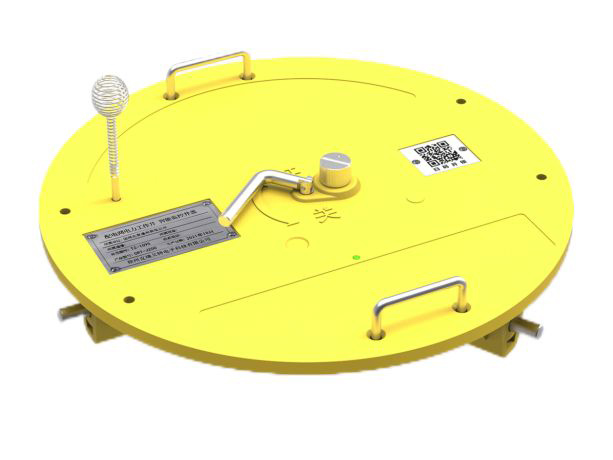 Intelligent Manhole Cover
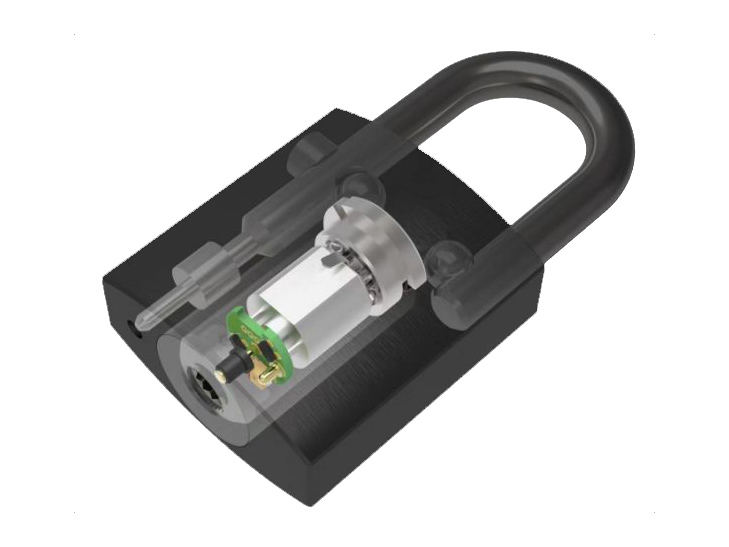 IoT Smart Locks
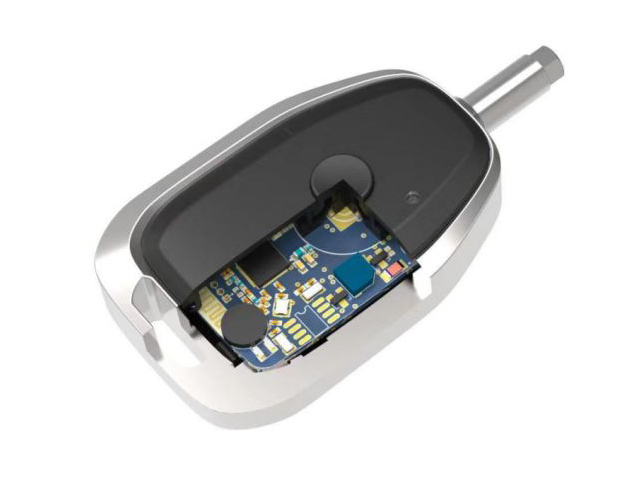 Electronic Keys
 Software


